
Last updated September 23, 2026
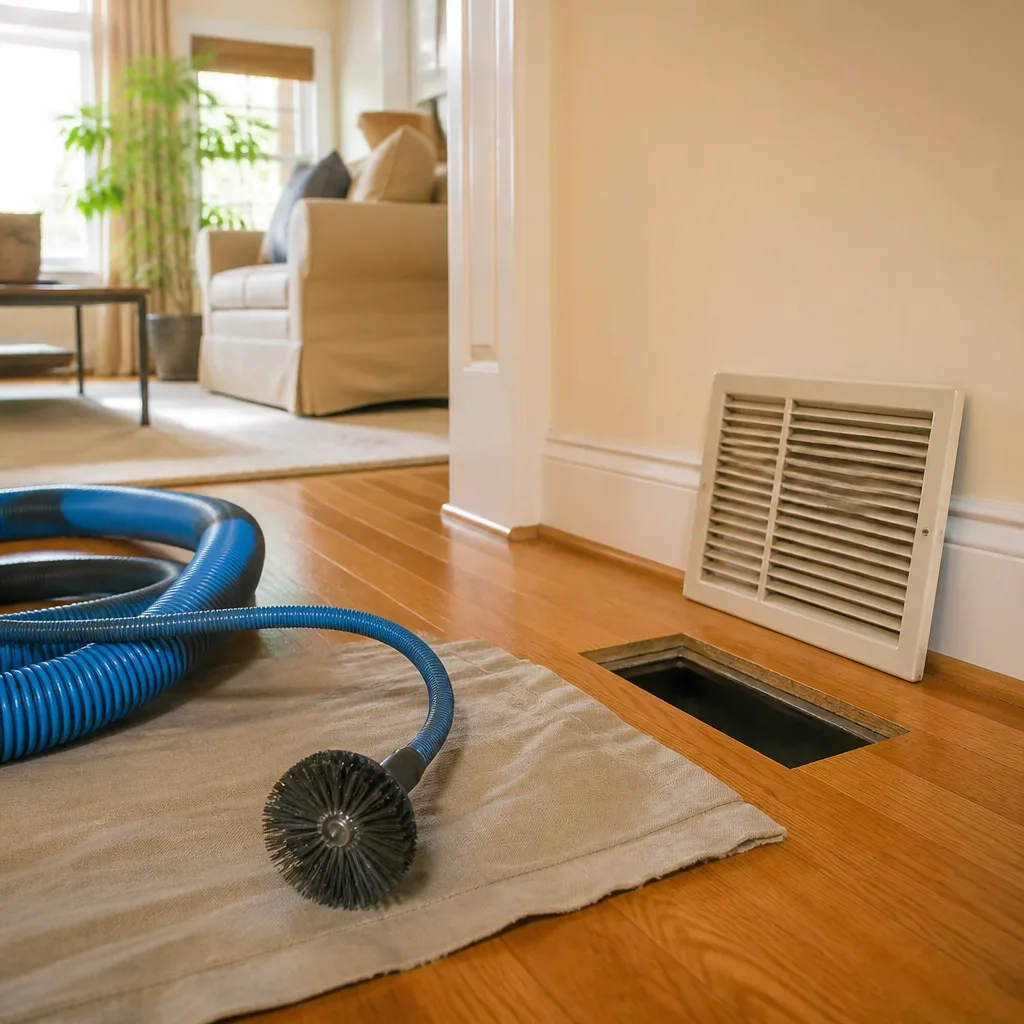
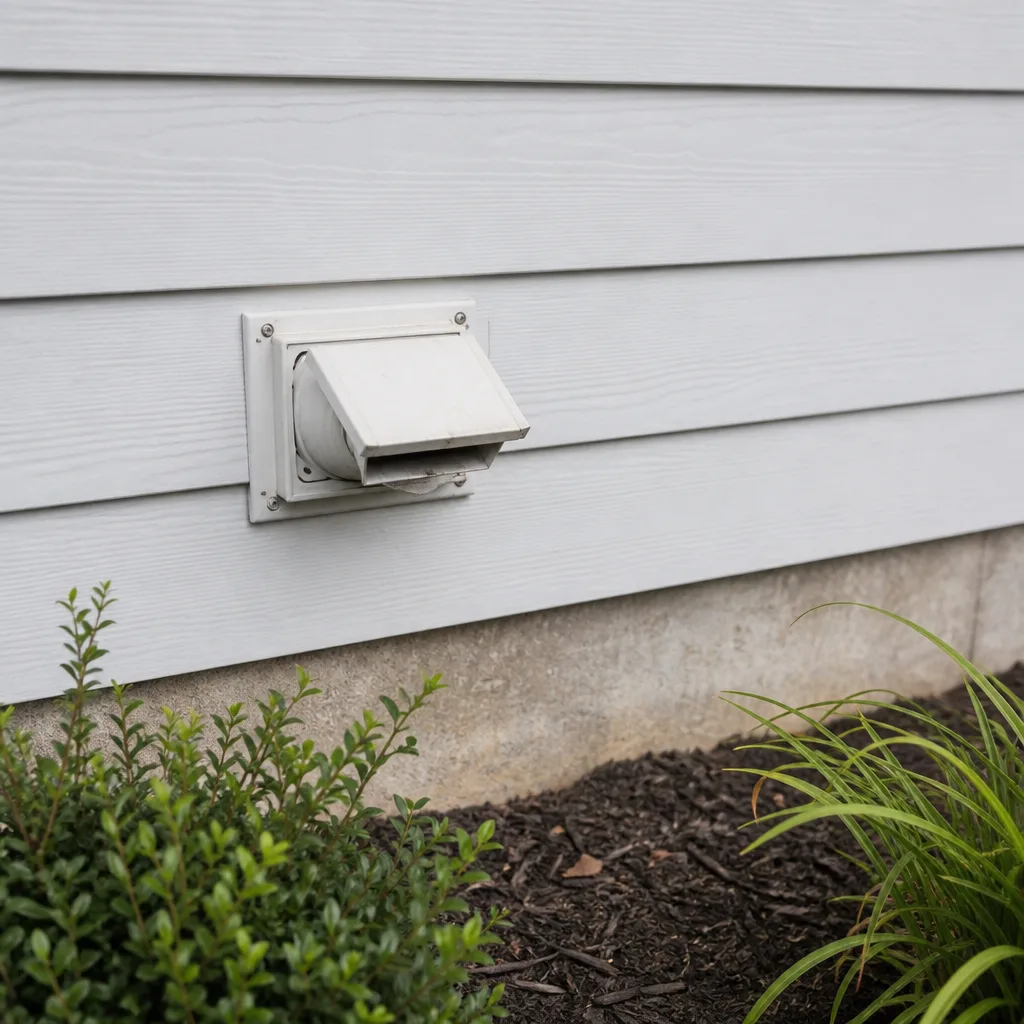
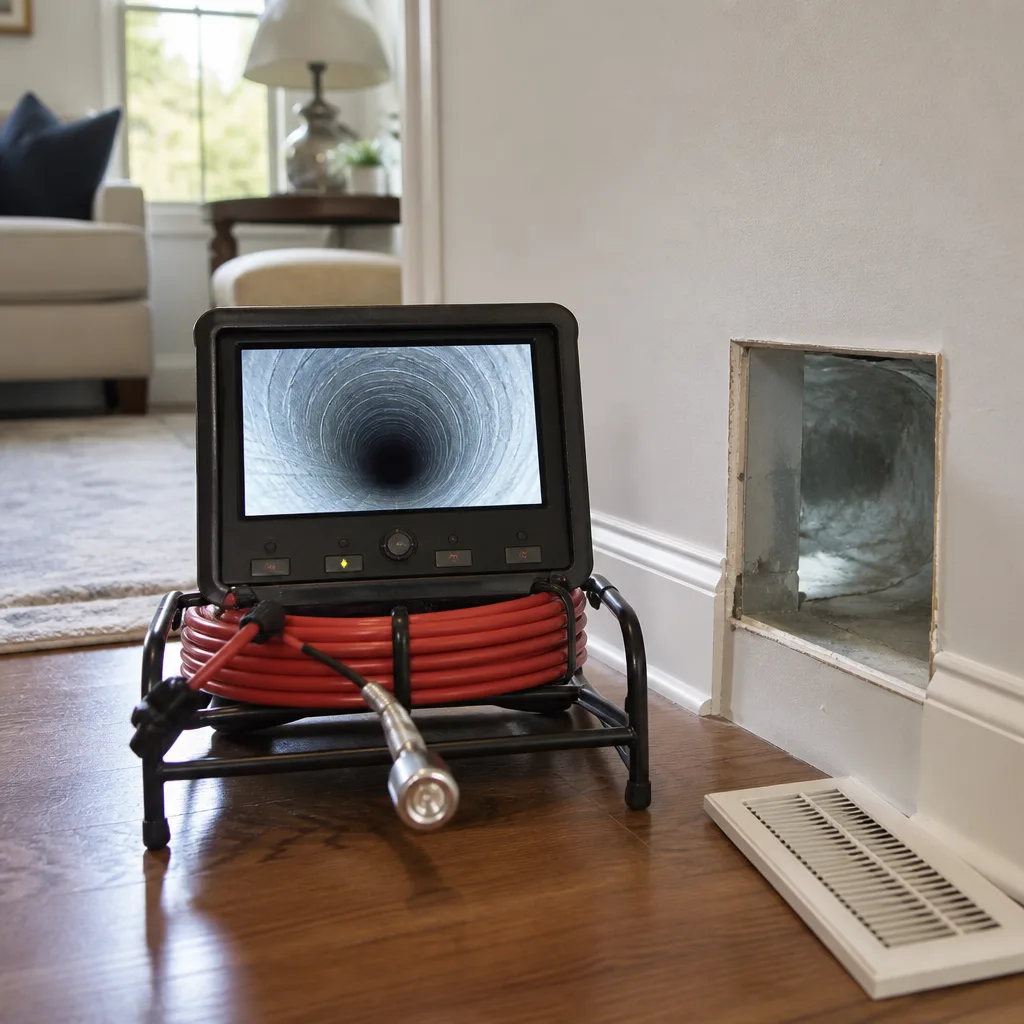
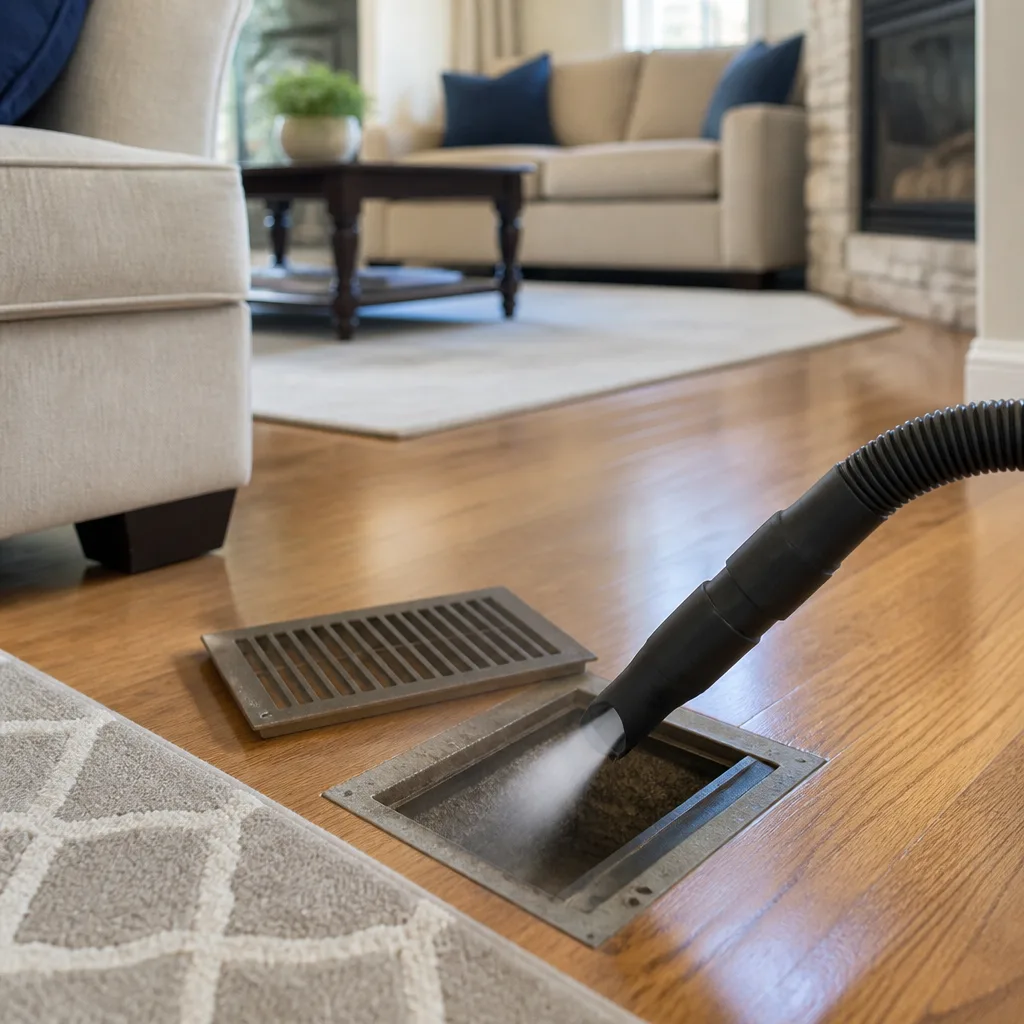
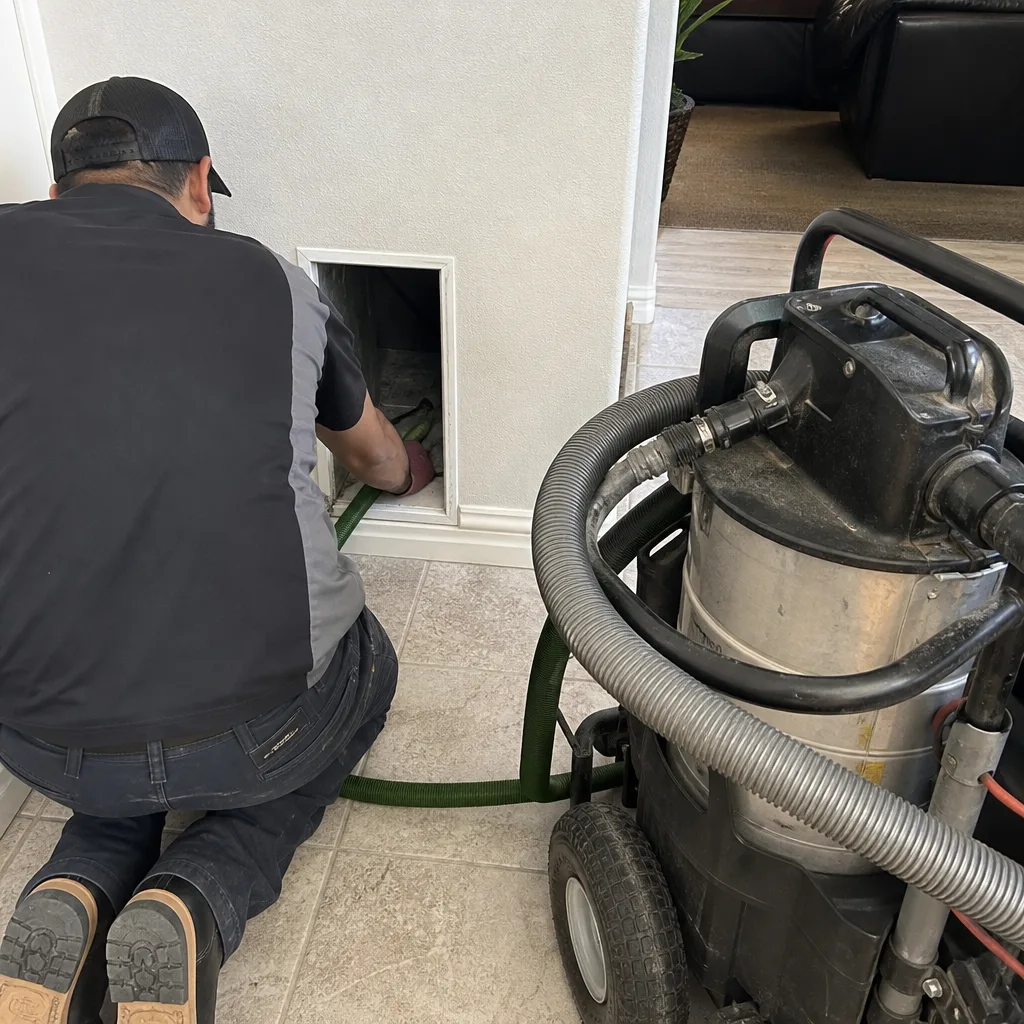
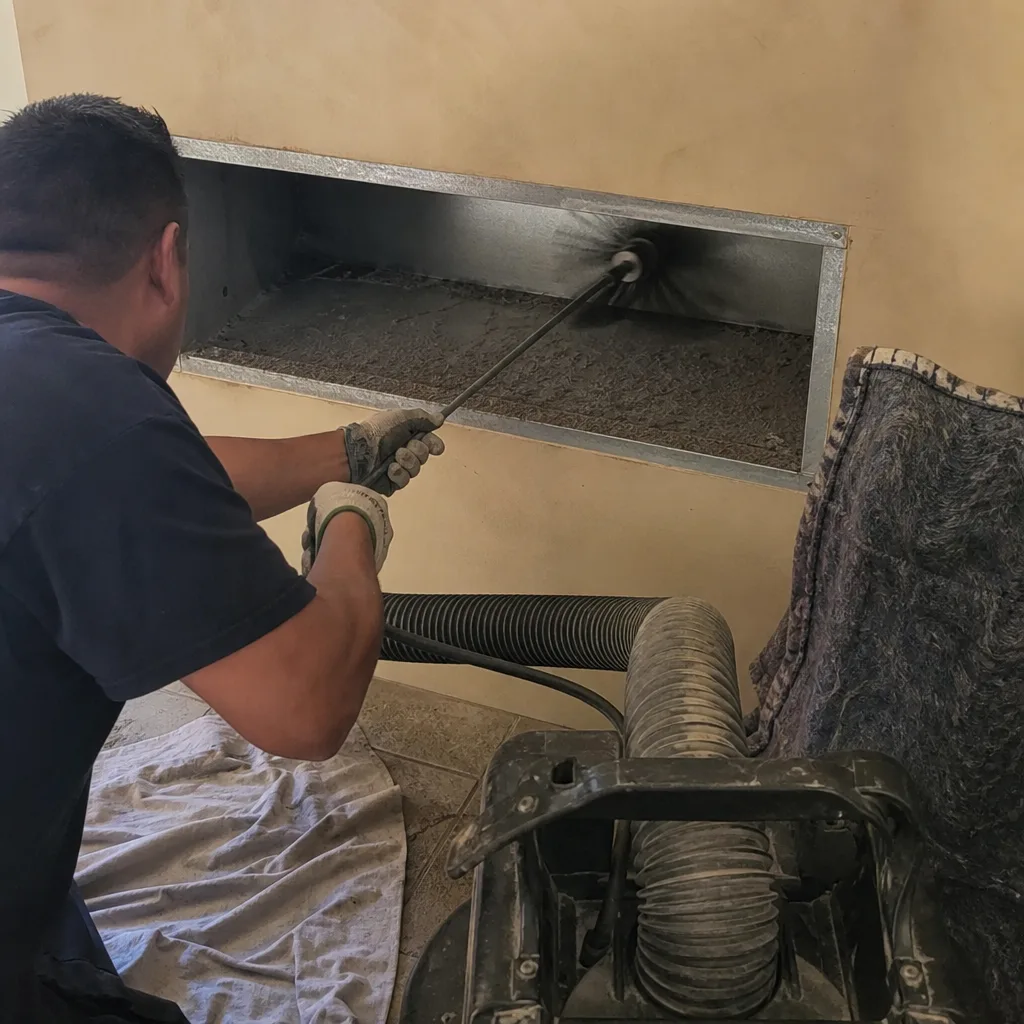
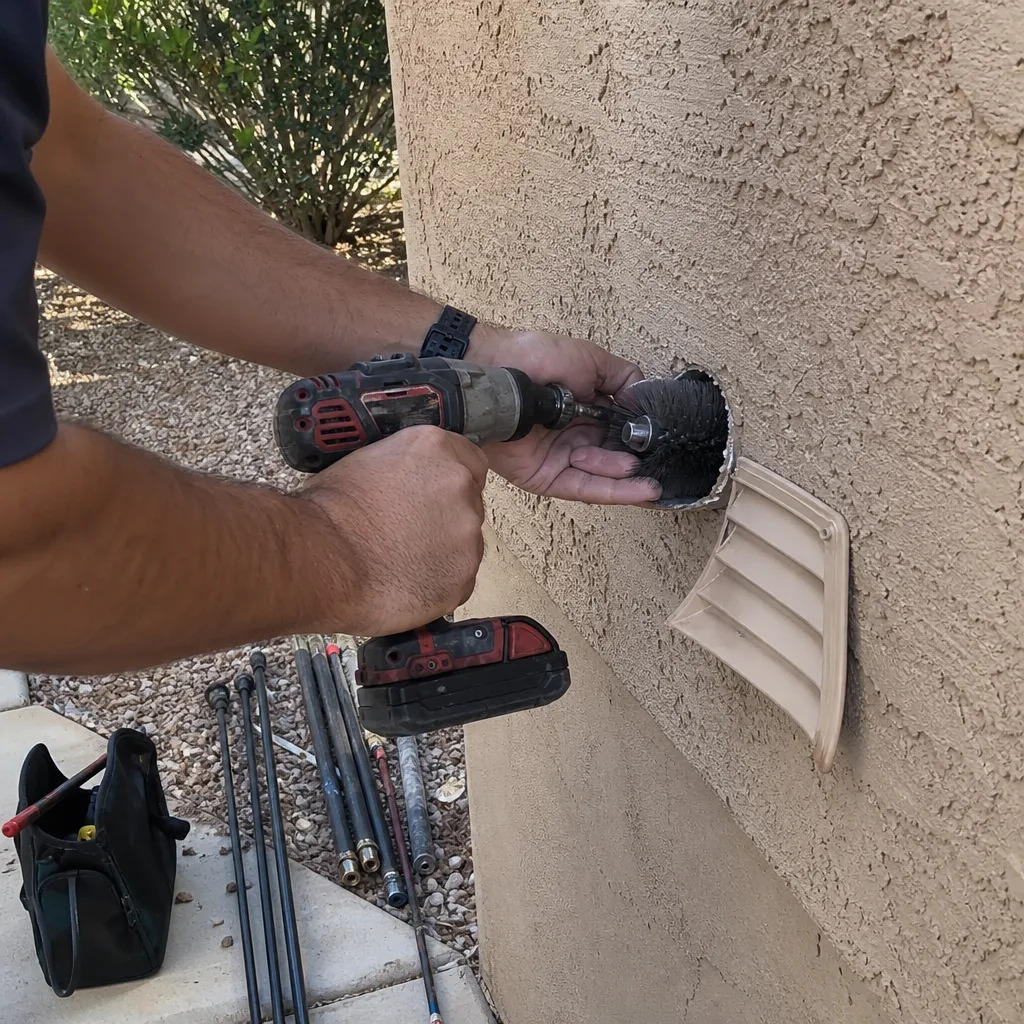
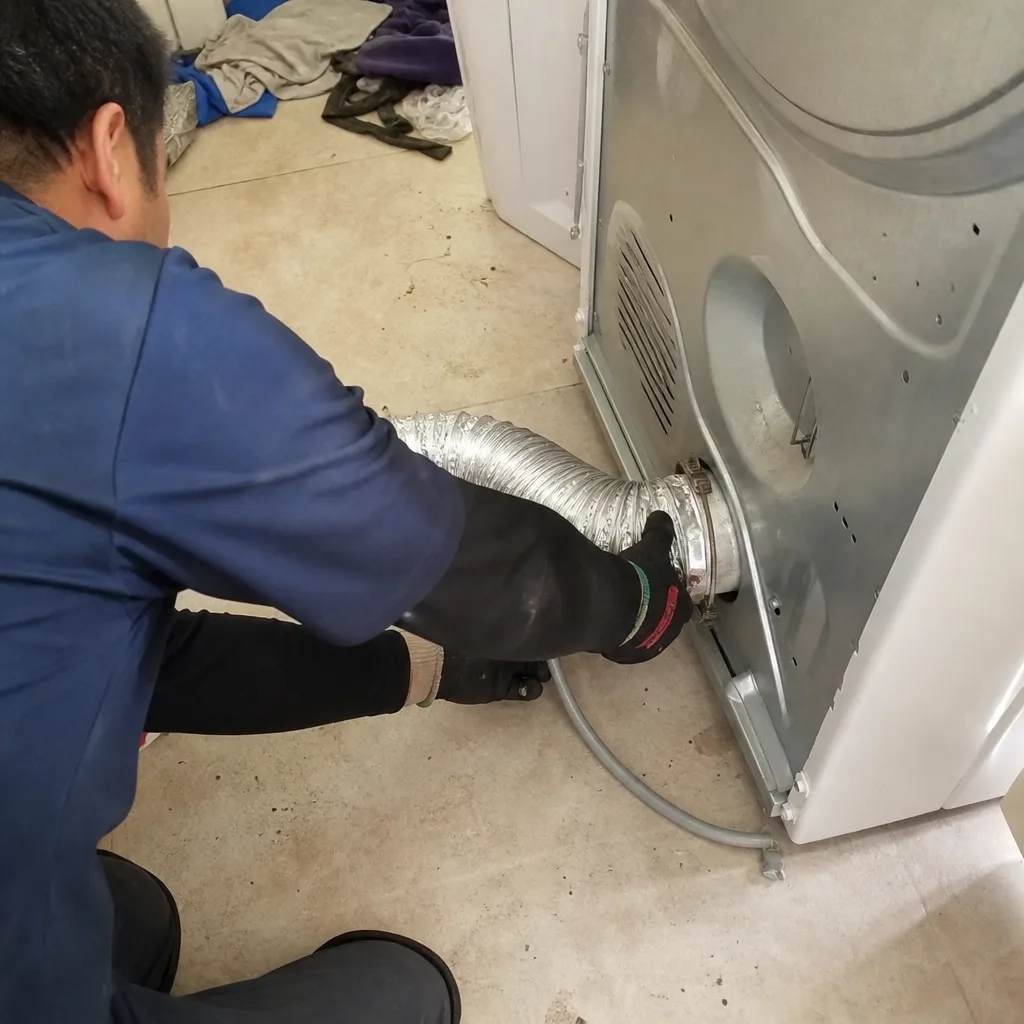
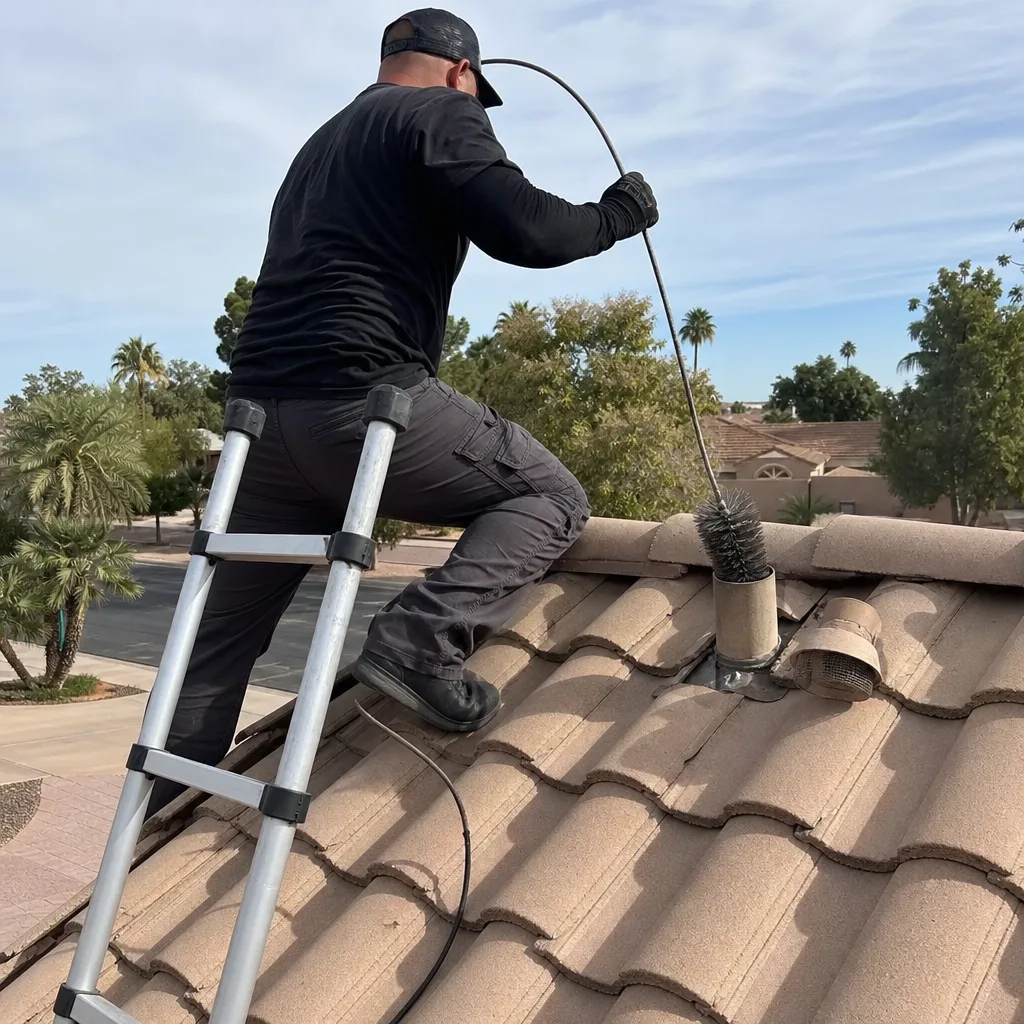
Whole-system duct and dryer vent check with before-and-after photos - you see exactly what came out of your vents
That "$99 whole-house special" is a bait ad - the real number appears once they are in your hallway, or the "clean" is a shop-vac at the register. We photograph the inside of your ducts before and after instead.
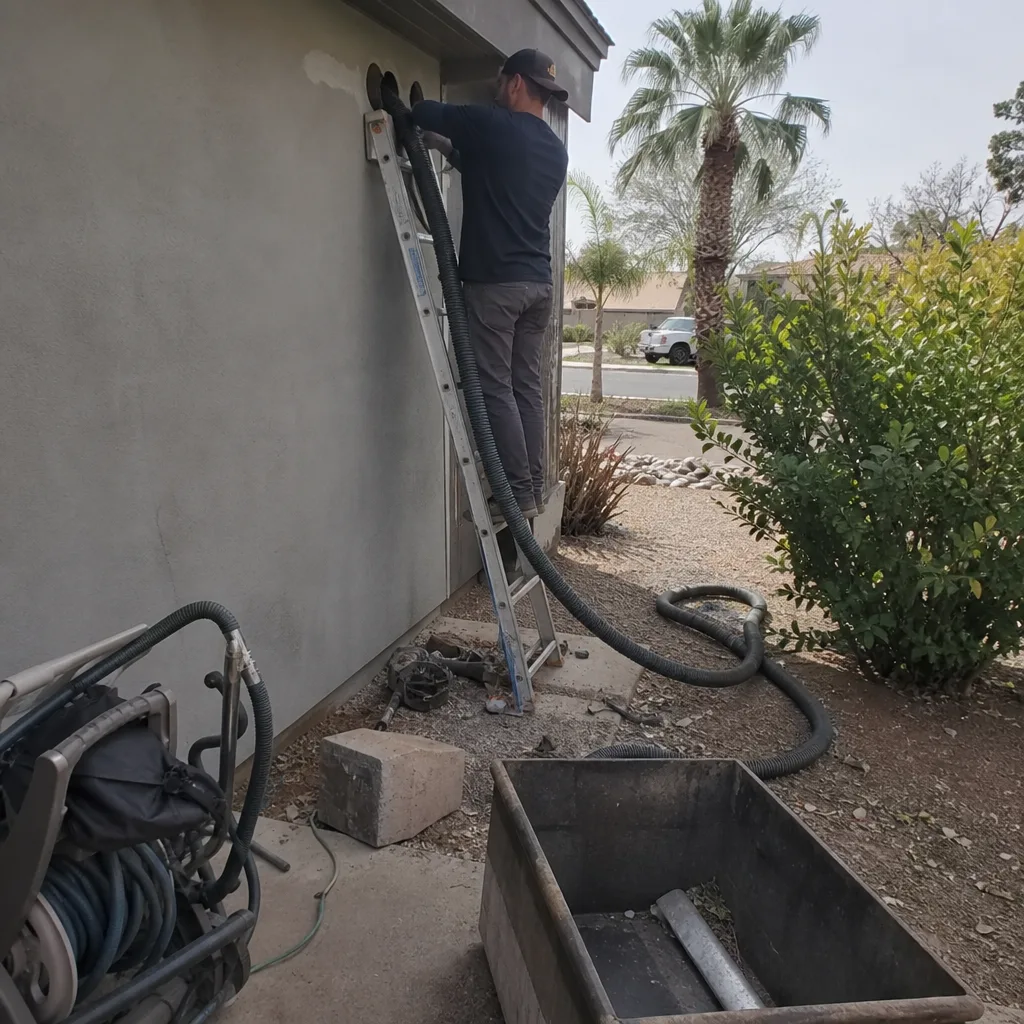 Before
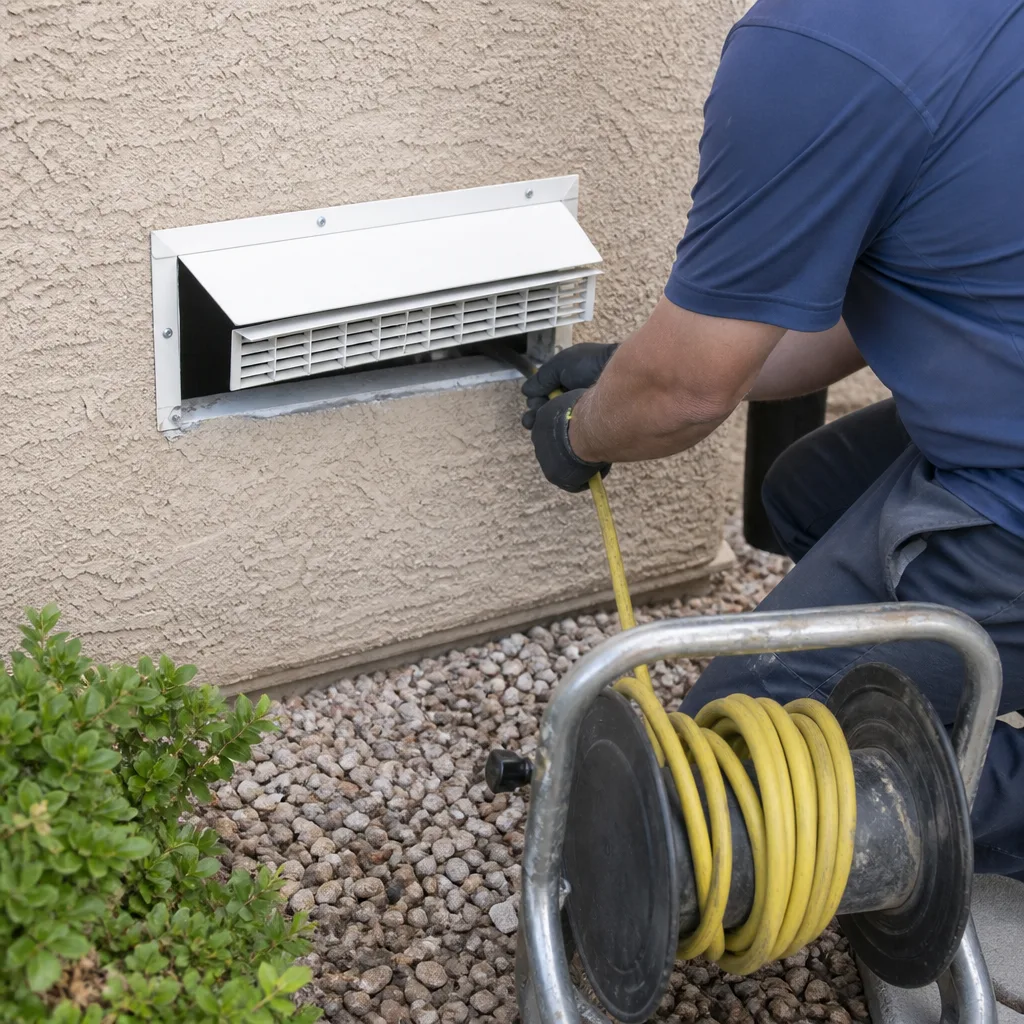 After
After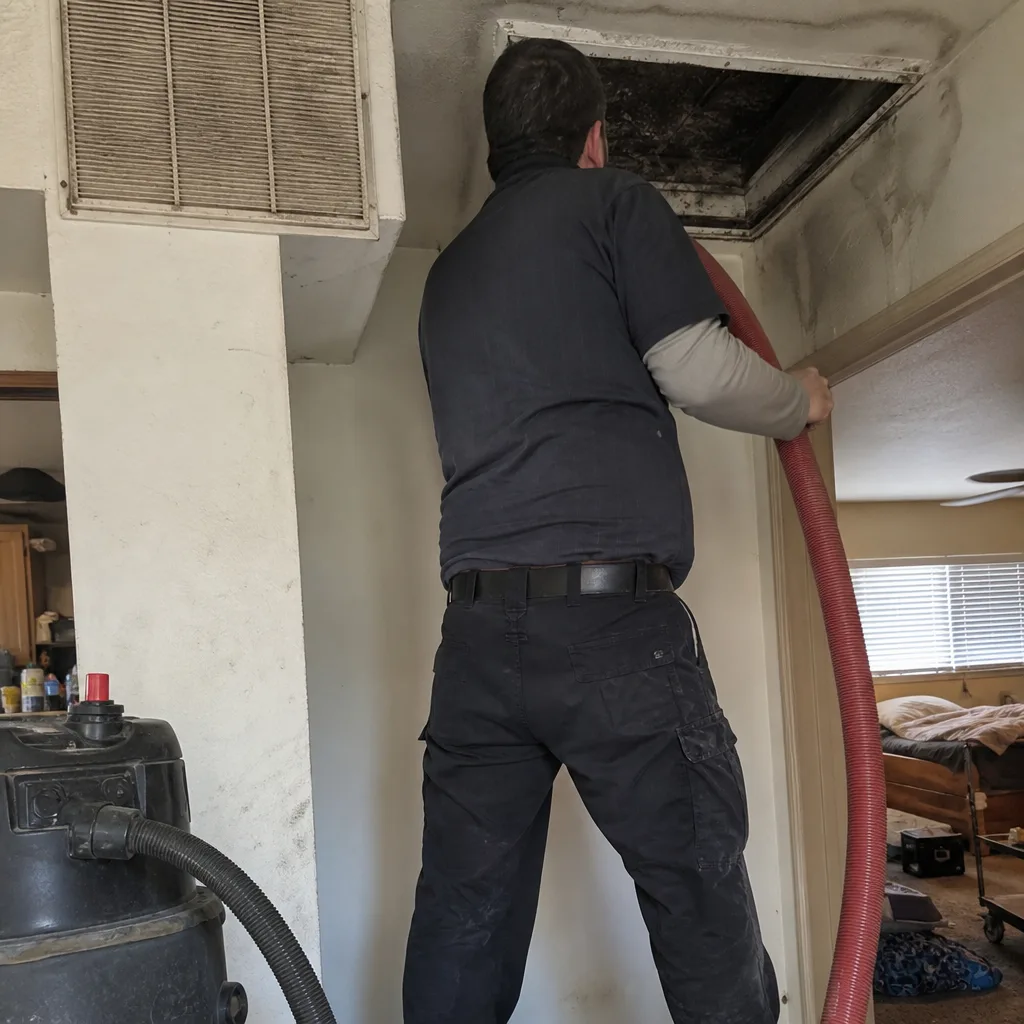 Before
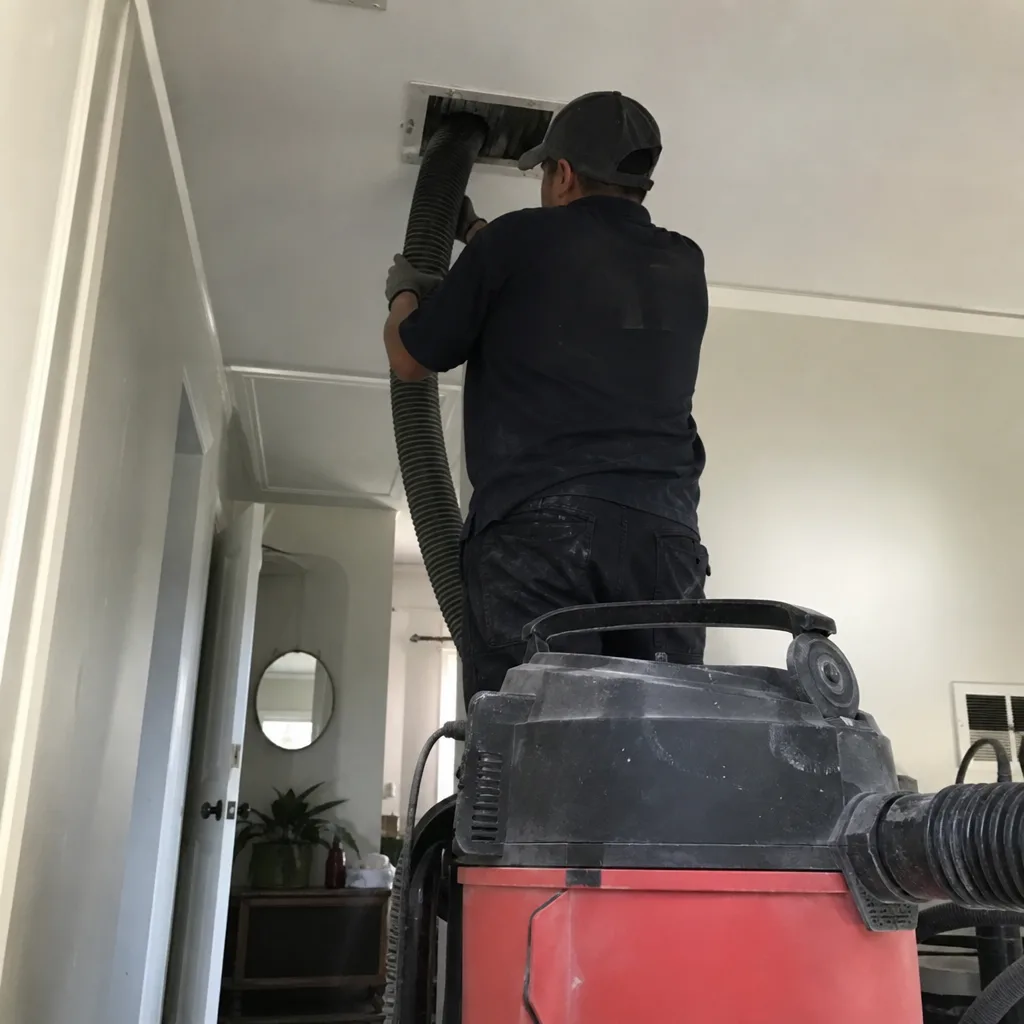 After
After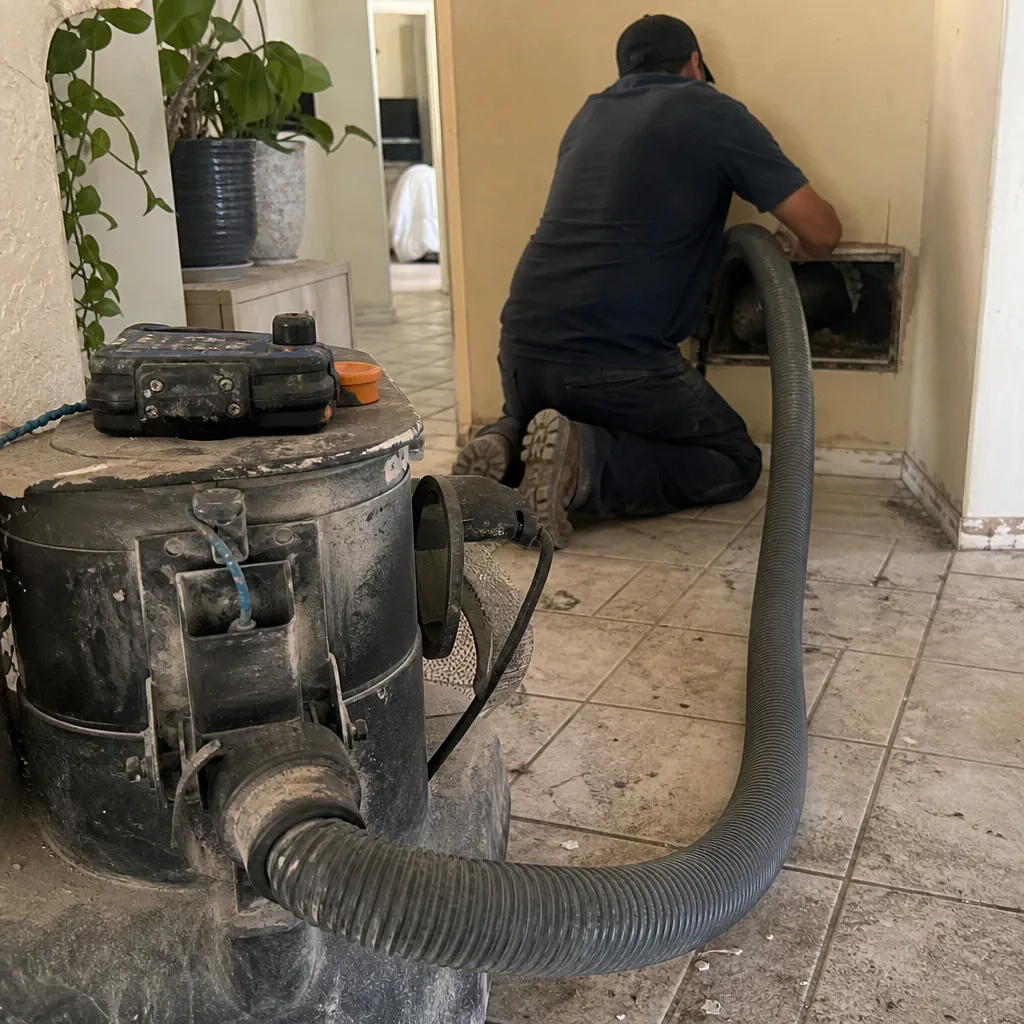 Before
 After
AfterAir Duct Cleaning Permits, Codes & Inspections in AZ: What You Need to Know
In Arizona, a contractor who replaces a section of duct during a “cleaning visit” without pulling a mechanical permit isn’t cutting a corner - they’re performing unlicensed work, and your homeowner’s insurance may not cover the result. We’ve been in Phoenix homes since 2013 where a $199 duct cleaning turned into an $1,800 “repair” that was never permitted, never inspected, and left the homeowner with a disconnected return plenum and no recourse. This guide - alongside our The Complete Guide to Air Duct Cleaning in Phoenix - explains exactly where Arizona law draws the line between cleaning and mechanical repair, what permits protect you from, and how to verify that the person working on your ducts is licensed to do the work they’re actually doing.
Quick Answer
Air duct cleaning alone - the removal of debris from existing ductwork using brushes, vacuums, or compressed air - does not require a permit anywhere in Arizona. However, duct repair, replacement, or modification that alters the mechanical system’s airflow capacity, material, or structural integrity triggers Arizona Mechanical Code permit requirements, enforced at the county or municipal level. In Phoenix and Maricopa County, any duct replacement exceeding $1,000 in value or involving the plenum, main trunk, or furnace connection requires a mechanical permit and inspection by a licensed contractor.
Table of Contents
- Where Arizona Law Draws the Line: Cleaning vs. Mechanical Repair
- The Arizona Mechanical Code and IAPMO UMC: What Actually Applies
- Maricopa County and Phoenix Permit Thresholds for Duct Work
- ROC License Classes: Who Can Clean vs. Who Can Repair
- Unpermitted Duct Work and Home Resale Disclosure in Arizona
- When to Request a Third-Party Mechanical Inspection
- How to Protect Yourself: A Verification Checklist
- Common Mistakes to Avoid
- When to Call a Professional
- Frequently Asked Questions
BeforeAfterWhere Arizona Law Draws the Line: Cleaning vs. Mechanical Repair
Arizona’s regulatory framework separates duct maintenance into two distinct categories, and the boundary matters more than most homeowners realize. Understanding this distinction protects you from both unlicensed contractors and from permit delays on legitimate work.
Cleaning (no permit required): The Arizona Registrar of Contractors (ROC) and the Arizona Mechanical Code define cleaning as the removal of accumulated debris, dust, or biological growth from existing ductwork without altering the system’s physical structure. This includes:
- Agitation and vacuum extraction of debris from duct runs (the individual pathways between trunk lines and registers)
- Compressed air or brush cleaning of register boots and return air grilles
- Application of EPA-registered sanitizers to existing duct surfaces
- Camera inspection and documentation of interior conditions
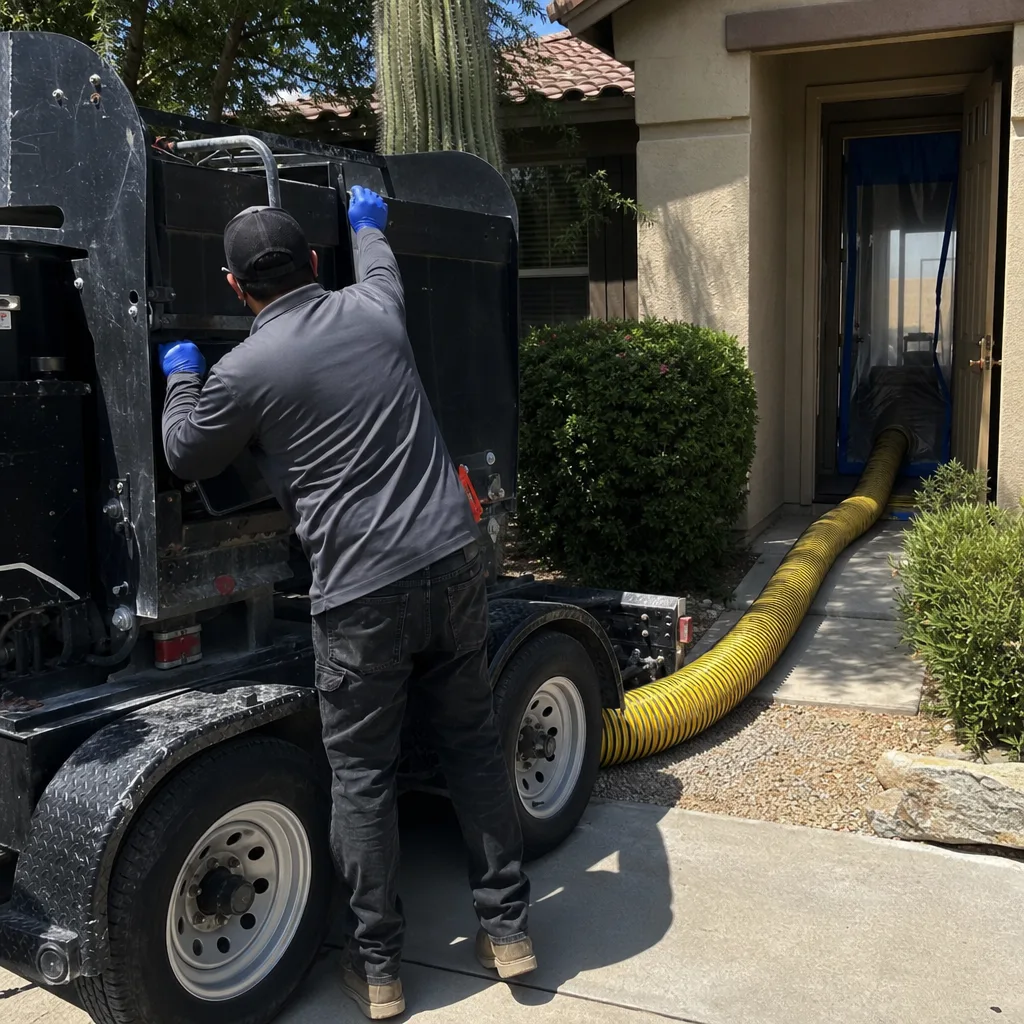
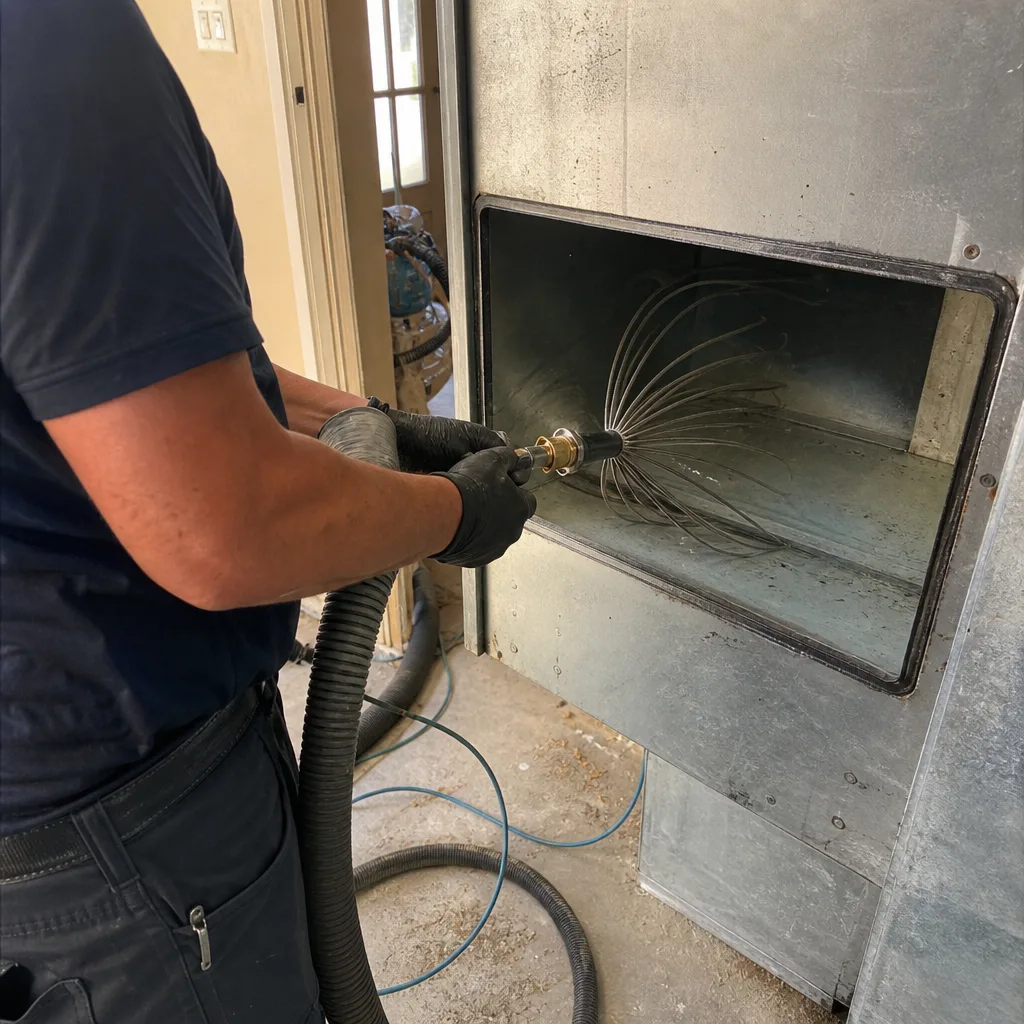
At CleanRun Air Duct Cleaning Phoenix home, our standard service falls entirely within this category. We use Rotobrush and Abatement Technologies negative-pressure extraction equipment to remove debris from existing ductwork. We photograph every run before and after. We do not cut, replace, or reconfigure duct material unless a separate mechanical repair scope is quoted, permitted, and performed under the appropriate license.
Mechanical repair (permit required): The line crosses when physical alteration occurs. Under Arizona Mechanical Code Section 106.1, based on IAPMO Uniform Mechanical Code provisions, mechanical repair includes:
- Replacement of any duct section 10 linear feet or longer
- Modification or replacement of the plenum (the central distribution box connecting the furnace to the trunk lines)
- Reconnection of detached flex duct using new collars, straps, or sealing materials
- Installation of new duct runs to serve added or relocated registers
- Repair of duct board (the fiberglass-faced rigid board used in many Phoenix tract homes built 1995-2010) where structural integrity is restored or altered
We’ve documented this boundary repeatedly in our Air Duct Cleaning Warning Signs: A Phoenix Homeowner’s Reference Guide and in Phoenix-area homes, particularly in neighborhoods like Ahwatukee and Gilbert where 2000s-era construction used duct board extensively. In one 2019 job near Baseline Road and 48th Street, our camera showed a collapsed section of duct board that a previous “cleaning” company had simply vacuumed around, leaving the homeowner with a 40% airflow reduction to the master bedroom. The correct path was a permitted mechanical repair, not a more aggressive cleaning.
The critical point: a contractor performing repair work under the guise of cleaning, without pulling the required permit, is operating outside their legal scope. This isn’t a paperwork oversight. It’s unlicensed activity that can void your homeowner’s insurance coverage if the repair fails and causes water damage, mold amplification, or fire.
The Arizona Mechanical Code and IAPMO UMC: What Actually Applies
Arizona does not write its mechanical code from scratch. The state adopts the International Association of Plumbing and Mechanical Officials (IAPMO) Uniform Mechanical Code (UMC) with state-specific amendments, then delegates enforcement to counties and incorporated cities. For Phoenix homeowners, this means three layers of regulation apply: the base UMC, Arizona’s amendments, and local Maricopa County or City of Phoenix adoption ordinances.
Base UMC provisions relevant to duct work:
- Section 304.1: Duct materials must be labeled and installed per manufacturer specifications - not merely “good enough”
- Section 603.1: Ducts must be constructed of approved materials, with specific fire-resistance ratings for different applications
- Section 603.4: Flexible duct installation requires support intervals, bend radius limits, and termination methods that are routinely violated in quick “cleaning” repairs
- Section 106.1: Mechanical permits are required for “the installation, alteration, repair, replacement, or addition of any mechanical system”
Arizona amendments that matter locally:
The Arizona Department of Housing publishes amended provisions that tighten certain UMC requirements for our climate. Most relevant: the state’s enhanced duct sealing standards for evaporative cooler conversions, common in older Phoenix neighborhoods like Encanto and Maryvale where swamp coolers are still being replaced with refrigerated air. When a contractor converts a system and modifies ductwork to accommodate the new equipment, the permit threshold drops - any duct modification connected to a changeout requires permitting regardless of dollar value.
Local enforcement reality:
Maricopa County Environmental Services Department and the City of Phoenix Planning and Development Department both enforce mechanical codes, but with different permit thresholds and inspection protocols. We’ll cover those specifics in the next section. The key takeaway: “Arizona doesn’t require permits for duct cleaning” is true but incomplete. The statement doesn’t protect you from unpermitted repair work performed during that cleaning.
Maricopa County and Phoenix Permit Thresholds for Duct Work
Permit thresholds determine when a contractor must file paperwork, pay fees, and submit to inspection. In Maricopa County and Phoenix, these thresholds are specific and enforceable.
Maricopa County (unincorporated areas and jurisdictions without their own building departments):
| Work Type | Permit Required? | Threshold/Trigger |
|---|---|---|
| Duct cleaning only | No | No physical alteration of system |
| Minor duct repair (sealing, strap replacement) | No | Under $1,000 total project value, no structural modification |
| Duct section replacement | Yes | $1,000+ or any plenum/trunk work |
| Plenum repair or replacement | Yes | Any value - plenum is structural |
| New duct run installation | Yes | Any value - new capacity addition |
| Duct work with HVAC changeout | Yes | Always, as part of mechanical permit bundle |
City of Phoenix (incorporated areas):
Phoenix uses the same base thresholds but adds a critical layer: any work performed in a home that will be sold within 12 months triggers enhanced disclosure requirements under Phoenix’s residential resale inspection program, even for work below the $1,000 threshold. This affects the Arcadia, North Central, and Roosevelt Row markets particularly, where home turnover is high and buyers routinely request pre-sale inspection reports.
Phoenix also requires contractor registration in addition to ROC licensing. A contractor with a valid ROC number but no Phoenix registration cannot legally pull permits in city limits. You can verify both at phoenix.gov/pdd.
What the permit process actually involves:
- Application: Licensed contractor submits scope of work, plans (for extensive modifications), and ROC verification
- Fee payment: Based on project value; typical duct replacement permits run $150-$400 in Phoenix
- Rough inspection: For new installations, before insulation or concealment - inspector verifies materials, supports, and clearances
- Final inspection: System operational test, airflow verification, and code compliance confirmation
- Certificate of completion: Required for warranty activation with many HVAC manufacturers and for home sale disclosure
We’ve pulled permits for duct repair work in Phoenix since 2013. The process adds 3-5 business days to project timelines, which is why some contractors skip it. But the certificate of completion becomes part of your home’s permanent record, visible to future buyers and their inspectors. In a market where Phoenix home values have risen 40% since 2020, that documentation has real transactional value.
ROC License Classes: Who Can Clean vs. Who Can Repair
The Arizona Registrar of Contractors issues license classifications that determine exactly what work a contractor is legally qualified to perform. This is where many homeowners get misled. A company advertising “duct cleaning” may employ technicians whose ROC classification only authorizes cleaning - yet those same technicians are dispatched with tools and materials for repair work.
License classes relevant to duct work:
| License Class | Authorized Work | Can Perform Duct Repair? |
|---|---|---|
| C-39 (Air Conditioning and Refrigeration) | Installation, repair, and maintenance of HVAC systems including connected ductwork | Yes - full mechanical repair authority |
| L-39 (Limited Air Conditioning and Refrigeration) | Maintenance and repair only; no new installations over specific capacity | Yes - limited to repair, not new system installation |
| CR-39 (Air Conditioning and Refrigeration - Residential) | Residential HVAC work including duct modification | Yes - residential only |
| C-61 (Limited Specialty - Duct Cleaning) | Cleaning only; no physical alteration of system | No - cleaning and minor maintenance only |
| K-11 (Building Cleaning) | General building maintenance cleaning | No - not mechanical work |
How to verify a contractor’s classification:
- Visit roc.az.gov and select “Verify a License”
- Enter the contractor’s ROC number (required by law on all advertising and vehicles)
- Review the “Classification” field - not just the business name
- Check “Status” - active licenses only; suspended or expired licenses invalidate permits
- Review “Complaint History” - pattern of permit violations or unlicensed work allegations
Here’s the practical risk: a C-61 duct cleaning contractor discovers a disconnected flex duct during service. Instead of stopping work and referring you to a C-39 contractor, they “fix” it with a strap and tape, charge an additional $400, and never mention that the repair required a permit and a licensed mechanical contractor. If that repair fails and your crawlspace floods with condensate, your insurance adjuster will ask for the permit number. There won’t be one.
At CleanRun, our technicians operate under CR-39 and C-39 classifications held by the company. When our inspection finds repair needs, we document them with photos, provide a written scope and price under Haven Standard Clause 1, and pull permits when required. The customer receives the permit number, inspection schedule, and final certificate as part of their job record. This is not standard practice in our industry. It should be.
Unpermitted Duct Work and Home Resale Disclosure in Arizona
Arizona Revised Statutes § 33-422 requires sellers to disclose material defects and code violations affecting property value. Unpermitted mechanical work falls squarely within this requirement, and the statute’s language has been tested in Arizona courts with increasing frequency as home prices have risen.
What ARS 33-422 actually requires:
Sellers must disclose in writing any “facts materially affecting the value of the property that are not readily observable and are not known to the buyer.” This includes:
- Work performed without required permits, even if the work appears functional
- Code violations that would require correction to obtain a certificate of occupancy
- Systems or components modified in ways that affect safety, insurability, or marketability
How this plays out in Phoenix real estate:
In competitive neighborhoods like Scottsdale-adjacent Paradise Valley Village or the Roosevelt Historic District, buyers increasingly request permit history reports from the City of Phoenix or Maricopa County before closing. These reports show all permits pulled on a property, with dates, contractors, and inspection outcomes. A gap - say, a 2022 HVAC replacement with no corresponding mechanical permit - triggers buyer concessions, repair escrows, or deal termination.
We’ve been called to Phoenix homes where unpermitted duct repairs from previous “cleaning” visits surfaced during pre-sale inspections. In one 2022 case near 7th Street and Missouri, a homeowner faced a $3,200 concession because a 2019 duct board patch (performed during a $149 cleaning special) had no permit and no documentation. The buyer’s inspector flagged it as a potential mold vector due to improper sealing. The original cleaning company was out of business. The homeowner absorbed the cost.
The insurance dimension:
Homeowner’s insurance policies contain standard exclusions for damage arising from “faulty, inadequate, or illegal construction or repair.” Unpermitted mechanical work fits this exclusion. If a duct repair fails and causes water damage, mold, or fire, your adjuster will request the permit and inspection records. Their absence doesn’t automatically deny the claim, but it shifts the burden of proof to you to demonstrate that the work was performed to code standard - without documentation, that’s nearly impossible.
When to Request a Third-Party Mechanical Inspection
Third-party inspections provide independent verification that duct work, whether from cleaning or repair, meets code requirements. They’re not routine for simple cleaning, but specific situations warrant the investment.
Scenarios where we recommend third-party inspection:
- Post-repair verification: After any permitted duct repair, you can request a re-inspection by a different municipal inspector or a private mechanical inspector. Cost in Phoenix: $200-$400. This is particularly valuable for plenum work or furnace connections where failure risks are highest.
- Pre-purchase evaluation: When buying a Phoenix home with recent HVAC or duct work, hire an inspector specifically to verify permit completion and code compliance. General home inspectors rarely examine ductwork beyond temperature differential tests.
- Dispute resolution: If you suspect previous work was unpermitted or substandard, a third-party inspection documents conditions for ROC complaint or small claims action.
- Insurance claims: After water or mold damage originating in ductwork, an independent inspection can establish whether original installation or repair met code - affecting coverage determinations.
What a mechanical inspector actually checks:
Unlike the visual inspection performed during cleaning, a mechanical inspector examines structural and safety compliance:
- Material approval: Duct board, flex duct, and metal stock must carry UL or equivalent markings; unmarked materials are rejected
- Support and clearance: Duct supports at code intervals, minimum clearance from combustibles, proper fire damper placement where walls or floors are penetrated
- Sealing standards: Mastic or tape applications meeting SMACNA (Sheet Metal and Air Conditioning Contractors’ National Association) standards - not duct tape, not “good enough” coverage
- Airflow verification: Design airflow matches installed capacity; return and supply balance within tolerance
- Condensate handling: Where cooling coils are involved, proper drain slope, trap, and overflow protection
In Phoenix’s climate, the sealing standard matters enormously. Our summer design temperature of 108°F means ducts operate under extreme thermal stress. Poor sealing in an uninsulated attic loses 20-30% of cooling capacity. An inspector verifying mastic application at every joint is validating real efficiency, not bureaucratic box-checking.
How to Protect Yourself: A Verification Checklist
Use this checklist before any contractor enters your Phoenix home for duct work. We’ve refined it over 52,000 service visits since 2013.
- Verify ROC license and classification. At roc.az.gov, confirm the license is active and the classification (C-39, L-39, CR-39, or C-61) matches the work being proposed. Screen-shot the result.
- Request written scope and price before work starts. Haven Standard Clause 1 requires this at CleanRun. Any contractor who won’t commit to paper before starting should be declined.
- Ask explicitly: “Will this work require a mechanical permit?” The answer should be immediate and specific. “I don’t know” or “we’ll handle it if needed” are red flags.
- If repair is proposed, request the permit number before work begins. Legitimate contractors can provide the application number or confirm filing within 24 hours.
- Verify Phoenix contractor registration. At phoenix.gov/pdd, confirm the business is registered for city work if your home is in city limits.
- Request before-and-after documentation. Photos of every duct run, not just the worst one. At CleanRun, this is standard; our equipment includes Nikro and Guardsman camera systems for interior documentation.
- Obtain final inspection certificate for permitted work. Keep this with your home records; it transfers with the property and satisfies ARS 33-422 disclosure requirements.
- Confirm warranty terms in writing. CleanRun’s 365-Day Done Right Promise is documented on every job, not stated verbally and forgotten. Ask for the same from any contractor.
This checklist takes 15 minutes and has saved Phoenix homeowners from unpermitted work, uninsured losses, and resale complications. The contractors who object to it are the ones you needed it against.
Common Mistakes to Avoid
- Assuming “licensed and insured” means licensed for the work being done. A C-61 duct cleaning license does not authorize mechanical repair. Verify the specific classification, not just the slogan on the van.
- Accepting verbal assurances that permits “aren’t needed for small jobs.” The $1,000 threshold is clear in Maricopa County. A contractor who won’t commit to a written scope can’t determine whether the threshold applies.
- Paying for “repair” discovered during a cleaning visit without separate documentation. This is the industry’s most common bait-and-switch pattern. The cleaning price gets you in the door; the “emergency repair” generates the profit. Insist on a new written scope and permit verification.
- Neglecting to check Phoenix contractor registration. ROC licensing is statewide; Phoenix registration is separate and required for city work. We’ve encountered out-of-state contractors with valid ROC numbers but no Phoenix registration, making their permits invalid.
- Discarding documentation after “minor” work. That $600 flex duct replacement in 2019 becomes a disclosure issue in 2024. Keep all permits, inspection certificates, and contractor documentation for the duration of ownership plus seven years.
- Hiring based on lowest price without verifying what’s included. The $79 duct cleaning special doesn’t include repair, documentation, or permit compliance. When repair is “discovered,” the total often exceeds honest upfront pricing from a qualified contractor.
- Failing to photograph conditions before work starts. If a dispute arises, your documentation of pre-existing conditions protects you. Our standard practice at CleanRun: customer receives the complete photo record, not just selected highlights.
When to Call a Professional
Call a licensed mechanical contractor when duct work involves physical alteration, when your inspection reveals damage beyond surface debris, or when you’re preparing a Phoenix home for sale and need documentation of system condition. Air Duct Cleaning in Phoenix addresses maintenance needs; mechanical repair requires the credentials and permits we’ve outlined above.
CleanRun Air Duct Cleaning Phoenix offers free estimates in Phoenix - call (480) 500-6377. Our technicians arrive with verified CR-39 and C-39 classifications, and every scope of work is documented in writing before any panel comes off. For repair needs beyond cleaning, we pull permits, schedule inspections, and deliver certificates of completion as part of our standard process. The 365-Day Done Right Promise applies to every job, backed in writing, not mentioned in passing.
We also provide Dryer Vent Cleaning in Phoenix and HVAC Cleaning in Phoenix - services that, like duct cleaning, fall within maintenance categories but can reveal repair needs requiring proper licensing and permitting.
Frequently Asked Questions
No. Air duct cleaning - the removal of debris from existing ductwork without physical alteration - does not require a permit in Phoenix, Maricopa County, or anywhere in Arizona. However, if the contractor proposes repair, replacement, or modification of any duct component, permit requirements may apply depending on scope and value.
Permitted duct repair typically costs 15-25% more than unpermitted quotes due to permit fees, inspection scheduling, and the licensed contractor rates required to pull permits. In Phoenix, a standard flex duct replacement runs $800-$1,500 permitted versus $600-$1,200 unpermitted. The premium buys documentation, insurance protection, and resale compliance that unpermitted work cannot provide. Call (480) 500-6377 for an exact quote - estimates are free.
Request a permit history report from Maricopa County Environmental Services or the City of Phoenix Planning and Development Department. Compare all HVAC-related permits to the visible age and condition of ductwork. Mismatches - new-looking duct board in a home with no mechanical permits since construction - indicate probable unpermitted work. A mechanical inspector can verify material markings and installation methods for definitive confirmation.
ARS 33-422 requires disclosure of unpermitted work that materially affects property value. Failure to disclose exposes sellers to post-sale liability, including rescission demands or damages claims. In practice, Phoenix buyers and their lenders increasingly require permit verification; unpermitted work typically triggers repair escrows, price concessions, or deal termination. The 2022-2024 market has seen this scrutiny intensify as buyers gained leverage.
No, if the repair exceeds minor maintenance. Arizona’s “handyman exemption” allows unlicensed work only on projects under $1,000 that do not require a building permit and do not involve mechanical, electrical, or plumbing systems. Duct repair is mechanical work by definition; only ROC-licensed contractors with appropriate classifications (C-39, L-39, or CR-39) may perform it legally.
Check the company’s ROC license classification at roc.az.gov before scheduling. C-39, L-39, or CR-39 classifications authorize mechanical repair; C-61 or K-11 classifications do not. Ask directly: “If your technician finds damage requiring repair, what is your process?” The answer should include written scope, separate pricing, and permit handling - not “we’ll take care of it while we’re here.” At CleanRun, we document our classification on every proposal and explain the boundary before work begins.
The Bottom Line
Air duct cleaning in Arizona requires no permit, but the repairs frequently discovered during cleaning often do. The regulatory boundary is clear in the Arizona Mechanical Code, but it’s routinely crossed by contractors who lack the license to perform repair work or the willingness to pull permits for it. Phoenix homeowners pay the price in insurance gaps, resale complications, and substandard installations that fail under our extreme thermal conditions.
Protect yourself by verifying license classifications, demanding written scopes and prices before any work starts, and keeping documentation for the life of your ownership. The 15 minutes spent on verification at roc.az.gov and phoenix.gov/pdd prevents problems that cost thousands to resolve; see more guides & resources for additional homeowner protections. In a market where Phoenix home values depend increasingly on documented condition, permit compliance isn’t bureaucracy - it’s asset protection.
Written by Tomas Reyes, Owner at CleanRun Air Duct Cleaning Phoenix, serving Phoenix since 2013.