
Last updated September 23, 2026
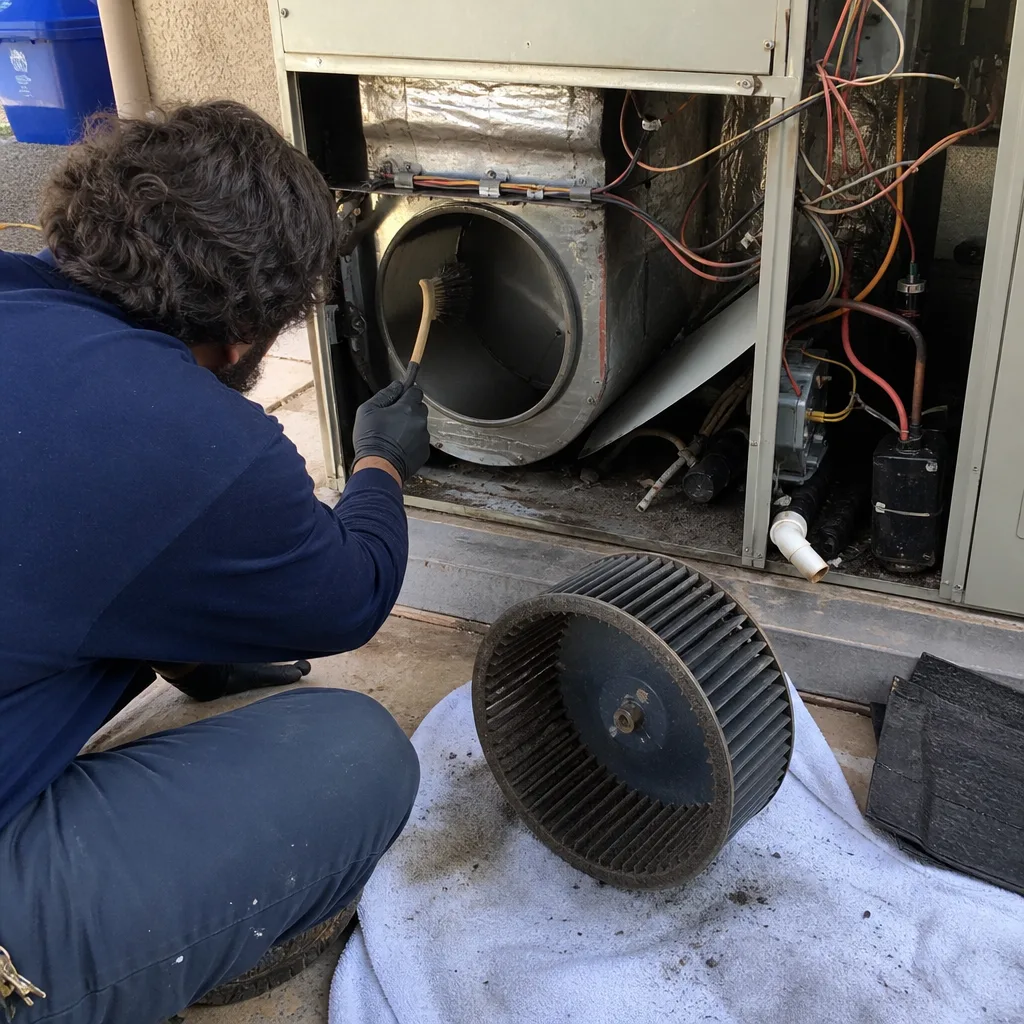
Whole-system duct and dryer vent check with before-and-after photos - you see exactly what came out of your vents
That "$99 whole-house special" is a bait ad - the real number appears once they are in your hallway, or the "clean" is a shop-vac at the register. We photograph the inside of your ducts before and after instead.
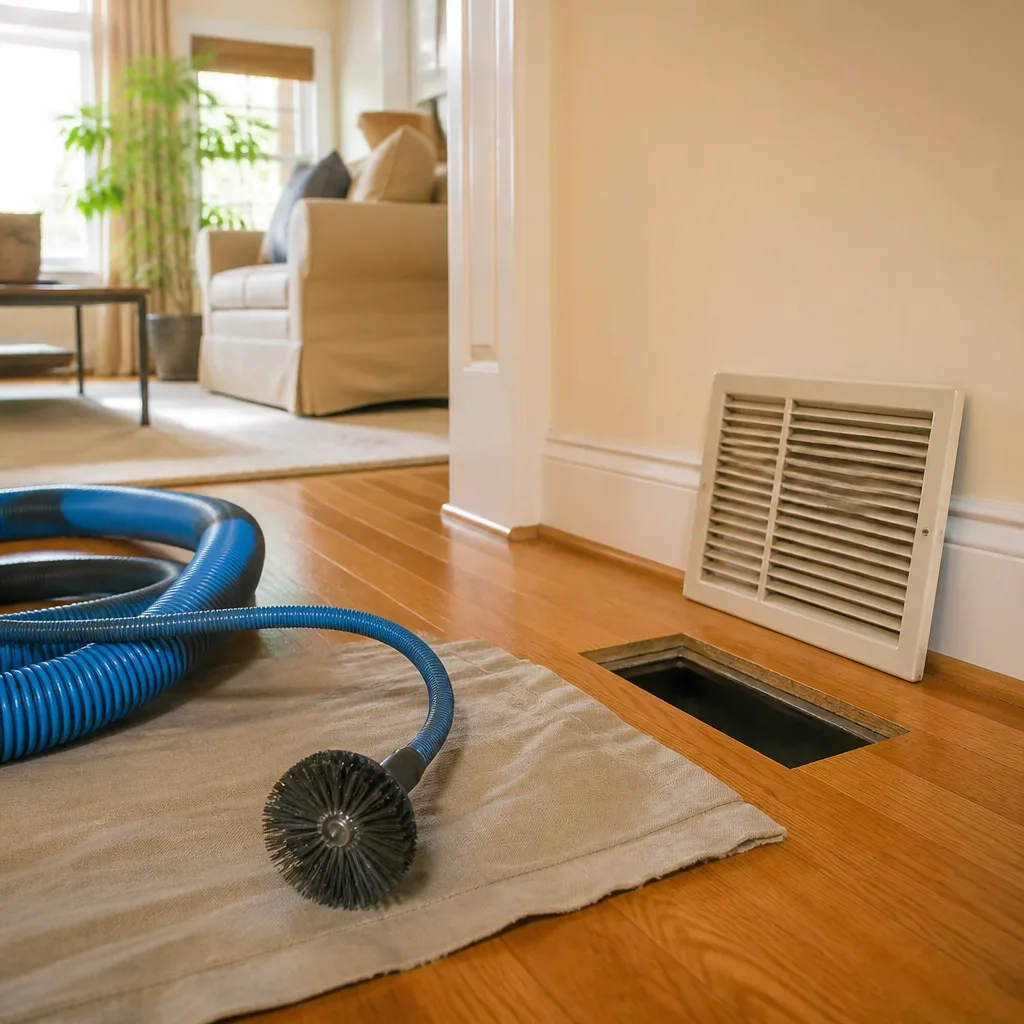
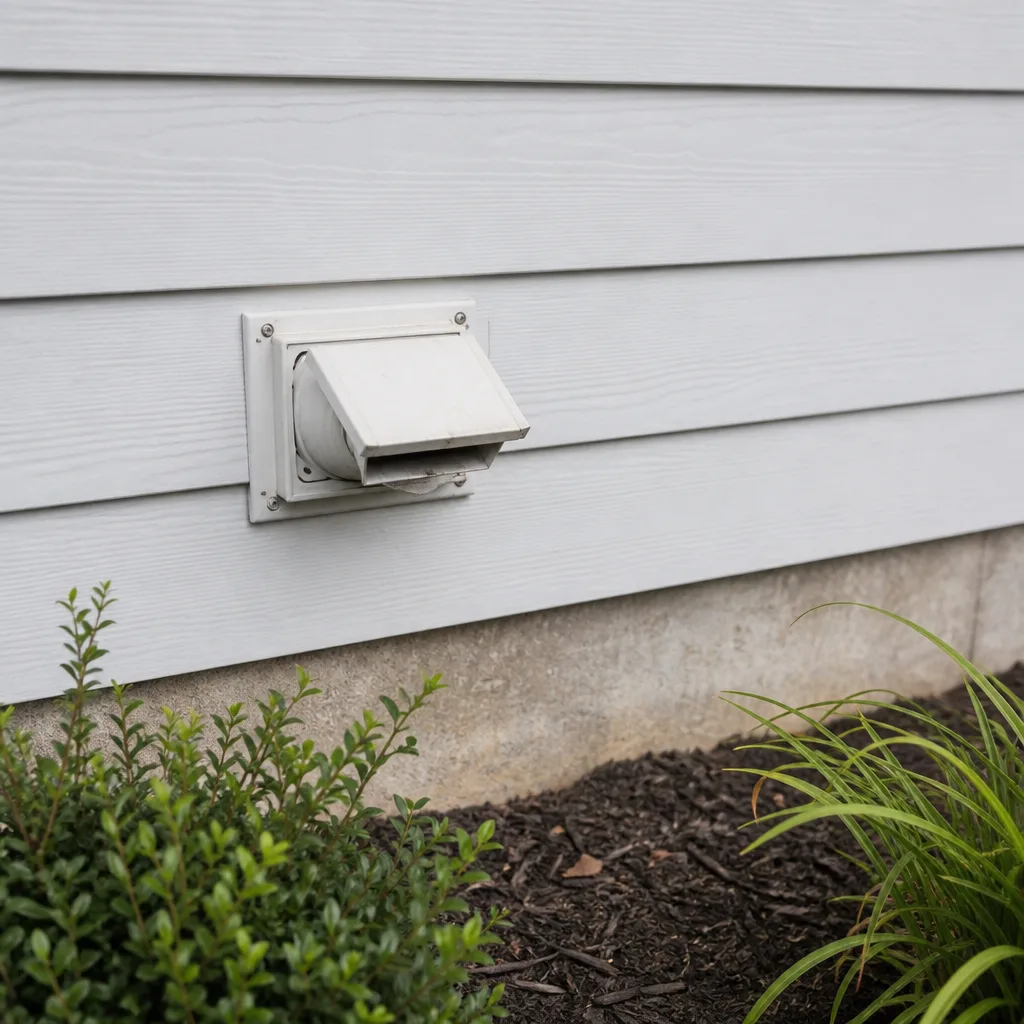
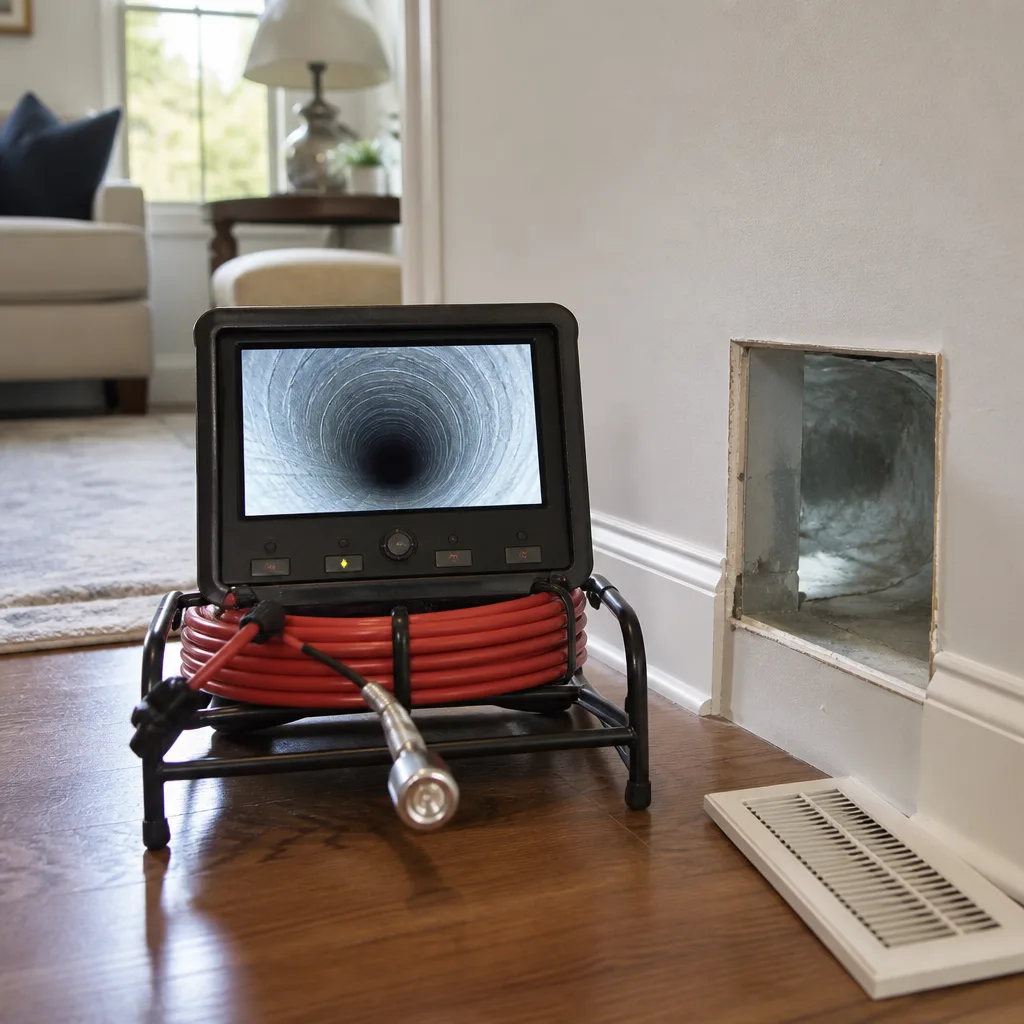
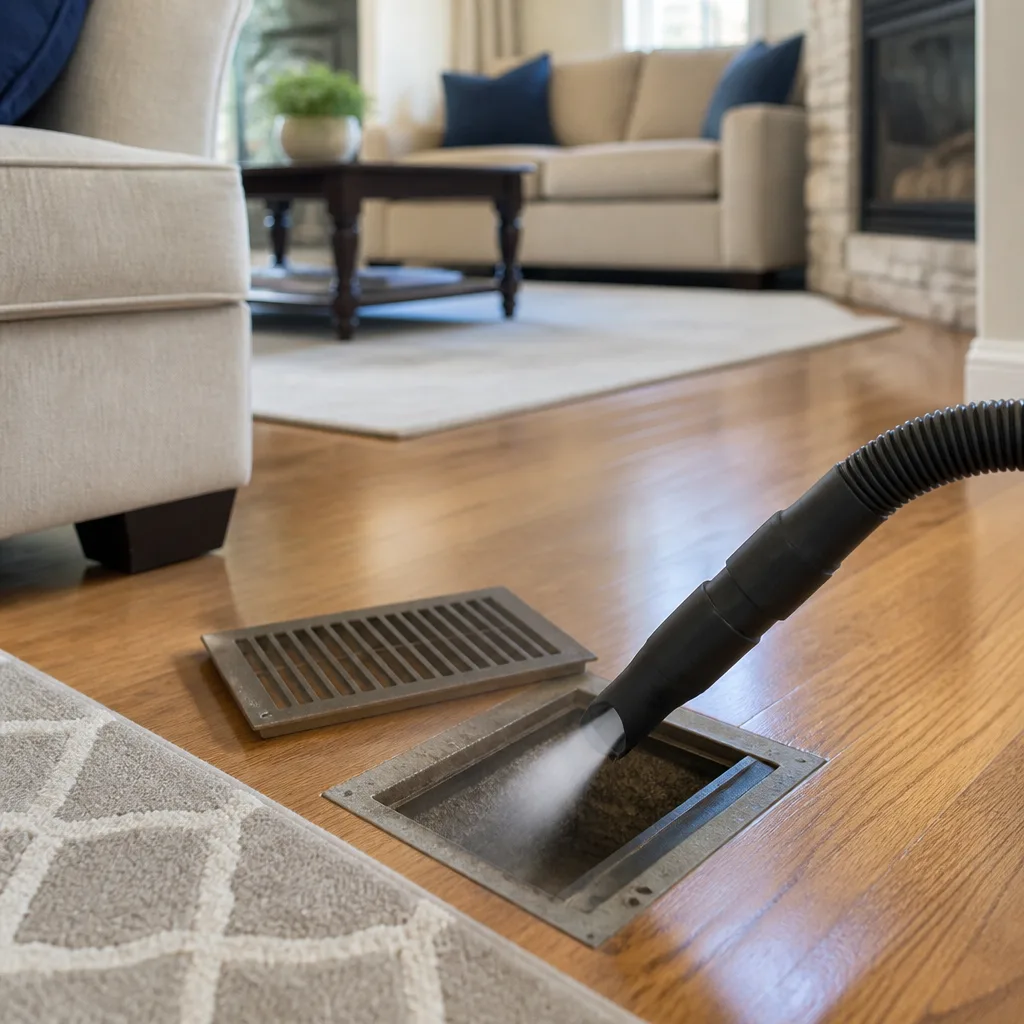
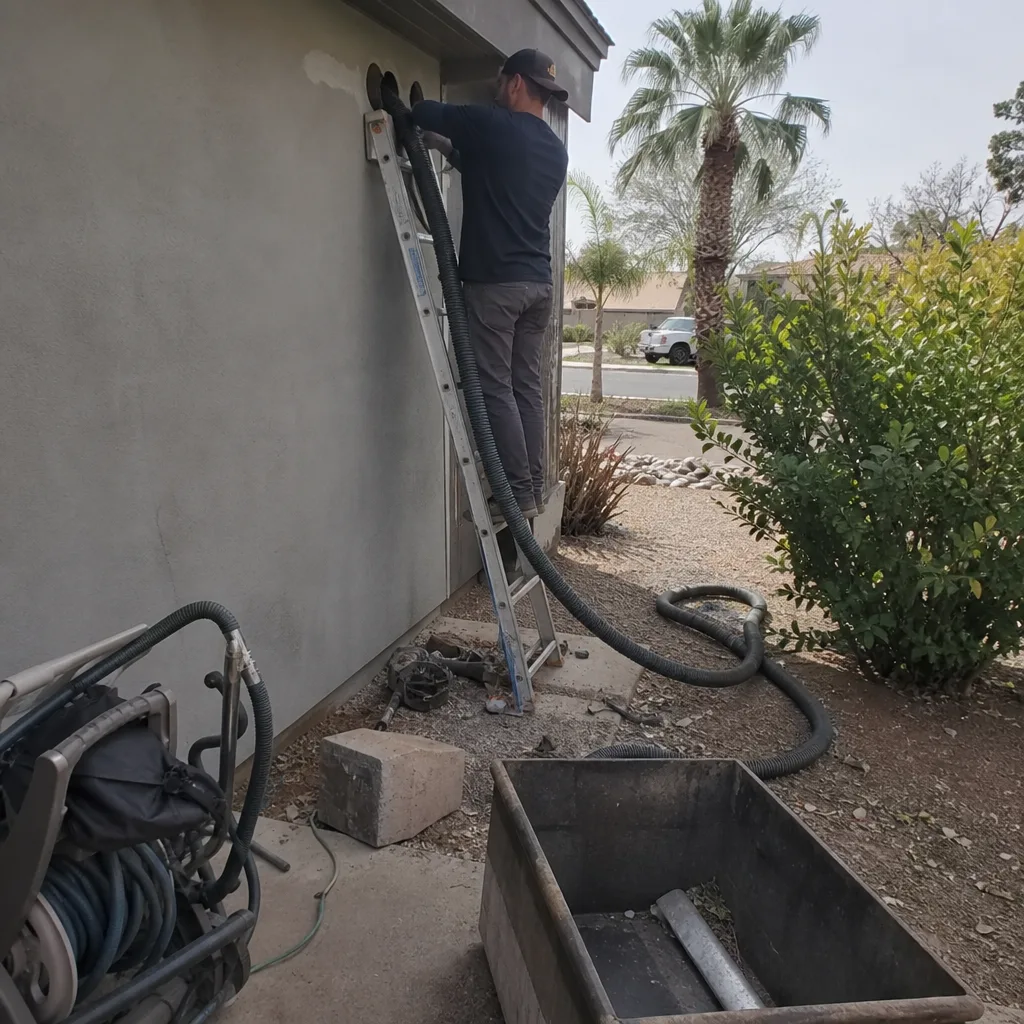 Before
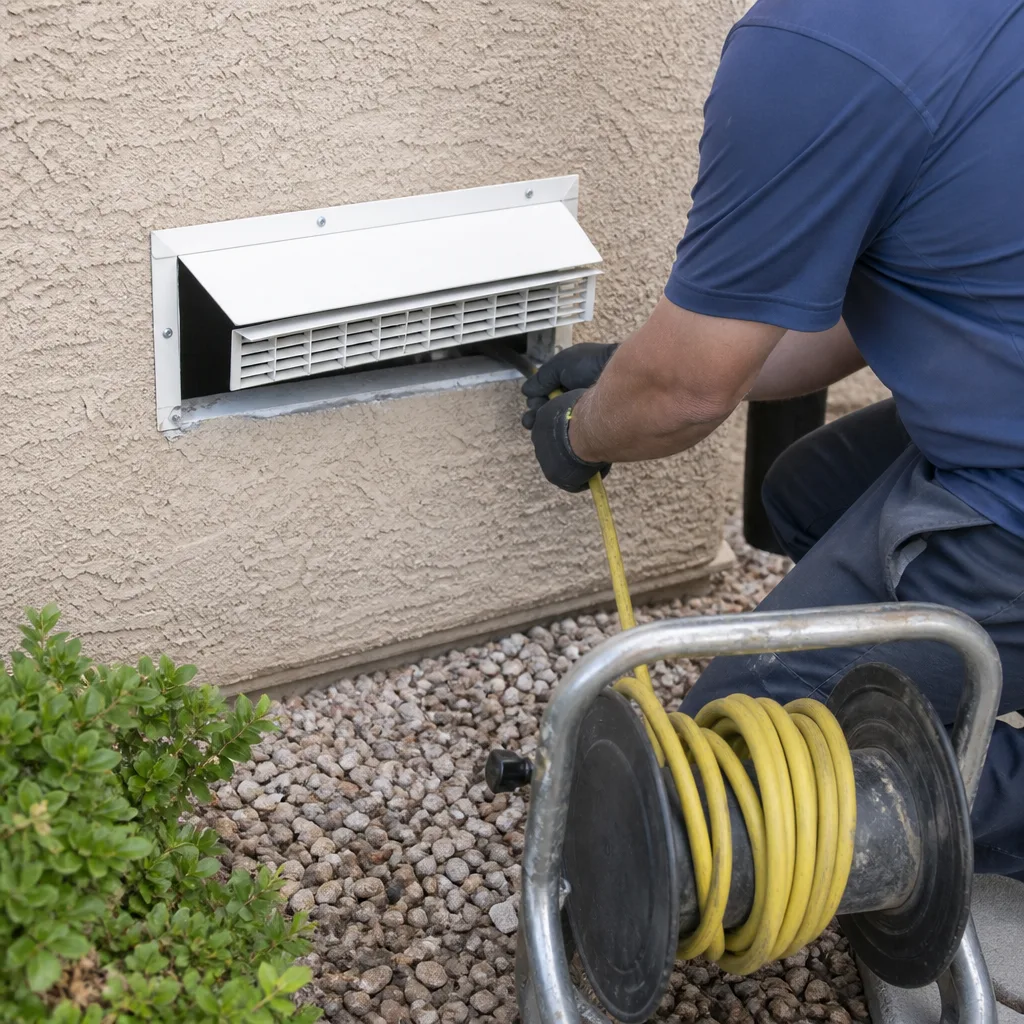 After
After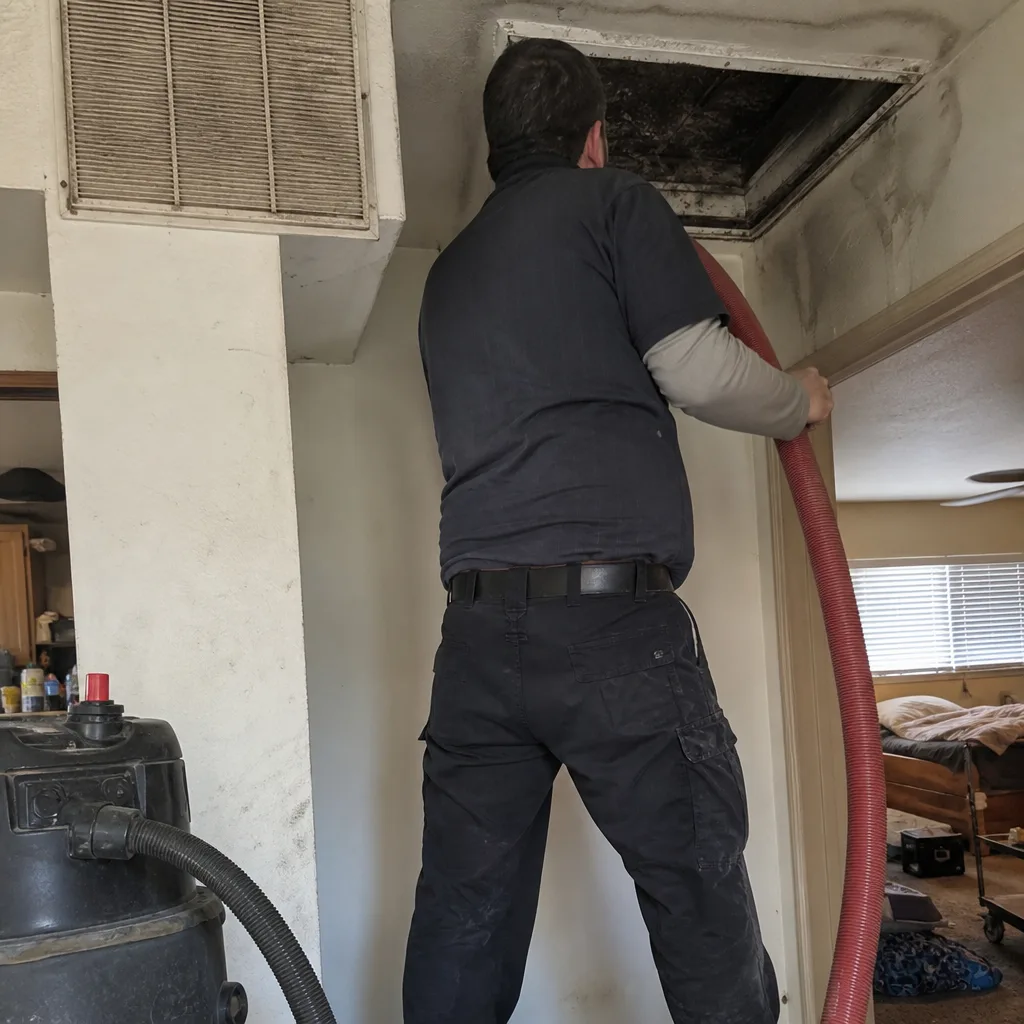 Before
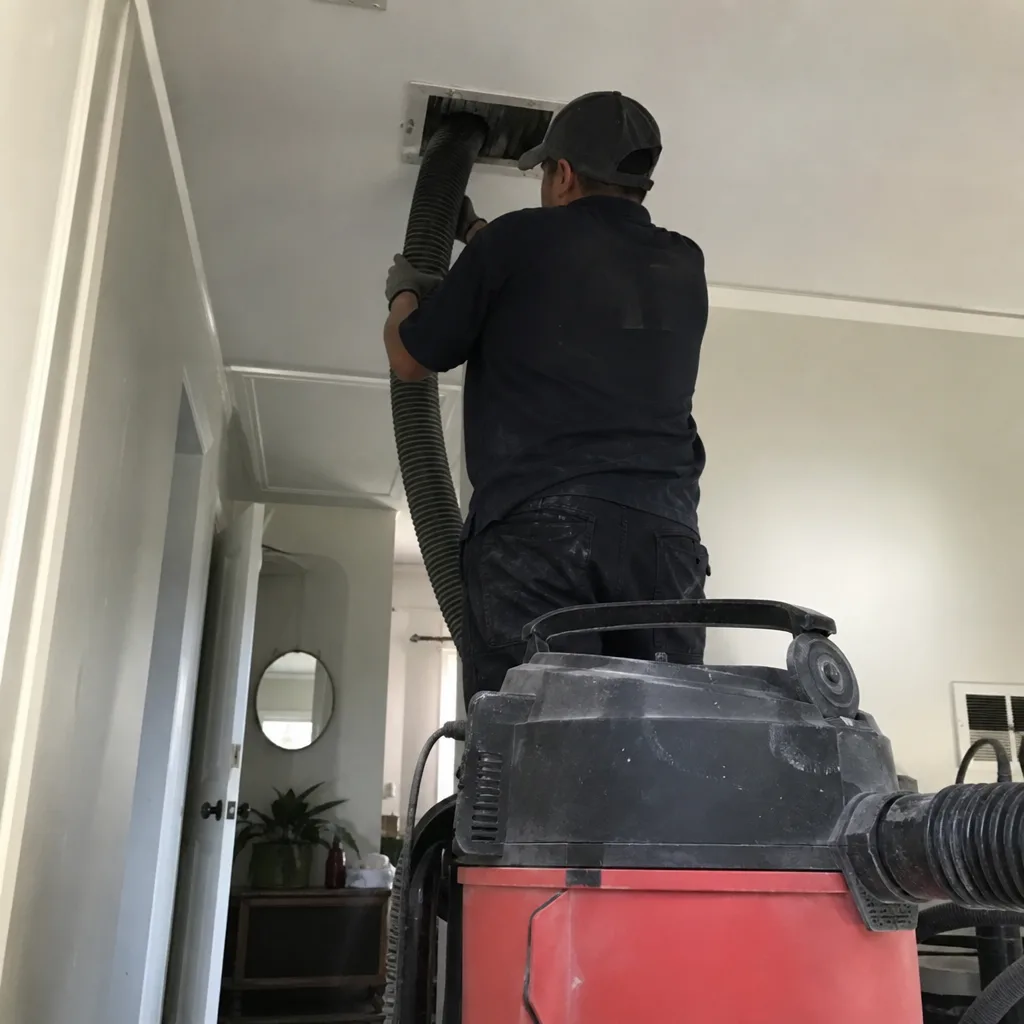 After
After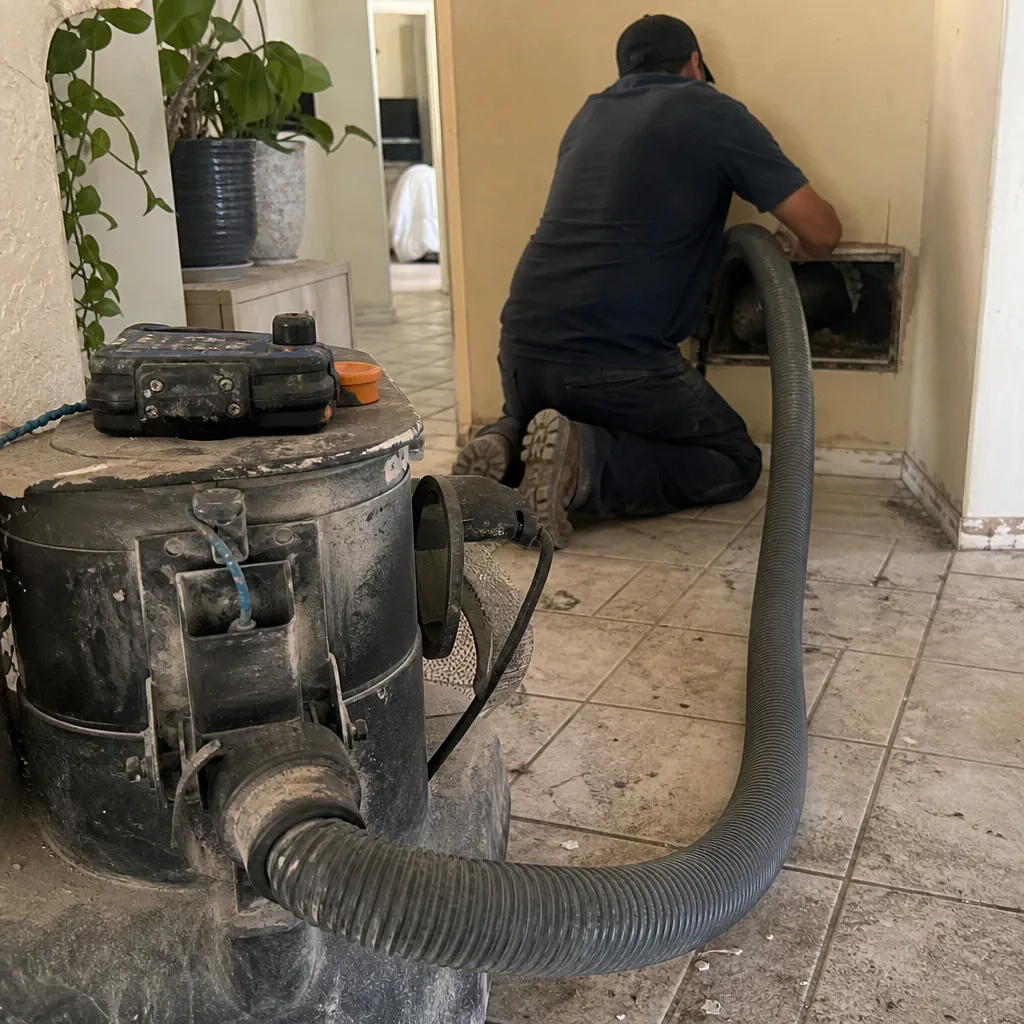 Before
 After
AfterAir Duct Cleaning Cost Breakdown: The Phoenix Homeowner’s Reference for 2026
A $79 duct cleaning quote and a $450 duct cleaning quote in Phoenix are not for the same service. They often do not even use the same equipment category. Yet no contractor advertising the low price will tell you that unprompted. This guide breaks down what each price tier actually buys, line by line, so you can evaluate quotes against deliverables rather than against each other. We have provided our Air Duct Cleaning services in Phoenix since 2013, and we have seen the same home quoted at $89 by one operator and $520 by another, both calling it “complete duct cleaning.” The difference is not markup. It is scope, equipment, and what you can hold in your hand when the crew leaves.
Quick Answer
In Phoenix, legitimate whole-home air duct cleaning for a typical 1,500-2,500 square foot home costs $280-$550 in 2026. The job should include negative-pressure extraction of all supply runs and return ducts, trunk line access, a written scope, and photographic documentation of every run before and after. Prices below $180 generally indicate limited scope, portable shop-vac equipment, or undisclosed add-ons.
Table of Contents
- Why Duct Cleaning Prices in Phoenix Vary So Widely
- Line-Item Cost Breakdown: What a Legitimate Phoenix Job Includes
- What the $79-$149 Coupon Tier Actually Includes
- What Drives Legitimate Price Variation
- How to Self-Verify Whether a Flat-Rate Quote Is Plausible
- Add-Ons with Documented Value vs. Margin Padding
- Choosing a Contractor: Red Flags and Green Lights
- How Phoenix Climate Affects Duct Cleaning Frequency and Cost
BeforeAfterWhy Duct Cleaning Prices in Phoenix Vary So Widely
The duct cleaning industry in Phoenix operates without standardized scope definitions. A “complete cleaning” means whatever the contractor decides it means. This is not hyperbole. We have reviewed competitor quotes for Phoenix homeowners in Arcadia, Ahwatukee, and North Central that used identical language, “full system duct cleaning,” yet one covered 8 supply runs and 2 returns, while the other covered 14 supplies, 3 returns, the trunk line, and the plenum.
The lack of standardization creates three distinct price tiers in the Phoenix market:
- Budget coupon tier ($79-$149): Typically limited to visible register cleaning and light vacuuming of accessible duct openings, using portable equipment brought inside the home.
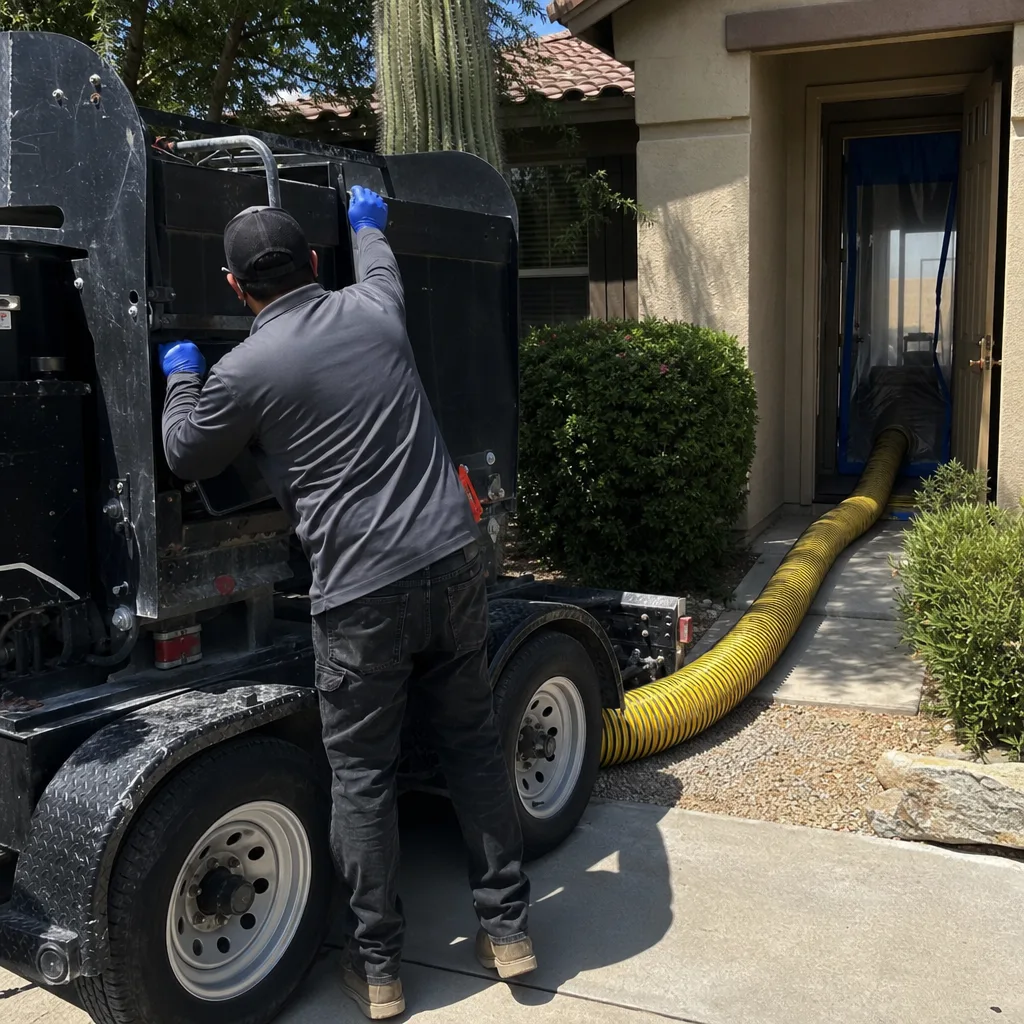
- Mid-market professional tier ($280-$550): Full negative-pressure extraction of all supply and return runs, trunk line cleaning, photo documentation, and written scope. This is where Air Duct Cleaning in Phoenix from established operators like CleanRun operates.
- Premium tier ($600-$900+): Includes everything in the mid-market tier plus duct repair, sealing, sanitizing, or specialized remediation for mold or pest intrusion.
Phoenix’s market dynamics intensify this spread. The metro’s rapid growth, 2015-2025 construction boom, and high turnover in suburban communities like Gilbert, Chandler, and Peoria mean many homeowners are first-time duct cleaning buyers with no baseline for comparison. Contractors know this. The $79 coupon exists because it works, not because it delivers a complete job.
Another Phoenix-specific factor: our hard water and caliche soil create mineral dust that accumulates differently than in humid climates. Dust here is fine, abrasive, and persistent. Equipment that suffices in Tampa or Seattle may leave Phoenix ductwork only partially cleaned. A Rotobrush or Nikro system with appropriate agitation and negative-pressure extraction costs more to operate per hour than a shop-vac with a brush attachment. That cost difference shows up in the quote.
Line-Item Cost Breakdown: What a Legitimate Phoenix Job Includes
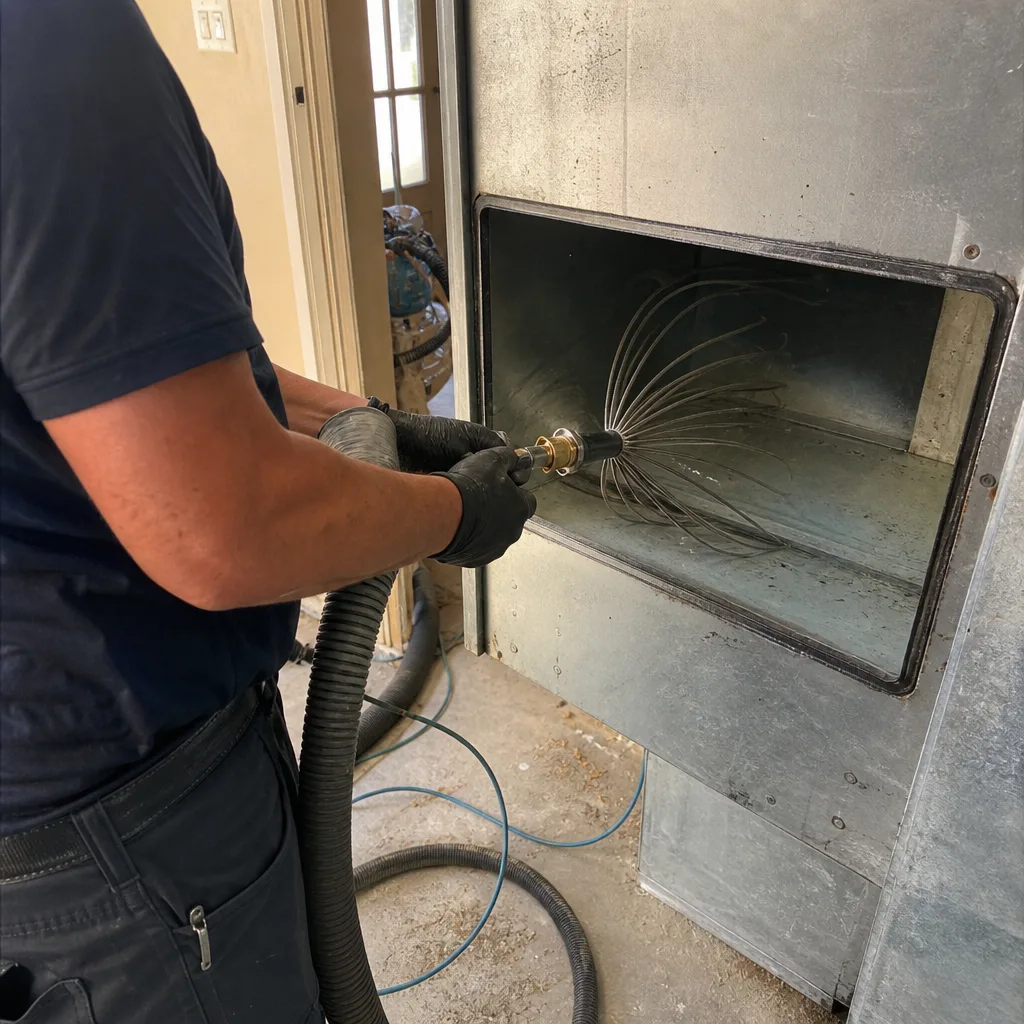
A legitimate whole-home duct cleaning in Phoenix should be quotable in writing with line-item transparency. Below is the cost structure we have used at CleanRun since 2013, adjusted for 2026 Phoenix market rates. These are real ranges, not teaser figures.
| Line Item | Typical 2026 Phoenix Range | What It Covers |
|---|---|---|
| Per supply duct run (8-15 runs typical) | $8-$15 per run | Negative-pressure extraction from register back to trunk, including agitation and debris removal |
| Per return duct run (2-4 runs typical) | $15-$25 per run | Larger diameter, higher debris load, requires separate equipment setup |
| Return plenum cleaning | $45-$75 | The sheet metal chamber where return air collects before the blower; often the dirtiest component |
| Supply trunk line access and cleaning | $60-$95 | Main distribution trunk, requires cutting access panels if none exist |
| Access panel installation (if needed) | $25-$40 per panel | Code-compliant removable panels for future service access |
| Sanitizer application (optional add-on) | $75-$125 | EPA-registered antimicrobial applied after mechanical cleaning; not a substitute for it |
| Photo documentation (standard deliverable) | Included in professional-tier pricing | Before-and-after images of every run, delivered as part of job record |
For a typical Phoenix home with 12 supply runs, 3 return runs, return plenum, and supply trunk, the math works to $280-$450 before optional sanitizer. Add sanitizer and you are at $355-$575. This is the honest middle of the Phoenix market in 2026.
We publish these ranges because Haven Standard Clause 1 requires written pricing before any work starts. Not estimates. Not “starting at.” The price you approve is the price on the invoice. Every one of the 52,000+ homes we have served since 2013 received this in writing before a panel came off.
What you should receive in hand when the crew leaves: a written scope of work, the agreed price with no additions, and a Documented Photo Record showing the interior of every duct run before and after. If a contractor cannot produce these three items, you do not have a documented job. You have a service visit.
What the $79-$149 Coupon Tier Actually Includes
The $79 duct cleaning coupon is a fixture of Phoenix mailers, door hangers, and social media ads. It is also a different service category than professional duct cleaning. Understanding what it actually delivers protects you from the bait-and-switch that follows.
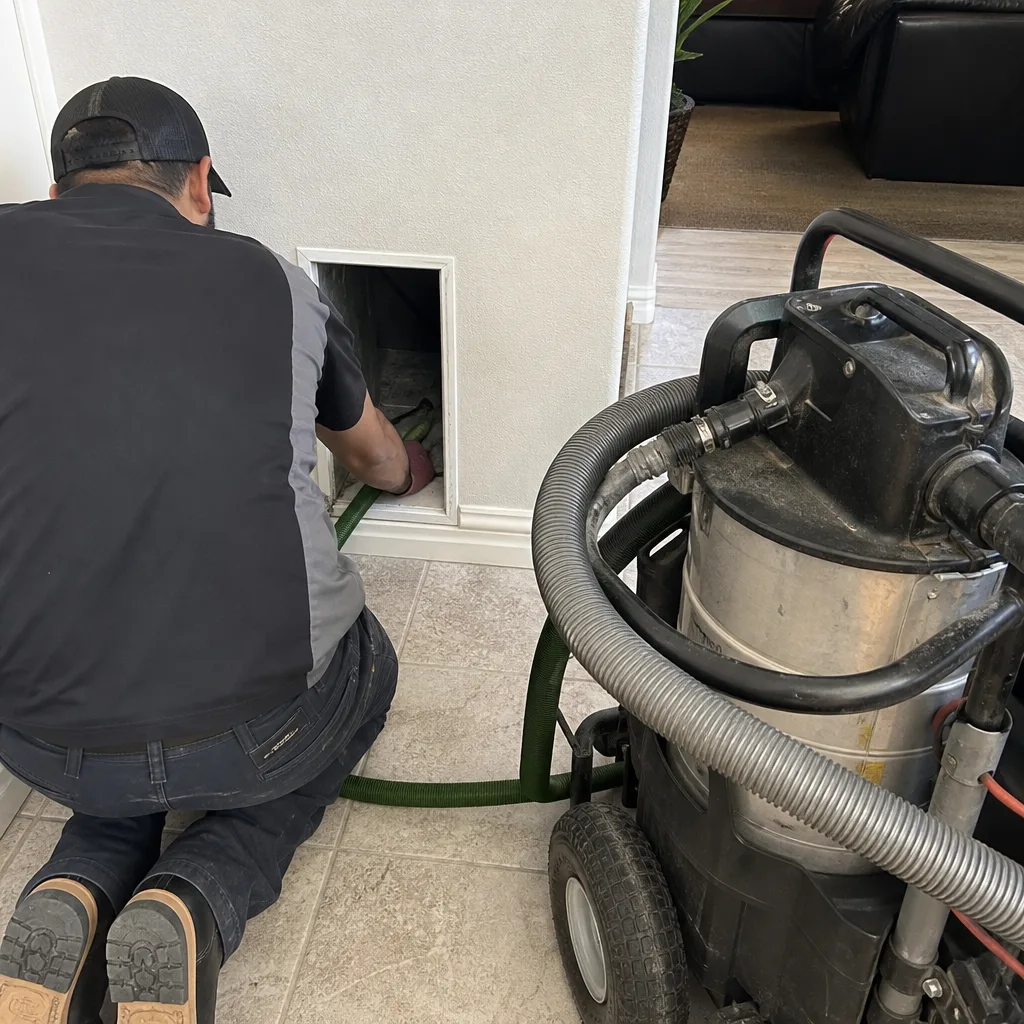
Typical equipment: Portable shop-vac units, often consumer-grade Ridgid or similar, carried into the home on a dolly. These units generate insufficient negative pressure to extract debris from deep in a duct run. The vacuum head may reach 3-6 feet past the register. In a typical Phoenix ranch with 20-foot duct runs, that leaves 70% of the system untouched.
Typical time on site: 30-60 minutes. A legitimate negative-pressure extraction of 12-15 runs, with trunk and plenum access, requires 2.5-4 hours for a two-person crew. The math does not work otherwise.
What is not included:
- Trunk line cleaning. The main distribution channels, where the heaviest debris accumulates, are not accessed.
- Return-side cleaning. Returns are larger, harder to access, and more labor-intensive. They are routinely excluded from coupon scopes.
- Photo documentation. No before-and-after images exist because there is nothing to show. The debris remains.
- Written scope with line-item pricing. The $79 is a flat rate with undefined coverage, leaving room for upsells once the technician is inside.
The business model depends on the upsell. The technician arrives, inspects the system, and reports that the $79 covers “basic cleaning” while the actual condition requires “deep cleaning” at $300-$500 more. This is not a rare occurrence in Phoenix. We have reviewed hundreds of these invoices for homeowners seeking our Free Second Opinion. The pattern is consistent.
One Phoenix homeowner in the Deer Valley area showed us a $89 coupon that became a $487 invoice. The additional charges: $149 for “return system cleaning,” $95 for “sanitizer,” and $154 for “HEPA filtration upgrade.” None of these were disclosed before the crew arrived. The homeowner had no written scope to dispute the additions.
This is why we do not offer coupons. A written price, agreed before work starts, eliminates the conditions for upselling. Haven Standard Clause 1 exists precisely because this industry behavior is predictable.
What Drives Legitimate Price Variation
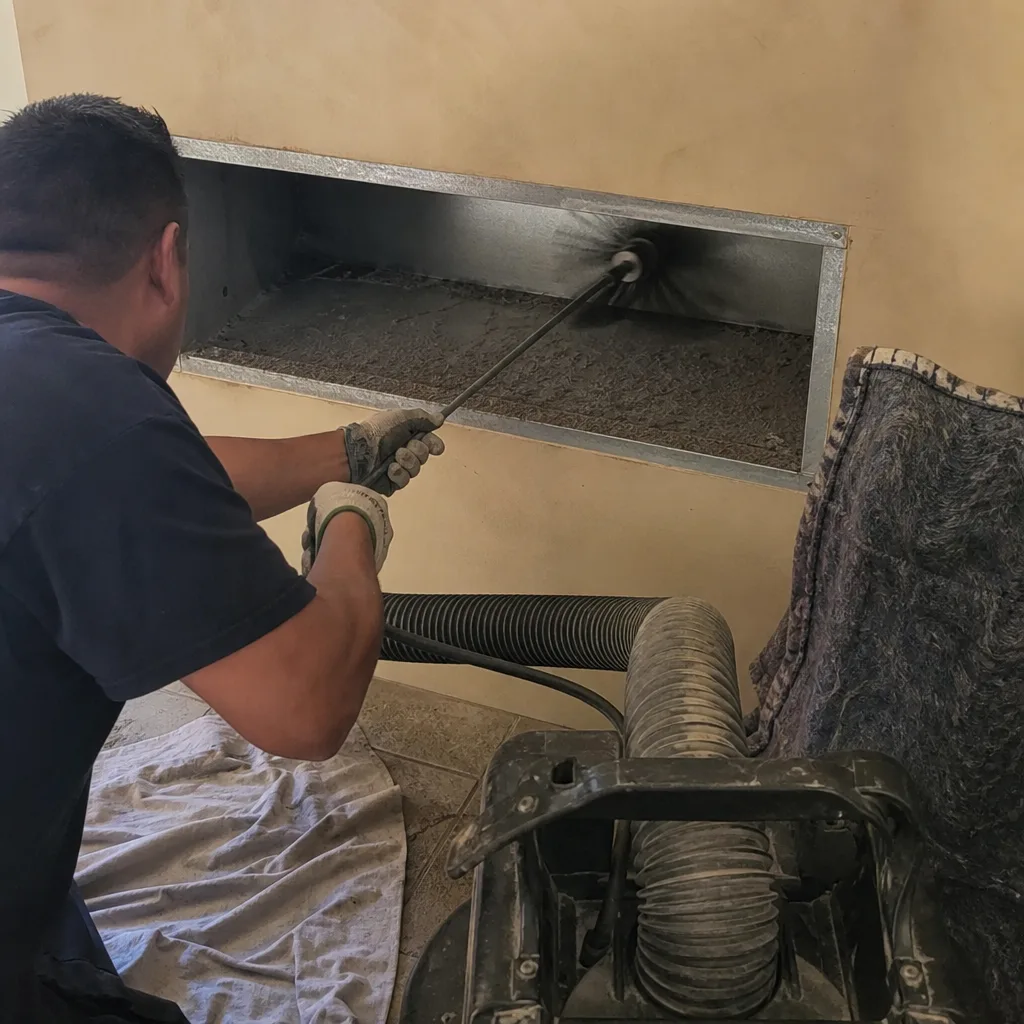
Even among legitimate operators, quotes for the same home can vary by $150-$300. These differences are usually explainable. Here is what actually moves the number in Phoenix.
Home age and duct run count. Pre-1990 Phoenix homes, common in Encanto, Coronado, and parts of Maryvale, often have 16-22 supply runs with individual flex duct drops. Post-2000 builds in Desert Ridge or Verrado typically have 10-14 runs with more efficient trunk design. More runs means more labor, more equipment time, and a higher total.
System type: single vs. dual-zone. A dual-zone system with separate dampers and two air handlers, increasingly common in 2015-2025 Phoenix construction, has twice the return plenums and often twice the trunk access points. Cleaning both zones properly adds 45-90 minutes and $80-$150 to the job.
Duct material. Phoenix homes use three primary duct types, each with different cleaning requirements:
- Sheet metal: Durable, smooth interior, easiest to clean thoroughly. Standard pricing applies.
- Flex duct (insulated flexible duct): Common in attics throughout Phoenix. The ribbed interior traps debris; aggressive agitation can damage the liner. Requires lower-pressure equipment and more time. May add 10-15% to labor.
- Duct board (fiberglass board): Found in many 1980s-1990s Phoenix builds. The porous surface can hold debris and, if disturbed improperly, release fiberglass particles. Requires specialized HEPA containment and slower work. Adds 15-25% to typical pricing.
Access difficulty. Ductwork in a Phoenix attic in July is a different working environment than a crawl space in January. Attic temperatures exceed 140°F; crews work in shorter rotations with hydration breaks. Tight truss spacing, blown-in insulation, or ductwork buried under storage in a garage all add time. A job quoted at $320 in February may reasonably be $380 in August for the same home, though we do not adjust seasonally at CleanRun.
Prior maintenance history. A system cleaned 2-3 years ago with documented records requires less agitation time than one never cleaned since installation in 2005. The 2005 system may have compacted debris, partial blockages at elbows, or pest intrusion requiring additional access. We price for what we find, but we disclose the range before starting, not after.
How to Self-Verify Whether a Flat-Rate Quote Is Plausible
Flat-rate pricing is common and legitimate when the scope is defined. But a flat rate without a duct count is unverifiable. Here is how to check any quote against your actual system.
Step 1: Count your supply registers. Walk through your home and count every vent that blows conditioned air. Include bathrooms, closets, and the laundry room. A 2,000 square foot Phoenix home typically has 10-16 supply runs. Newer builds trend lower; older homes and two-story designs trend higher.
Step 2: Count your return registers. These are larger, usually on walls or in ceilings, and pull air back to the system. Most Phoenix homes have 2-4 returns. Dual-zone systems may have 4-6.
Step 3: Apply the per-run math. Multiply your supply count by $10-$14 (a conservative mid-market range). Multiply your return count by $18-$22. Add $60-$80 for trunk line and plenum access. The total should land near your flat-rate quote. If a $199 flat rate covers 14 supplies, 3 returns, trunk, and plenum, the math does not work. Something is excluded, or the equipment is inadequate.
Step 4: Ask what “complete” means in writing. A legitimate contractor can list: number of supply runs, number of return runs, trunk line yes/no, plenum yes/no, photo documentation yes/no, sanitizer included or separate line item. If the answer is “we’ll clean everything,” without specifics, you have no basis to verify delivery.
We provide this count on every CleanRun quote. A typical Phoenix home in the Biltmore area, 2,300 square feet, 12 supplies, 3 returns, sheet metal trunk, single zone: our written price is $385, with sanitizer as a $95 add-on if requested. The homeowner can verify the count against their own registers before approving.
Add-Ons with Documented Value vs. Margin Padding
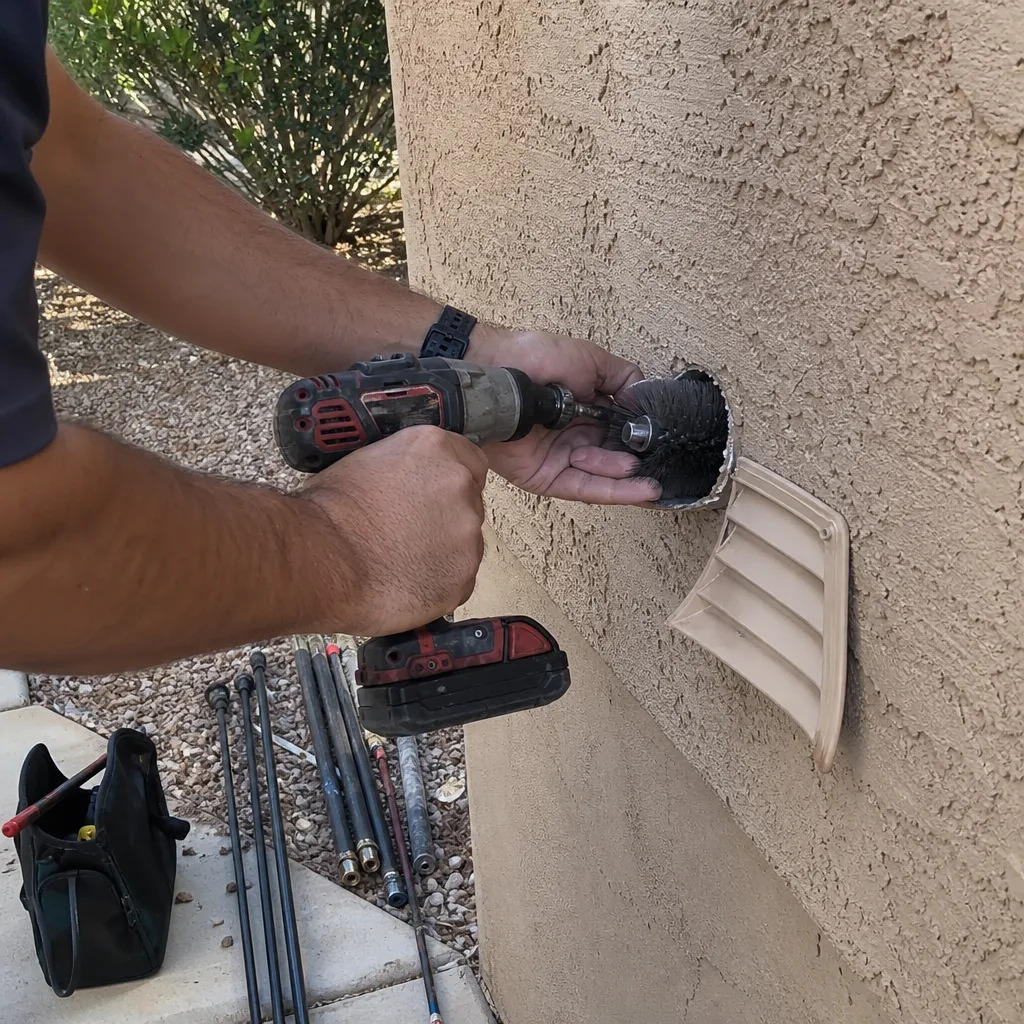
The duct cleaning upsell is an industry art form. Some add-ons are legitimate services with verifiable outcomes. Others exist to inflate invoices. Here is how to distinguish them in the Phoenix market.
Legitimate add-ons with documented value:
- Mold treatment after confirmed positive test. Not “mold treatment” offered visually. A laboratory or EPA-recognized field test confirming microbial growth above baseline, followed by application of an EPA-registered antimicrobial. Cost: $150-$400 depending on extent. We use Abatement Technologies protocols when this is indicated.
- Duct sealing (aeroseal or mastic). Documented leakage reduction, measurable with a duct blaster test before and after. Particularly valuable in older Phoenix homes with sheet metal joints that have separated. Cost: $800-$2,000 for whole-home aeroseal, less for spot mastic.
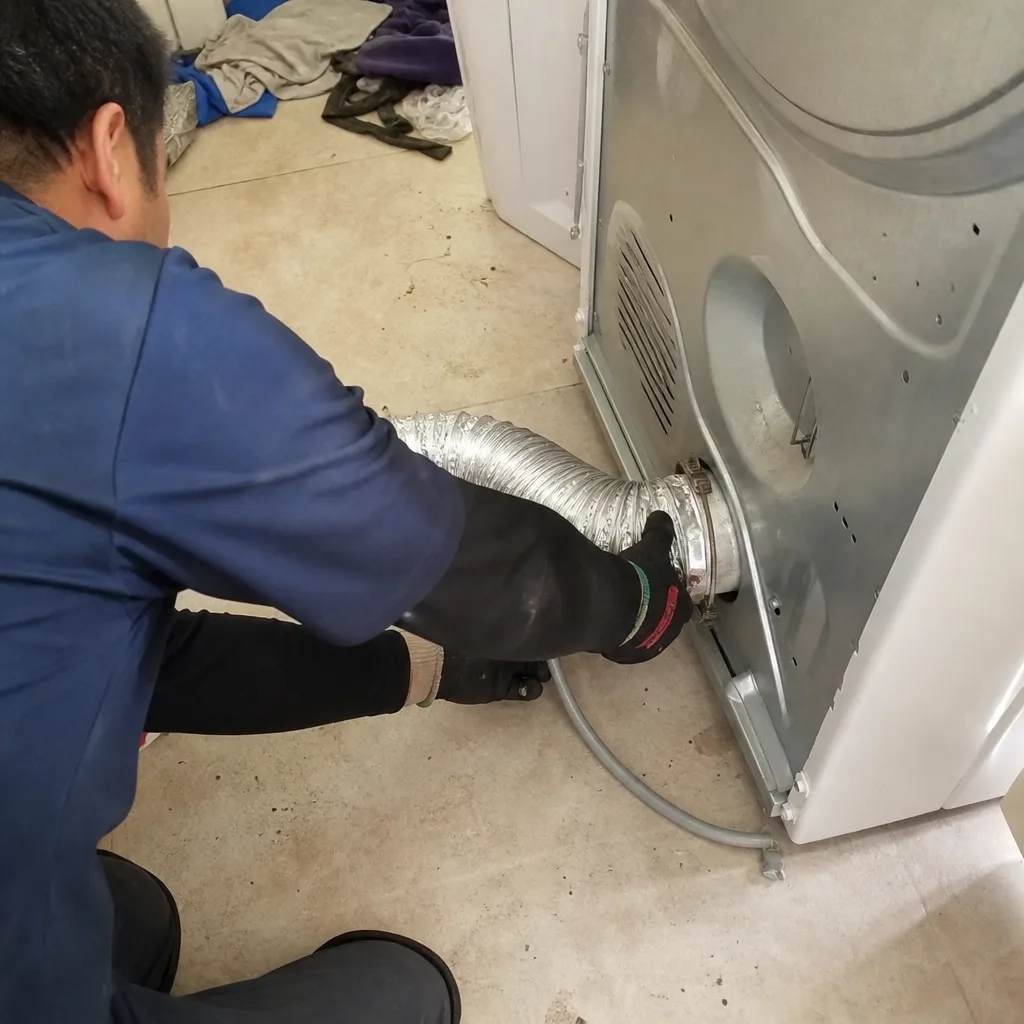
- Dryer vent cleaning. A separate service with distinct fire-safety value. Lint accumulation is the leading cause of residential dryer fires per Phoenix Fire Department data. Cost: $85-$150 as standalone, often discounted when bundled with duct cleaning. See our Dryer Vent Cleaning in Phoenix page for scope details.
- Filter upgrade to MERV 13+. Only if your system can handle the static pressure. A legitimate contractor checks the blower specs before recommending this. Honeywell and Aprilaire make filters we specify when the system supports them.
Margin padding to question:
- UV light installation bundled into a cleaning quote. UV-C lights have specific applications: coil sterilization in high-humidity environments, primarily. Phoenix is not high-humidity. The value proposition is weak, and bundling it into a “cleaning package” obscures the actual cost. If offered, ask for independent studies on effectiveness in desert climates. We do not bundle UV lights.
- “Deep cleaning” or “rotary brush cleaning” as a surcharge. Rotary brushing is standard equipment for professional duct cleaning, not an upgrade. A contractor using Rotobrush or Nikro equipment should include this in base pricing, not as a premium tier.
- Per-vent sanitizer charges. Sanitizer is applied to the entire cleaned system or not at all. Charging per vent suggests the sanitizer is being used as a profit center rather than a controlled application.
- “Lifetime” warranties on cleaning. Ducts get dirty again. A lifetime warranty on a cleaning service is unenforceable marketing language. Our 365-Day Done Right Promise covers workmanship: if the cleaning was incomplete, we return. It does not promise your ducts will stay clean indefinitely.
The test for any add-on: can the contractor show you a written specification, manufacturer documentation, or a before-and-after measurement? At CleanRun, we provide manufacturer specs for any Honeywell, Aprilaire, or Guardsman product we install. No specification, no sale.
Choosing a Contractor: Red Flags and Green Lights
Phoenix has no shortage of duct cleaning operators. The difference between a documented job and an expensive disappointment comes down to verifiable practices, not claims.
Green lights:
- Written price before work starts, every time. Not a range. Not “we’ll see when we get there.” A specific dollar amount for a specific scope. Haven Standard Clause 1.
- Published license number, verifiable with the Arizona Registrar of Contractors. CleanRun’s license is published on every page, not buried in a footer. You can look it up tonight.
- Background-checked, uniformed technicians identified by name before arrival. Haven Standard Clause 3: Verified Crews. You know who is entering your home before they knock.
- Photo documentation as a standard deliverable, not an upgrade. Every duct run, before and after, in your possession when the truck leaves. We have held this practice since our first job in 2013.
- Equipment you can research independently. Rotobrush, Nikro, Abatement Technologies, Honeywell, Aprilaire, Guardsman. These are not proprietary brands. Look them up. Verify what professional-grade means.
- A guarantee in writing, not in conversation. The 365-Day Done Right Promise: if the work is not right, we make it right. Backed in writing on every job, not subject to manager discretion.
Red flags:
- Phone quotes without system information. A legitimate contractor needs duct count, system type, and access conditions to price accurately. Anyone quoting $99 over the phone is selling a visit, not a scope.
- Pressure to decide immediately. “Today’s special” pricing, limited-time discounts, or technician-authored discounts are sales tactics, not service standards. We do not use them.
- No physical address or local presence. Many low-price operators are dispatch services routing calls to rotating subcontractors. Check whether the company has a verifiable Phoenix location.
- Refusal to provide written scope. If a contractor will not put the coverage in writing before starting, they cannot be held to it.
- Payment required before inspection. Standard practice is approval after scope review, payment after completion. Demanding payment upfront removes your leverage if the work is incomplete.
Our CleanRun Air Duct Cleaning Phoenix home page lists our full credentials, equipment roster, and the complete H.A.V.E.N. Standard. We publish this because our customer researches before calling. If you are reading this guide, you are that customer.
How Phoenix Climate Affects Duct Cleaning Frequency and Cost
Phoenix’s desert climate creates specific conditions that influence both how often ducts need cleaning and what the job requires.
Dust composition and volume. Our particulate matter is fine, mineral-based, and abrasive. Caliche dust, construction debris from ongoing development, and seasonal agricultural dust from surrounding counties all enter home systems. Unlike organic pollen in humid climates, this dust does not degrade or compact uniformly. It layers, particularly at duct elbows and in return plenums where air velocity drops. A Phoenix return plenum after three years often shows 1-3 inches of settled dust, visibly distinct from the lighter accumulation we see in coastal markets.
Monsoon season impact. July through September brings humidity spikes to 40-60% and wind-driven dust. Systems running during monsoons pull in more particulate, and brief humidity increases can cause dust to adhere to duct interiors where it previously slid past. Post-monsoon cleaning requests spike every October. The debris is often more adhered, requiring more agitation time.
Temperature extremes and system runtime. Phoenix systems run 2,500-3,500 hours annually, among the highest in the nation. More runtime means more air volume passing through ducts, more filter loading, and more bypass of fine particles when filters are overdue for change. Homes with pets or recent construction see accelerated accumulation.
Recommended frequency for Phoenix: Every 3-5 years for typical residential systems, every 2-3 years for homes with multiple pets, recent renovation, or occupants with respiratory sensitivity. New construction homes in developing areas like Queen Creek or Laveen should be cleaned within 18 months of occupancy; construction debris in ducts is universal, not exceptional.
These factors do not change the per-run pricing structure, but they affect total cost over ownership. A Phoenix homeowner who cleans every 4 years at $400 spends $100/year on duct maintenance. The homeowner who accepts a $89 coupon every 2 years, then pays $300 for the upsell, spends $195/year for inferior documentation and incomplete cleaning.
Common Mistakes to Avoid
- Comparing quotes without comparing scopes. A $199 quote and a $420 quote are not comparable until you know the duct count, trunk inclusion, and documentation delivered. Ask for the line items.
- Assuming new homes are clean. Construction debris, drywall dust, and wood particulate are standard in new Phoenix builds. We have photographed 2-inch debris piles in 2024 construction in Verrado and Estrella.
- Ignoring the return side. Returns are larger, harder to access, and often dirtier than supplies. A quote covering only supplies cleans half your system by air volume.
- Accepting verbal promises. “We’ll take care of everything” is not a scope. Written documentation, including photo records, is your only recourse if delivery falls short.
- Booking based on coupon price alone. The $79 coupon is a customer acquisition cost, not a service price. The operator expects to recover margin through upsells or volume throughput. Your ducts pay the difference.
- Neglecting dryer vent cleaning. A clogged dryer vent is a fire hazard independent of duct condition. Bundle it with duct cleaning for efficiency, but do not skip it. Our Dryer Vent Cleaning in Phoenix service addresses this separately.
- Waiting for visible dust at registers. By the time dust exits registers, the system is heavily loaded. Proactive cleaning based on interval, not symptoms, prevents blower strain and efficiency loss.
When to Call a Professional
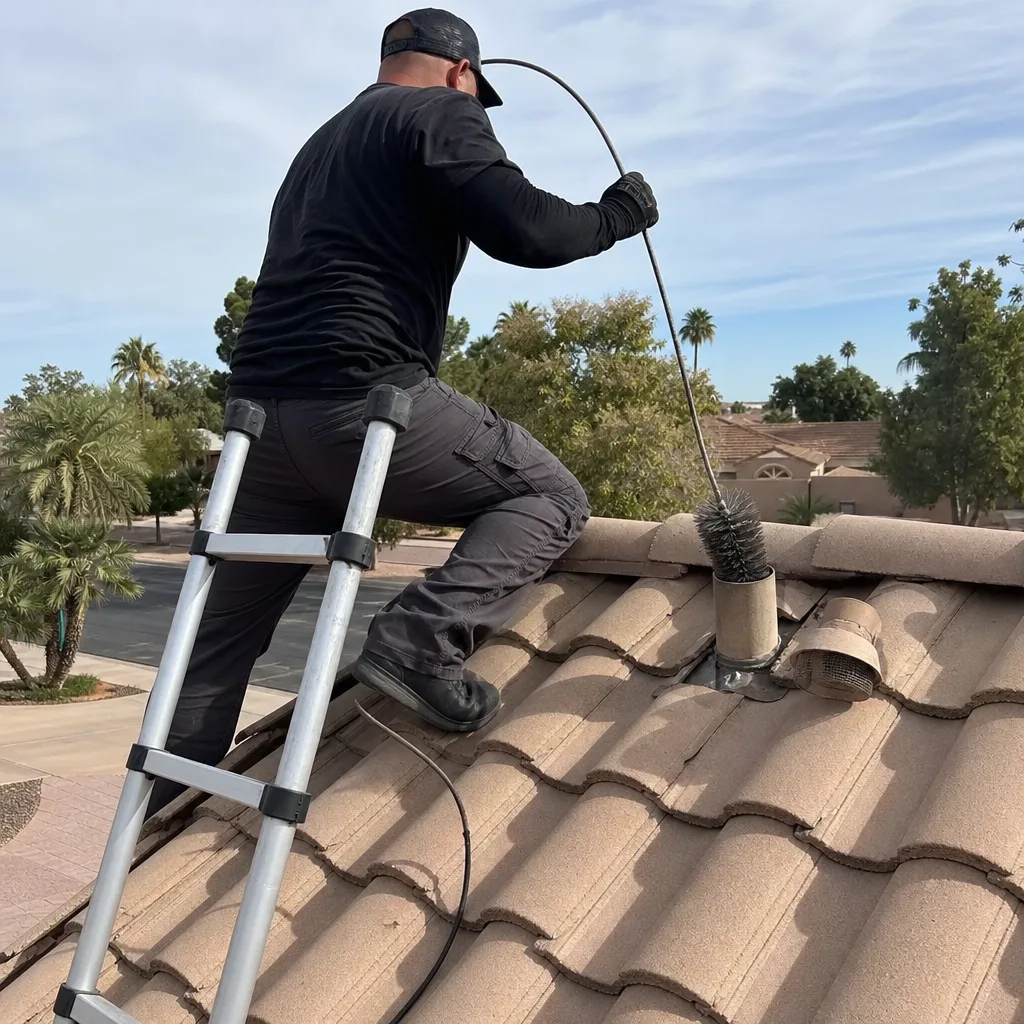
Call a professional when you cannot verify the condition of your ductwork yourself, when your system has not been cleaned in 4+ years, or when you notice reduced airflow, uneven cooling, or dust accumulation at registers despite regular filter changes; see more guides & resources for additional maintenance tips. After any renovation, pest intrusion, or water damage, professional inspection is warranted regardless of interval.
In Phoenix’s climate, proactive maintenance prevents the compounded costs of blower strain, coil fouling, and premature system replacement. A documented cleaning every 3-5 years is predictable expense. Emergency service calls are not.
CleanRun Air Duct Cleaning Phoenix offers free estimates in Phoenix. Every estimate includes a written scope, line-item pricing, and no obligation. Call (480) 500-6377 to schedule. We also provide HVAC Cleaning in Phoenix for coil, blower, and cabinet components not covered in standard duct cleaning.
Frequently Asked Questions
Legitimate whole-home duct cleaning in Phoenix costs $280-$550 for a typical 1,500-2,500 square foot home, depending on duct count, system type, and access conditions. Prices below $180 typically indicate limited scope, portable equipment, or undisclosed upsells. Call (480) 500-6377 for a written estimate with exact pricing for your system.
They are usually for different services. A $79-$149 quote typically covers register vacuuming with portable equipment for 30-60 minutes, excluding trunk lines, returns, and documentation. A $350-$500 quote covers full negative-pressure extraction of all runs, trunk and plenum access, and photographic documentation. The cheaper quote is not a discount. It is a different product with a similar name.
Demand a Documented Photo Record of every duct run, before and after, as a standard deliverable. At CleanRun, this has been included on every job since 2013. Without images, you have only the contractor’s word. With images, you have verifiable evidence of debris removal and system condition.
Every 3-5 years for typical homes, every 2-3 years for homes with pets, recent construction, or respiratory sensitivities. Phoenix’s high system runtime, fine mineral dust, and seasonal monsoon debris accelerate accumulation compared to milder climates. New construction should be cleaned within 18 months of occupancy.
Sanitizer is optional and situation-dependent. It is appropriate after confirmed microbial growth, in homes with persistent odor issues, or for occupants with specific health concerns. It is not a substitute for mechanical cleaning. We offer it as a separate line item, $75-$125, with EPA registration documentation available. We do not bundle it or present it as required.
Partially, and poorly. A homeowner with a shop-vac can clean register surfaces and a few feet of accessible duct. The trunk line, return plenum, and deep runs require negative-pressure equipment, proper agitation tools, and access panel installation that most homeowners do not have. More critically, disturbing compacted debris without proper containment can release fine particulate into living spaces. For anything beyond register wiping, professional service is the practical choice.
The Bottom Line
Duct cleaning prices in Phoenix range from $79 to $900 because the term “duct cleaning” has no standardized meaning. The price you pay should correspond to verifiable deliverables: a counted number of supply and return runs cleaned, trunk and plenum access, negative-pressure extraction with professional-grade equipment, and a Documented Photo Record delivered when the crew leaves. A written price, agreed before work starts, protects you from the upsell. Equipment you can research, technicians you can verify, and a guarantee in writing separate legitimate operators from coupon marketers. In Phoenix’s demanding climate, the cost of documented maintenance is modest compared to the cost of incomplete cleaning, system strain, and the frustration of discovering too late what your quote did not include.
Written by Tomas Reyes, Owner at CleanRun Air Duct Cleaning Phoenix, serving Phoenix since 2013.