
Last updated September 23, 2026
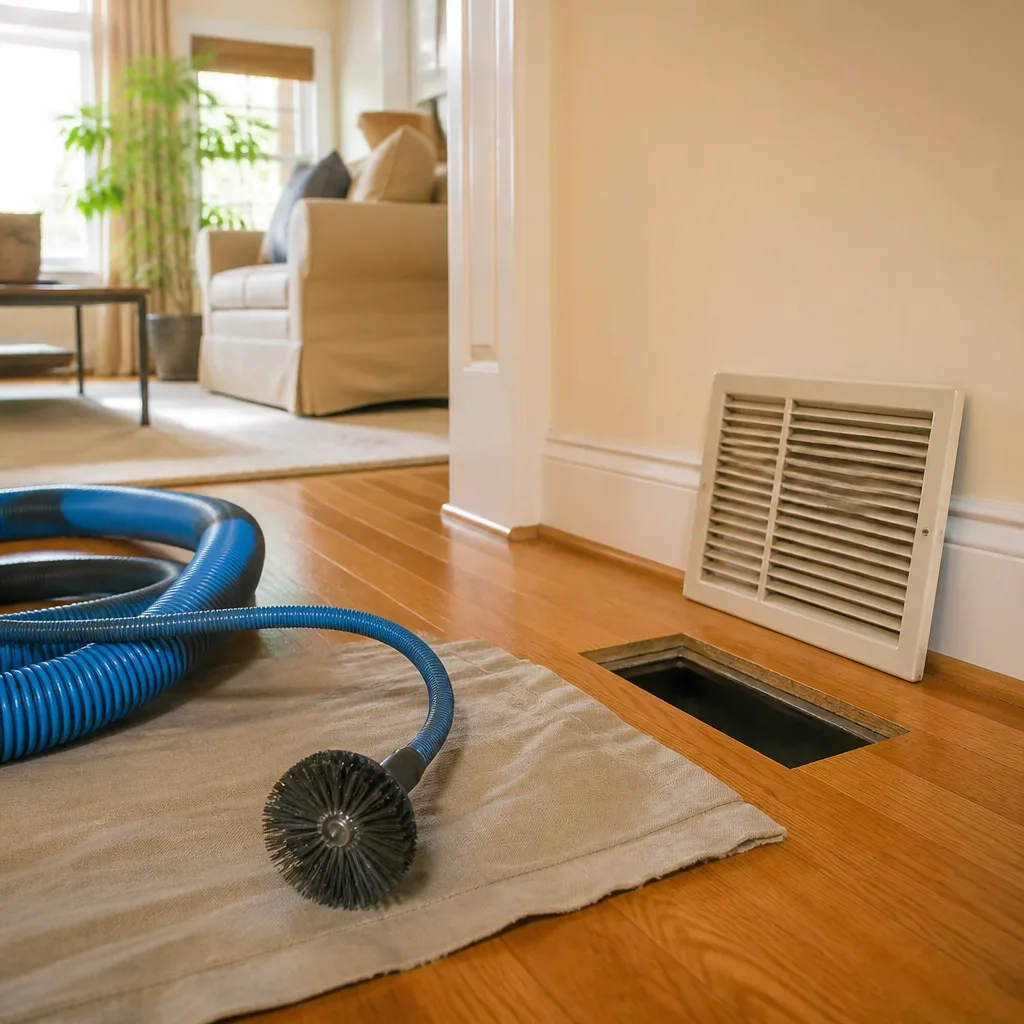
Whole-system duct and dryer vent check with before-and-after photos - you see exactly what came out of your vents
That "$99 whole-house special" is a bait ad - the real number appears once they are in your hallway, or the "clean" is a shop-vac at the register. We photograph the inside of your ducts before and after instead.
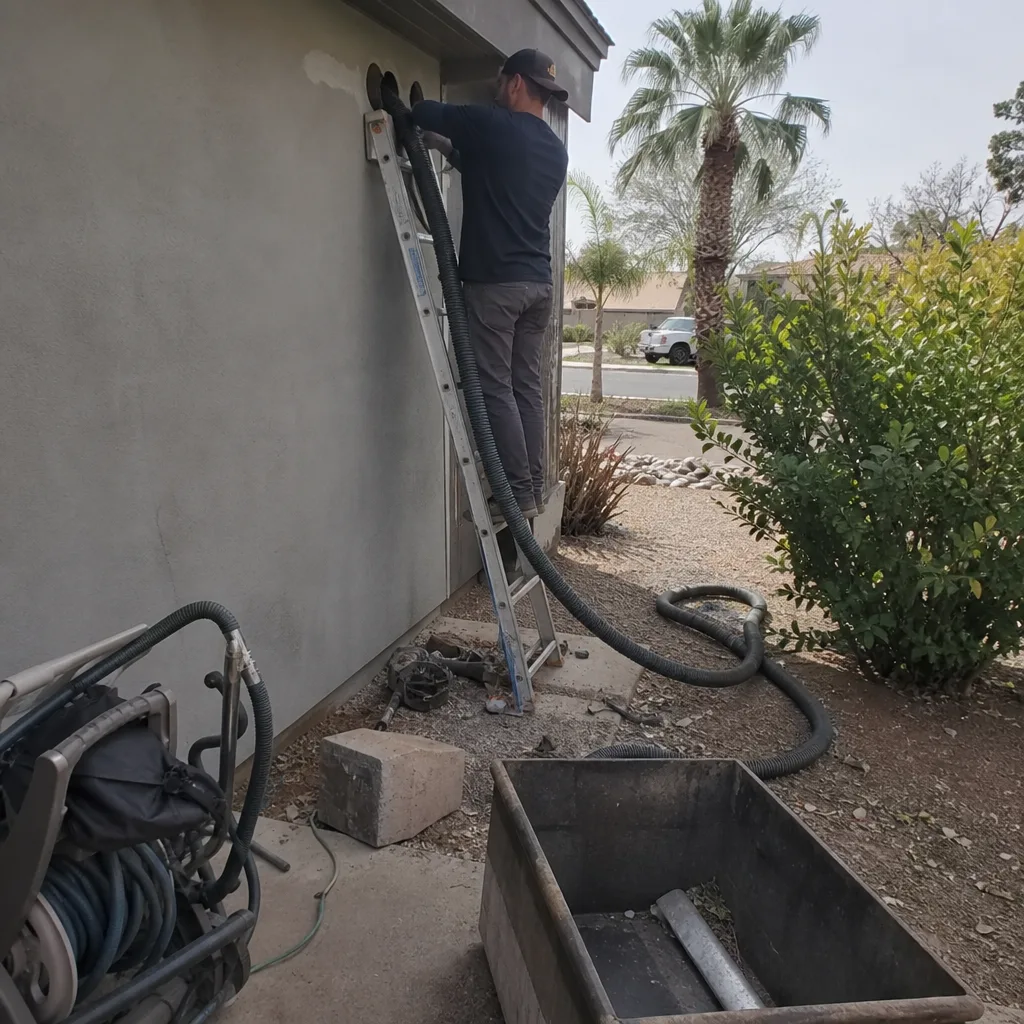 Before
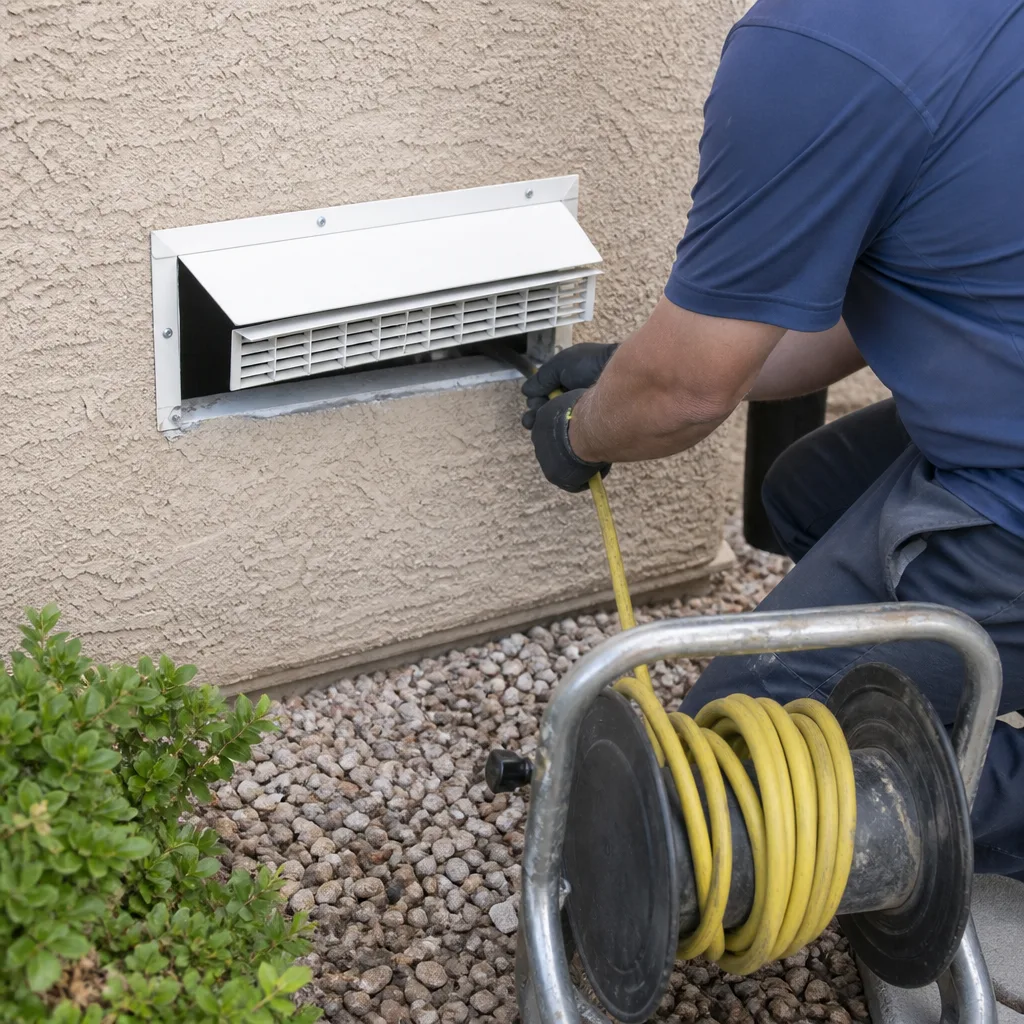 After
After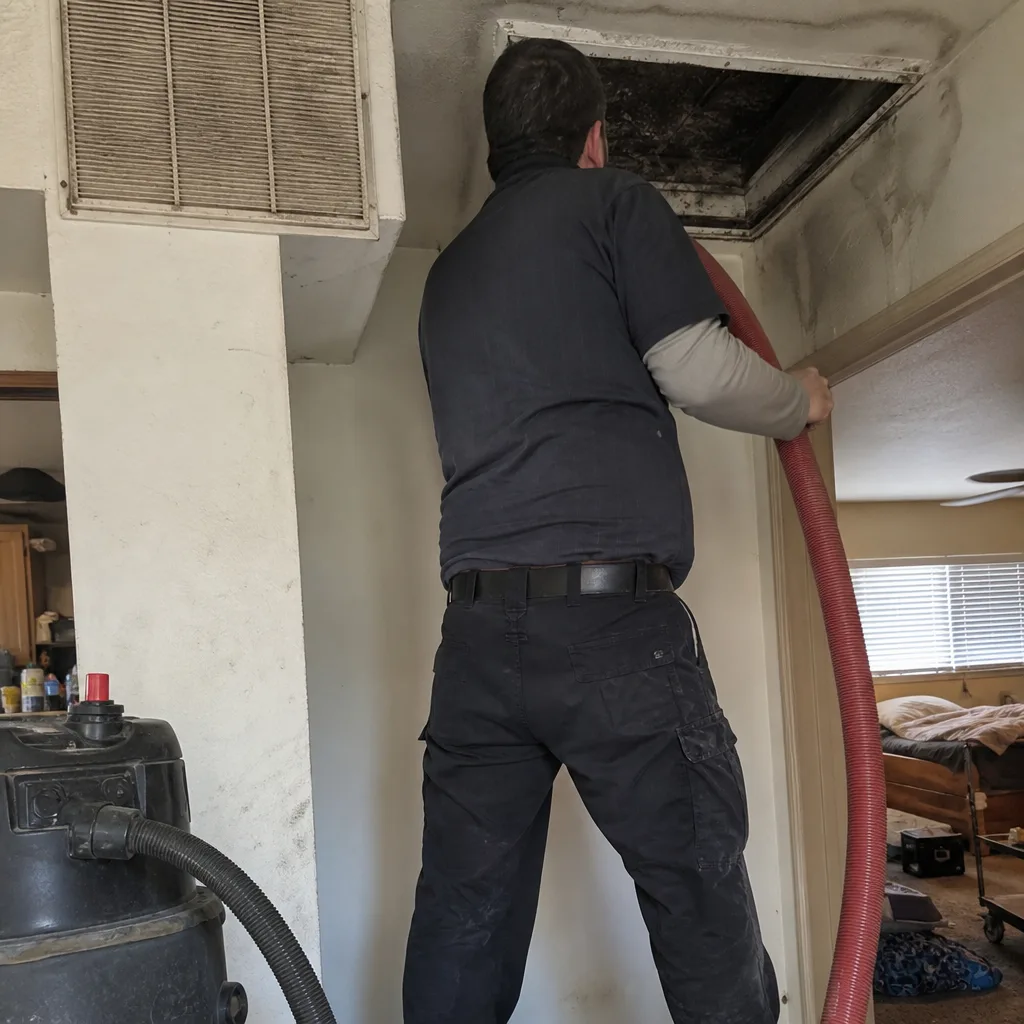 Before
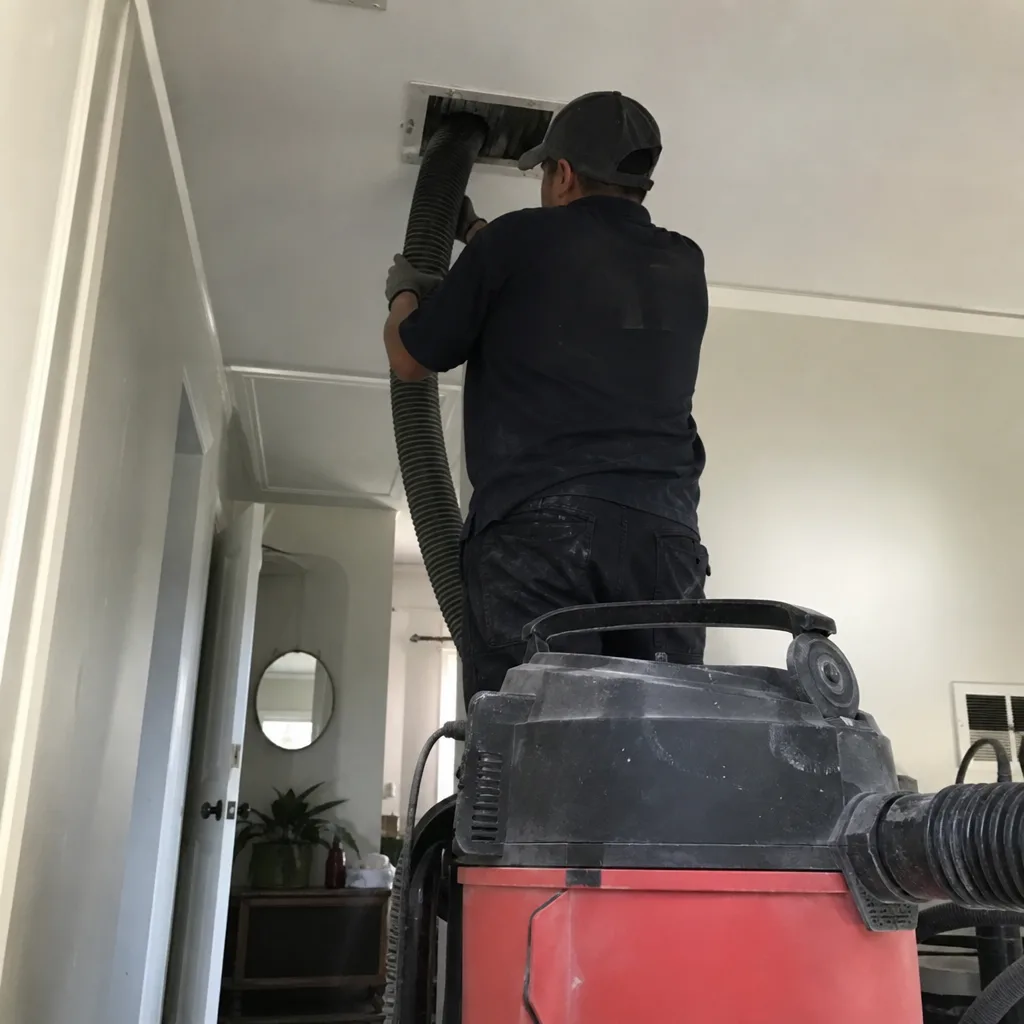 After
After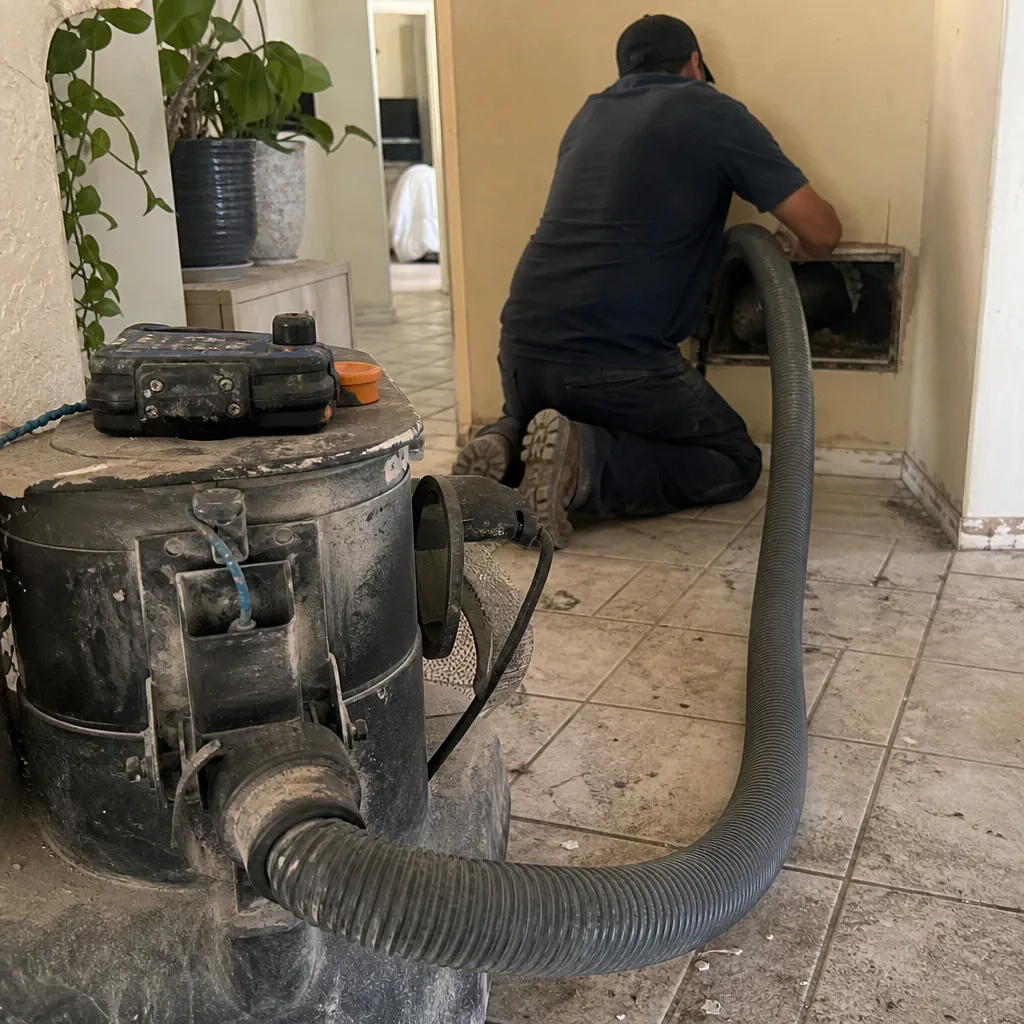 Before
 After
AfterThe Complete Guide to Air Duct Cleaning in Phoenix
The EPA has never recommended a specific cleaning frequency for air ducts. Yet nearly every Phoenix duct cleaning ad cites “EPA guidelines” as justification for an annual visit. That single sentence tells you most of what you need to know about this industry’s relationship with evidence.
Phoenix homeowners face a specific set of conditions that alter what collects inside ductwork, how fast it accumulates, and what a legitimate removal job actually requires. Caliche dust from desert grading, blown insulation fragments from attic heat degradation, and monsoon humidity spikes that activate dormant mold spores - these are not generic “dust” problems. This guide maps what we’ve found inside Phoenix ducts since 2013, how to distinguish real cleaning from performed cleaning, and what documentation you should hold in your hand before paying any invoice.
Quick Answer
Our Air Duct Cleaning services in Phoenix typically cost $400-$900 for a complete residential system, with pricing driven by home size, duct accessibility, and whether the job includes the HVAC unit itself. A legitimate cleaning in this climate should include negative-pressure extraction with professional-grade equipment, timestamped before-and-after photos of every duct run, and a written scope agreed to before work begins. In Phoenix, the combination of 8-month cooling seasons and caliche-heavy desert dust means supply registers often show visible debris accumulation faster than in moderate climates, though this does not automatically mean your entire system needs annual service.
Table of Contents
- What Phoenix Deposits Inside Your Ducts
- Three Cleaning Methods and How to Tell Which You Got
- Why Phoenix’s Cooling Season Changes Everything
- What a Legitimate Post-Cleaning Deliverable Looks Like
- How to Read a Duct Cleaning Invoice
- Phoenix Neighborhoods and Duct Conditions We’ve Documented
- Common Mistakes to Avoid
- When to Call a Professional
- Frequently Asked Questions
BeforeAfterWhat Phoenix Deposits Inside Your Ducts
In 2013, on our first job in the Ahwatukee Foothills, we opened a return plenum - the large central chamber where air enters your HVAC system - and found a half-inch layer of pale, gritty material that looked like flour mixed with sand. That was caliche dust, calcium carbonate sediment from desert soil grading and construction activity, and it behaves differently inside ducts than the organic dust common in humid climates. Caliche is abrasive, hydrophobic, and tends to settle in low-velocity zones rather than distributing evenly.
Since then, across 52,000+ Phoenix-area homes, we’ve documented three particulate categories that define this market:
- Caliche and desert mineral dust: Fine, pale, gritty. Accumulates at the bottom of horizontal duct runs and behind return grilles in newer construction zones where surrounding land was recently graded. The camera typically shows a layered deposit, like sedimentary rock, with the oldest layer compressed against the metal.
- Blown insulation fragments: Fiberglass and cellulose particles that enter through attic duct seams degraded by Phoenix’s extreme attic heat - often 140°F+ in July. These appear as shimmering or fuzzy material concentrated near ceiling supply registers in homes built between 1995 and 2010 with flex-duct attic runs.
- Monsoon-activated biological growth: During late July through September humidity spikes, dormant spores in dust layers activate. We’ve photographed this as dark spotting at the first elbow downstream of evaporator coils, where condensation and slow drainage create a 48-hour wet window.
Each of these requires different extraction approach. Caliche responds poorly to light contact vacuuming - it needs agitation plus negative-pressure removal. Insulation fragments can be driven deeper into flex-duct corrugations if airflow is too aggressive. And biological growth, if present, requires identification before any mechanical cleaning disturbs it and distributes spores.
The standard industry response to all three is “dust.” A technician who cannot name what they’re removing cannot select the right removal method.
Three Cleaning Methods and How to Tell Which You Got
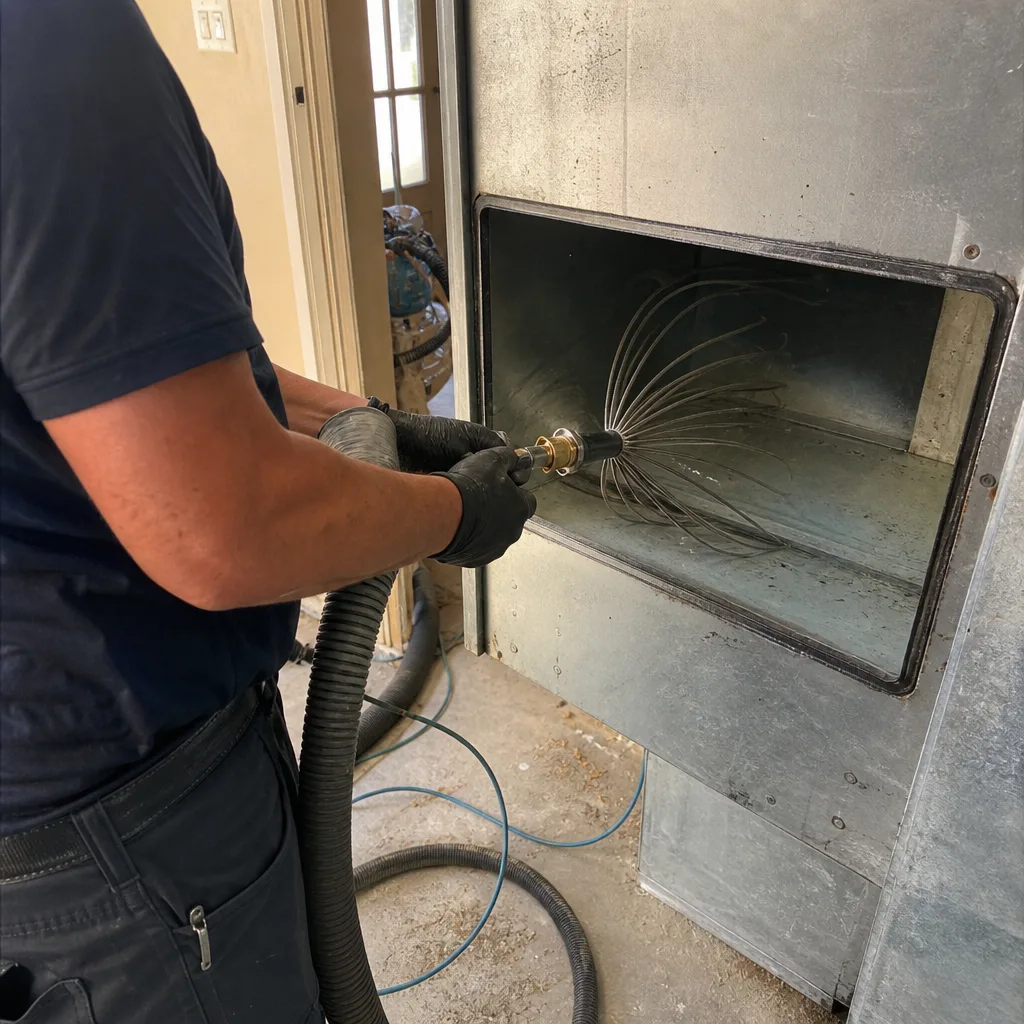
There are three distinct technical approaches to duct cleaning, and Phoenix’s particulate profile makes the distinction matter more here than in many markets. Here’s how each works, what equipment signs to look for, and how to verify which was performed in your home.
1. Contact Vacuuming (The Most Common “Performed” Job)
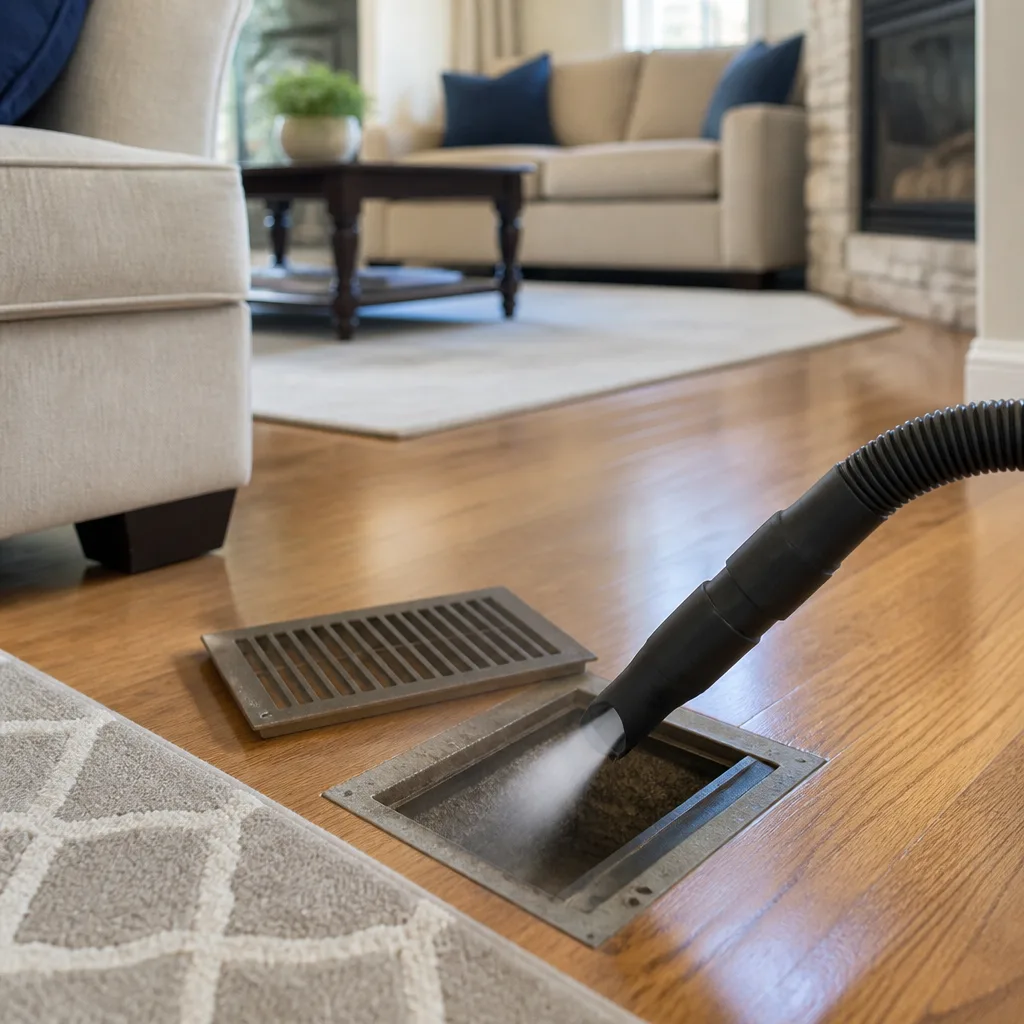
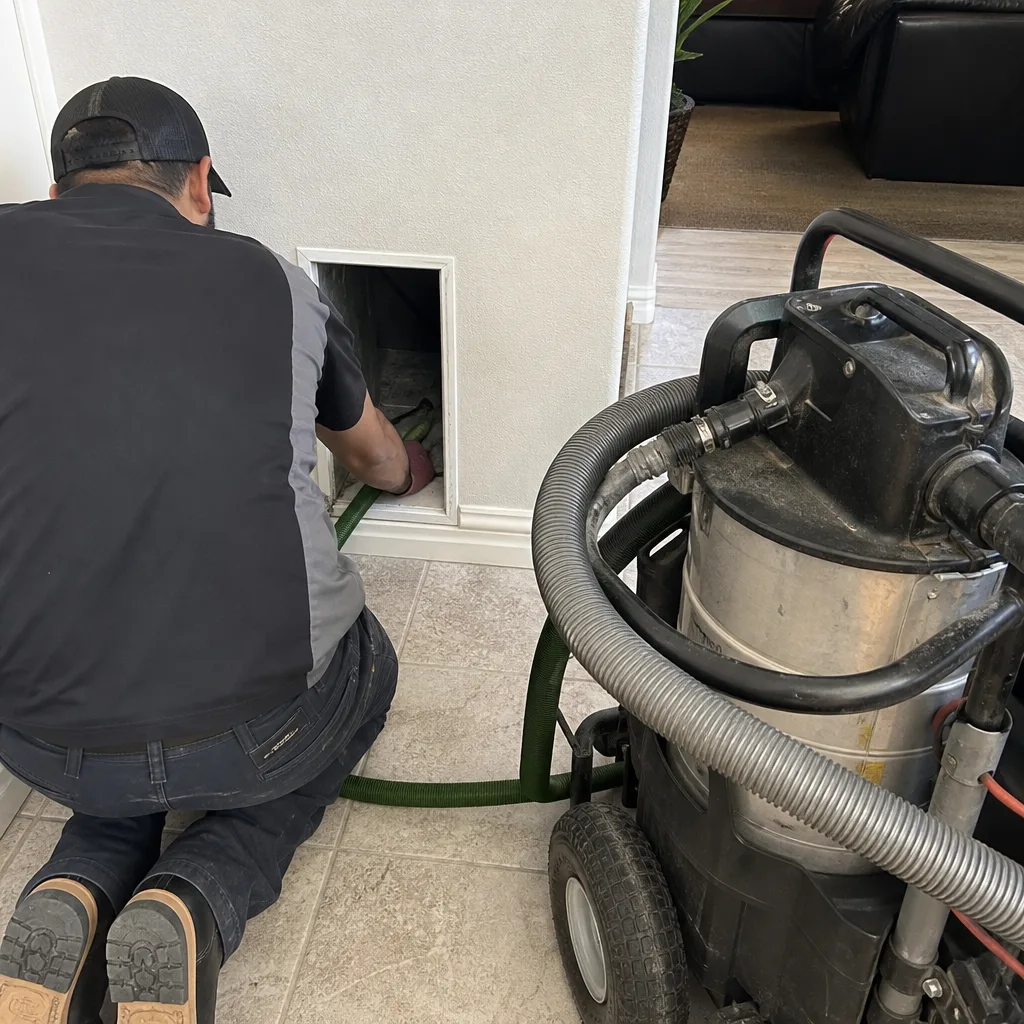
A technician inserts a vacuum hose into each register and moves it manually along the visible duct length. This removes loose surface debris only. In Phoenix caliche conditions, it leaves the compressed bottom layer entirely intact. Equipment signs: a single portable vacuum unit, often shop-vac style, no secondary hoses or access ports cut into the ductwork.
How to tell if this was done: Ask for the photo of the duct run interior before and after. If the “after” image shows the same sediment layer with only the top disturbed, you received contact vacuuming.
2. Negative-Pressure Cleaning (The Industry Standard for Legitimate Work)
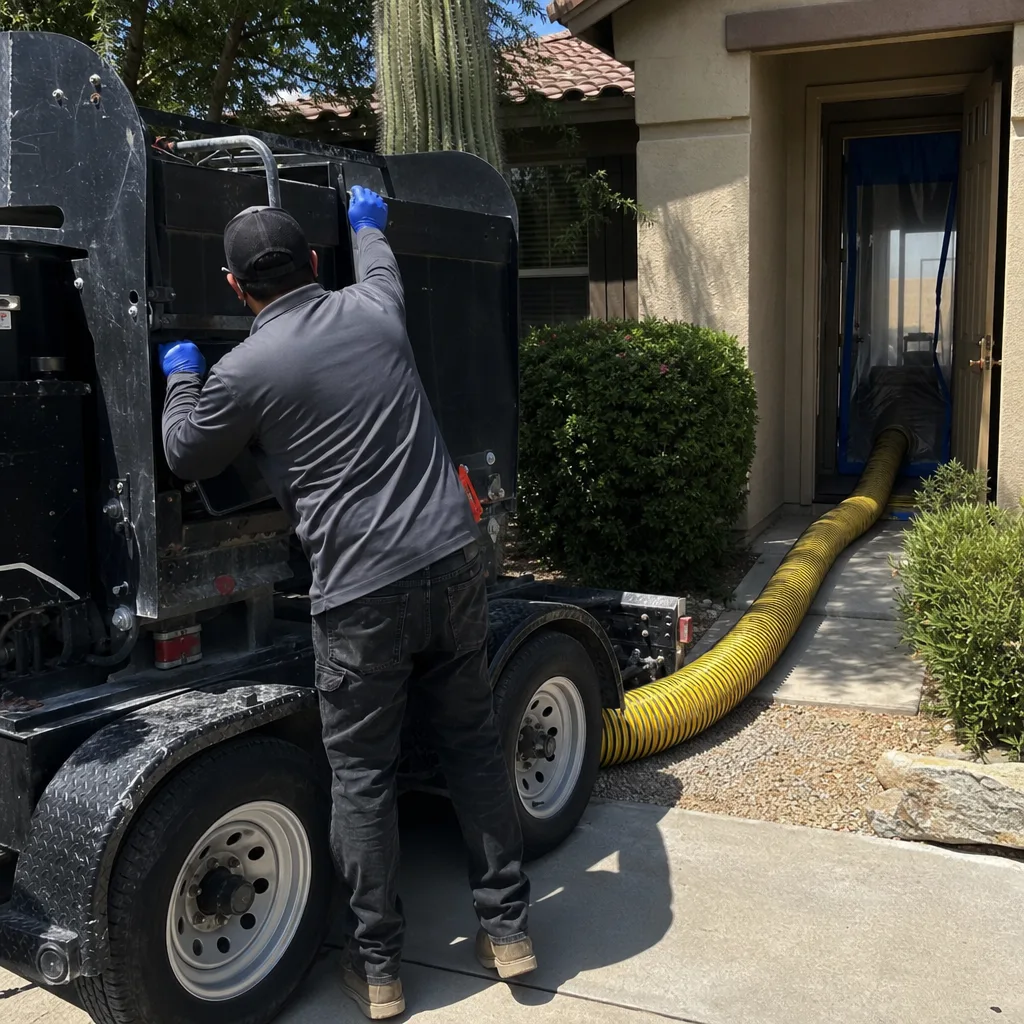
The HVAC system is placed under negative pressure - suction applied at the main trunk - while mechanical agitation tools (whips, brushes, or compressed-air devices) dislodge debris at each register and access point. Debris is carried by airflow to the central collection point, not pushed deeper into the system. Equipment signs: a large vacuum unit connected to the main trunk line, multiple access cuts into the ductwork sealed with metal patches afterward, and agitation tools that the technician can name.
At CleanRun, we use Rotobrush and Nikro equipment for this process, with negative-pressure extraction calibrated to the duct material - metal trunk lines tolerate higher vacuum strength than flex-duct runs. The Honeywell and Aprilaire components in our toolkit are used for post-cleaning verification and filtration assessment, not the extraction itself.
3. Source Removal with Compressed Air Agitation (Required for Heavy Caliche)
For compressed caliche deposits or significant insulation fragmentation, whip-style agitation with controlled compressed air breaks the material free before negative-pressure removal. This requires the most access points and the longest service time. Equipment signs: compressed air lines, multiple whip attachments of varying stiffness, and post-job metal access patches.
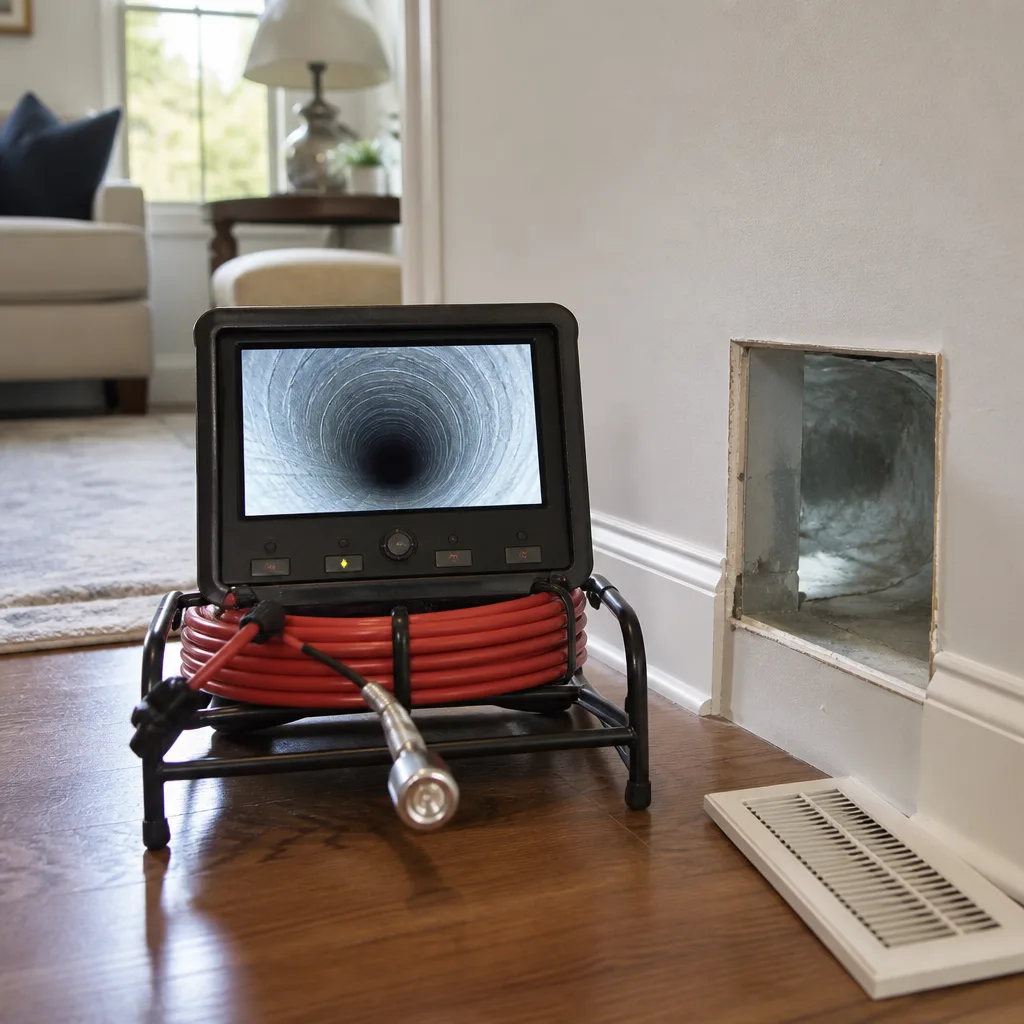
Verification step: After any cleaning, request the timestamped photo record by register location. A legitimate negative-pressure job will show clean metal walls with visible seam lines and any existing corrosion - not a uniform gray blur that suggests the photo was taken through a dirty lens.
Why Phoenix’s Cooling Season Changes Everything
Phoenix runs cooling systems approximately 2,600 hours annually - roughly double the national average. This matters for debris accumulation in ways that general duct cleaning advice ignores.
During continuous cooling operation, three mechanisms accelerate deposit formation at supply registers:
- Thermal cycling at register edges: Metal supply registers in Phoenix homes undergo repeated expansion and contraction as cooled air hits 110°F+ surface temperatures. This micro-movement breaks the seal between register boot and drywall, pulling attic dust into the visible register gap. We’ve documented this in Arcadia, North Central, and Paradise Valley homes built 2015-2022 - the register appears dirty, but the duct behind it may be clean.
- Evaporator coil condensation redistribution: In humid monsoon periods, coils produce more condensate. Poorly sloped drain pans allow standing water that wicks into downstream ductwork, cementing dust into adhered layers. These require mechanical agitation; vacuuming alone is ineffective.
- Filter bypass during peak load: When systems run 18+ hours daily in July, homeowners often remove restrictive filters to maintain airflow, or filters load past capacity and deform. Unfiltered air carries more particulate per hour of operation than in moderate climates where systems cycle off.
The practical result: Phoenix supply registers often show visible debris faster than national averages suggest. This creates a false signal. A dirty register does not mean dirty ducts. It may mean register seal failure, filter bypass, or localized boot contamination. A technician who quotes full-system cleaning based on register appearance alone is selling a performed service, not a diagnostic one - see DIY vs Professional Air Duct Cleaning: The Phoenix Homeowner’s Decision Guide for how to spot the difference.
Our approach, established under the H.A.V.E.N. Standard, is to camera-inspect the duct run behind the register before quoting scope. Haven Standard Clause 1 - Written Price Before Any Work Starts - depends on knowing what actually needs cleaning.
What a Legitimate Post-Cleaning Deliverable Looks Like
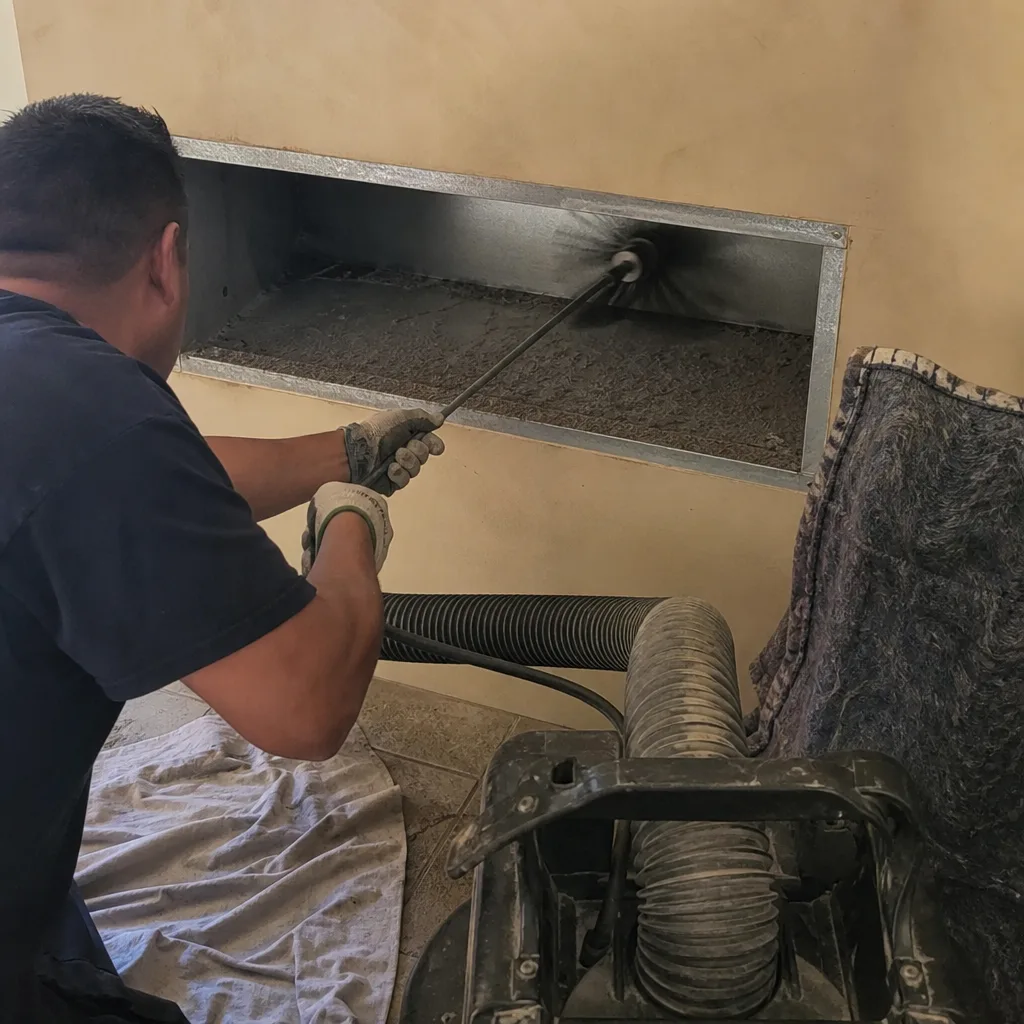
The final product of a duct cleaning service is not clean ducts. It is documentation that ducts were cleaned, with evidence that would survive dispute. Here’s what that documentation should include, based on what CleanRun has delivered on every job since 2013.
The Minimum Deliverable
- Timestamped before-and-after photos by register location: Not “before and after of the system.” Each supply and return register, identified by room name, with two images showing the interior of that specific duct run. The timestamp should be embedded in image metadata, not added as a graphic overlay.
- Written scope completed: The pre-agreed list of services - which registers accessed, which duct runs cleaned, whether the plenum and coil were included, sanitizer applied or declined - with technician initials or digital signature.
- Invoice with itemized labor, materials, and any additional services: Bundled pricing is not inherently deceptive, but it must be decomposable on request. “Duct cleaning: $600” with no breakdown is a red flag for dispute.
What CleanRun Provides Under the H.A.V.E.N. Standard
Every job concludes with a Documented Photo Record: digital gallery of every duct run, before and after, accessible to the customer permanently. This is not a courtesy. It is a standard deliverable, included in the base price, because without it there is no verification that the service occurred.
The 365-Day Done Right Promise is provided in writing, not as a verbal assurance. If post-cleaning inspection reveals accessible debris in a run that was documented as clean, we return and correct at no charge. The promise is backed by the photo record, which establishes the baseline.
Technicians are background-checked and uniformed under Haven Standard Clause 3: Verified Crews. The technician’s name is provided before arrival, and license information is published on every page of our site - not buried in a footer where it signals concealment.
How to Read a Duct Cleaning Invoice
Invoice structure reveals whether a company operates on transparency or opacity. For how to hire a Air Duct Cleaning Contractor in Phoenix: A Step-by-Step Guide, here’s how to read one, with Phoenix-specific pricing context.
Line Items to Expect
| Service Component | Typical Phoenix Range | What to Verify |
|---|---|---|
| Base system cleaning (up to 10 supply/2 return registers) | $400-$650 | Are additional registers priced per-item or included? |
| HVAC unit cleaning (coil, blower, plenum) | $150-$250 | Is this bundled or optional? Coil-only vs. full unit? |
| Main trunk line access and cleaning | $100-$200 | Required for negative-pressure setup; absence suggests contact vacuuming only |
| Sanitizer or antimicrobial application | $75-$150 | EPA-registered product named? Applied post-cleaning or instead of cleaning? |
| Duct repair or sealing (per run) | $125-$300 | Identified during inspection or assumed necessary? |
Red flags in Phoenix specifically:
- Per-vent pricing: “Only $39 per vent!” with a 12-vent minimum. This structure incentivizes the technician to count vents, not assess condition. CleanRun does not use per-vent pricing; we price per system based on scope.
- Teaser rates with upsell dependency: “$79 whole-house special” that becomes $600+ once the technician is inside. Haven Standard Clause 1 prohibits this - the written price is the price.
- Unitemized “packages”: “Silver,” “Gold,” “Platinum” tiers with no specification of what distinguishes them. These obscure actual scope.
- Sanitizer as primary service: Invoicing for antimicrobial fogging with no mechanical cleaning. Fogging does not remove debris; it treats surfaces. In Phoenix’s dry climate, this is rarely the appropriate primary intervention.
The correct invoice shows what was done, where, with what equipment, and what was found. Our invoices include the equipment used - Rotobrush, Nikro, or other trade-recognized brands - so customers can verify specifications independently.
Phoenix Neighborhoods and Duct Conditions We’ve Documented
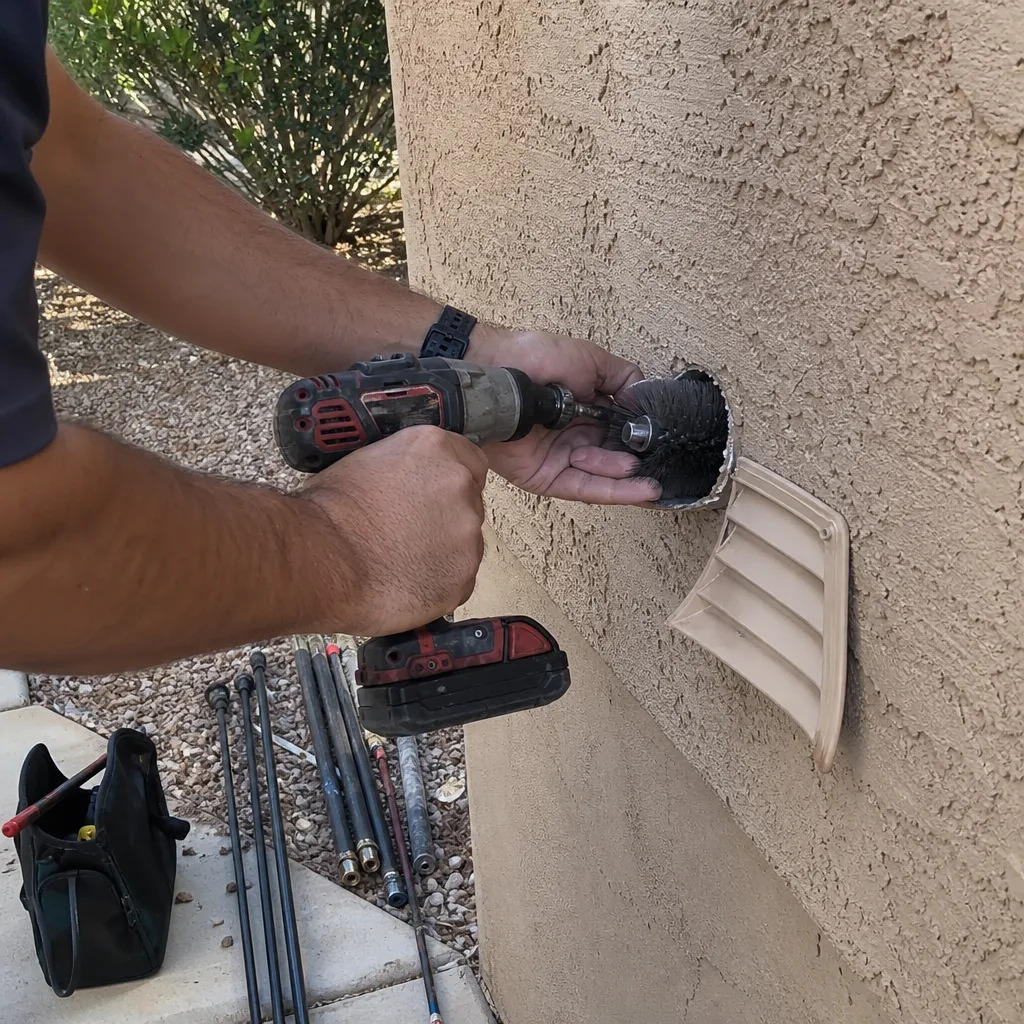
Construction era and surrounding land use predict duct conditions more reliably than home price. Here are patterns from our 52,000+ jobs, specific to Phoenix submarkets.
Ahwatukee Foothills and South Mountain foothills: Caliche dust dominant in homes built 2000-2015, when desert grading was active. Newer infill construction (2018+) shows less caliche but more blown insulation fragmentation from tighter attic spaces with poor ventilation.
Arcadia and central Phoenix historic zones: Original galvanized ductwork from 1950s-1970s builds, often with no flex-duct transitions. These systems accumulate debris differently - smooth metal walls allow different agitation approaches than corrugated flex. We’ve found significant rust scale in these systems, which must be distinguished from debris in photo documentation.
North Central and Sunnyslope, hillside homes: Steep roof pitches create extended vertical duct runs. Gravity deposits debris at low points, but negative-pressure extraction must overcome static head. These jobs require higher vacuum calibration and take longer; flat-rate pricing without inspection is inappropriate.
Paradise Valley and luxury infill: Larger systems with zone dampers and multiple HVAC units. Complexity increases scope definition challenge. We’ve documented cases where a “whole house” cleaning addressed only the main unit, leaving secondary zones untouched. The invoice must specify which zones, which units, and which dampers were accessed.
Maryvale and west Phoenix, 1970s-1990s construction: Original flex-duct with attic degradation. The insulation jacket separates from the inner liner, creating a debris trap between layers. Camera inspection reveals this; contact vacuuming misses it entirely. Replacement is often more appropriate than cleaning.
In every case, our process begins with camera inspection and ends with photo documentation. The variation between neighborhoods is why we do not quote without seeing the system, and why Haven Standard Clause 1 requires written price agreement before work begins.
Common Mistakes to Avoid
- Booking based on register appearance alone. Dirty supply registers in Phoenix often indicate seal failure or filter bypass, not duct contamination. A camera inspection costs nothing at CleanRun and prevents unnecessary service.
- Accepting “EPA recommends” as justification. The EPA states that duct cleaning should occur “as needed” and has never specified frequency. Any technician citing annual EPA recommendations is misrepresenting the source.
- Ignoring the monsoon window. Scheduling cleaning during July-September humidity spikes without addressing drainage or coil condition can mean immediate recontamination. The cause must be fixed with the symptom.
- Paying for sanitizer without mechanical cleaning. Antimicrobial application to dirty ducts is painting over rust. Debris removal comes first; treatment, if appropriate, follows.
- Not requesting the photo record before payment. If documentation is “emailed later,” it may not exist. The Documented Photo Record should be available for review with the technician still on site.
- Choosing by lowest price in a market with known bait-and-switch patterns. The $79 coupon model depends on invoice inflation. Written upfront pricing, while higher initially, is lower at completion.
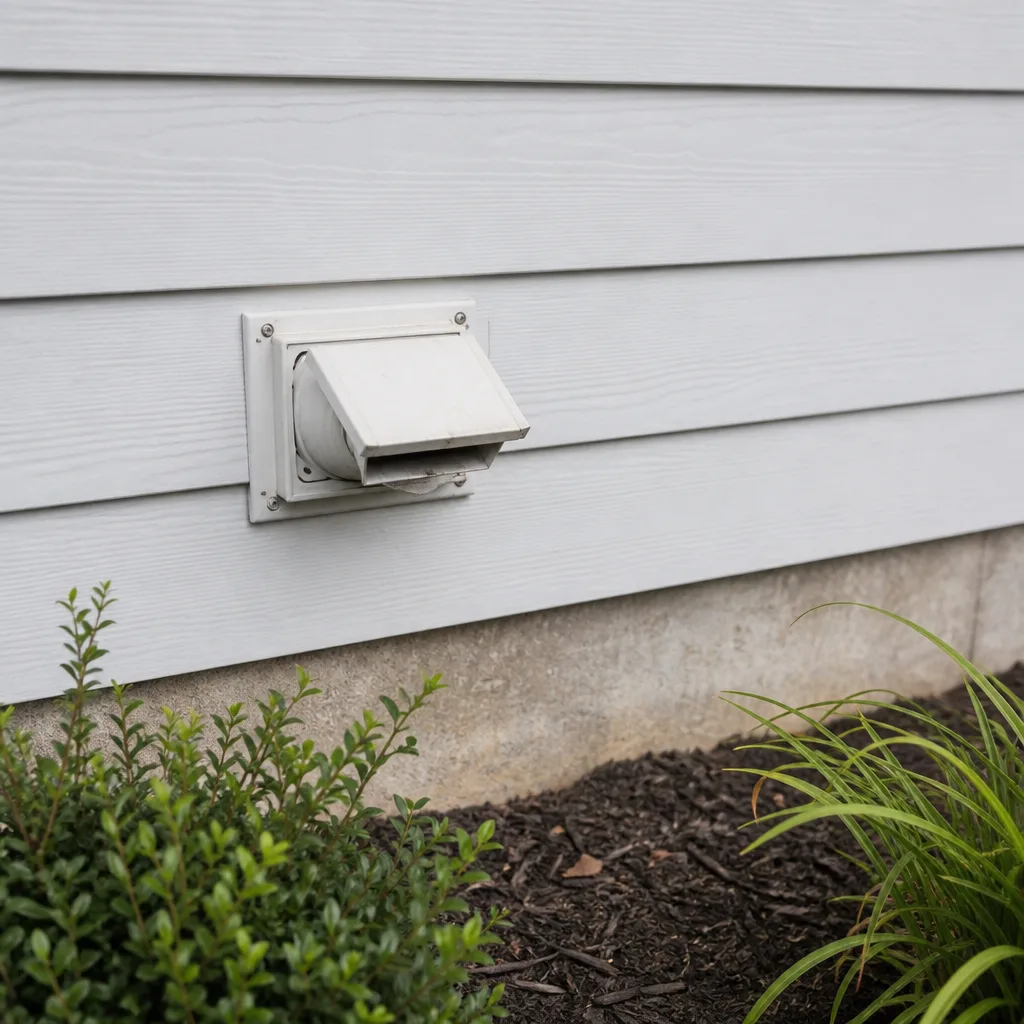
- Neglecting dryer vent cleaning in the same service window. Phoenix’s lint accumulation rate exceeds national averages due to heavier towel and swimwear drying loads. Dryer Vent Cleaning in Phoenix should be assessed simultaneously with duct cleaning.
When to Call a Professional
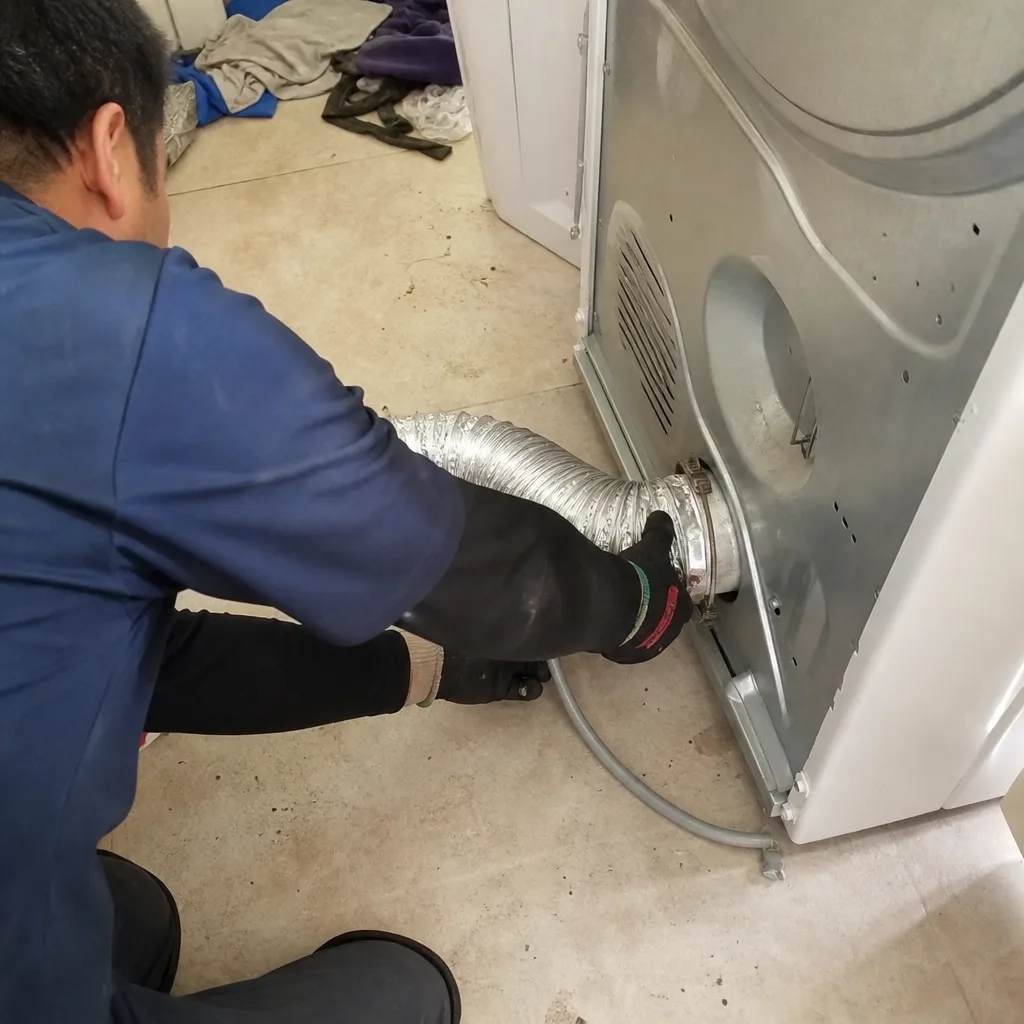
Call for inspection, not automatically for cleaning, when you observe: visible debris release from supply registers when the system cycles; persistent musty odor during monsoon season that correlates with AC operation; uneven cooling distribution that suggests blockage; or recent renovation with drywall or insulation work that may have introduced construction debris.
Do not call for: a scheduled annual cleaning with no symptoms (the EPA does not recommend this); a $79 coupon without written scope confirmation; or any service that cannot name the equipment brand and show you a sample photo record before booking.
CleanRun Air Duct Cleaning Phoenix offers free estimates in Phoenix - call (480) 500-6377. Every estimate includes camera inspection, written scope, and written price before any work begins. We also provide a Free Second Opinion on any written estimate from another company; bring their quote and we’ll put our number next to it in writing.
Frequently Asked Questions
Complete residential air duct cleaning in Phoenix typically ranges from $400 to $900, with most single-system homes falling between $500 and $700. The range reflects home size, duct accessibility, whether the HVAC unit itself is included, and whether repairs or sealing are needed. Per-vent pricing and teaser rates below $200 almost always result in invoice inflation on site. Call (480) 500-6377 for a written estimate with no obligation - estimates are free and include camera inspection.
The $79-$199 quotes rely on a documented industry pattern: arrive with a low promised price, discover “unexpected” conditions, and invoice 3-5x the original quote. The cheaper quote is not for the same service. It is for a brief vacuum pass at registers, with the actual scope priced after the technician is in your home. CleanRun does not operate this way; Haven Standard Clause 1 requires written price agreement before work begins, every time.
Require timestamped, location-identified before-and-after photos of every duct run before paying. Not a single “after” photo of a clean register. Not a verbal assurance. The photo record should show the interior metal of each duct run with identifying features visible - seams, elbows, connections - so you can verify it is your ductwork and that debris was removed. CleanRun provides this as a standard deliverable on every job, included in the base price.
There is no fixed interval that applies to all Phoenix homes. The EPA recommends cleaning “as needed,” not on a schedule. In our experience since 2013, homes with proper filtration, sealed ductwork, and no recent construction typically show minimal accumulation at 5-7 year intervals. Homes with caliche exposure from nearby grading, degraded flex-duct in unventilated attics, or filter bypass during peak cooling may need attention sooner. Camera inspection is the only accurate assessment method.
No. Phoenix’s ambient dryness is misleading because ductwork is not ambient. During monsoon season, evaporator coils and drain pans create localized humidity that persists for 24-72 hours per cycle. We’ve documented active growth at coil-adjacent duct elbows in homes throughout Phoenix, particularly where drain slope is inadequate or pans hold standing water. The growth is seasonal and localized, not systemic, but it requires identification before mechanical cleaning disturbs it.
Air duct cleaning addresses the distribution network - supply and return ducts, registers, and plenum. HVAC Cleaning in Phoenix includes the mechanical components: evaporator coil, blower assembly, and often the cabinet interior. In Phoenix’s 8-month cooling season, coil and blower contamination significantly impacts efficiency and can recontaminate cleaned ducts immediately. The two services are distinct but complementary; we assess both during inspection and scope them separately so you choose based on condition, not package pressure.
The Bottom Line
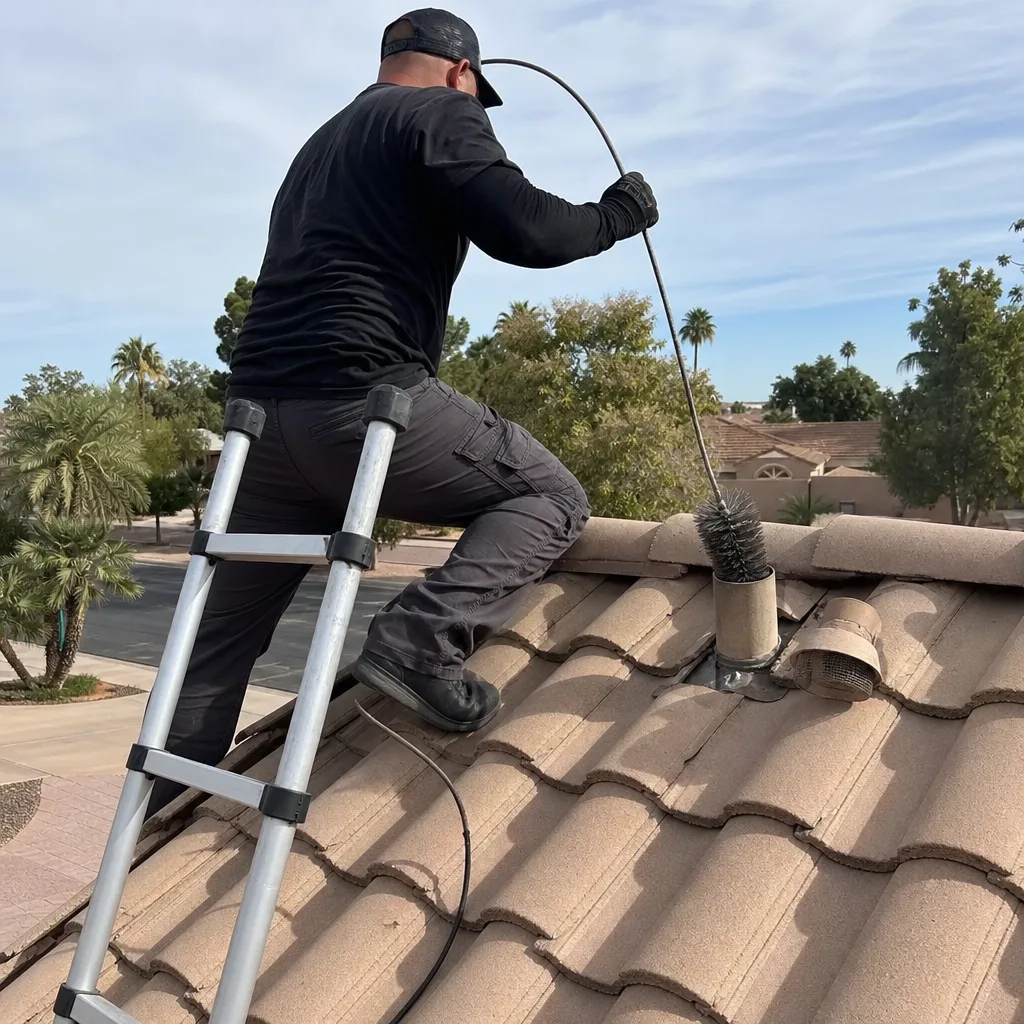
Air duct cleaning in Phoenix is not a maintenance ritual with a fixed calendar. It is a conditional service driven by what actually enters your ducts - caliche dust, insulation fragments, monsoon-activated growth - and what can be verified as removed. The complete guide reduces to three decisions: inspect before quoting, document after completing, and price in writing before starting. Find more guides & resources on our blog. Any provider who skips one of these is selling performance, not service. The equipment matters - Rotobrush, Nikro, and other trade-recognized brands are verifiable - but the process matters more. A shop-vac with a photo record is more accountable than negative-pressure gear with no documentation.
CleanRun Air Duct Cleaning Phoenix has operated under this standard since 2013. The 365-Day Done Right Promise, the Documented Photo Record on every job, and Haven Standard Clause 1’s written pricing are not marketing distinctions. They are the minimum conditions for a service that can be held accountable after the truck leaves.
Call (480) 500-6377 for a free estimate with camera inspection and written scope. Or bring a competitor’s written quote - we’ll provide a Free Second Opinion, with our number next to theirs, before you decide.
Written by Tomas Reyes, Owner at CleanRun Air Duct Cleaning Phoenix, serving Phoenix since 2013.