
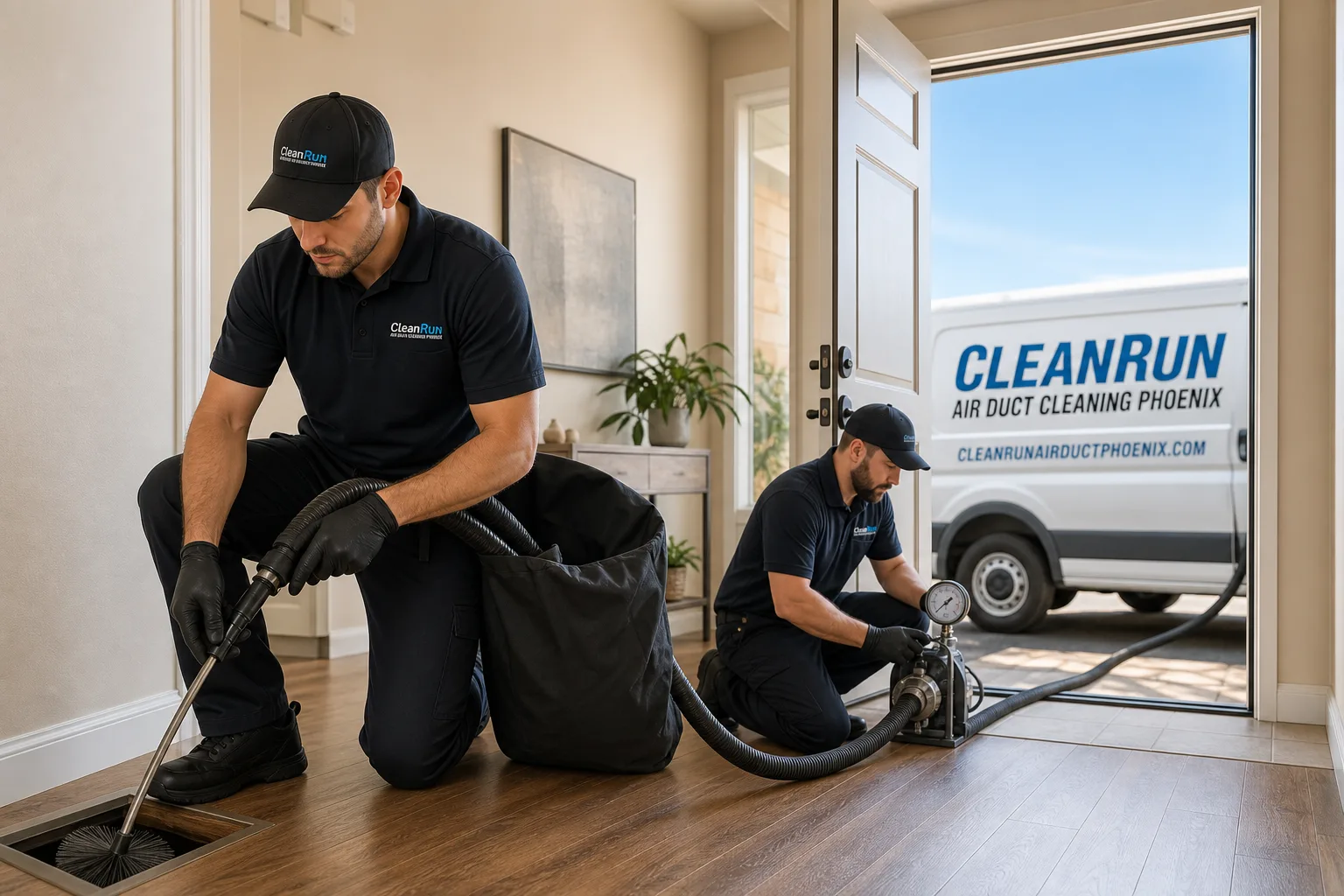
Whole-system duct and dryer vent check with before-and-after photos - you see exactly what came out of your vents
That "$99 whole-house special" is a bait ad - the real number appears once they are in your hallway, or the "clean" is a shop-vac at the register. We photograph the inside of your ducts before and after instead.
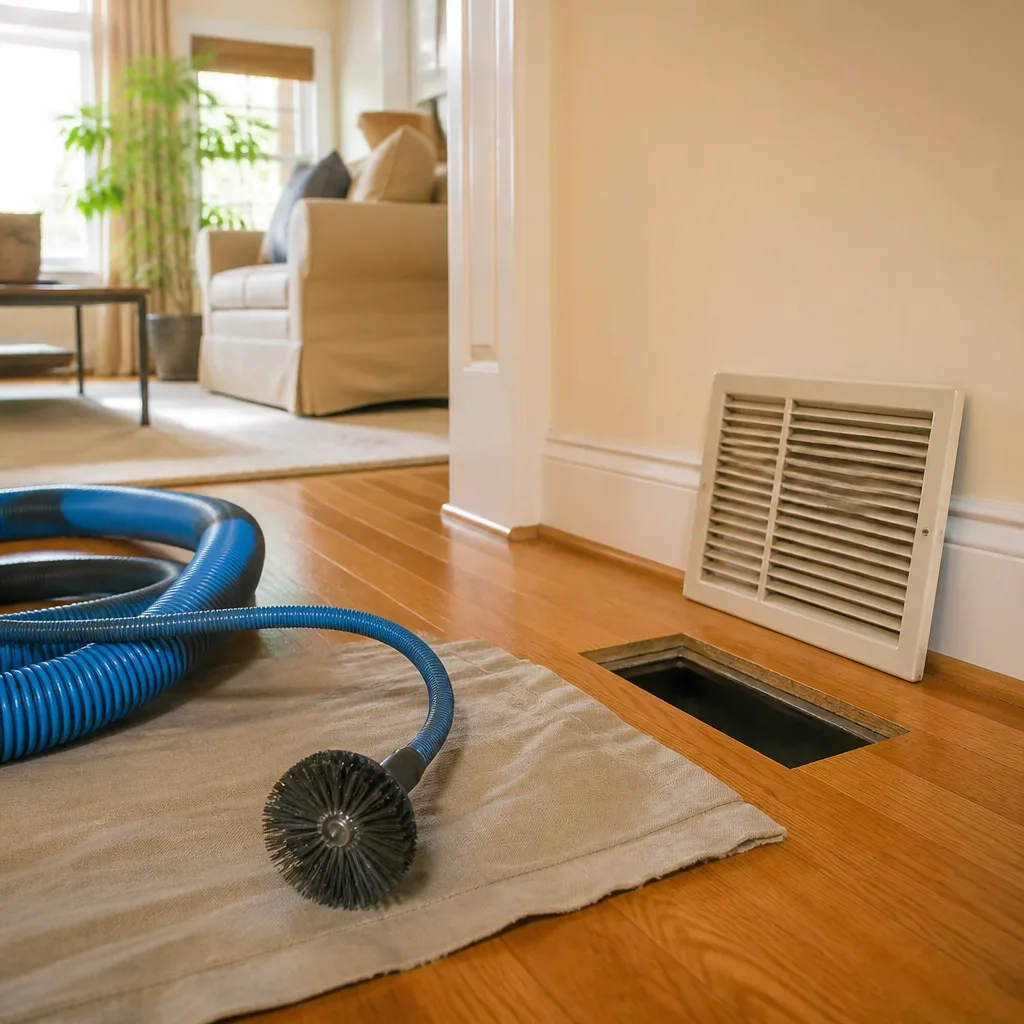
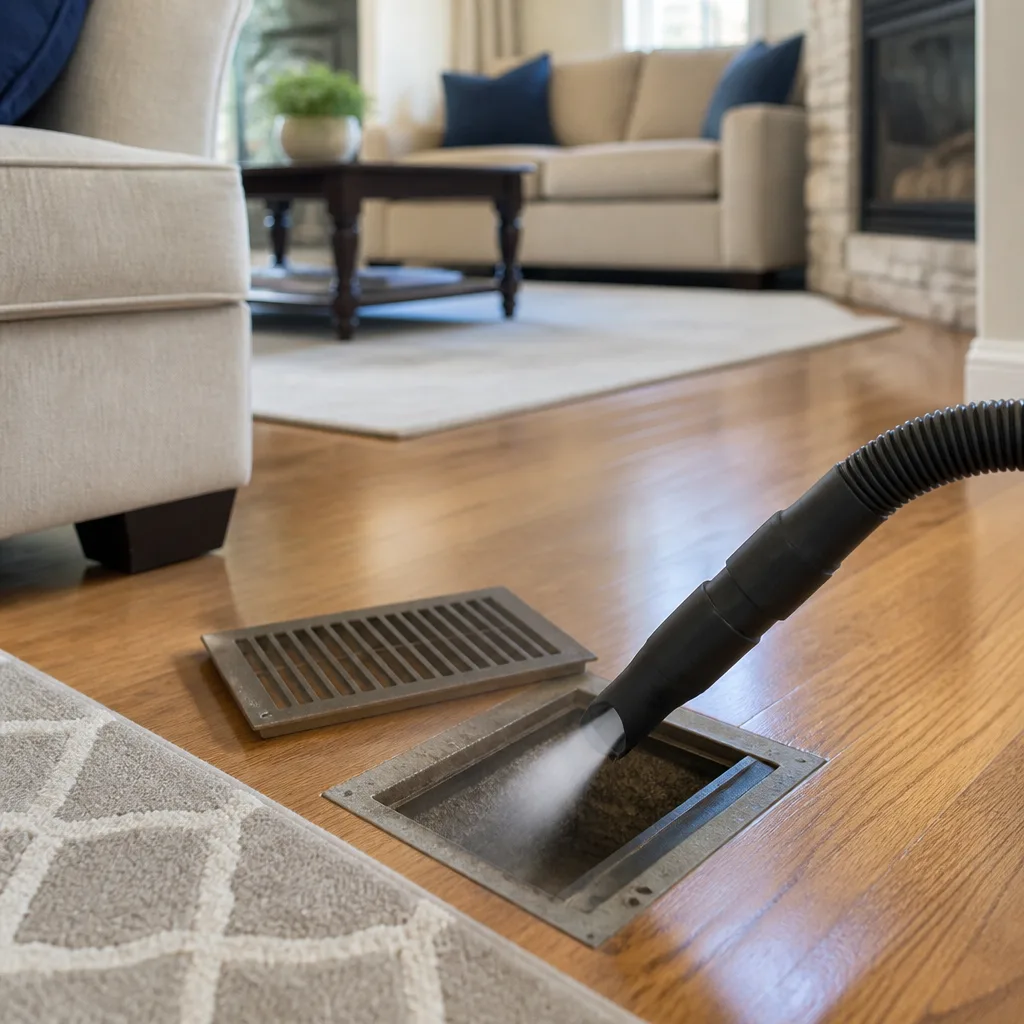
 Before
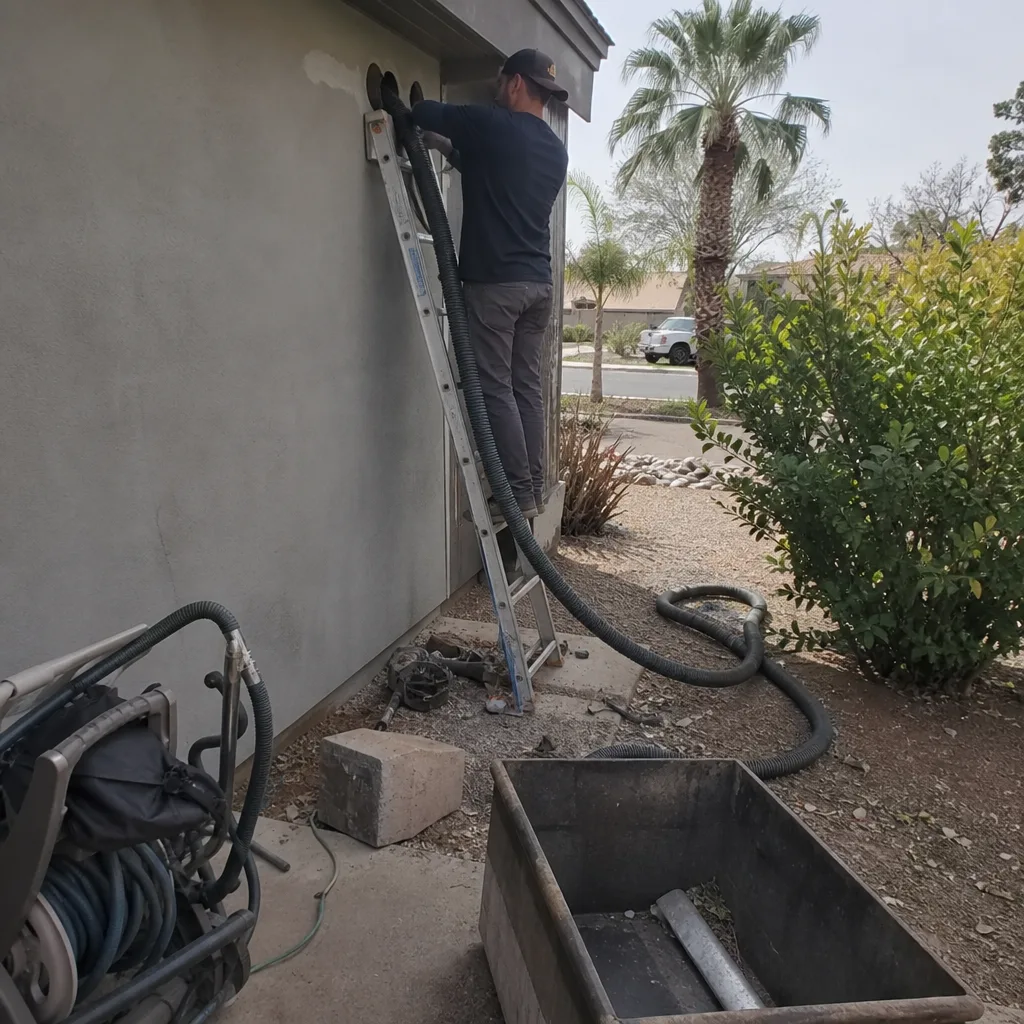
 After
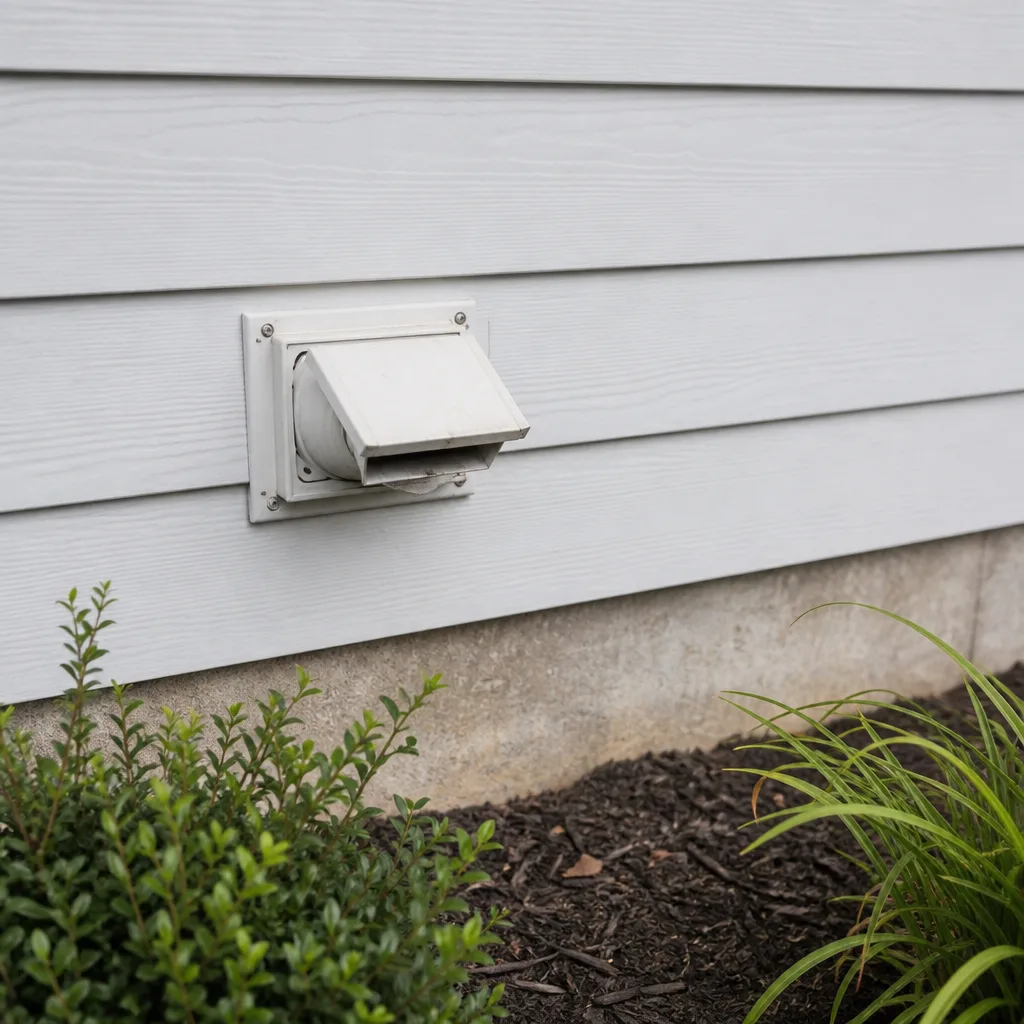
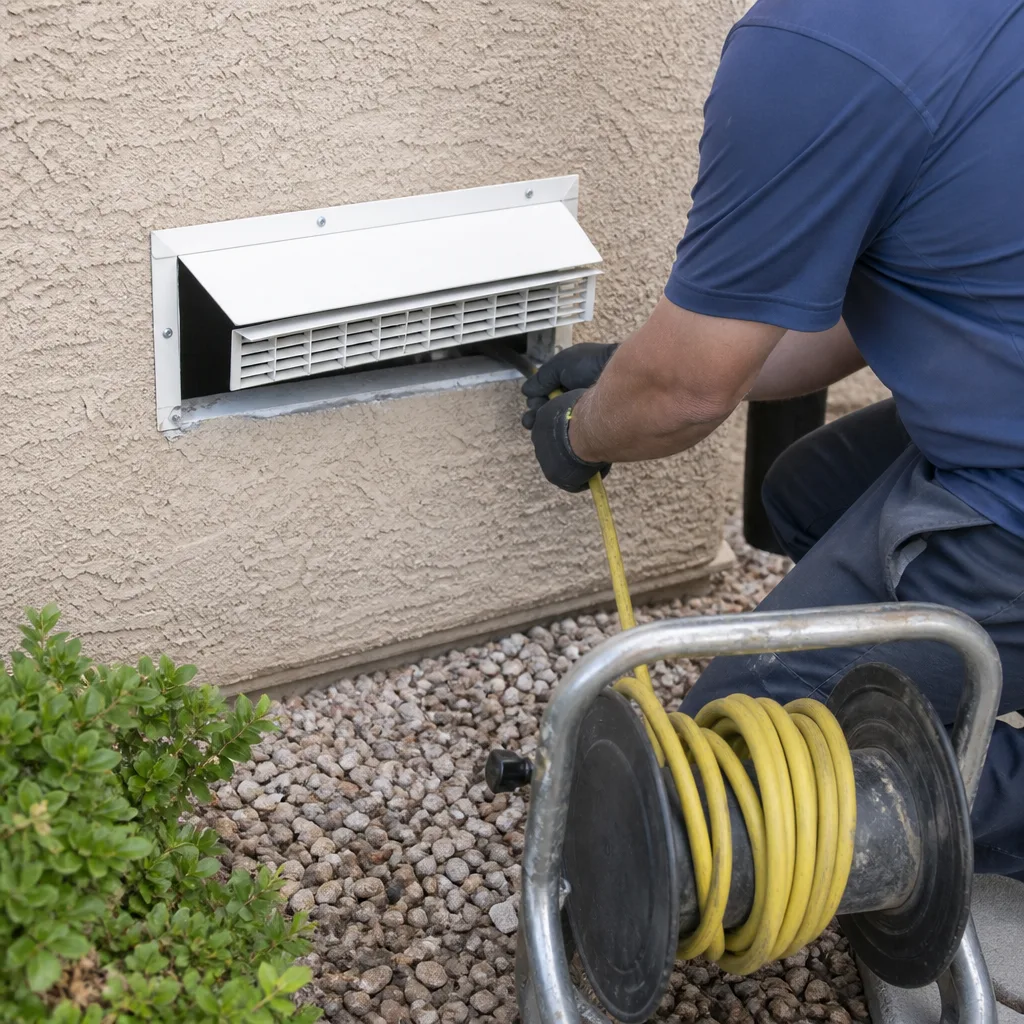
After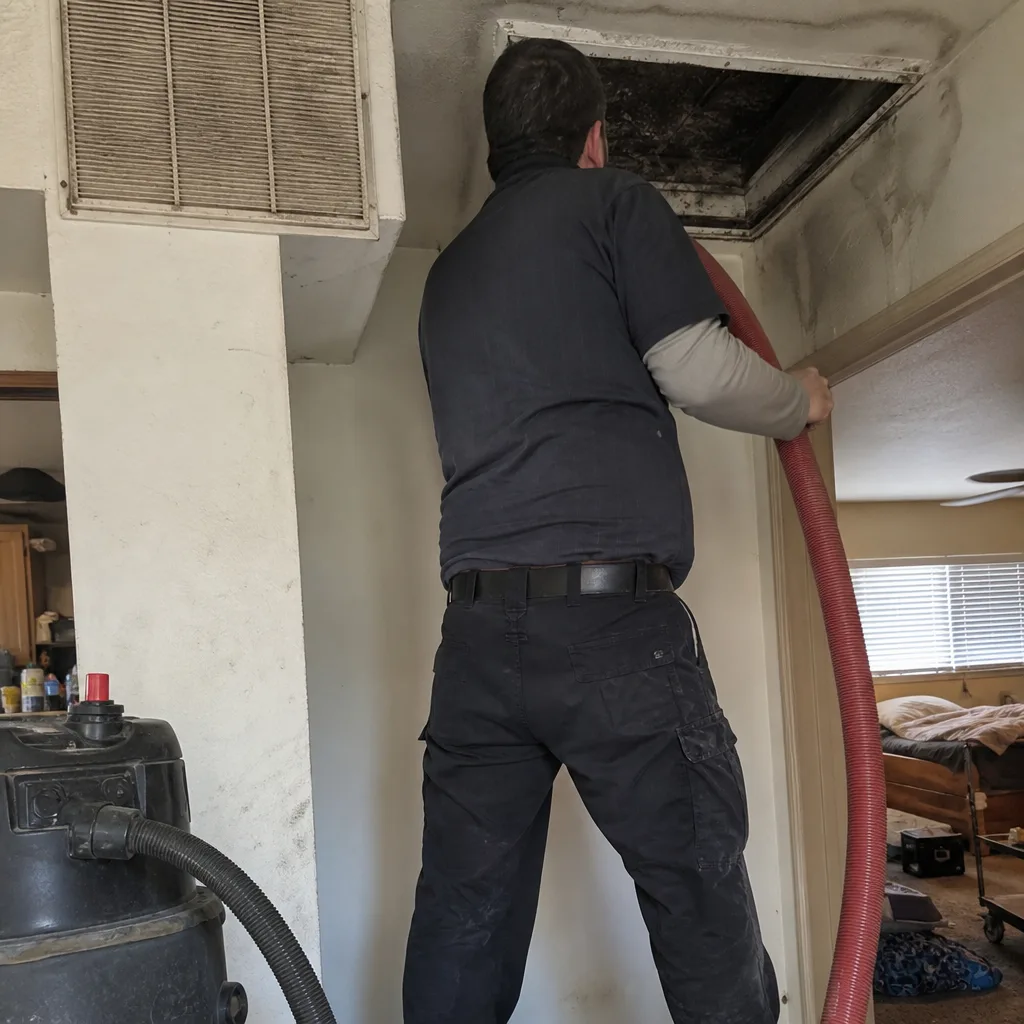 Before
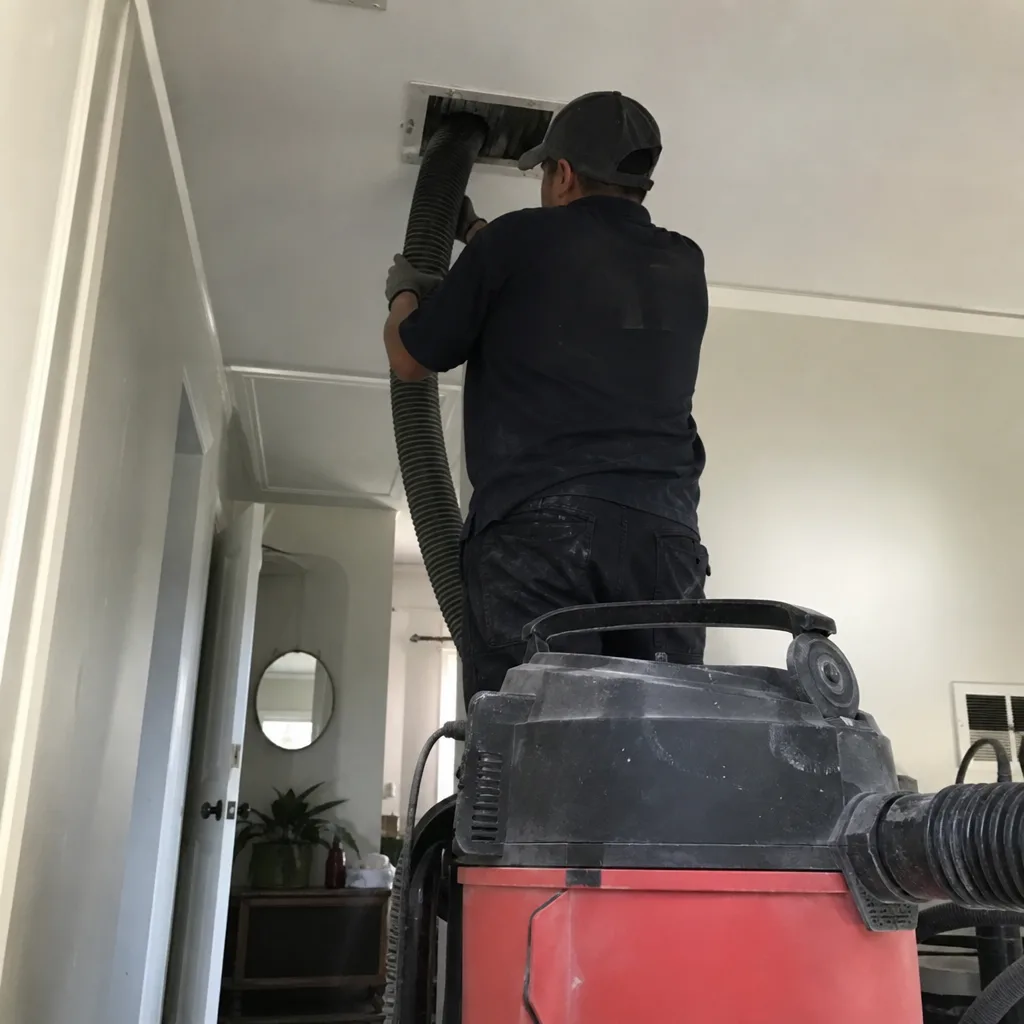 After
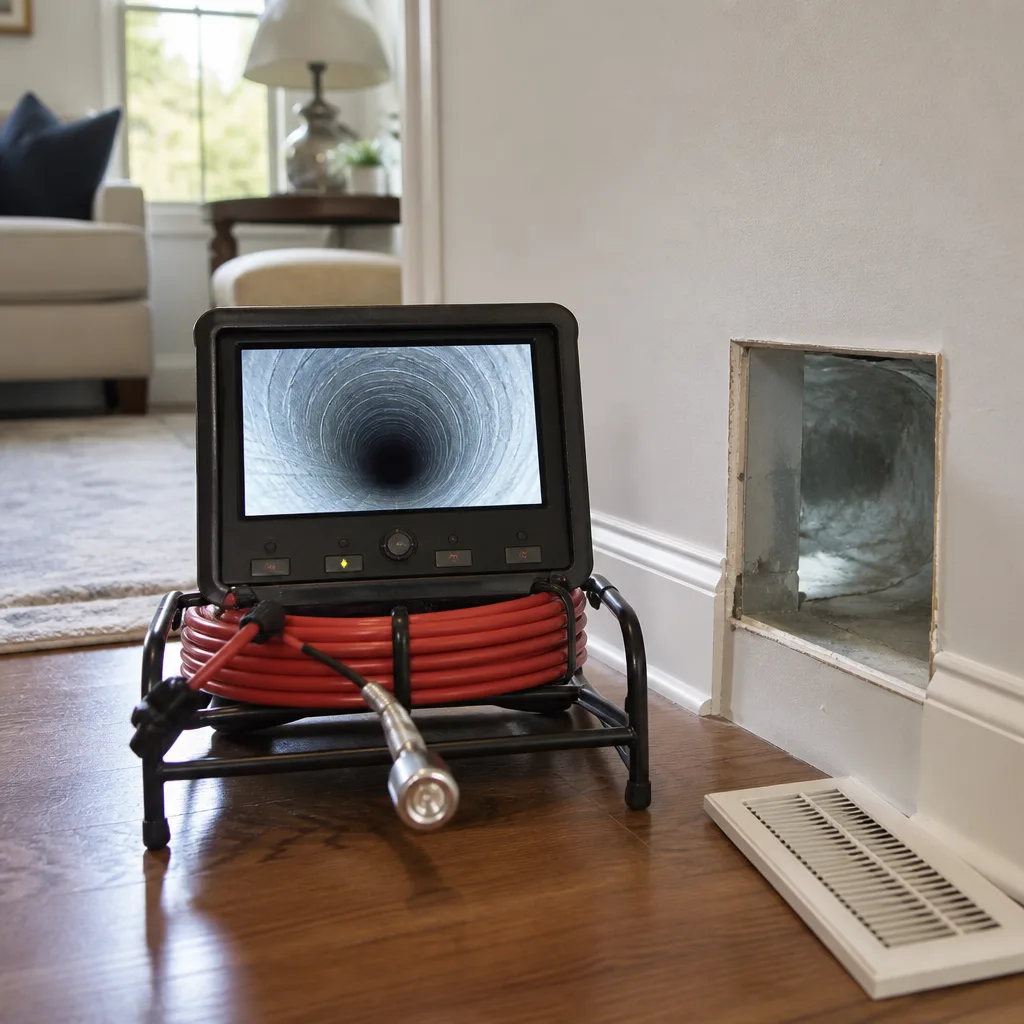
After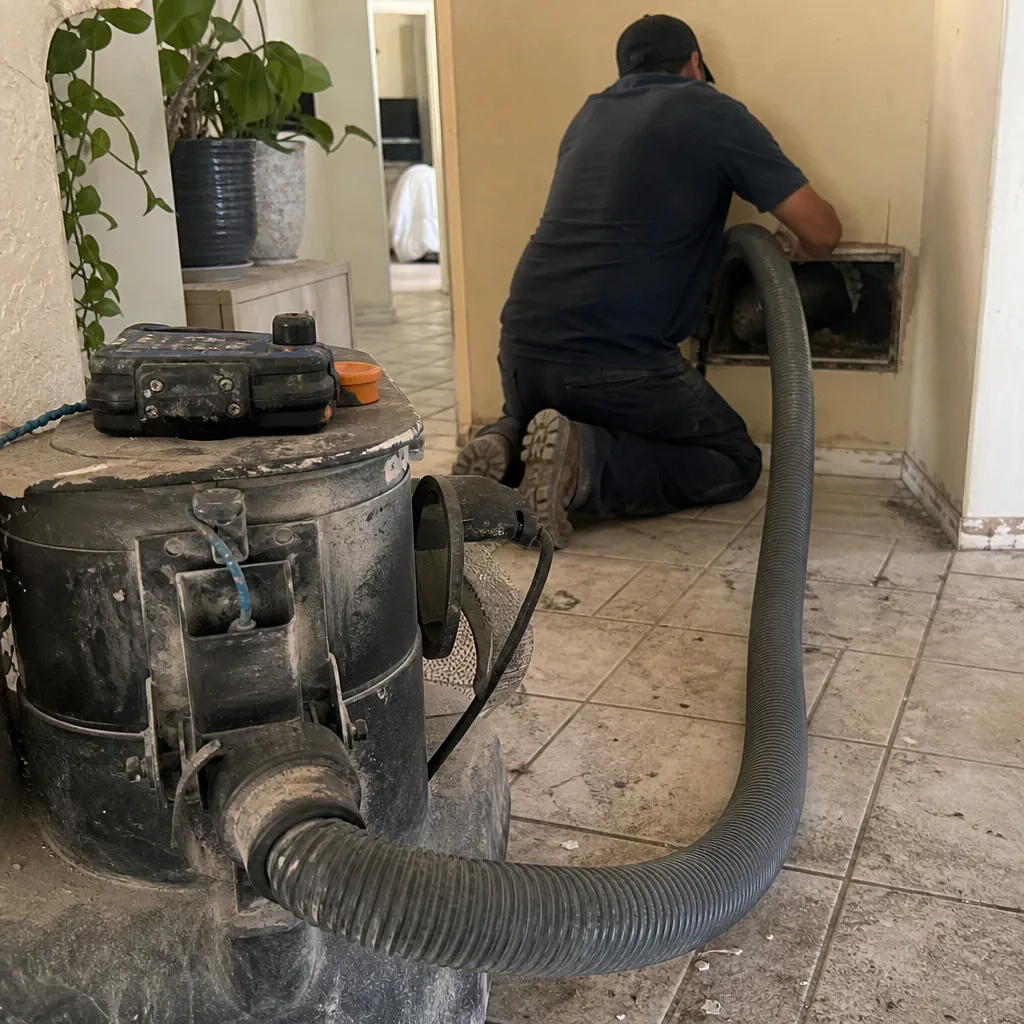 Before
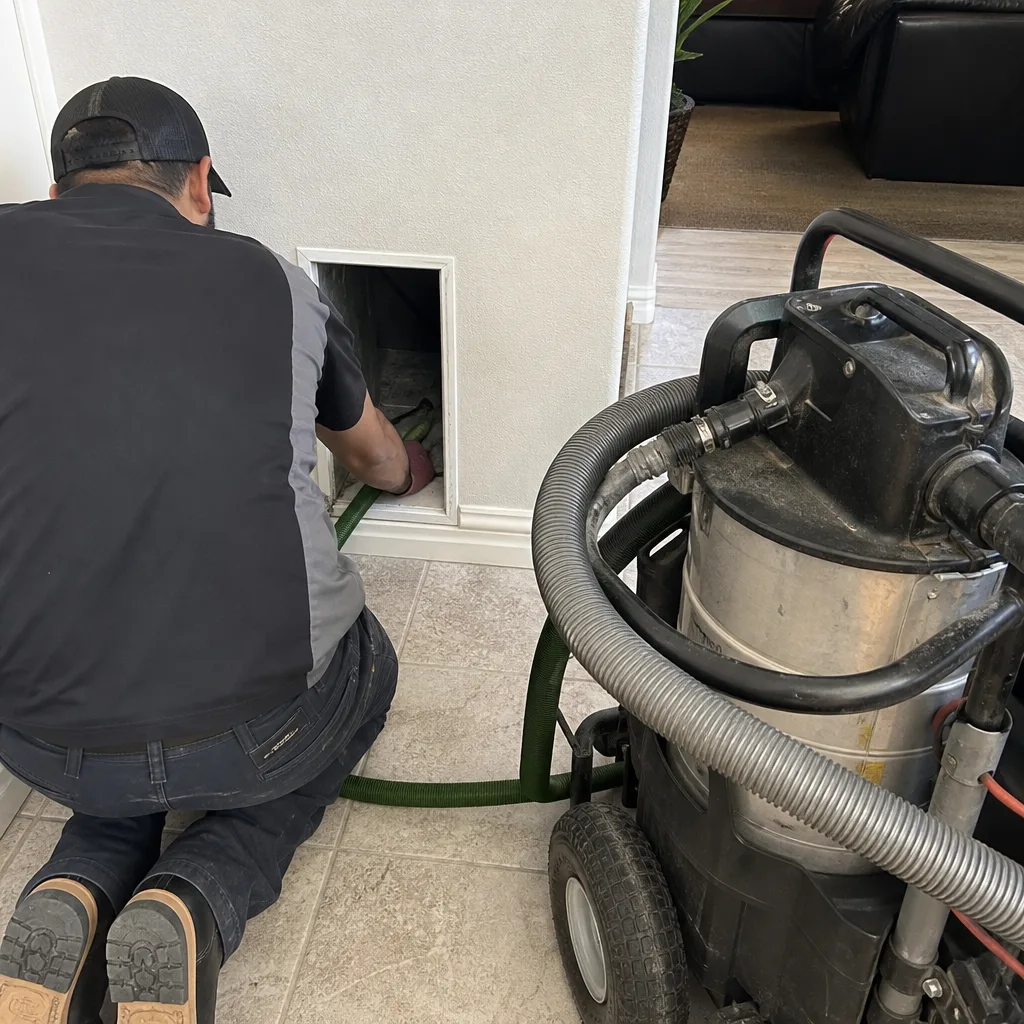 After
AfterHow Much Does HVAC Cleaning Cost in Phoenix?
HVAC Cleaning services in Phoenix, AZ typically cost between $299 and $749 for a standard single-family home, with most CleanRun customers landing somewhere in the $350-$550 range depending on system size, duct count, and what the camera finds once a technician opens the first register. That range covers the full system – supply ducts, return ducts, blower, evaporator coil, and plenum – not just a vacuum pass at the vents. If a quote you’ve seen is significantly below $299, read the fine print on what’s actually included.
HVAC Cleaning Cost Breakdown (2026)
Phoenix homes vary widely in duct layout, square footage, and system age, so a single price doesn’t tell the full story. The table below reflects what CleanRun sees regularly across the Valley – from older ranch homes in Maryvale and Alhambra to newer construction in Ahwatukee and Estrella Mountain Ranch. Every figure is a written upfront price, delivered before a panel comes off the system.
| Service Component | Typical Phoenix Price Range (2026) | Notes |
|---|---|---|
| Air Duct Cleaning (up to 10 vents) | $299 – $399 | Single-story homes under 1,800 sq ft; covers supply and return runs |
| Air Duct Cleaning (11-20 vents) | $399 – $529 | Typical for 2,000-3,000 sq ft homes in Phoenix proper |
| Air Duct Cleaning (21+ vents / large or two-story) | $529 – $749 | Common in Arcadia, Biltmore, and newer developments with complex duct layouts |
| Evaporator Coil Cleaning (add-on) | $89 – $149 | High-priority item in Phoenix; coils collect fine caliche dust year-round |
| Blower Motor / Fan Cleaning | $69 – $99 | Often bundled; blower wheels in Phoenix collect a thick dust-and-oil film fast |
| Plenum Cleaning (supply or return box) | $49 – $79 each | The central distribution box where duct runs originate; often skipped by low-bid crews |
| Dryer Vent Cleaning (bundled) | $89 – $119 | Phoenix lint loads are lighter than humid climates, but the fire risk is identical |
| Antimicrobial / Sanitizing Treatment | $99 – $175 | Applied post-cleaning using Abatement Technologies-compatible foggers; optional |
| UV Air Purifier Installation (Honeywell / Aprilaire) | $249 – $449 | Installed at the air handler; price includes unit and labor |
| Full HVAC Cleaning Package (duct + coil + blower + plenum) | $479 – $749 | Most complete option; what CleanRun recommends after a Phoenix summer of heavy run-time |
What pushes the price up – and what keeps it down
The single biggest variable in Phoenix is duct count. A three-bedroom, two-bath home built in the 1970s in South Mountain might have 12 registers and a simple linear layout. A four-bedroom home built in 2008 in Ahwatukee could have 24 registers across two stories, with multiple elbows and flex-duct transitions that slow down negative-pressure extraction and add cleaning time. More runs mean more work, and the price reflects that honestly.
Contamination level is the second variable. Phoenix’s soil is high in caliche – a calcium carbonate-rich dust that infiltrates duct systems through duct board gaps, return-air leaks around air handlers in garages, and loose register boots. When the inspection camera shows a 2-3 inch debris bed at the first elbow off the plenum, that job takes longer than a system that was last cleaned 18 months ago. CleanRun photographs what the camera finds before quoting anything additional.
Accessibility matters too. Systems where the air handler sits in an attic – common in older Phoenix construction – require the technician to work in attic temperatures that routinely hit 130-140°F in July and August. That doesn’t inflate the price, but it does affect scheduling: CleanRun crews doing attic-handler work in summer typically start before 7 a.m. to get the job done safely.
What keeps the price down: a system cleaned on a regular schedule (every 3-5 years in Phoenix, more frequently if there are dogs or a recent renovation), no prior water intrusion, and flex duct in good condition with no crushed or disconnected runs. If the technician’s camera shows clean duct board and no visible debris bed past the first two feet of each run, that’s a shorter job and a lower price. CleanRun will tell you that on the spot – and put it in writing.
What Affects HVAC Cleaning Pricing in Phoenix
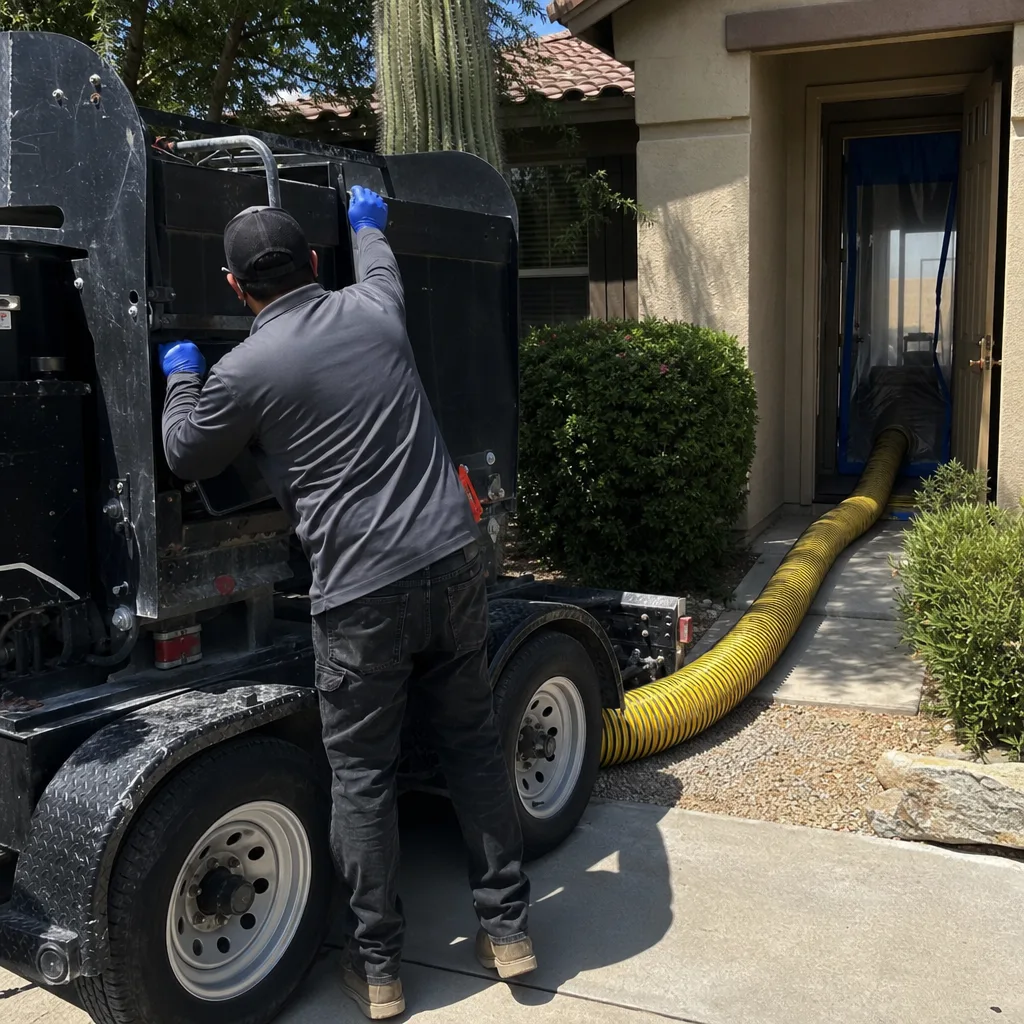
- System size and duct count. Phoenix’s housing stock ranges from 900-square-foot bungalows near downtown to 5,000-square-foot builds in the North Valley. Each additional duct run adds cleaning time, and pricing scales with it. CleanRun counts every supply and return run during the initial walkthrough and quotes per-duct transparency.
- Caliche and desert dust accumulation. Unlike homes in the Midwest or Southeast, Phoenix ducts collect a specific mix of caliche dust, construction particulate (the Valley never stops building), and pollen from olive and mulberry trees – the latter being particularly sticky on duct board interiors. A system that hasn’t been cleaned since 2019 or 2020 will show a measurable debris bed, especially if the home sat vacant during the pandemic years. That accumulation takes longer to remove properly using negative-pressure extraction with a Rotobrush or Nikro setup, which is reflected in the quote.
- Duct material and condition. Older homes in Maryvale, Central Phoenix, and parts of Tempe often have galvanized metal duct that cleans well and tolerates agitation. Newer construction frequently uses flex duct, which is cheaper to install but more prone to crushing, sagging, and debris trapping at low points. Damaged flex duct may require duct repair or sealing before or alongside cleaning – an additional line item that CleanRun quotes separately and photographs before touching.
- Air handler location. Garage-based air handlers (very common in Phoenix) are relatively easy to access and inspect. Attic-based handlers in older Scottsdale and Paradise Valley homes require more setup time and, in summer, genuinely dangerous working conditions. If your handler is in the attic, mention it when booking so scheduling can be adjusted.
- Add-on services and the condition of the coil. Phoenix runs its HVAC systems 10-11 months a year. An evaporator coil that hasn’t been cleaned in two or three seasons develops a felt-like layer of dust and sometimes biological growth – a separate cleaning task from duct work and a meaningful add-on to the base quote. CleanRun technicians photograph the coil condition during the inspection so you can see exactly what’s there before agreeing to anything.
- Haboob season aftermath. Phoenix haboob events (typically July through September) force fine particulate into homes through every gap in the building envelope. Homeowners who schedule a cleaning in October or November after a haboob-heavy monsoon season will often find more debris in the return ducts than at any other point in the year. That’s not a manufactured problem – it’s what the camera shows, and it’s worth scheduling for.
BeforeAfterThe $79 Coupon Problem in Phoenix
Phoenix has one of the most active low-bid duct cleaning markets in the country. If you’ve searched “duct cleaning Phoenix” in the last year, you’ve seen ads for $79 or $99 whole-house cleaning. Here’s what that price typically delivers: a technician with a shop vac and a rotating brush who opens a few registers, makes noise for 45 minutes, and hands over an invoice with upsells totaling three to five times the original quote before the truck leaves the driveway.
CleanRun was built specifically as the answer to that model. Every job starts with a written price – what the trade calls upfront pricing, and what CleanRun formalizes as Haven Standard Clause 1. That means a technician walks the home, counts every duct run, photographs the system condition, and hands you a written number before any panel comes off. The price on that paper is the price on the invoice. No upsell after the job starts. No “we found something” surprises that weren’t on the original scope.
The comparison is easy to verify: bring a competitor’s written estimate to CleanRun, and we’ll put our own written number next to it. Free second opinion, no obligation. That offer is available to every Phoenix homeowner, every time.
What Real HVAC Cleaning Actually Includes
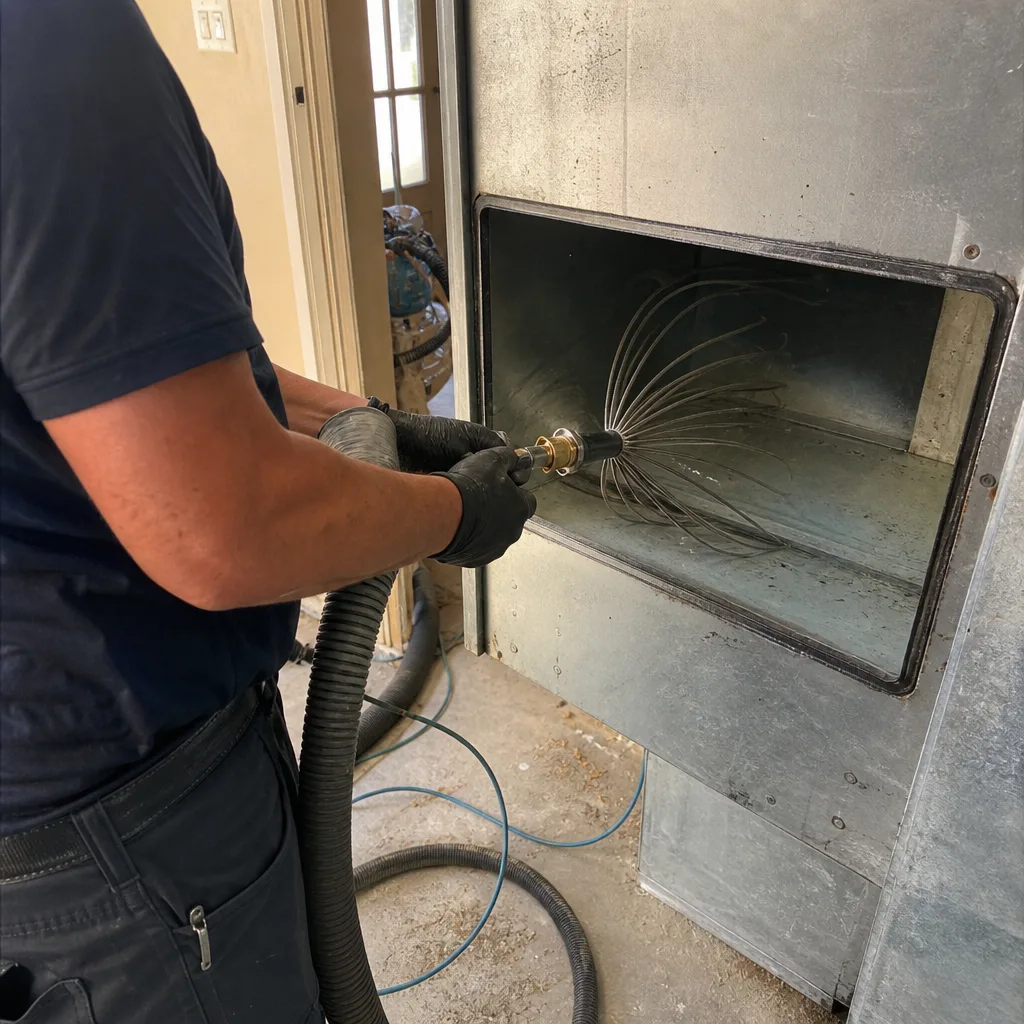
The term “HVAC cleaning” gets used loosely. Here’s what a thorough job covers and why each component matters in the Phoenix climate specifically.
Supply and return duct runs
These are the individual duct lines that carry conditioned air to each room (supply) and pull room air back to the air handler (return). Cleaning involves negative-pressure extraction – a powerful vacuum attached to the main trunk line – combined with agitation tools (Rotobrush rotary brush systems or Nikro compressed-air whips) to break debris loose from the duct walls. In Phoenix flex duct, the corrugated inner lining traps caliche dust at every low point. You can’t remove that with a shop vac at the register.
Plenum cleaning
The plenum is the large sheet-metal box that connects the air handler to the duct runs – think of it as the hub that all the spokes come off of. It collects the highest concentrations of debris because all the air in the system passes through it. Many low-bid crews skip it entirely because it requires opening the system at the air handler, which takes more time. CleanRun includes plenum cleaning as a standard line item and photographs inside before and after.
Blower wheel and motor
The blower wheel is the fan inside the air handler that pushes air through the entire system. In Phoenix, the blower wheel accumulates a thick film of dust mixed with the oils naturally present in the air stream. A dirty blower wheel reduces airflow, makes the system work harder, and increases energy consumption. Cleaning it is separate from duct cleaning and requires partial disassembly of the air handler – worth the extra line item in a climate where the system runs nearly year-round.
Evaporator coil
The evaporator coil sits inside the air handler and is where heat exchange actually happens. In Phoenix, coils are prone to a specific problem: the combination of fine caliche dust and the moisture produced during cooling creates a compacted layer that reduces heat transfer efficiency. A dirty coil makes your system run longer to hit the same thermostat setting, which in a Phoenix summer means real money on the electricity bill. The coil is photographed before cleaning and after.
Documented Photo Record
Every duct run, the plenum, the blower, and the coil are photographed before work starts and after it’s done. That record is delivered to the customer as a standard deliverable – not an option, not an upgrade. CleanRun has held that practice since its first job in 2013. It’s the documented record that separates real work from shop-vac noise, and it’s the reason the 365-Day Done Right Promise has teeth: if the photos from the follow-up visit don’t show the same clean state, we make it right in writing.
How to Save on HVAC Cleaning in Phoenix
There are a few ways to get real value without compromising on what actually gets done inside the system.
- Bundle services on the same visit. Dryer vent cleaning, coil cleaning, and blower cleaning all require the technician to be on-site anyway. Scheduling them together reduces the per-item cost compared to separate visits and saves you from taking another half-day for a second appointment. When you call for a quote, ask CleanRun to price the full bundle in writing and compare line by line.
- Schedule in the shoulder seasons. Phoenix’s busiest HVAC service periods are March through May (pre-summer) and September through October (post-monsoon). If you can schedule in November through February or in late June, availability is typically better and scheduling is easier. CleanRun’s pricing doesn’t change by season – Haven Standard Clause 1 means the written price is the written price – but shoulder seasons mean less waiting.
- Maintain a regular schedule instead of waiting for a problem. A system cleaned every 3-5 years in Phoenix (or every 2-3 years if you have pets or a recent renovation) doesn’t build the compacted debris load that a neglected system does. That keeps each cleaning job shorter, the price lower, and the system running more efficiently between visits.
- Use the free second opinion. If you have a written estimate from another company, CleanRun will put a written number next to it at no charge. No obligation. If the other company is genuinely offering the same scope for less money, we’ll tell you. If the $79 coupon company’s actual invoice is sitting at $450 before they leave, that’s worth knowing before you book.
- Ask what’s actually in the scope before booking. The difference between a $299 quote and a $549 quote often comes down to whether the plenum, coil, and blower are included. Ask for line items in writing. Any company unwilling to provide that before work starts is telling you something important.
For a written upfront price on your Phoenix home’s system, call (480) 500-6377. A live person answers every call, and a quote is a written document – not a number you’ll need to remember later.
Phoenix Neighborhoods and HVAC Cleaning Context
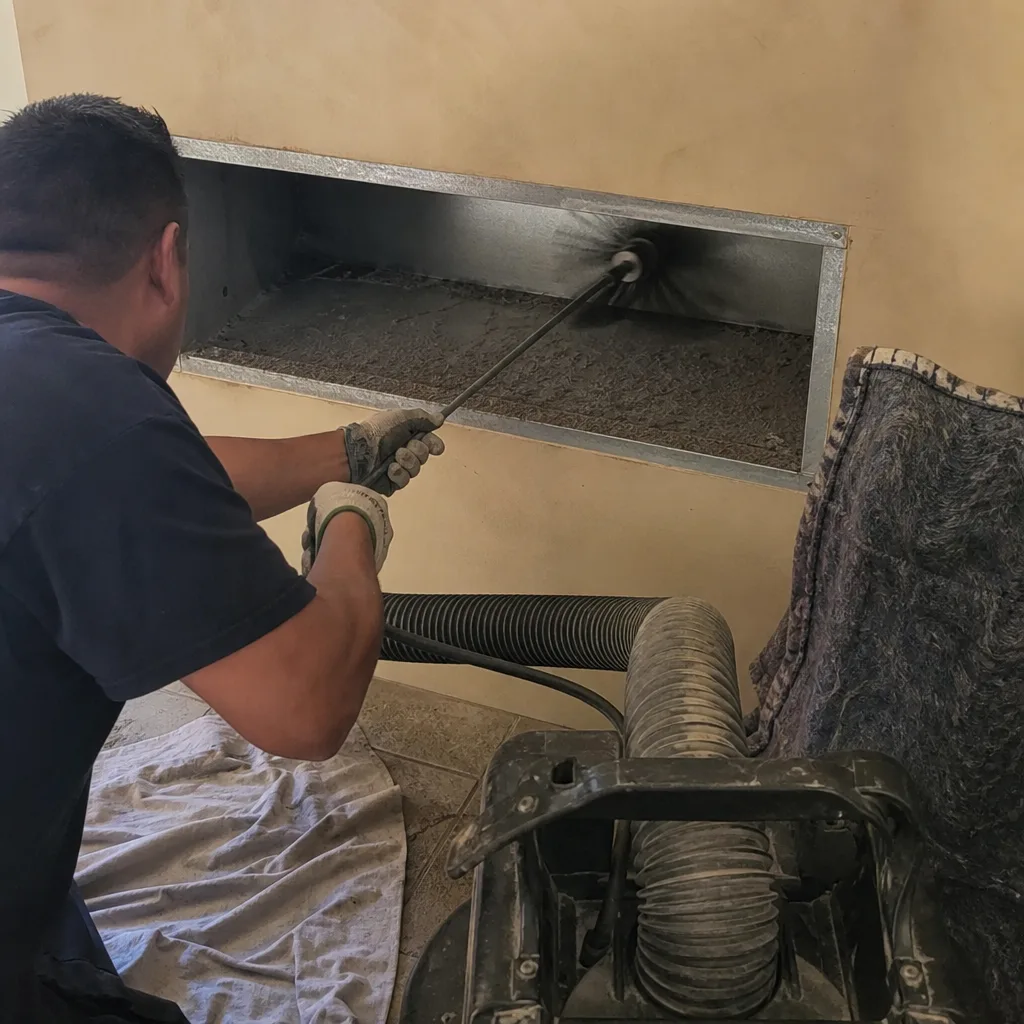
Phoenix’s neighborhoods have meaningfully different HVAC profiles, and a few are worth knowing about specifically.
In Arcadia and Biltmore, older ranch homes from the 1950s and 1960s often have original sheet-metal ductwork – well-built but decades overdue for cleaning. The duct runs tend to be long and linear, which makes negative-pressure extraction efficient, but the accumulated debris from 40-plus years (even with periodic cleaning) can be substantial. We regularly photograph 2-3 inch debris beds in the main trunk lines of Arcadia homes that haven’t been serviced since 2018 or earlier.
In Ahwatukee and Laveen, newer construction (post-2000) almost always uses flex duct throughout. Flex duct is installed fast, but it sags, kinks, and traps dust at low points in ways that rigid metal doesn’t. Homes here are also larger – 2,500-3,800 square feet is common – so duct counts run high and cleaning time is correspondingly longer.
In Central Phoenix and Maryvale, we see a high proportion of systems with air handlers in garages. Garage-based handlers pull from a space that collects construction dust, vehicle exhaust, and whatever blows under the garage door during a haboob. The return-air filter typically catches a lot, but what gets past it goes straight into the duct system. These systems often show heavier contamination than attic-based systems of the same age.
In Paradise Valley and North Scottsdale, the combination of large homes and custom layouts means duct work is sometimes complex enough to require mapping before cleaning begins. A technician who doesn’t walk the system first – checking each register, tracing runs, photographing the air handler space – is skipping a step that affects the quality of the cleaning.
No matter the neighborhood, the process at CleanRun is the same: walk the system, count the runs, photograph before quoting anything additional, deliver a written price, do the work, photograph every run after, and hand over the documented record before leaving. That’s the HVAC Cleaning in Phoenix standard we’ve held since the company started.
When to Schedule HVAC Cleaning in Phoenix
Phoenix’s climate creates a case for more frequent cleaning than most national guidelines suggest. The EPA’s general recommendation of every 3-5 years was written for climates with seasonal HVAC use. In Phoenix, the system runs continuously from April through October – sometimes 14-16 hours a day in July and August – which means the blower wheel, coil, and duct surfaces are accumulating dust at a much faster rate than a system that shuts off for five months every year.
The strongest case for scheduling: right after a monsoon season with significant haboob activity (October or November), after any home renovation that produced drywall dust or construction debris, after a water event that touched the ductwork, or after moving into a home where you don’t have documentation of the last cleaning. In the last case, CleanRun will photograph the system condition on arrival – that’s the starting record, and it tells you more than any seller disclosure.
Homes with dogs are a specific case. Dog hair is the most effective filter media in existence for duct board surfaces. In homes with two or more dogs, we regularly see enough hair at the return-air boots and inside the first two feet of duct runs to meaningfully restrict airflow within 18 months of a prior cleaning. If you have dogs and haven’t had the system cleaned in two years, the camera will show it.
The 365-Day Done Right Promise
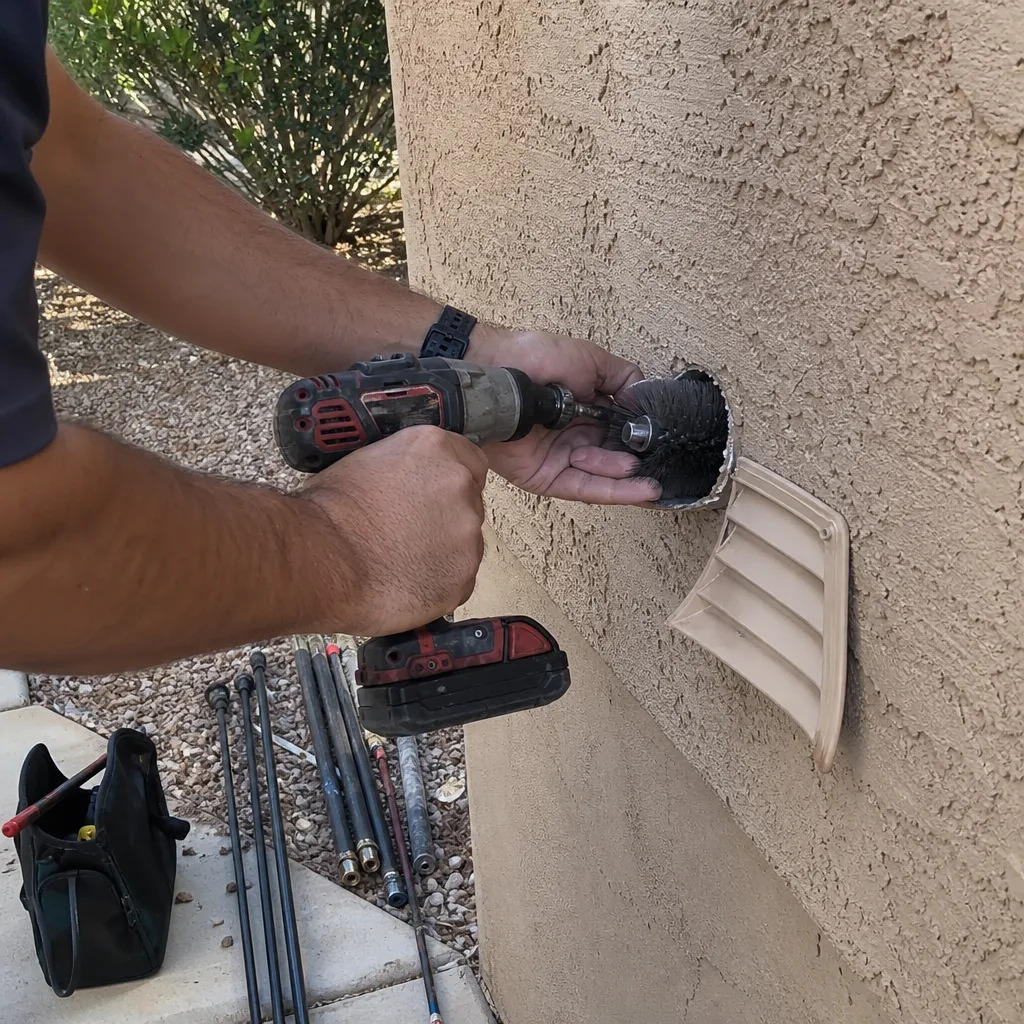
Every CleanRun job in Phoenix is backed by the 365-Day Done Right Promise: if the work is not right, we make it right. That’s a written commitment, not a marketing line subject to manager approval. It’s on the job record that gets delivered with the photo documentation when the crew leaves.
The reason it’s possible to make that promise is because the starting condition is documented. If a customer calls six months later and says the system doesn’t seem right, CleanRun has before-and-after photos from the original visit and can schedule a follow-up with a camera. Either the system was cleaned correctly and something new is happening (which the photos will show), or it wasn’t – and if it wasn’t, it gets fixed. That’s what “backed in writing” actually means.
From the home page to every individual job record, CleanRun’s documentation standard is the same: show what was found, show what was done, and stand behind it for 365 days.
FAQs – HVAC Cleaning Cost in Phoenix
How much does HVAC cleaning cost in Phoenix in 2026?
HVAC cleaning in Phoenix runs $299-$749 for most single-family homes, with the majority of jobs landing between $350 and $550. That range covers supply ducts, return ducts, the plenum, blower, and evaporator coil. Homes with more than 20 vents or significant contamination from caliche dust or pet hair will be at the higher end. Call (480) 500-6377 for a written upfront price – no estimate required before we put a number in writing.
Why is duct cleaning so cheap in some Phoenix ads?
The $79-$99 coupons typically cover 8-10 vents with a shop-vac-grade setup, and the final invoice after on-site upsells frequently runs $400-$600 anyway – but without a written price delivered before work starts, you have no way to compare. CleanRun’s written upfront price is the final price. If you have a competitor’s written estimate, bring it and CleanRun will put its own number next to it for free.
Does HVAC cleaning lower energy bills in Phoenix?
A clean evaporator coil and clear duct runs measurably improve airflow efficiency, and in Phoenix, where the system runs 10-11 months a year, that improvement shows up on the APS or SRP bill. The effect is most pronounced when the coil had a significant dust layer before cleaning. CleanRun photographs coil condition before and after so you can see the difference – not just take our word for it.
How long does HVAC cleaning take in a typical Phoenix home?
A 2,000-2,500 square foot Phoenix home with 14-18 vents typically takes 2.5 to 4 hours for a full cleaning including ducts, plenum, blower, and coil. Larger homes or systems with heavy contamination run longer. The technician does a full walkthrough before starting and gives you a time estimate along with the written price.
How often should Phoenix homeowners clean their HVAC system?
Every 3-4 years is the right interval for most Phoenix homes without pets or recent renovations. Homes with dogs or cats: every 2-3 years. After a major renovation or a significant haboob season with visible dust infiltration: schedule a cleaning regardless of the last service date. Phoenix’s near-continuous HVAC run-time makes more frequent cleaning appropriate compared to cooler climates. Call (480) 500-6377 if you’re not sure when yours was last serviced – the camera inspection tells the story.
Is HVAC cleaning worth it in Phoenix?
Yes – with one condition: it has to be done with professional-grade negative-pressure extraction equipment (Rotobrush, Nikro) and documented before and after. A thorough cleaning improves airflow, reduces the load on the blower motor, and removes the caliche dust that builds up inside Phoenix duct systems over time. A shop-vac pass at the registers doesn’t accomplish any of that, and isn’t worth the price at any level. The documentation is how you tell the difference.
Key Takeaways
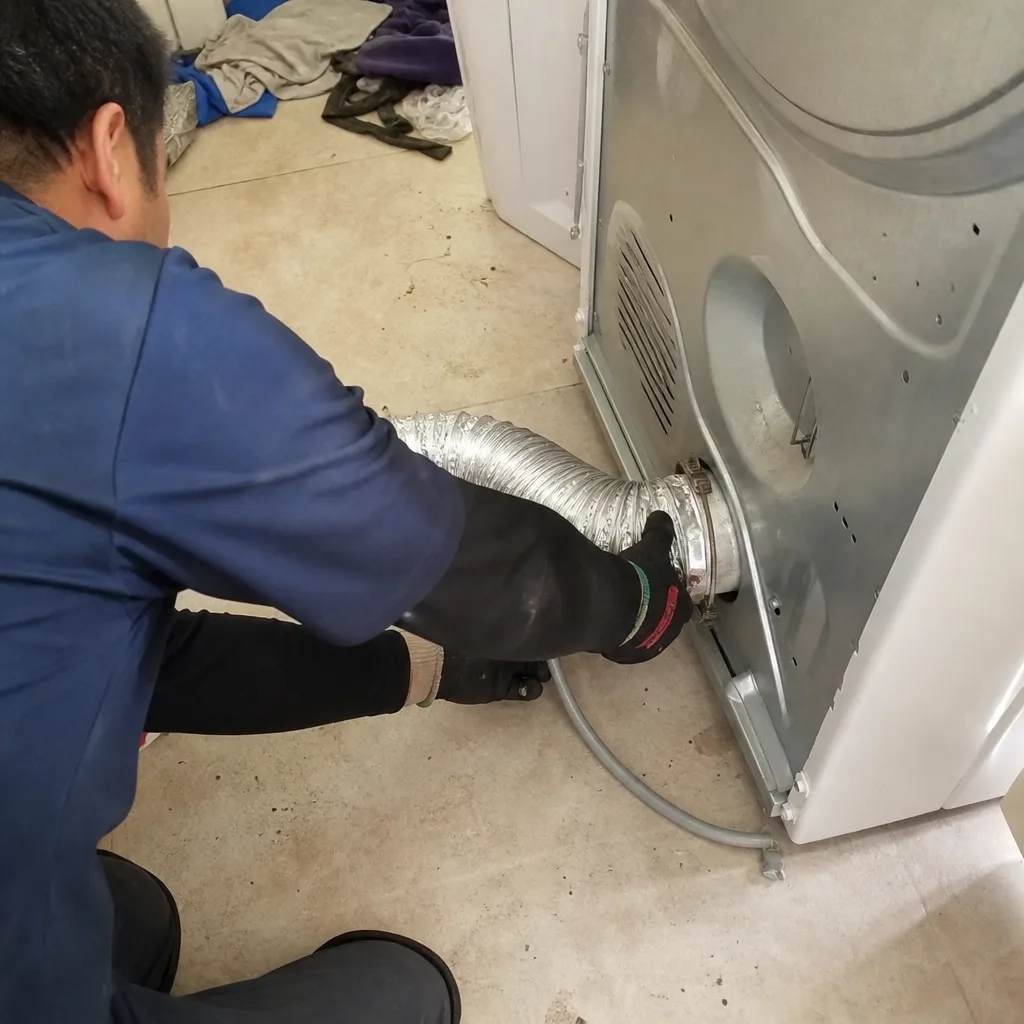
- HVAC cleaning in Phoenix costs $299-$749 for most single-family homes; full system packages (duct, coil, blower, plenum) run $479-$749.
- Phoenix-specific factors – caliche dust, near-continuous HVAC run-time, garage air handlers, haboob infiltration – make the local market different from national averages.
- Every CleanRun job starts with a written upfront price (Haven Standard Clause 1) and ends with a documented photo record of every duct run.
- The 365-Day Done Right Promise is a written commitment backed by the photo record, not a policy subject to approval.
- The $79 coupon model is well-documented in Phoenix: verify the scope in writing before any work starts, or use CleanRun’s free second opinion on any written estimate.
- Professional-grade equipment – Rotobrush, Nikro, Abatement Technologies – is what separates negative-pressure extraction from shop-vac noise. Look up the brands before agreeing to a price.
- CleanRun has served Phoenix homeowners since 2013, with a written price and documented photo record on every job since the first one.
Ready for a written price on your Phoenix home’s system? Call (480) 500-6377 – a live person answers every call, and the written estimate is free. Tomas Reyes and the CleanRun team serve all Phoenix neighborhoods, from Maryvale and South Mountain to Arcadia, Ahwatukee, and the North Valley.
Pricing reflects the Phoenix, AZ market as of 2026. CleanRun Air Duct Cleaning Phoenix offers free estimates – call (480) 500-6377.
Written by Tomas Reyes, Owner at CleanRun Air Duct Cleaning Phoenix, serving Phoenix, AZ since 2013.
What Our Customers Say
"On time, professional, and explained what the readings meant without talking down to me."
- Warren E."Thorough job on the ducts and the dryer vent. Left the house clean and the paperwork was clear."
- Rafael I."The dryer vent was almost completely blocked with lint. They showed me the photograph and I understood immediately why the dryer had been running twice."
- Lucia M.