
Whole-system duct and dryer vent check with before-and-after photos - you see exactly what came out of your vents
That "$99 whole-house special" is a bait ad - the real number appears once they are in your hallway, or the "clean" is a shop-vac at the register. We photograph the inside of your ducts before and after instead.
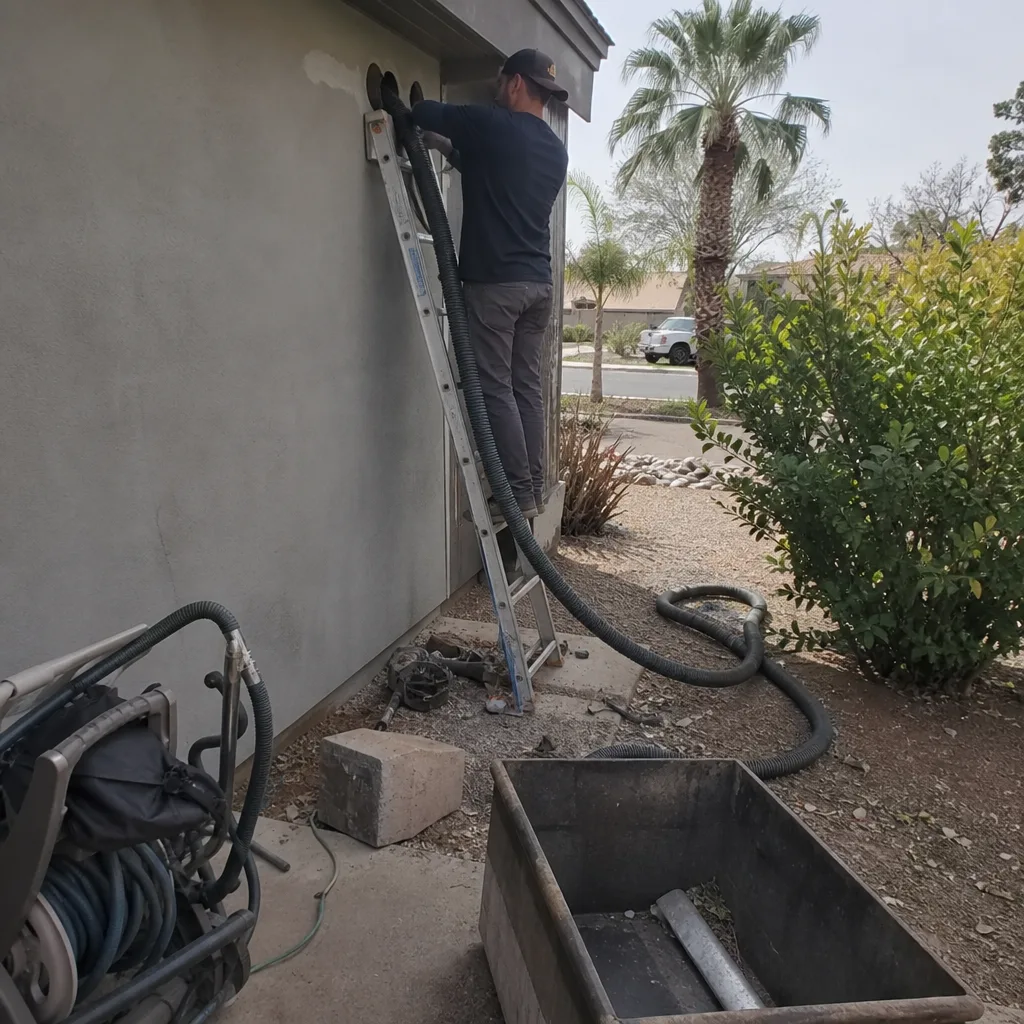 Before
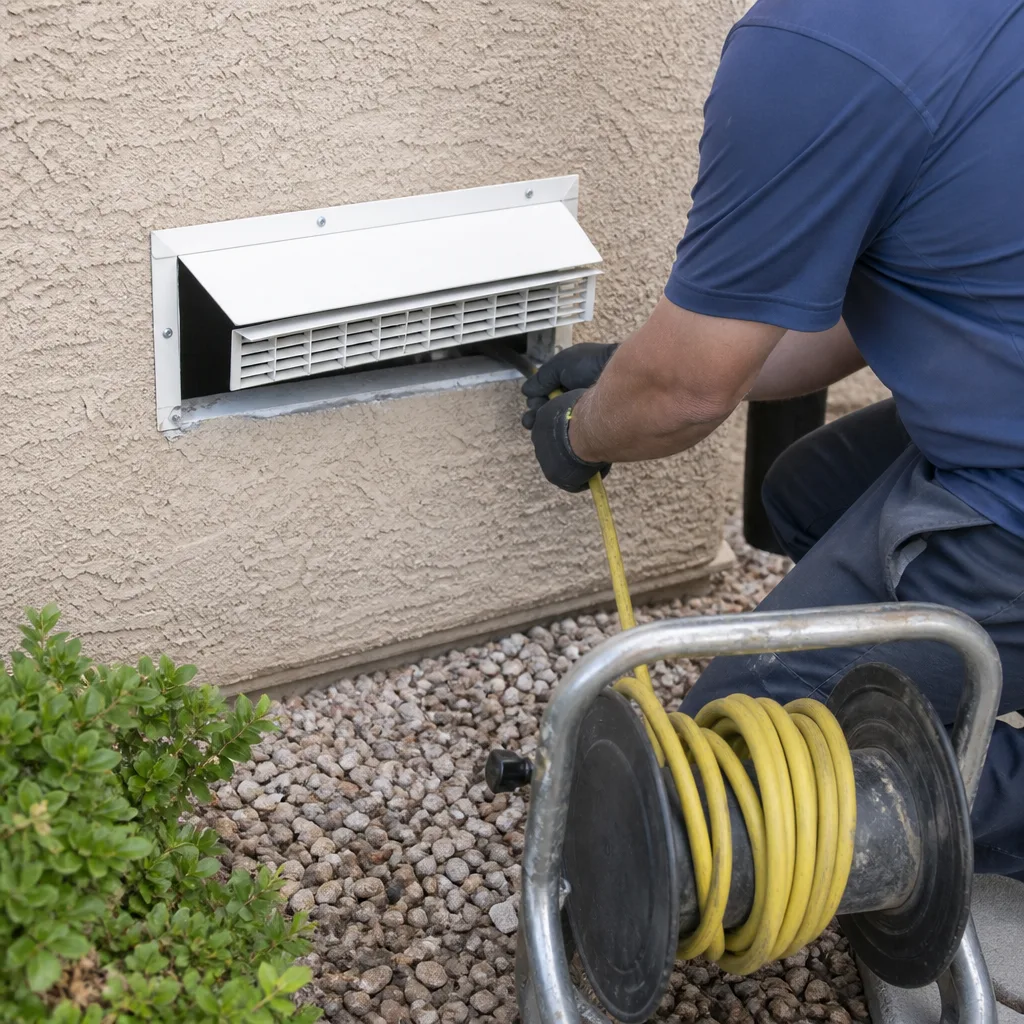 After
After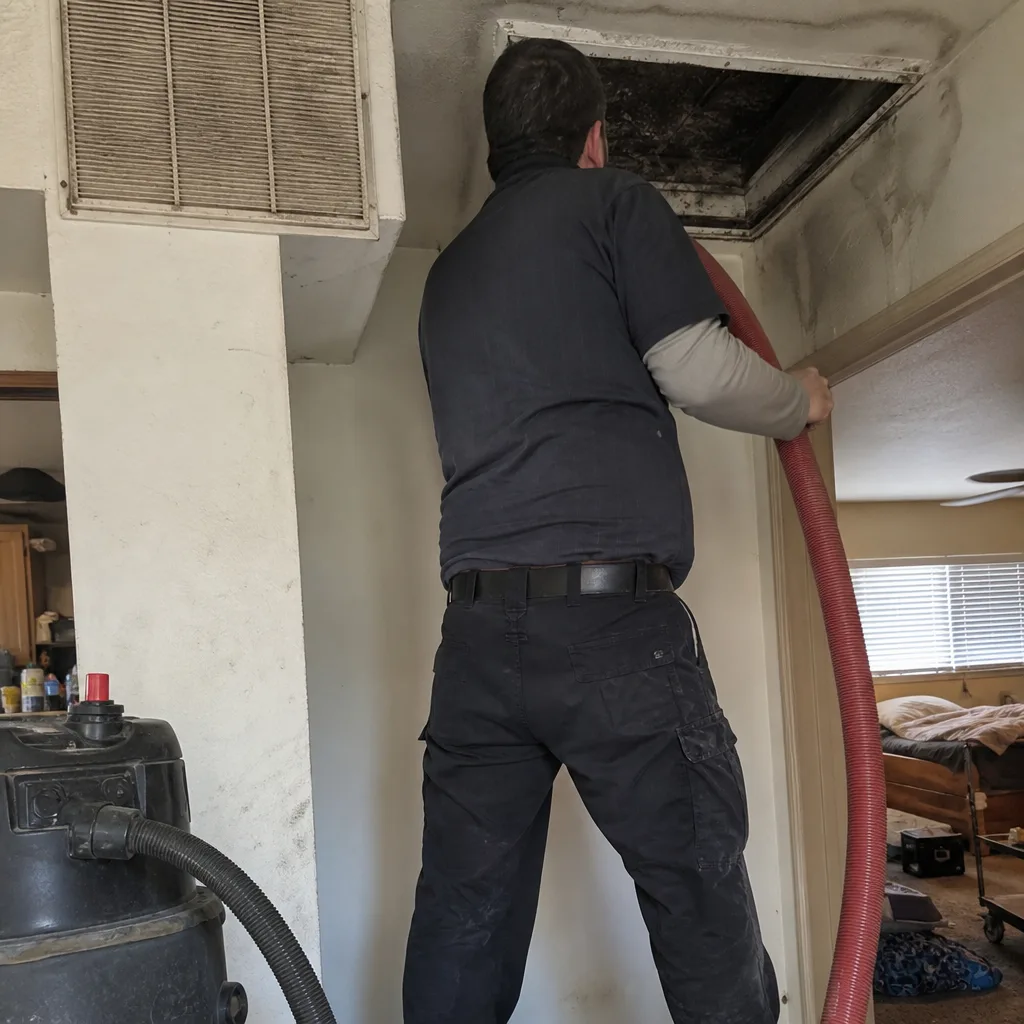 Before
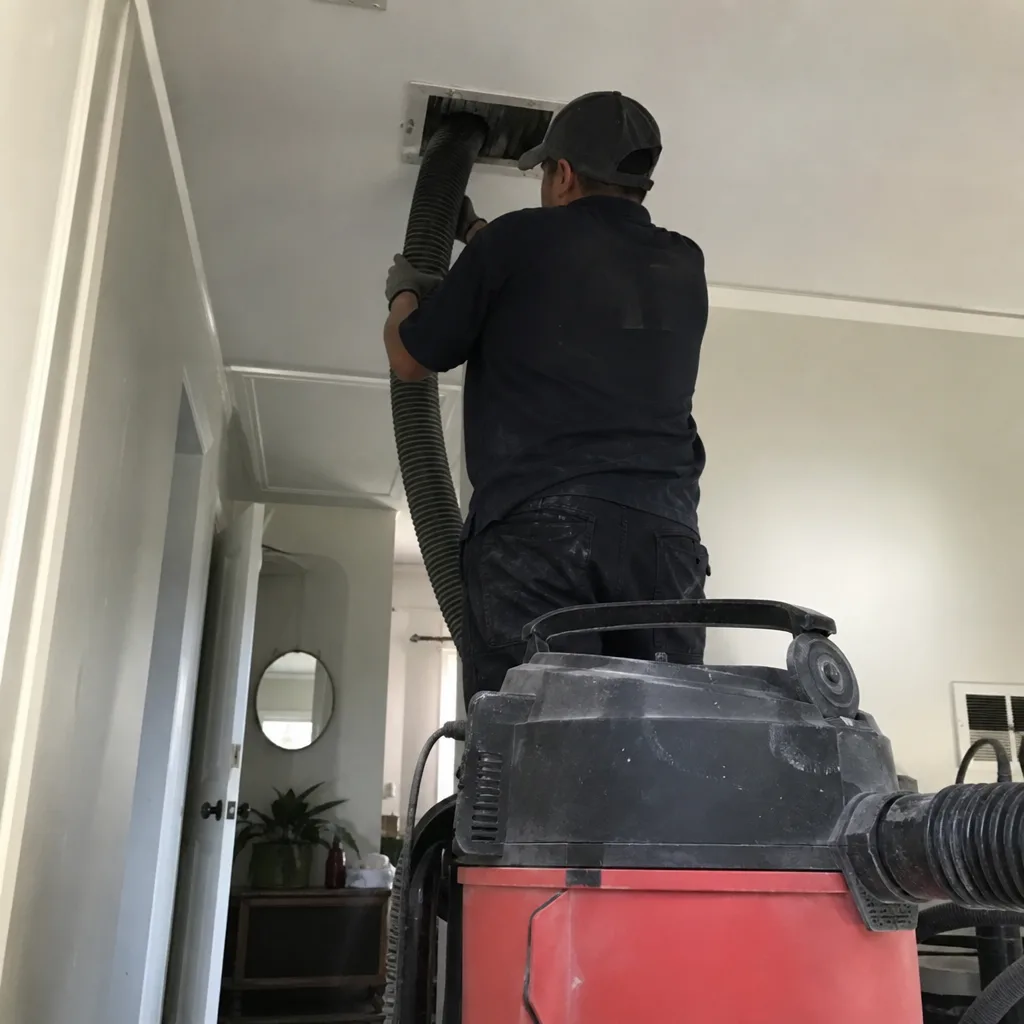 After
After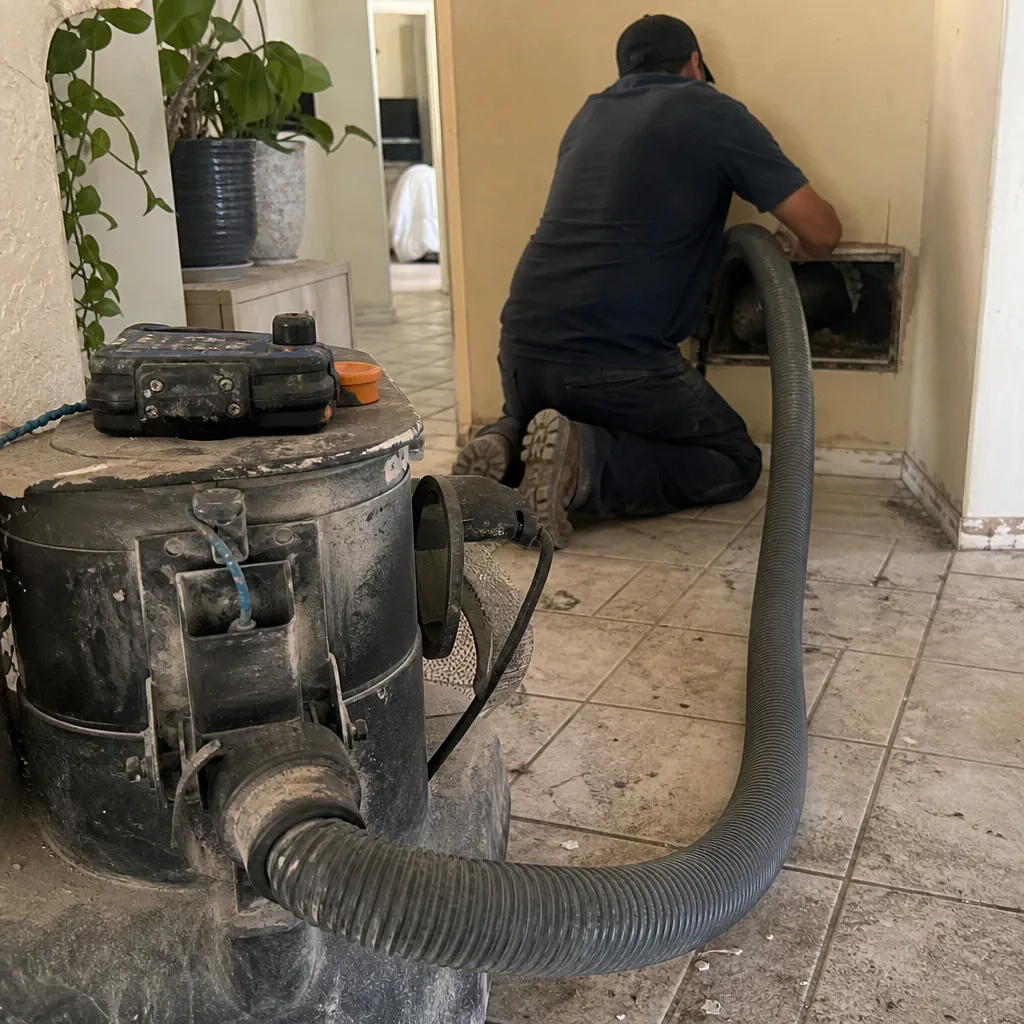 Before
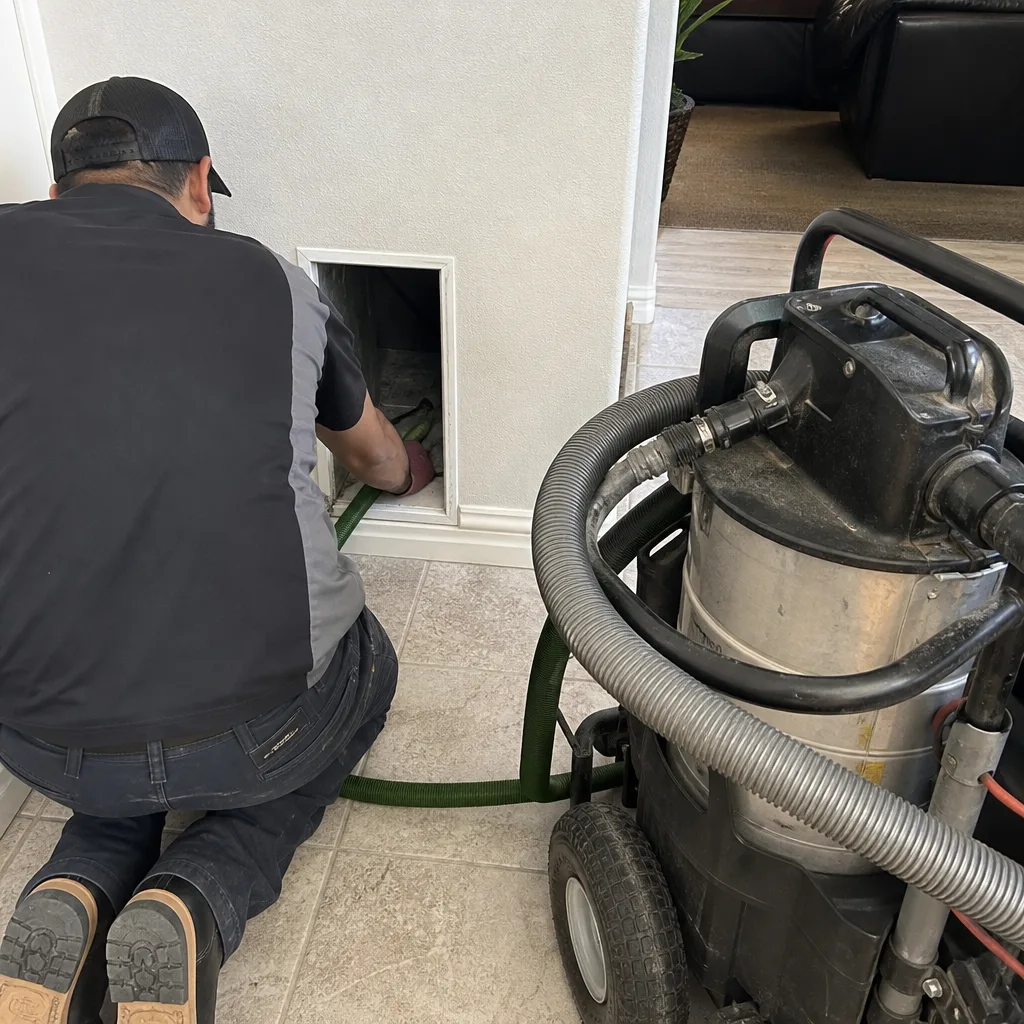 After
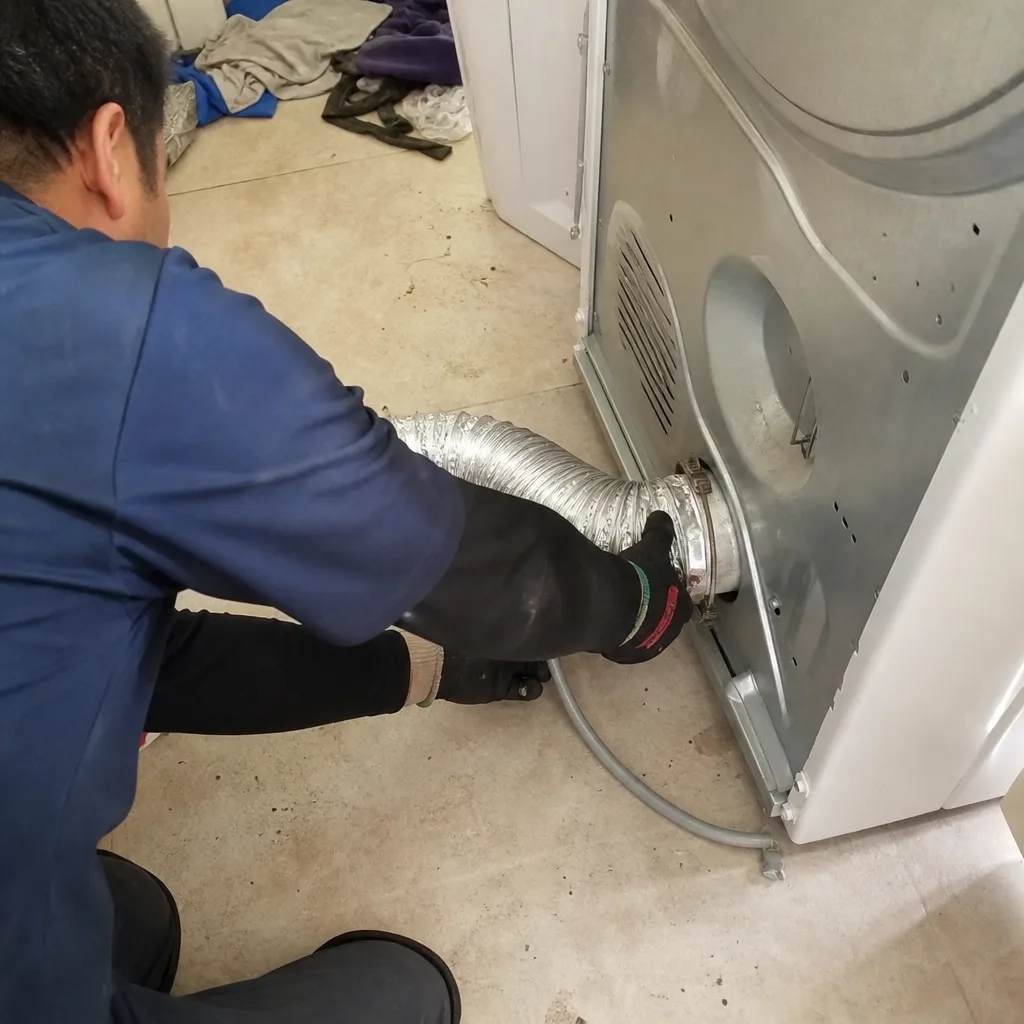
AfterDryer Vent Inspection in Phoenix, AZ
A Dryer Vent Cleaning services inspection in Phoenix typically runs $79-$149 as a standalone service, takes 45-75 minutes, and produces a written scope with photographs before any cleaning or repair work is proposed. If lint has been accumulating inside your ductwork for more than two years – or if your dryer is taking longer than one cycle to dry a normal load – an inspection tells you exactly what’s inside and what, if anything, needs to happen next.
CleanRun Air Duct & Vent Cleaning Phoenix has been doing this since 2013, across more than 52,000 homes in the metro area. Every inspection starts with a written price before the technician touches anything, and ends with a documented photo record the customer keeps. That record is what separates a real inspection from someone poking a flashlight at your exterior cap and calling it done.
If you already know you need cleaning, our Dryer Vent Cleaning in Phoenix page covers that service in full detail. If you’re not yet sure whether cleaning is warranted, this is the right place to start.
To schedule or get a written price, call (480) 500-6377 – a live person answers every call.
When You Need a Dryer Vent Inspection
Phoenix’s climate creates a specific set of conditions that accelerate lint buildup and duct degradation faster than most homeowners expect. High-dust monsoon months push particulate into exterior termination caps. Summer heat makes flexible foil ductwork – still common in homes built between 1985 and 2005 across Ahwatukee, Maryvale, and central Phoenix – crack and separate at the joints. An inspection catches both categories of problem.
Book an inspection if any of the following are true:
- Drying time has increased over the past few months. A correctly vented dryer running a standard cotton load should finish in 35-45 minutes. If you’re running two cycles routinely, restricted airflow is the most likely cause – and a borescope camera check will show exactly where the blockage sits.
- You haven’t had the vent inspected in more than two years. The U.S. Fire Administration recommends annual inspection for dryers used more than four times per week, which covers the majority of Phoenix households with school-age children.
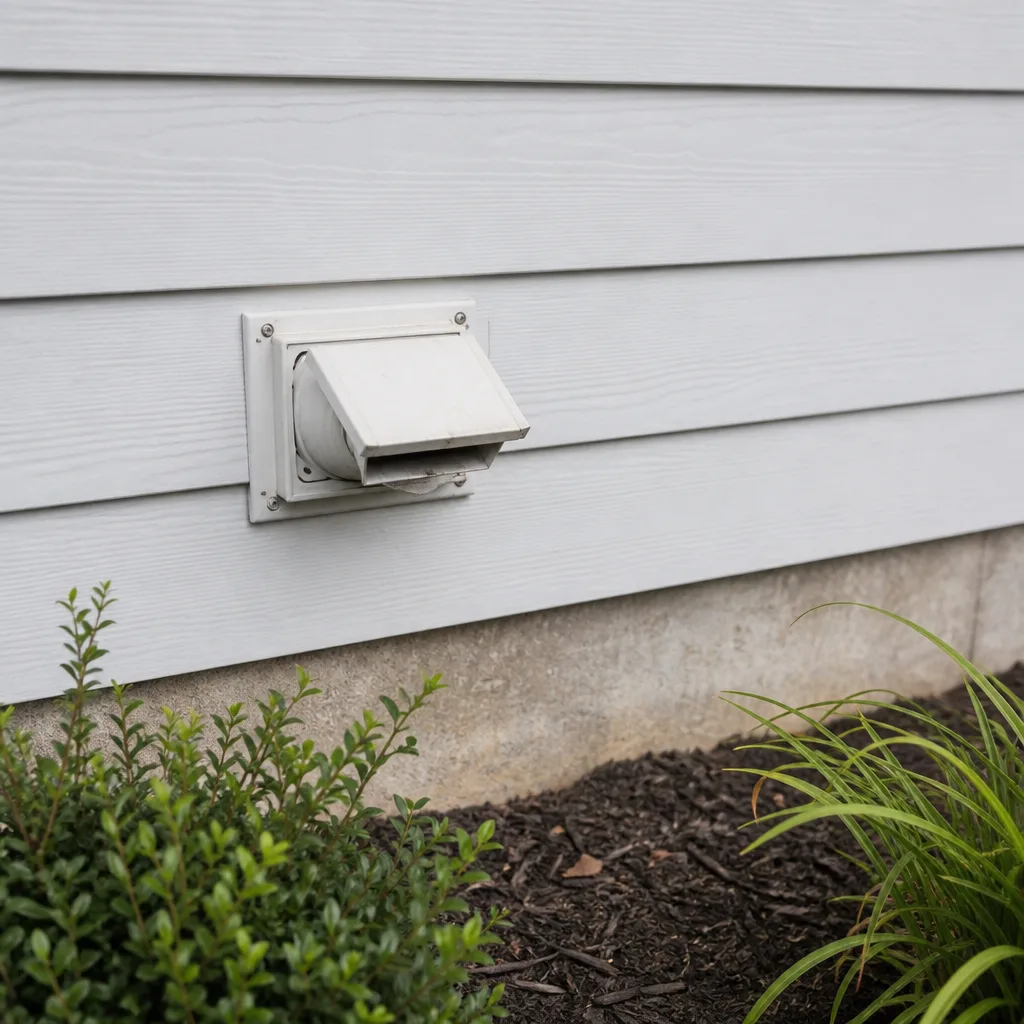
- The exterior termination cap is missing its flap or is visibly blocked. Phoenix is home territory for several bird species – house sparrows and European starlings in particular – that nest inside termination caps between February and June. We find active or recent nesting material inside dryer vents in Arcadia and Tempe-adjacent neighborhoods at a rate that surprises most homeowners.
- Your dryer’s exterior housing feels unusually hot to the touch. Backpressure from a blocked duct forces exhaust heat back into the machine. The dryer itself running hotter than normal is a measurable warning signal, not a vague feeling.
- The laundry room has a persistent musty or burning smell after a dryer cycle. A burning smell means lint is contacting a hot surface somewhere in the run. A musty smell in Phoenix’s humidity-controlled homes often points to a disconnected joint pulling conditioned air into an unconditioned space.
- You’re moving into a home or finishing a renovation. Duct routing changes during renovation are one of the most common sources of excessive duct length or unsupported sag. Homes built or remodeled in Phoenix’s fast-growth 2000-2010 period frequently have duct runs that exceed the 25-foot equivalent length limit without supplemental boosters.
Our Dryer Vent Inspection Process
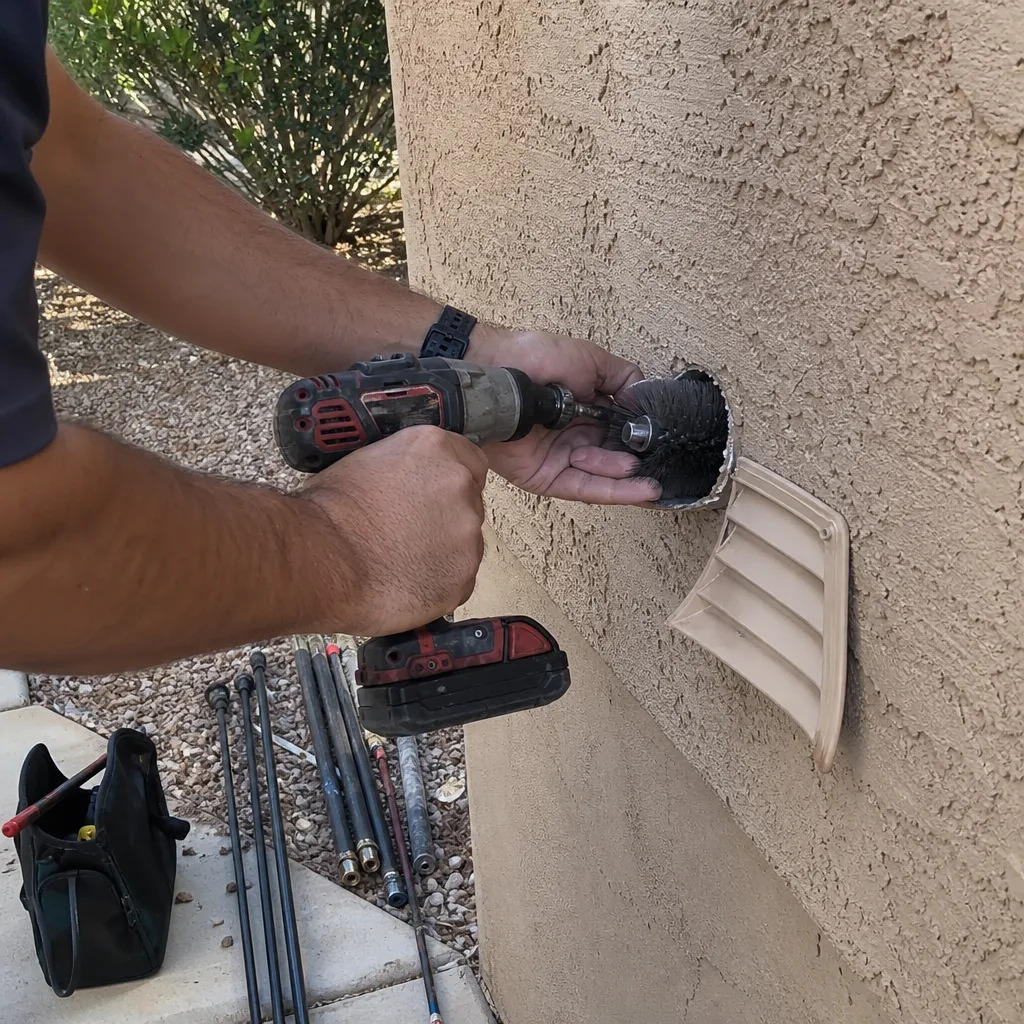
Every step below is performed on every inspection. Nothing is skipped based on what the vent looks like from the outside.
- Written price before work begins – Haven Standard Clause 1. The technician delivers a written scope and price before any panel comes off or any camera goes in. The number on that paper is the number on the invoice. There is no version of this job where pricing is delivered after we’ve seen what’s inside.
- Visual termination cap assessment. We check the exterior cap for missing flaps, bird nesting material, crushed screens, or backwards installation. Pest-screen caps – sometimes installed during construction as a cost-saving measure – create enough static pressure drop to cut airflow by 30-40% on their own. If that’s the only problem, you’ll know it in the first five minutes.
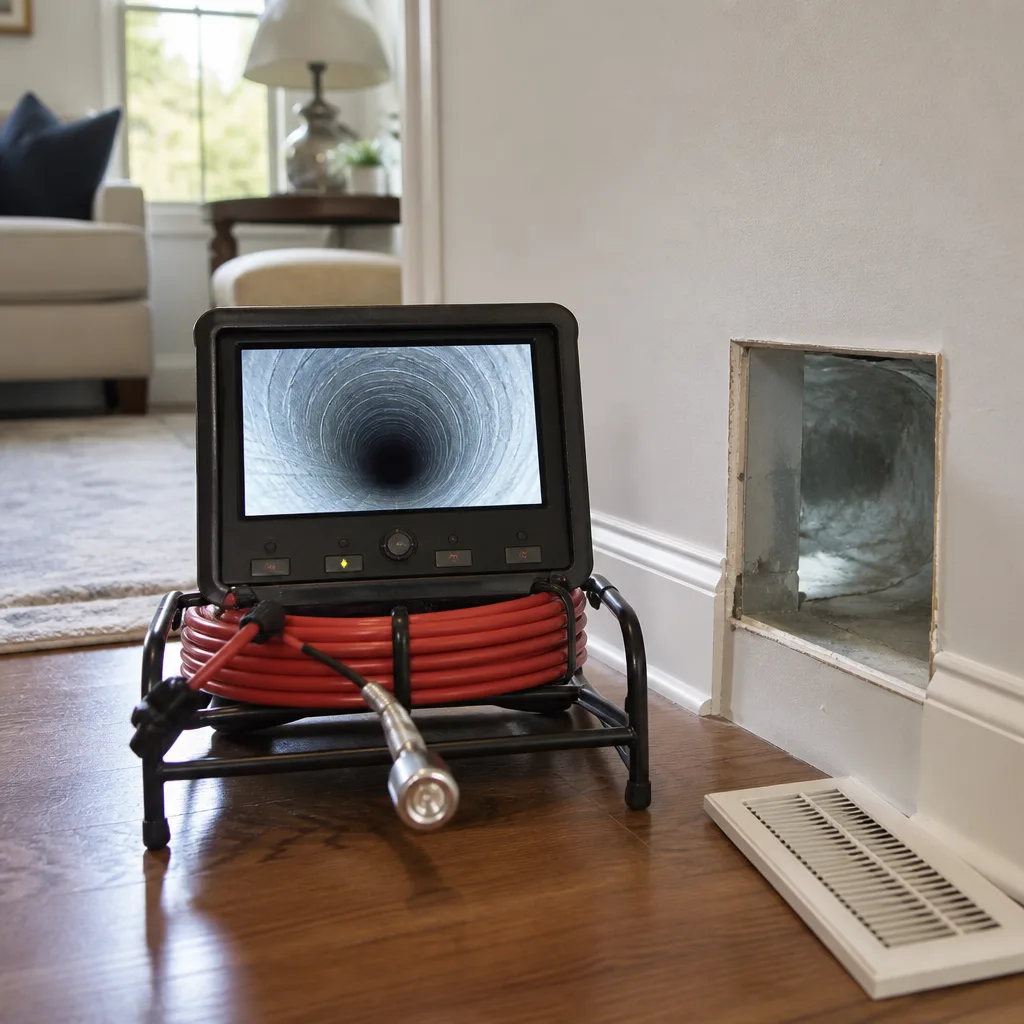
- Borescope camera documentation of the full duct run. A flexible borescope is fed from the interior connection point through every foot of the duct to the exterior cap. The camera images the inside wall of the duct – lint depth, joint integrity, flex-duct sag, and any disconnection points. Every photo is timestamped and labeled by location within the run. Customers receive this as part of the standard job record, not as an upsell.
- Airflow measurement at source and termination. We measure cubic feet per minute at both the dryer connection and the exterior cap. The difference between those two numbers tells us the efficiency loss across the run. A new, correctly installed duct typically loses less than 10% between those two points. We’ve seen runs in older Encanto and Willo district homes that lose more than 60% before the air ever reaches the outside.
- Duct material and routing assessment. Flexible foil accordion duct – the silver accordion-style duct still common in older Phoenix construction – is no longer code-compliant as a primary run material under most interpretations of the current IRC. We note the material type, total equivalent length, number of elbows, and whether the routing meets current City of Phoenix residential code. That information goes into the written report whether or not it requires immediate action.
- Written findings report with photo record delivered to customer. At job completion, you receive a written summary of what the camera found, the airflow measurements, the duct material assessment, and – if cleaning or repair is warranted – a written price for that next step. The 365-Day Done Right Promise applies to all work performed: if something we touched isn’t right within 365 days, we make it right. In writing, not subject to manager approval.
BeforeAfterDryer Vent Inspection Pricing in Phoenix
A dryer vent inspection in Phoenix from CleanRun costs $79-$149 for most single-family homes. The written price is delivered before work begins – Haven Standard Clause 1 – so the range below reflects what drives the final number, not a way of keeping the real price hidden until we’re already there.
| Scenario | Typical Price Range |
|---|---|
| Standard single-story home, duct run under 20 feet | $79-$99 |
| Two-story home or duct run 20-35 feet with multiple elbows | $99-$129 |
| Complex routing, rooftop termination, or suspected disconnection requiring extended camera work | $129-$149 |
| Inspection bundled with full dryer vent cleaning on same visit | Inspection fee typically waived |
What moves the number within that range: total duct length, number of direction changes (each 90-degree elbow adds roughly 5 feet of equivalent length to the run), termination point location (rooftop termination in Phoenix high-desert ranch homes requires additional access time), and whether the borescope needs to be worked through a debris blockage to complete the run.
If you’ve received a written estimate from another company, CleanRun will put its own written number next to theirs at no cost. That’s not a promotional offer – it’s the Free Second Opinion we make available on any written estimate as a standard practice.
Call (480) 500-6377 to get your written price. No obligation to book, no “quote subject to change once we arrive.”
What the Camera Actually Shows in Phoenix Homes
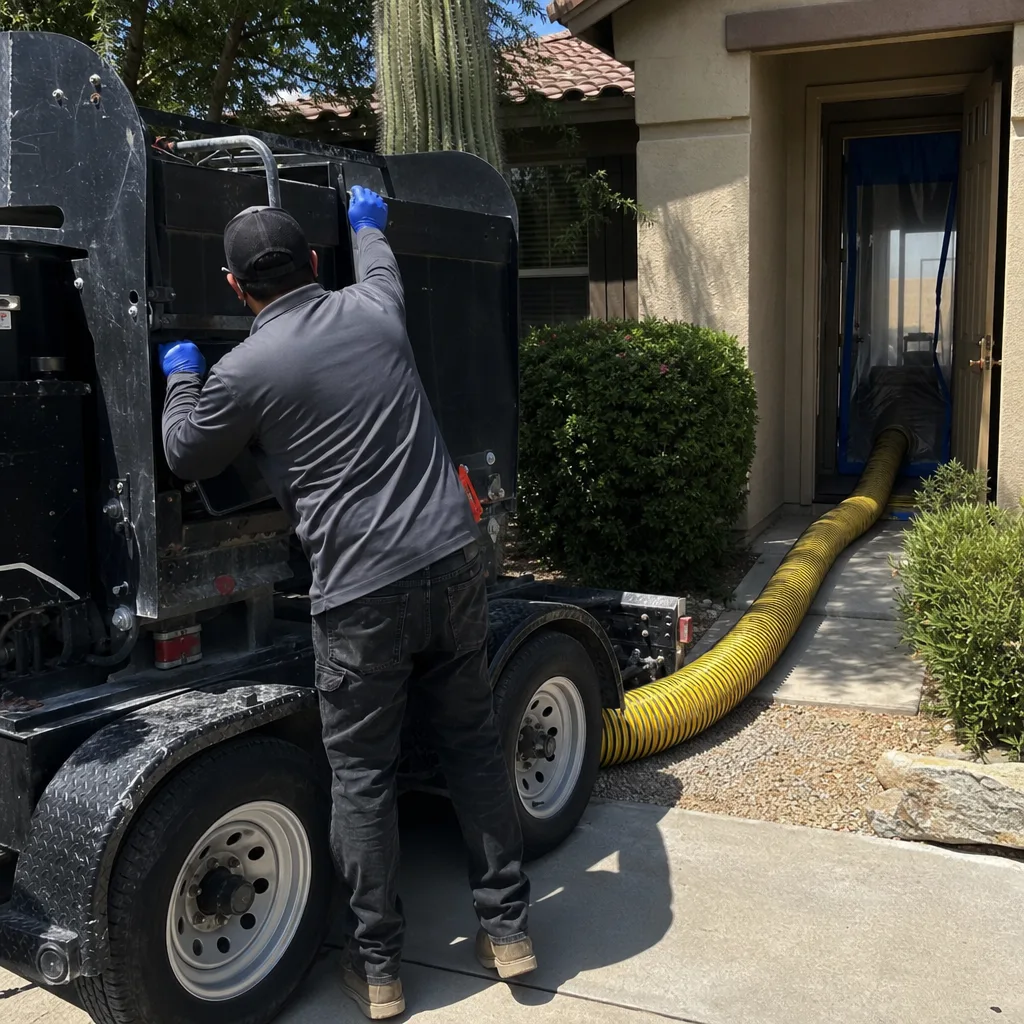
The borescope images from Phoenix inspections have some patterns worth knowing before you assume your vent is fine.
In homes built before 1995 – common in areas like Sunnyslope, South Mountain, and central Phoenix neighborhoods near Camelback – the duct material is often thin-walled flexible foil that has developed spiral crush points at every support location. The crush points look minor from the outside of the duct but reduce the internal diameter from the standard 4 inches to as little as 2.5 inches. That reduction cuts airflow roughly in half. The dryer works harder, runs hotter, and the lint that would normally exhaust instead deposits on the inside wall of the restriction.
In homes built between 2000 and 2012 across the West Valley and North Phoenix – particularly in Surprise, Peoria, and the northern Scottsdale-adjacent builds – we regularly find duct runs that were installed at the maximum allowable length and then added one elbow too many during a bathroom renovation. The run was legal at build; it stopped being legal after the remodel. The dryer has been fighting that resistance ever since.
The Nikro inspection camera system we use gives us a full-color, high-resolution image of the duct interior. Customers see the same image the technician sees, on the same screen, in real time. There’s no interpretation required – lint at the first elbow 18 inches from the connection point is visible as lint, not as a technician’s claim.
Phoenix Dryer Vent Code Requirements – What Homeowners Should Know
Phoenix enforces the International Residential Code for dryer vent installations, which specifies a maximum equivalent duct length of 25 feet for a 4-inch smooth-wall rigid duct with no elbows. Each 90-degree elbow subtracts 5 feet from that allowance; each 45-degree elbow subtracts 2.5 feet. A run with two 90-degree elbows has a maximum allowable straight-duct length of 15 feet before a powered booster is required.
This matters in Phoenix specifically because single-story ranch homes with laundry rooms positioned far from an exterior wall – a layout common in 1960s-1980s construction in areas like Maryvale and the central districts – often have runs that would require either rerouting or a booster fan to meet current code. Our inspection report notes the equivalent length and flags any non-compliance so homeowners have that information in writing.
We don’t manufacture code problems. The written report states what we measured and what the code requires. What happens next is the homeowner’s decision, made with complete information.
FAQs – Dryer Vent Inspection in Phoenix
How much does a dryer vent inspection cost in Phoenix?
A dryer vent inspection in Phoenix from CleanRun costs $79-$149, with the written price delivered before work starts. The exact number depends on duct length, number of direction changes, and termination point location – all factors we can estimate accurately once you describe your home’s layout over the phone. Call (480) 500-6377 and we’ll give you a written number on that call or on arrival, before the camera goes in.
Is a dryer vent inspection the same as dryer vent cleaning?
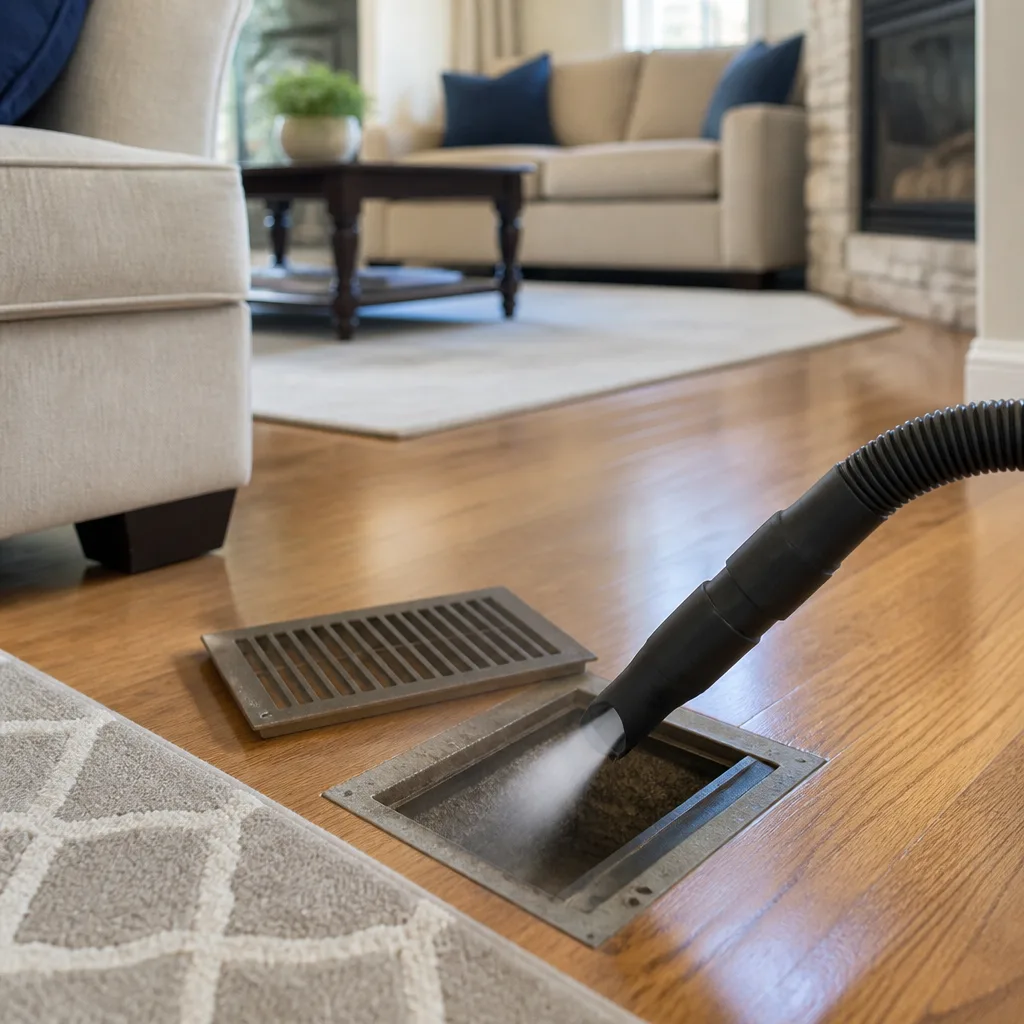
No. An inspection uses a borescope camera and airflow measurement to document what’s inside the duct and assess whether the installation meets current code. Cleaning uses negative-pressure extraction and rotary brush systems to physically remove lint and debris from the duct walls. Inspection comes first – it tells you whether cleaning is needed and where. If cleaning is warranted, we quote it in writing on the same visit. You can read more about the full cleaning process on our Dryer Vent Cleaning in Phoenix page.
How often should I have my dryer vent inspected in Phoenix?
Once per year is the standard recommendation for households running the dryer four or more times per week. In Phoenix, the monsoon season – typically July through September – pushes dust and debris into exterior termination caps at a rate that warrants a post-monsoon check if you haven’t had one recently. Homes in older construction zones with flexible foil ductwork benefit from inspection every 12 months regardless of usage, because the duct material itself degrades over time independent of lint accumulation.
Can I inspect my dryer vent myself?
You can check the exterior termination cap yourself – look for a missing flap, visible debris, or nesting material. That takes about two minutes and costs nothing. What you cannot do safely at home is image the interior of the duct run, measure airflow at both ends, or assess joint integrity through multiple direction changes. For those steps, a borescope and calibrated airflow meter are required. The inspection fee exists because the equipment and the time to use it correctly have real costs – not because the information is being withheld.
Why CleanRun for Dryer Vent Inspection in Phoenix
The short version: written price up front, camera documentation you keep, and a 365-day written guarantee on any work performed. Those three things together are not standard in this industry in Phoenix. The $79 coupon model – a number chosen specifically to get a technician through the door – relies on discovering “problems” once the job has started. CleanRun’s model runs the other direction: the price is written before the camera goes in, and the camera shows you what’s there before any recommendation is made.
Tomas Reyes built CleanRun on that premise in 2013, and it’s held on every one of the 52,000-plus jobs since. The H.A.V.E.N. Standard governs how every technician operates – background-checked, uniformed, identified by name before arrival, working under a written scope on every visit. The Nikro camera system and the calibrated airflow meters they carry are professional-grade equipment, the kind customers can look up independently before agreeing to a price.
CleanRun is independently owned and operated, and every job is covered by the 365-Day Done Right Promise. If anything we touched isn’t right within 365 days of service, we make it right. That’s in writing on the job record, not a policy that requires manager approval to activate.
If you want to see what’s inside your dryer vent before deciding whether it needs attention, that’s a reasonable thing to want. Call (480) 500-6377 – a live person will answer, give you a written price range for your specific home, and get a technician scheduled. The price on the phone and the price on arrival are the same number.
Written by Tomas Reyes, Owner at CleanRun Air Duct Cleaning Phoenix, serving Phoenix.