
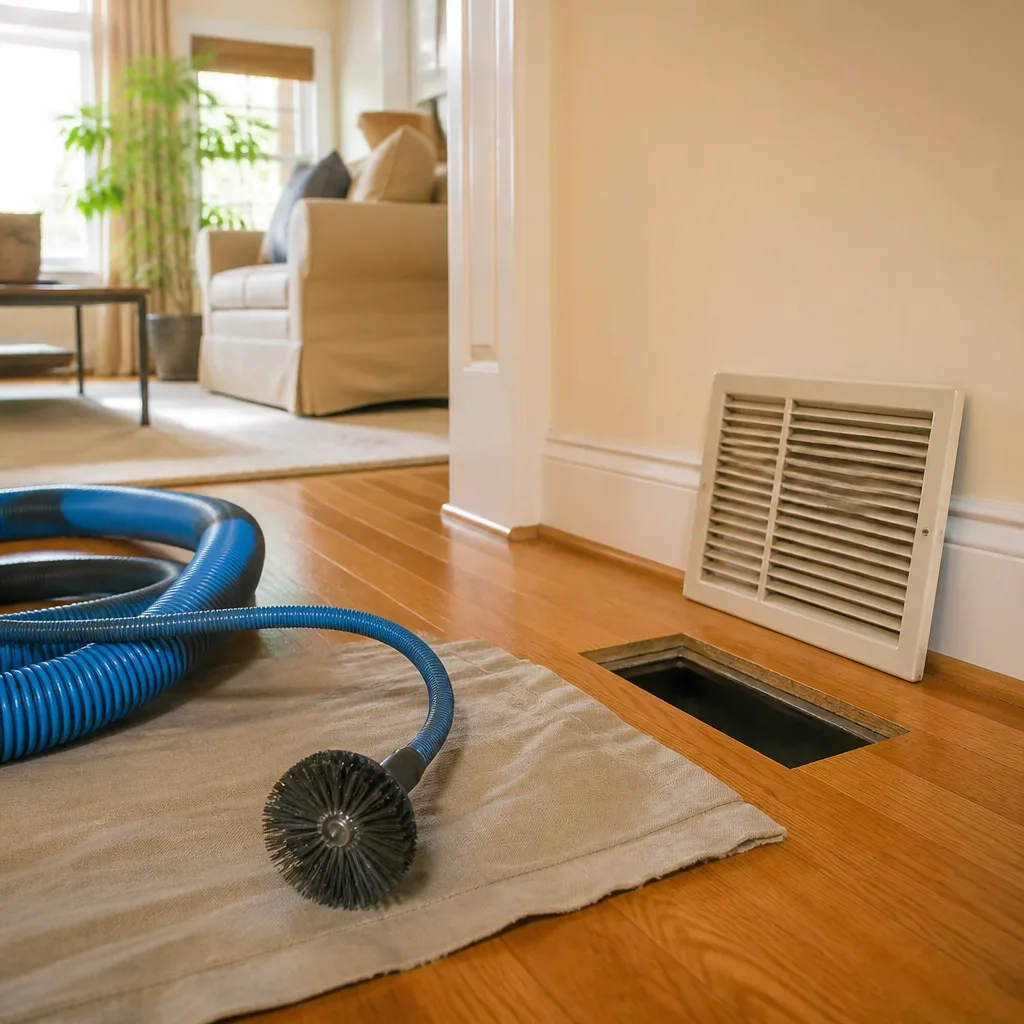
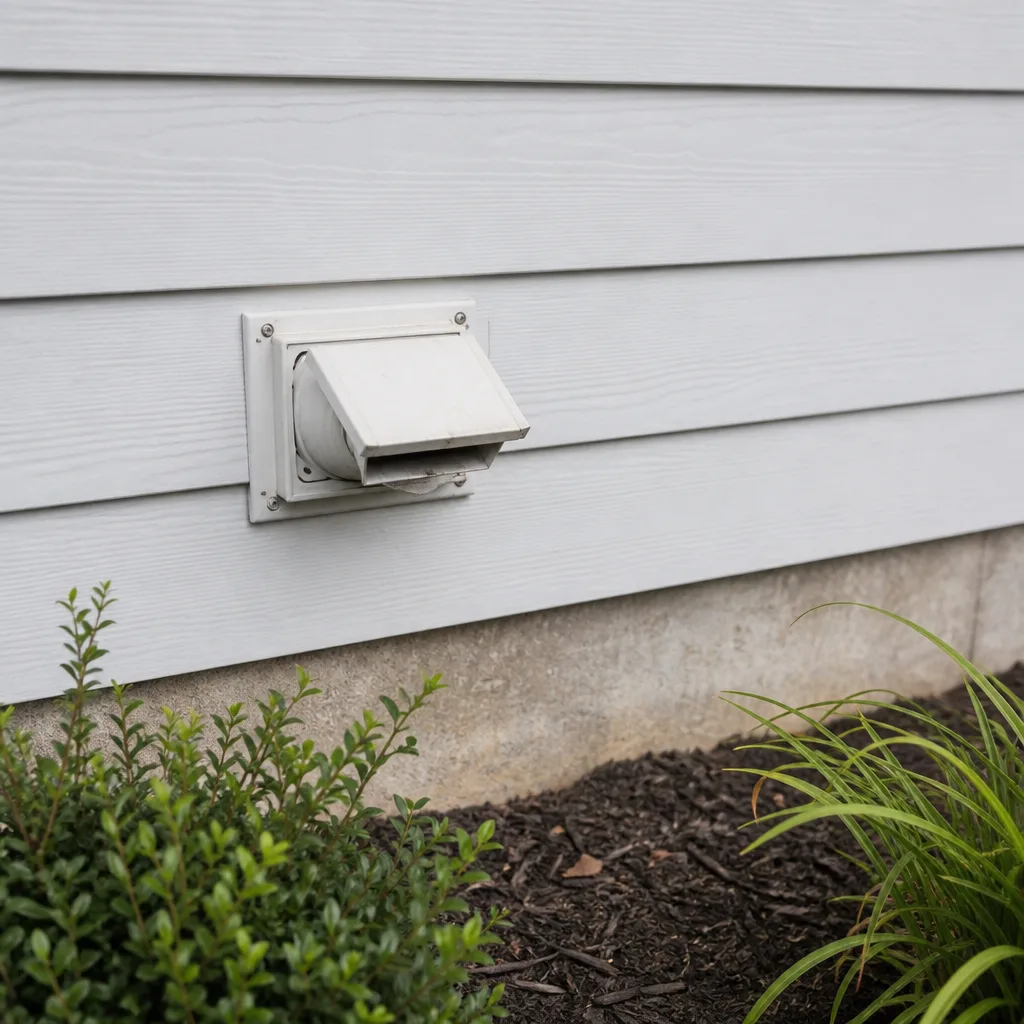
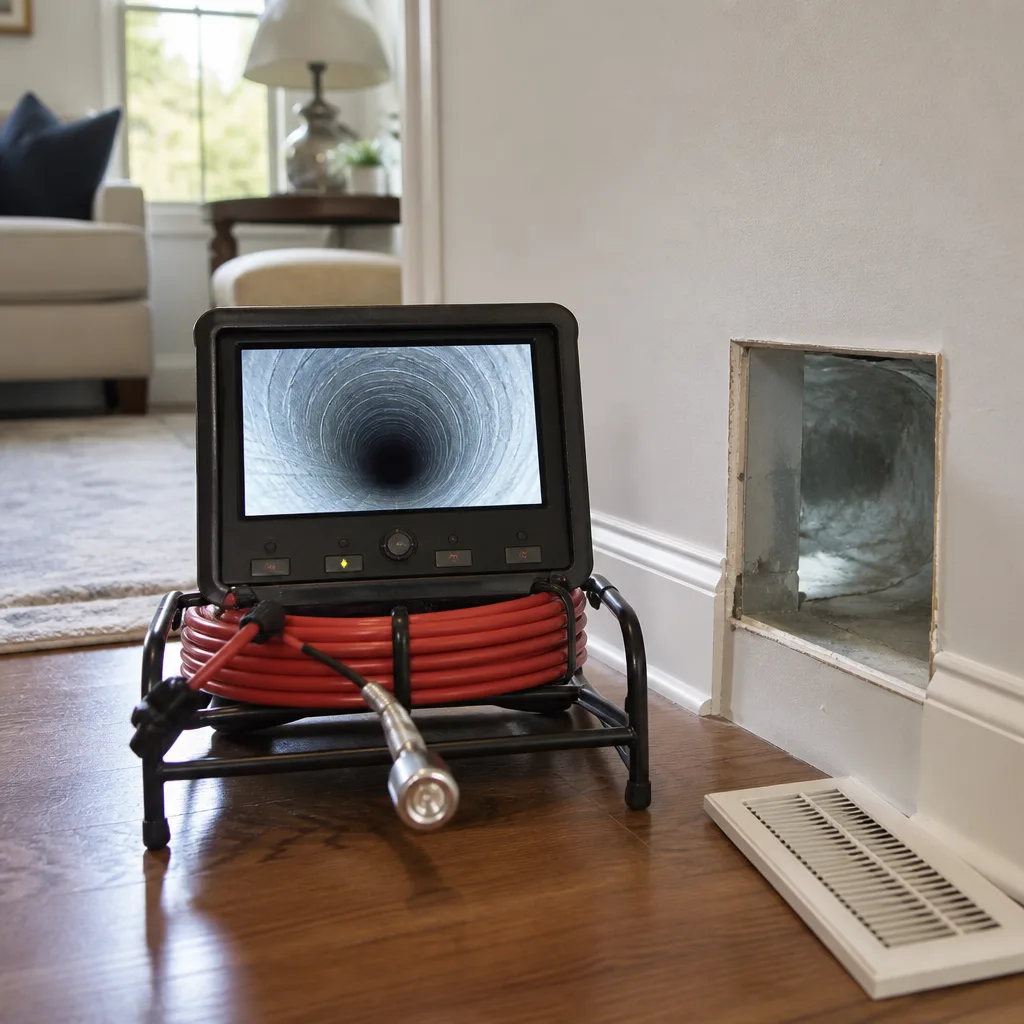
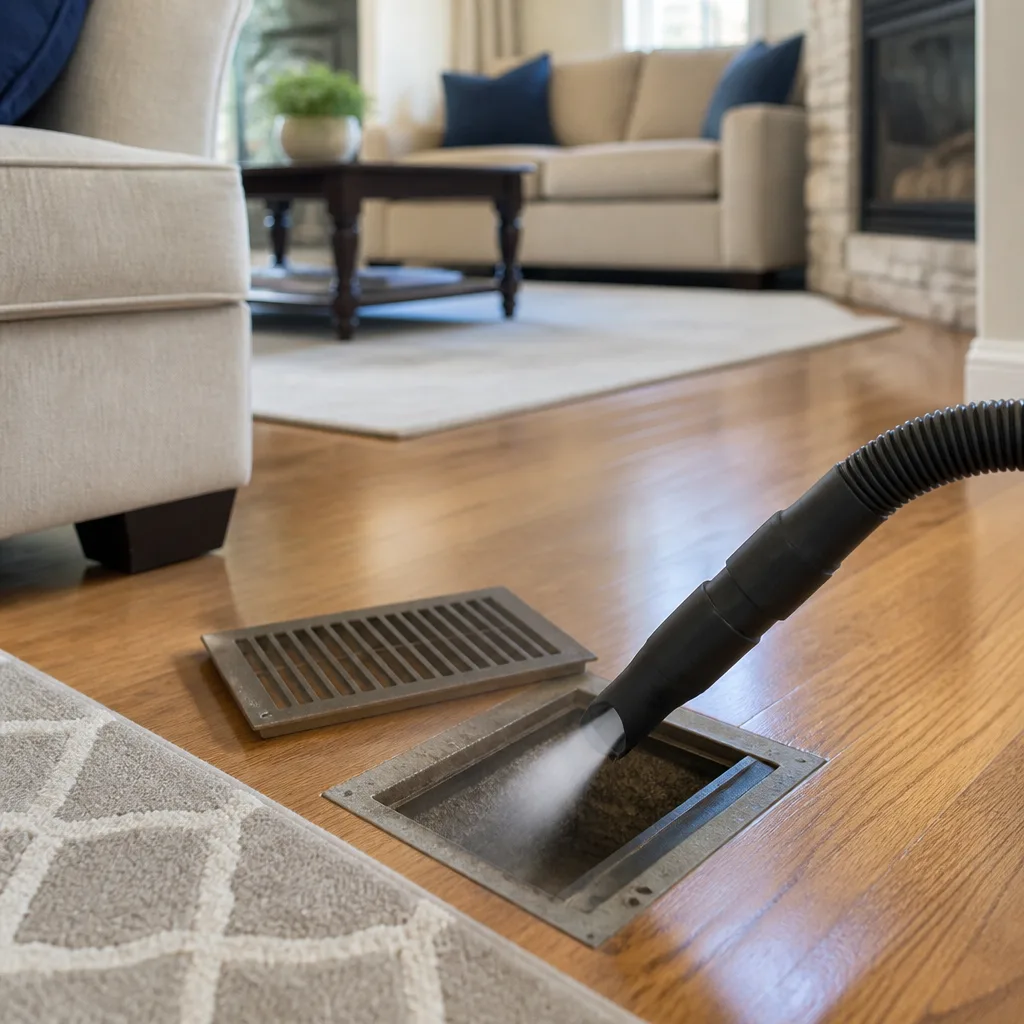
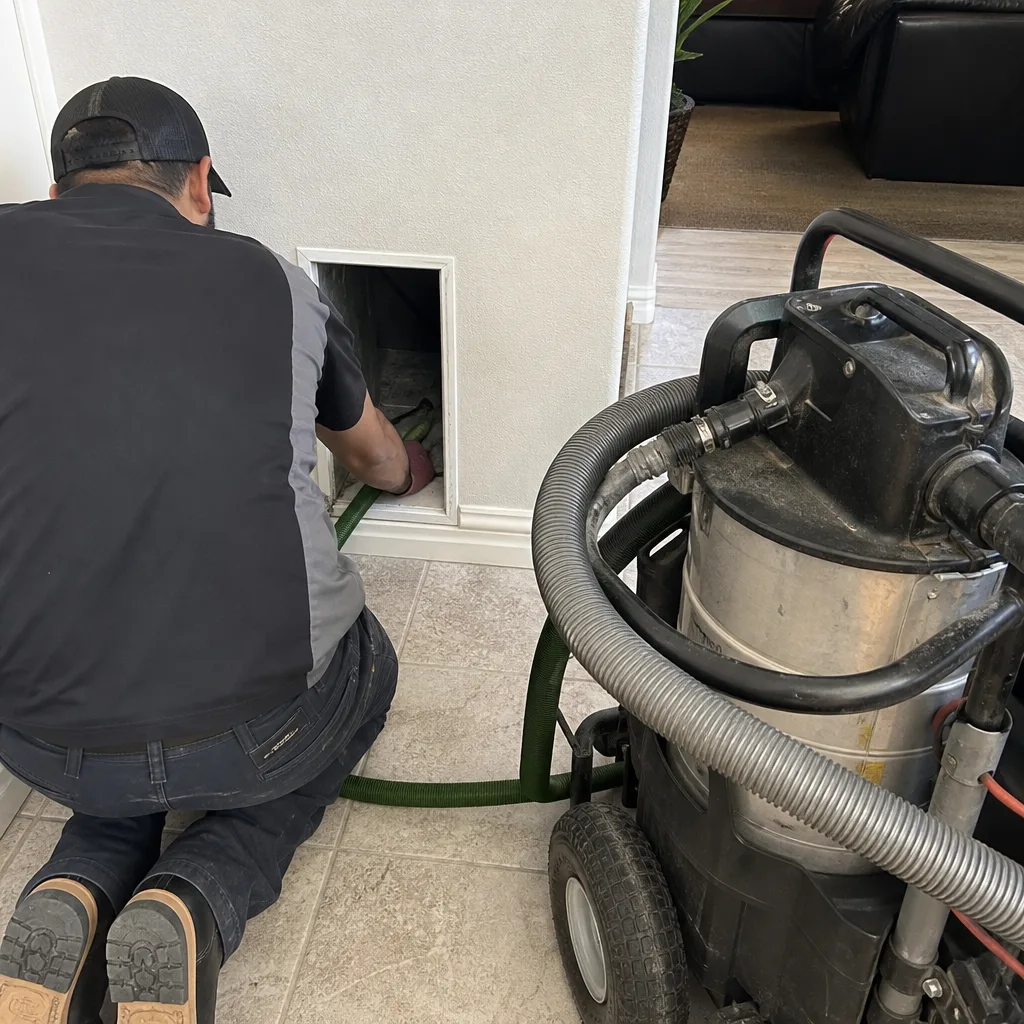
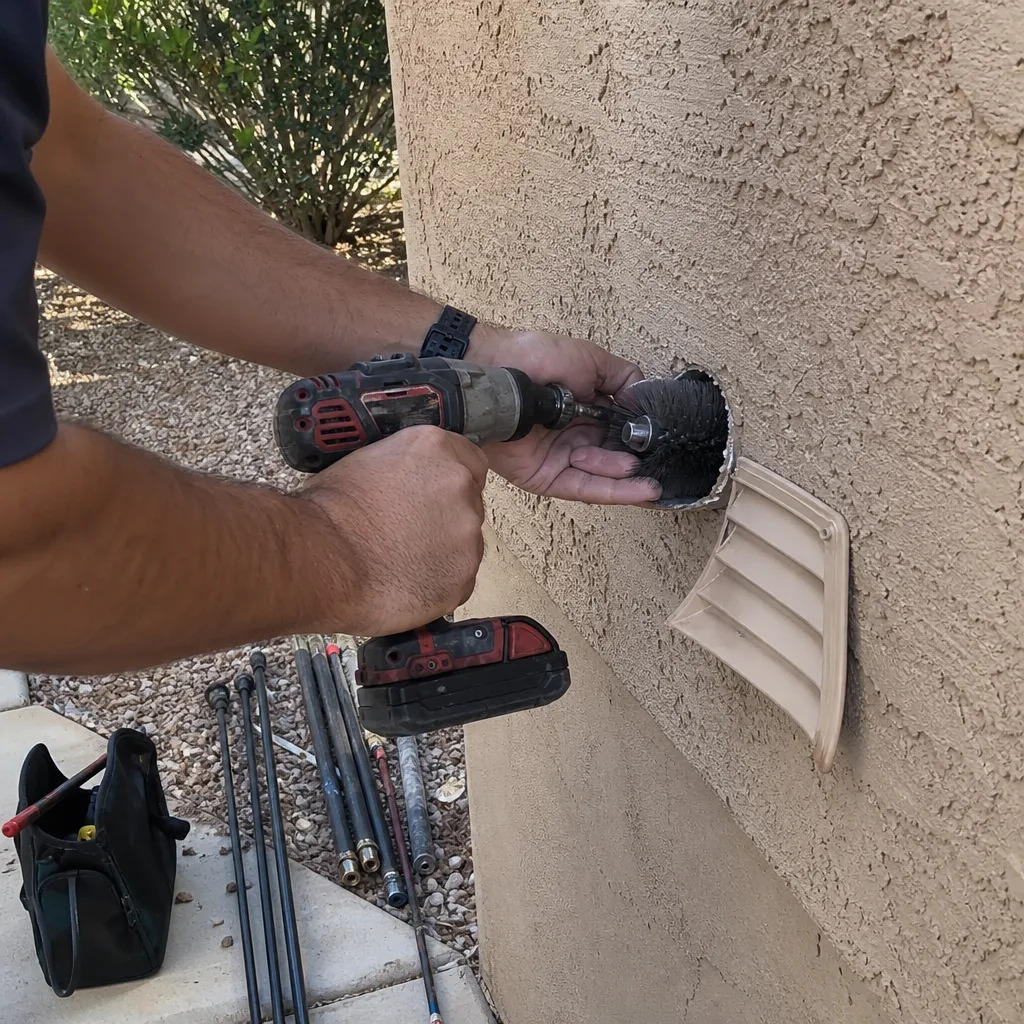
Whole-system duct and dryer vent check with before-and-after photos - you see exactly what came out of your vents
That "$99 whole-house special" is a bait ad - the real number appears once they are in your hallway, or the "clean" is a shop-vac at the register. We photograph the inside of your ducts before and after instead.
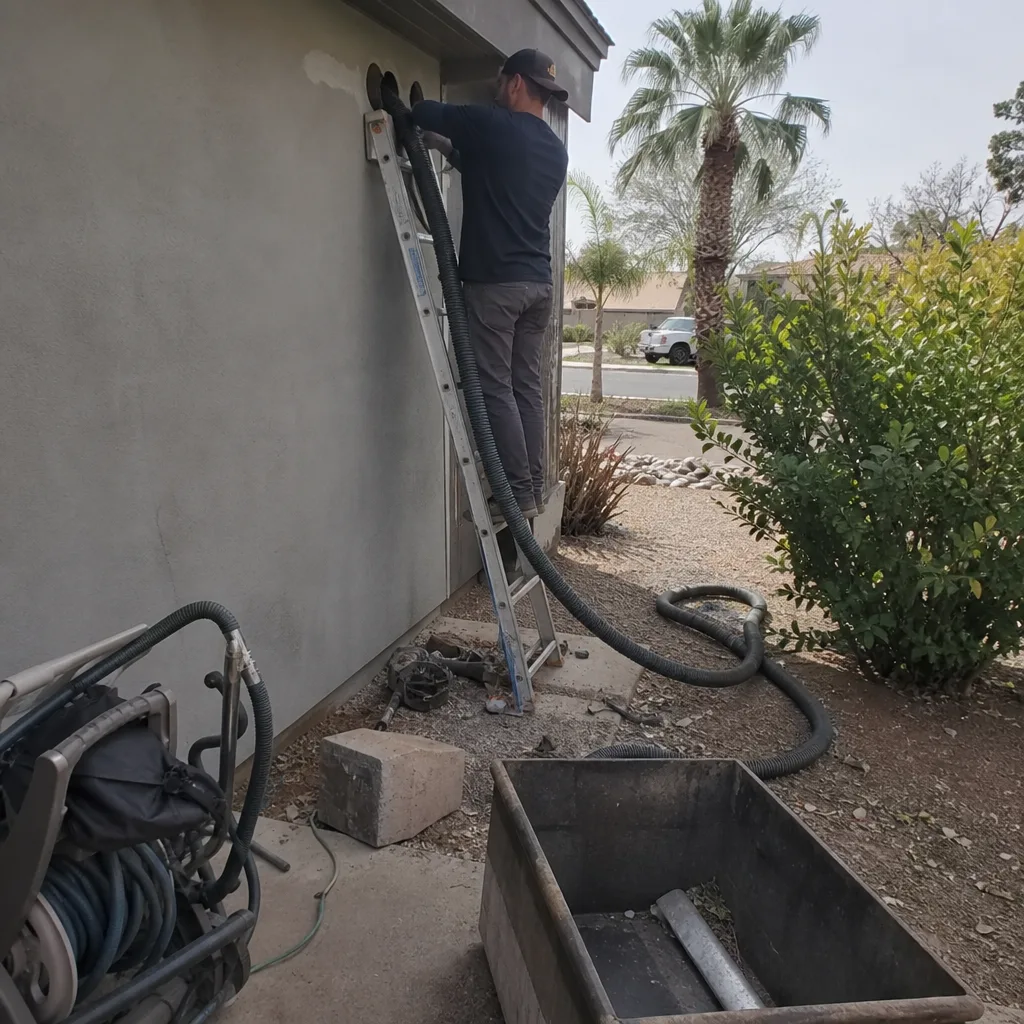 Before
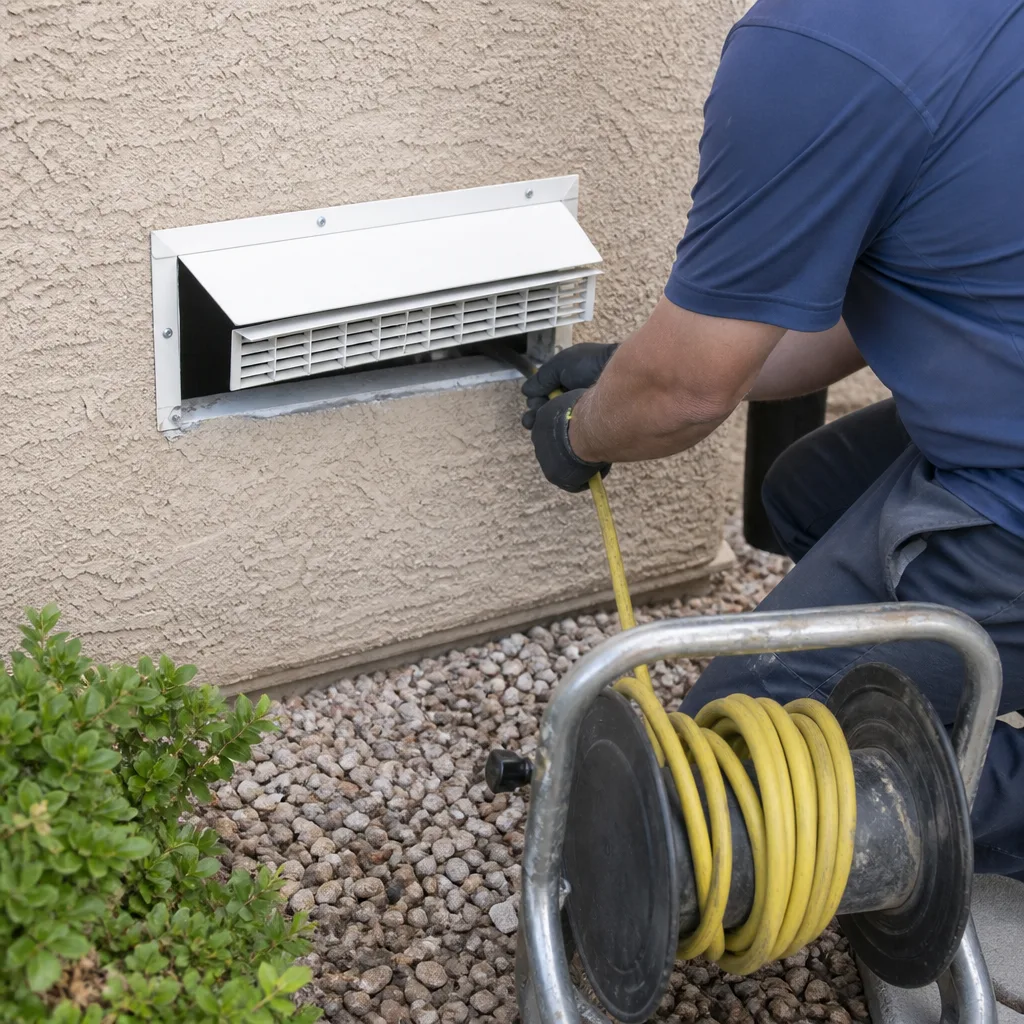 After
After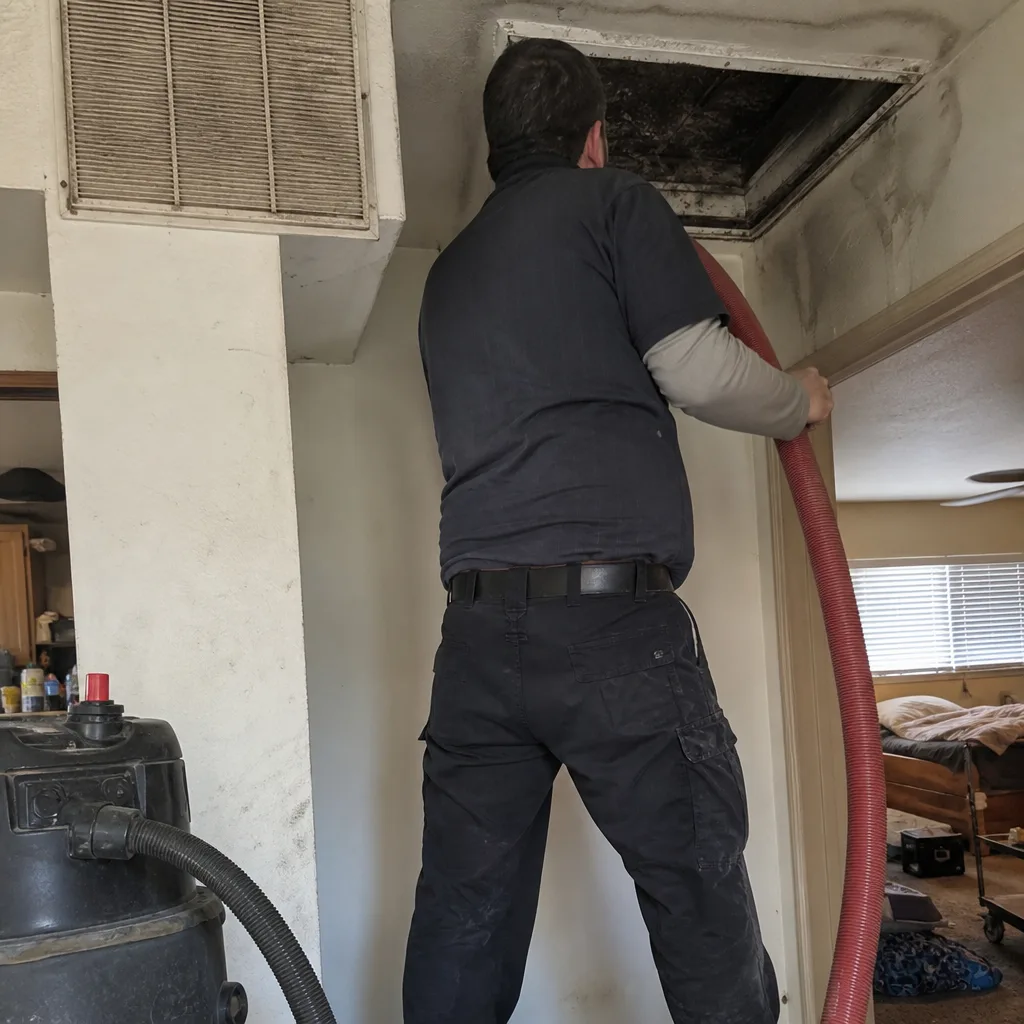 Before
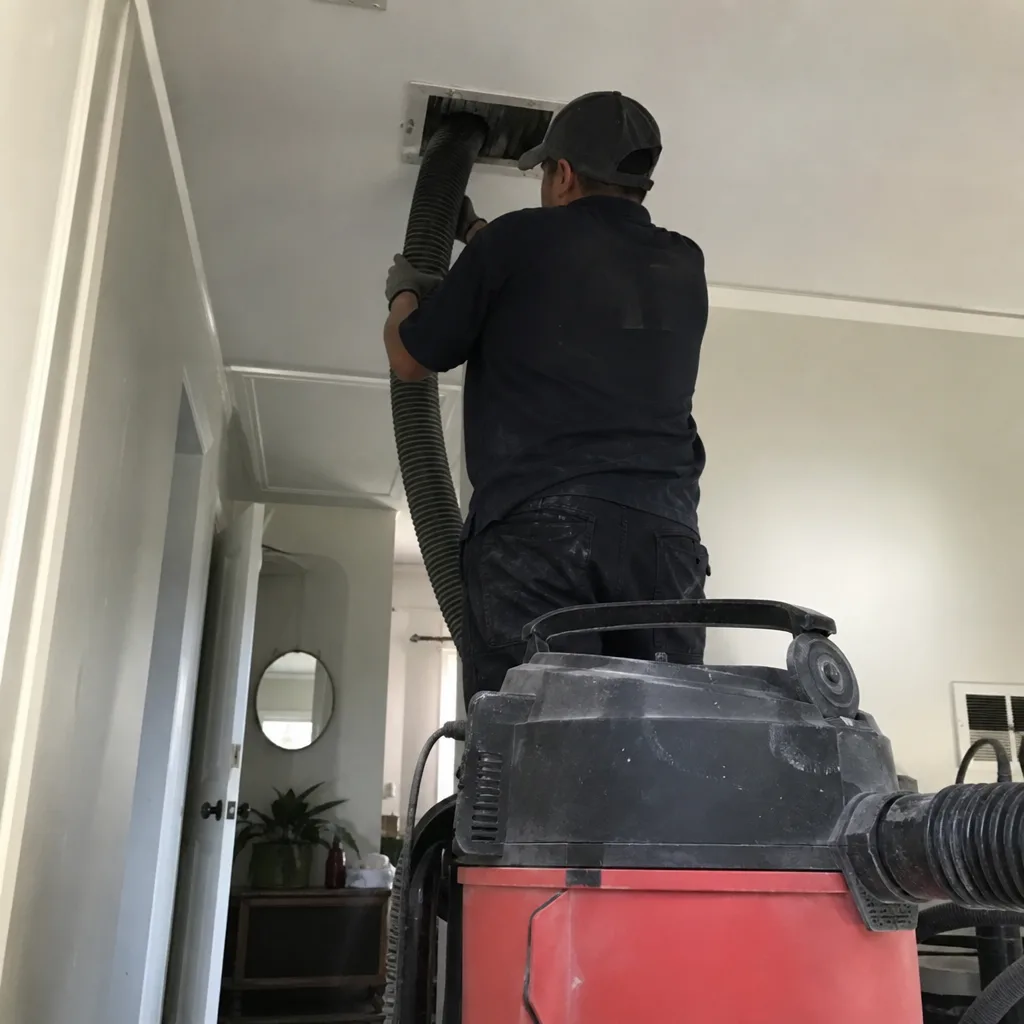 After
After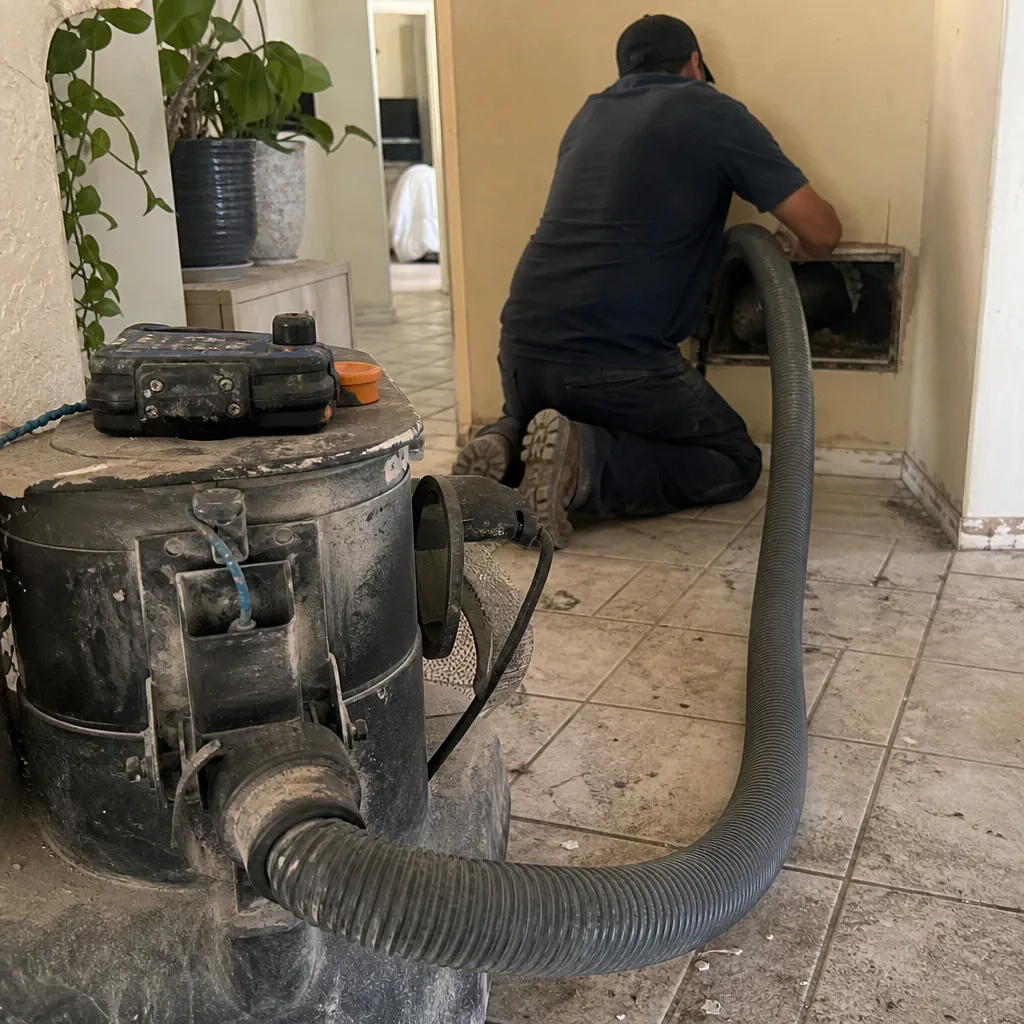 Before
 After
AfterHoneywell Vent Sanitizing: The Phoenix Owner’s Guide
CleanRun stocks and installs Honeywell-compatible vent sanitizing systems for Phoenix residential HVAC, with installed pricing from $340 to $620 depending on system size and existing duct configuration. Most Honeywell UV or ionization-based sanitizing modules can be swapped same-day if the model is confirmed before dispatch. We carry the common Honeywell series on our trucks, and we’ll put a written price in front of you before a panel comes off.
Most Phoenix homeowners discover their Honeywell vent sanitizing has failed when they notice the persistent musty smell returning after a duct cleaning, or when a technician’s inspection camera shows microbial growth at the plenum despite the “sanitizing” light still glowing green on the thermostat. The bulb or ionization cell can look active while delivering no actual treatment, especially after two or three Arizona summers of 115-degree attic heat degrading the output.
Which Honeywell Models This Applies To
Honeywell vent sanitizing falls into two main series: the UV100E and UV2400U ultraviolet lines, and the F300 electronic air cleaner series with optional post-filter ionization. The UV100E models mount at the evaporator coil or plenum; the UV2400U installs downstream in the duct run. Both use replaceable bulbs rated at 9,000 to 14,000 hours, though Phoenix attic conditions typically cut effective lifespan closer to 7,000 hours due to thermal cycling stress.
To identify your unit, check the service label on the sanitizing module itself, not the thermostat or furnace. The label lists the model suffix, voltage (120V or 24V), and bulb part number, usually beginning with 2100, 2400, or 2600. We stock OEM Honeywell replacement bulbs and cells, plus Abatement Technologies aftermarket equivalents that match output specs at lower parts cost. The aftermarket bulbs fit identically but carry a 1-year parts warranty versus Honeywell’s 2-year; for most Phoenix homeowners, the break-even point is around 18 months of runtime. We note the choice on every written quote, Haven Standard Clause 1, so you see both numbers before deciding.
One compatibility gotcha: the UV100E1006 and UV100E1043 use the same 2100-series bulb but different mounting bracket spacing. A bulb ordered by series alone can arrive correct in wattage and fail to seat. We measure bracket hole spacing on the first visit, 5.5 inches versus 7 inches, to avoid a second trip.
Signs Your Honeywell Vent Sanitizing Is Failing
- The indicator light is on but odors persist. UV bulbs degrade in output before they burn out completely. A bulb at 40% effective output still draws power and triggers the “active” LED, while doing almost nothing to suppress microbial growth at the coil. In Phoenix, we’ve measured this drop as early as month 14 in unshaded attic installations.
- Dust accumulation returns quickly after duct cleaning. When the sanitizing module stops treating the airstream, biofilm at the plenum becomes a tacky surface that catches passing particles. The camera shows a thin, uniform coating on the duct walls within six months of a previously clean system.
- Higher-than-expected energy bills with no other HVAC changes. A fouled evaporator coil, which UV sanitizing is meant to prevent, forces the compressor to run longer cycles. The energy spike often precedes any noticeable air quality issue by several weeks.
- Visible corrosion on the bulb or cell housing. Phoenix’s hard water and occasional monsoon humidity create calcium and mineral deposits on the quartz sleeve surrounding UV bulbs. This etching blocks UV transmission and eventually cracks the sleeve, allowing ozone leakage into the duct run.
- The bulb flickers or shows dark bands when powered. UV bulbs fail from the electrodes inward. Darkening at either end signals end of effective life even if the bulb still illuminates. Ionization cells show arcing or a burnt odor at the power connection when failing.
BeforeAfterReplacement Cost & What’s Included
| Service Component | Price Range |
|---|---|
| Honeywell UV bulb replacement (OEM), single bulb | $340 - $420 |
| Honeywell UV bulb replacement (aftermarket equivalent) | $280 - $360 |
| Dual-bulb UV system (UV2400U series) | $480 - $620 |
| Ionization cell replacement (F300 series) | $380 - $520 |
| Quartz sleeve replacement (if etched/cracked) | $120 - $180 additional |
What drives the range: single versus dual-bulb configuration, attic accessibility (steep pitch or tight scuttle adds labor), and whether the existing wiring harness is reusable. Every quote lists these line items separately, not buried in a single lump sum. The 365-Day Done Right Promise covers the installation labor and any subsequent adjustment if output testing shows subpar performance. We test bulb output with a UV meter before leaving, and that reading goes into your documented photo record along with the before-and-after duct images.
DIY or Call Us?
What you can safely check: confirm the indicator light status at the thermostat or air handler, note the bulb part number from the service label, and inspect the quartz sleeve through the view port if your model has one. Do not remove the bulb housing cover while powered, and do not look directly at a lit UV bulb even briefly, retinal damage occurs faster than blink reflex.
Where DIY goes wrong: UV bulbs operate at high voltage (120V or 240V depending on series) and the quartz sleeve must be handled with nitrile gloves, skin oils cause hot-spot cracking. Improper seating breaks the seal and allows ozone into the living space. Incorrect bulb wattage for the ballast causes premature failure or fire risk. We handle the voltage verification, the sleeve handling, and the post-install output test. Call (480) 500-6377 and we’ll confirm your model match over the phone, then bring the correct part with a written price already prepared.
FAQs
In Phoenix’s climate, expect 18 to 24 months of effective output from a UV bulb, not the 3-year rating on the box. Attic heat above 140 degrees in July and August accelerates electrode degradation. After month 20, we recommend annual UV meter testing even if the indicator light still shows green. Call (480) 500-6377 to schedule output verification, estimates are free.
The bulb or ionization cell is a consumable, like a printer cartridge; the housing and ballast can last 10+ years if not heat-damaged. We replace the consumable, test the ballast output, and only quote housing replacement if the camera shows melting, corrosion, or arcing damage. Most Phoenix homes need only the cell or bulb swapped. Call (480) 500-6377 for a written scope before any work starts.
Most Honeywell vent sanitizing replacements take 45 to 90 minutes, including the UV output test and photo documentation of the duct run before we close up. Dual-bulb systems in tight attics run toward the longer end. We schedule a two-hour window and typically finish early. Call (480) 500-6377 to book a slot that works around your schedule.
We carry the UV100E and UV2400U bulb series, the F300 ionization cells, and common quartz sleeves on every Phoenix-area truck. Less common 2600-series bulbs and specialty voltage configurations we source same-day from our Tempe supplier. We’ll confirm your exact model match by phone so the technician arrives with the right part, not a return trip. Call (480) 500-6377 with your model number from the service label.
CleanRun Duct Repair & Cleaning is an independent service provider, not affiliated with Honeywell. We also stock and install vent sanitizing compatible with Lennox, Trane, and Carrier systems.
Here is what the camera found. Everything else follows from that.
Written by Tomas Reyes, Owner & Lead Technician, CleanRun Air Duct Cleaning Phoenix at CleanRun Air Duct Cleaning Phoenix, serving Phoenix and nearby areas.