
Whole-system duct and dryer vent check with before-and-after photos - you see exactly what came out of your vents
That "$99 whole-house special" is a bait ad - the real number appears once they are in your hallway, or the "clean" is a shop-vac at the register. We photograph the inside of your ducts before and after instead.
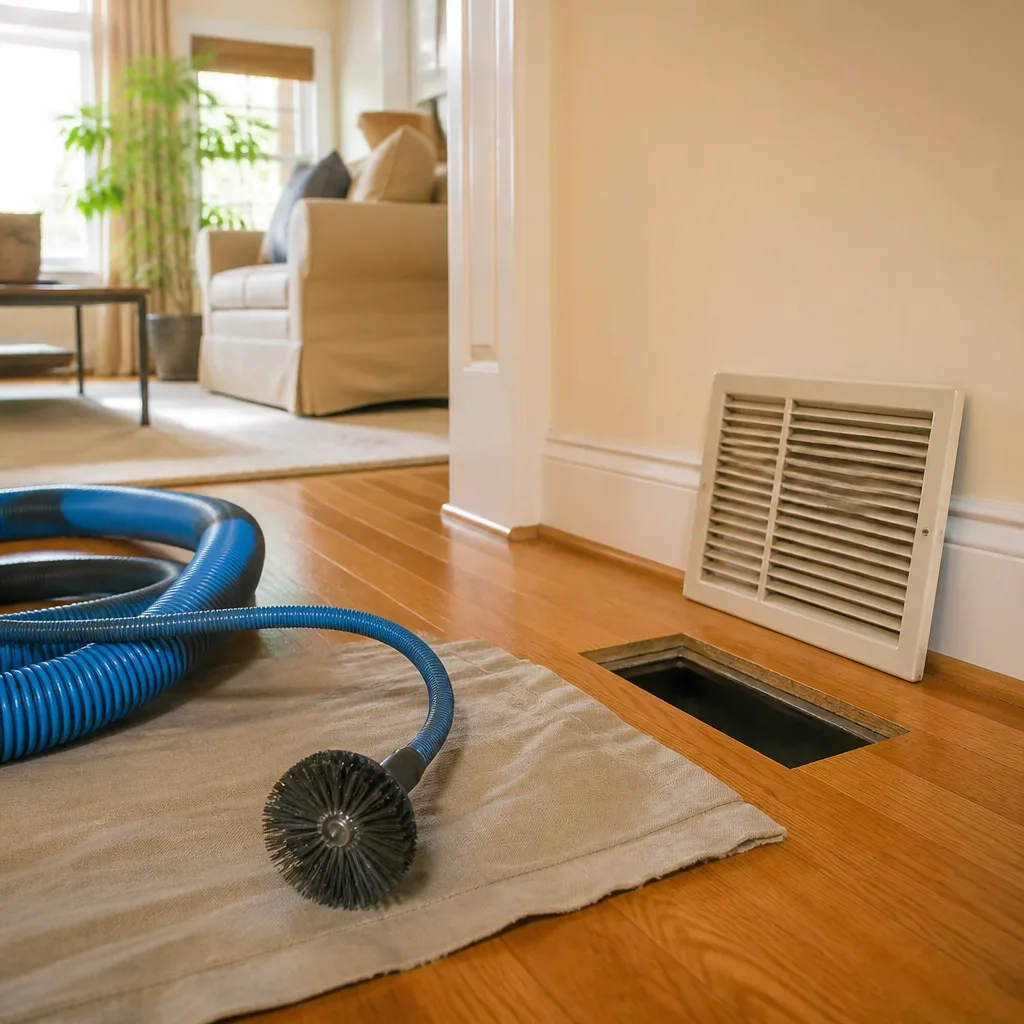
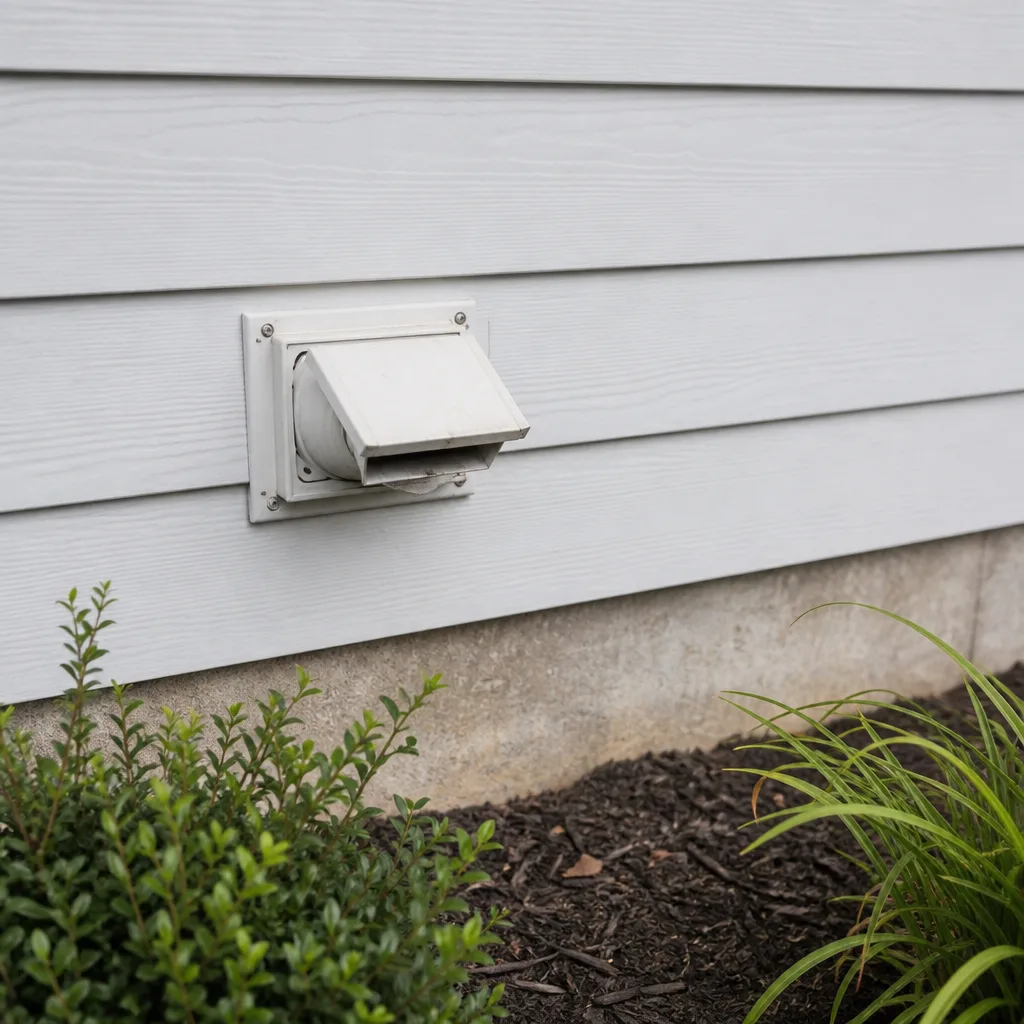
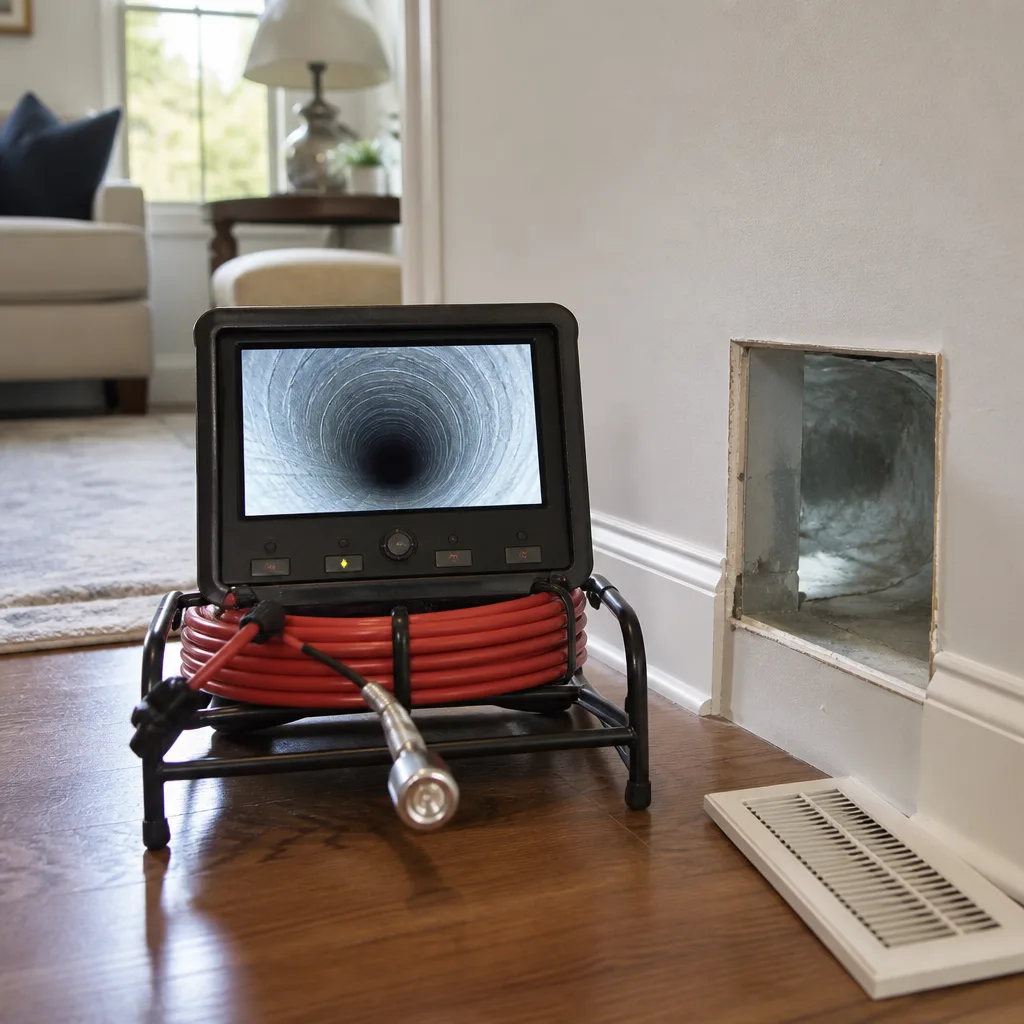
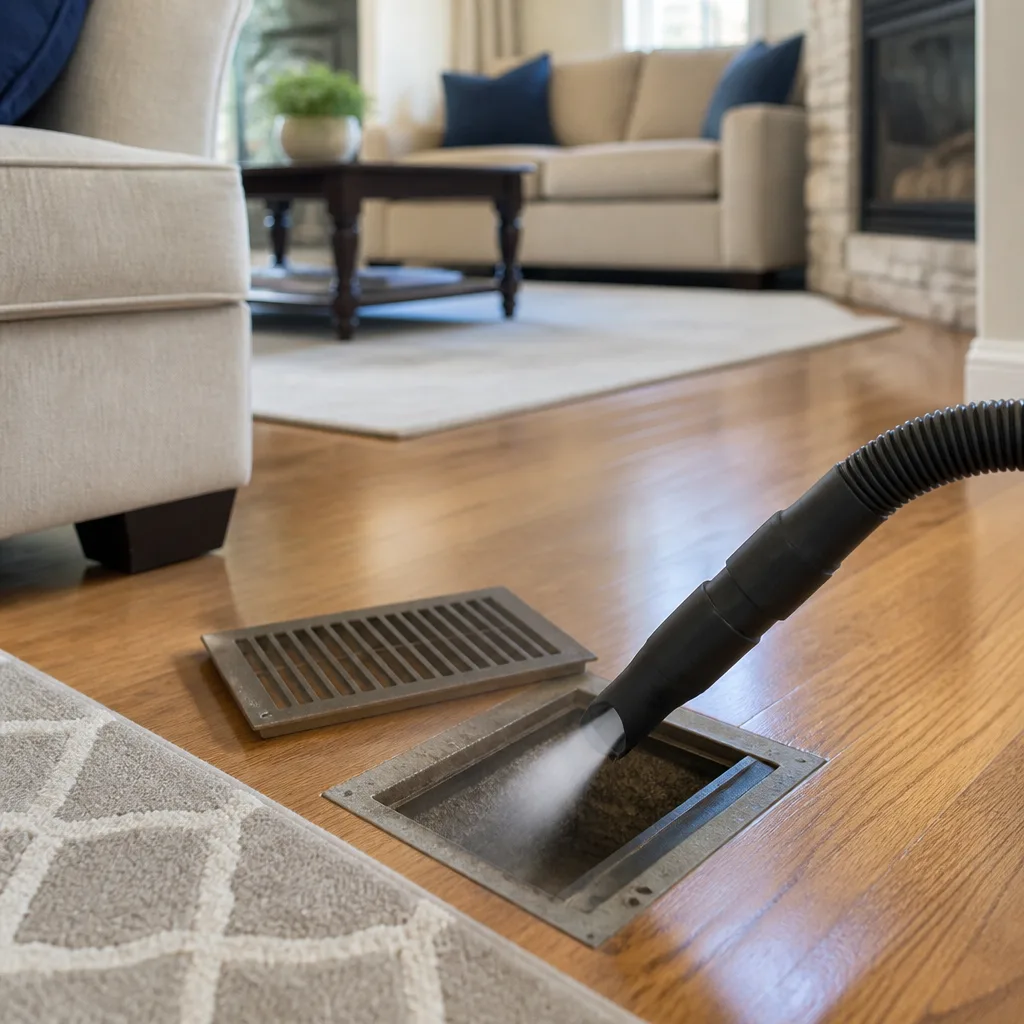
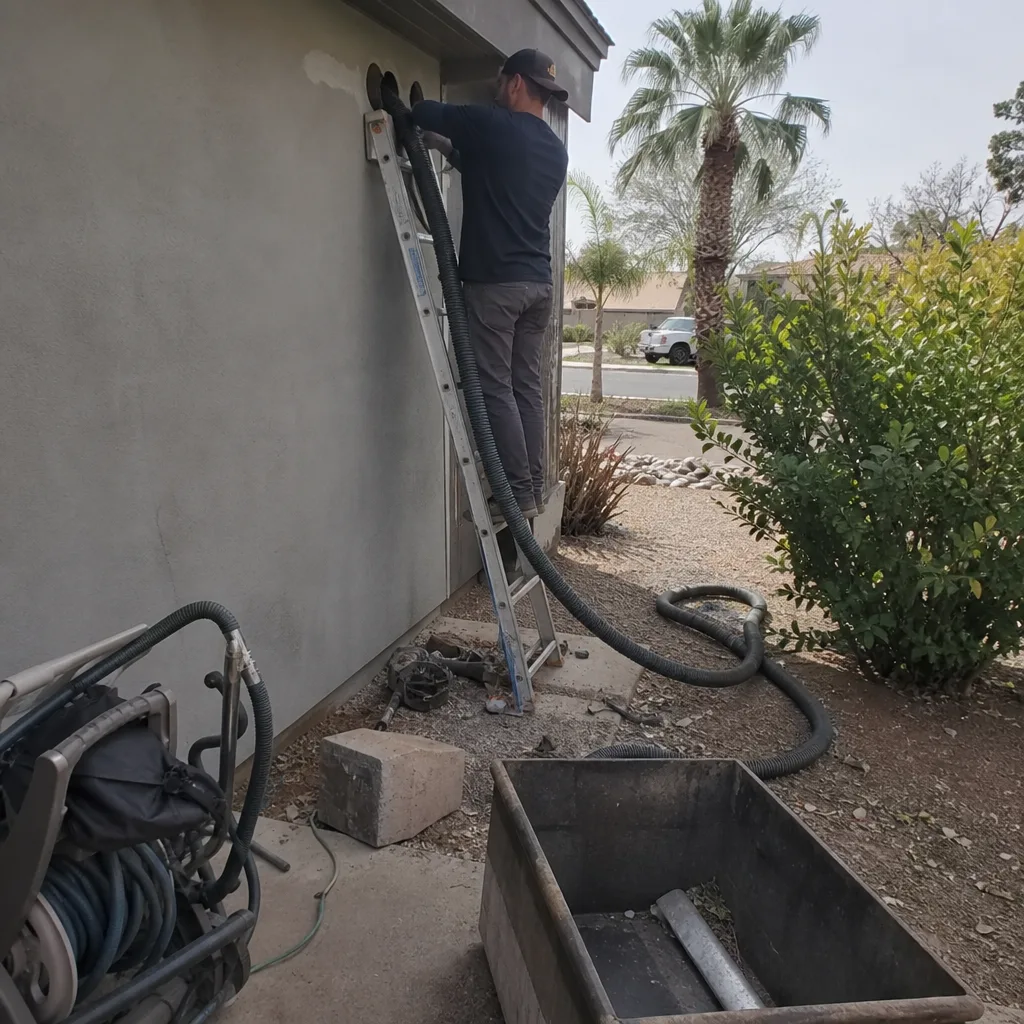 Before
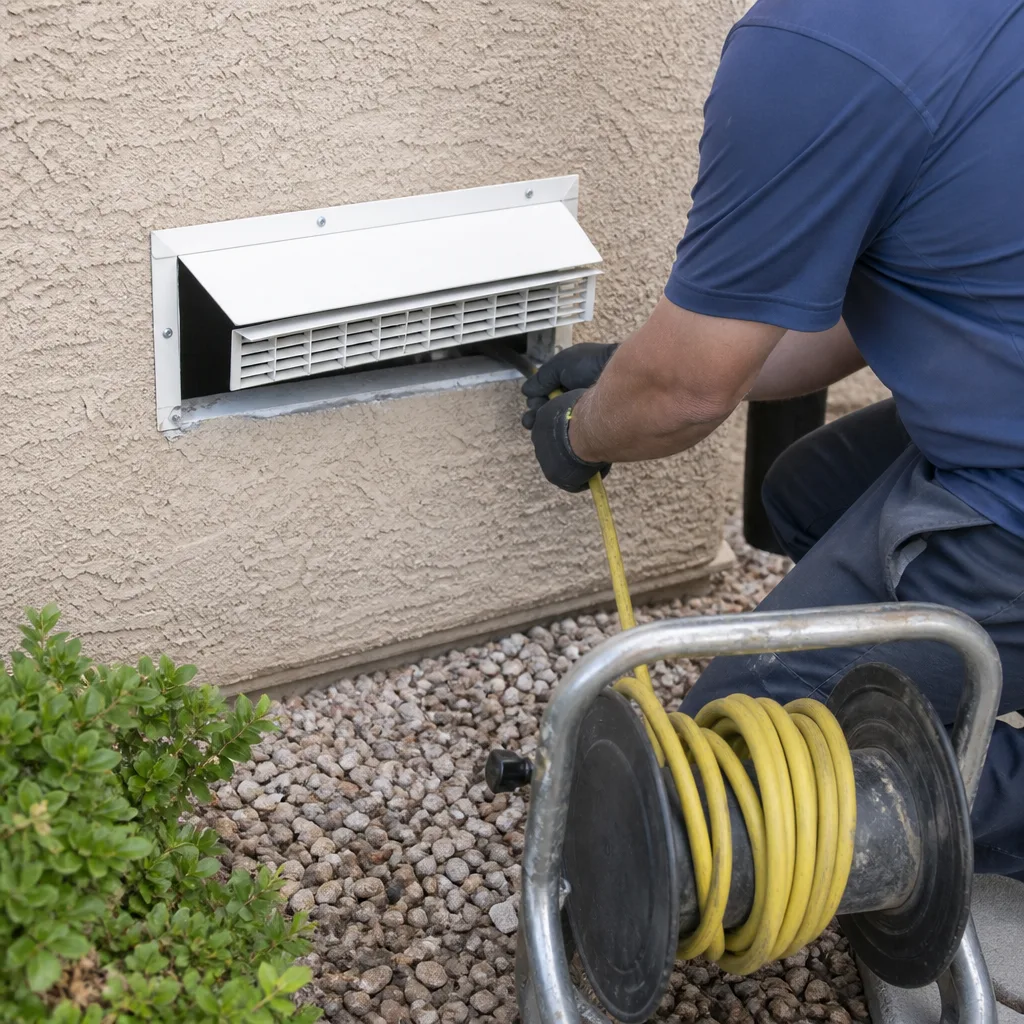 After
After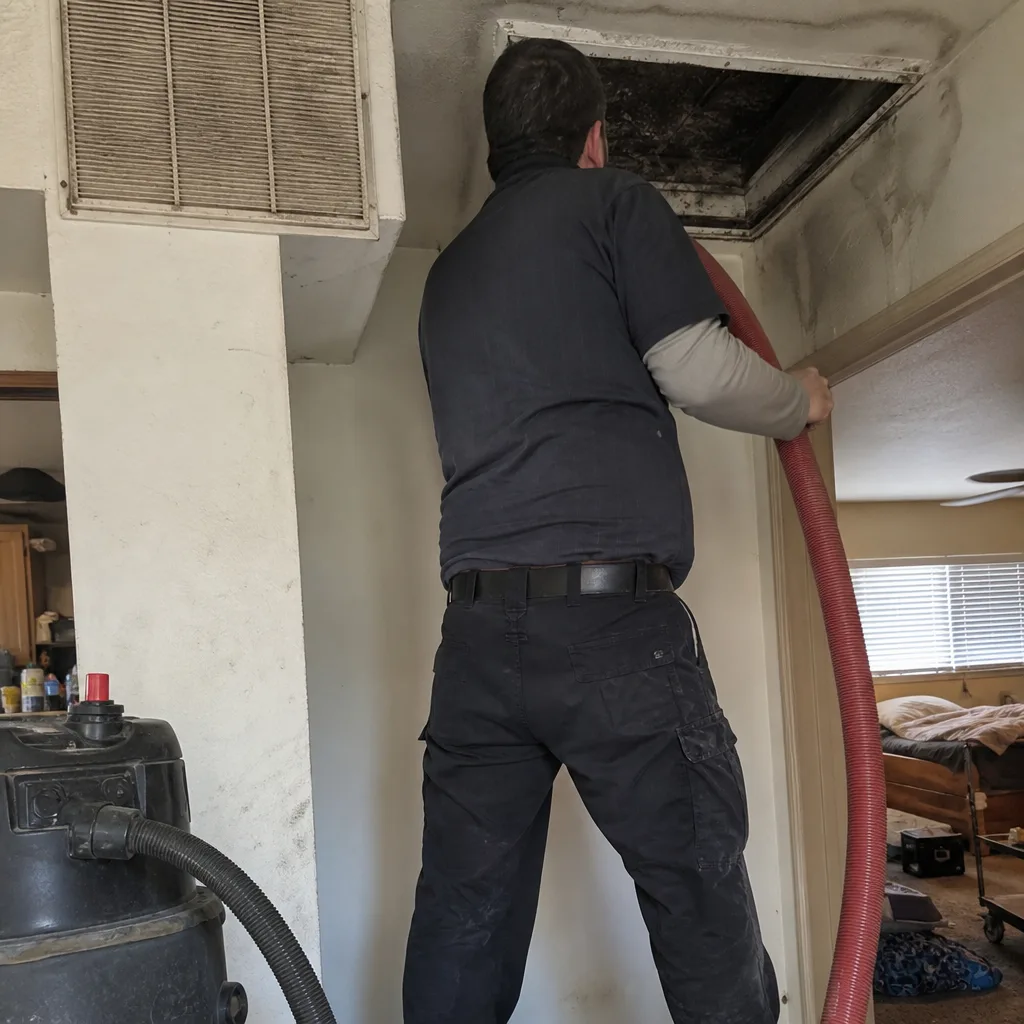 Before
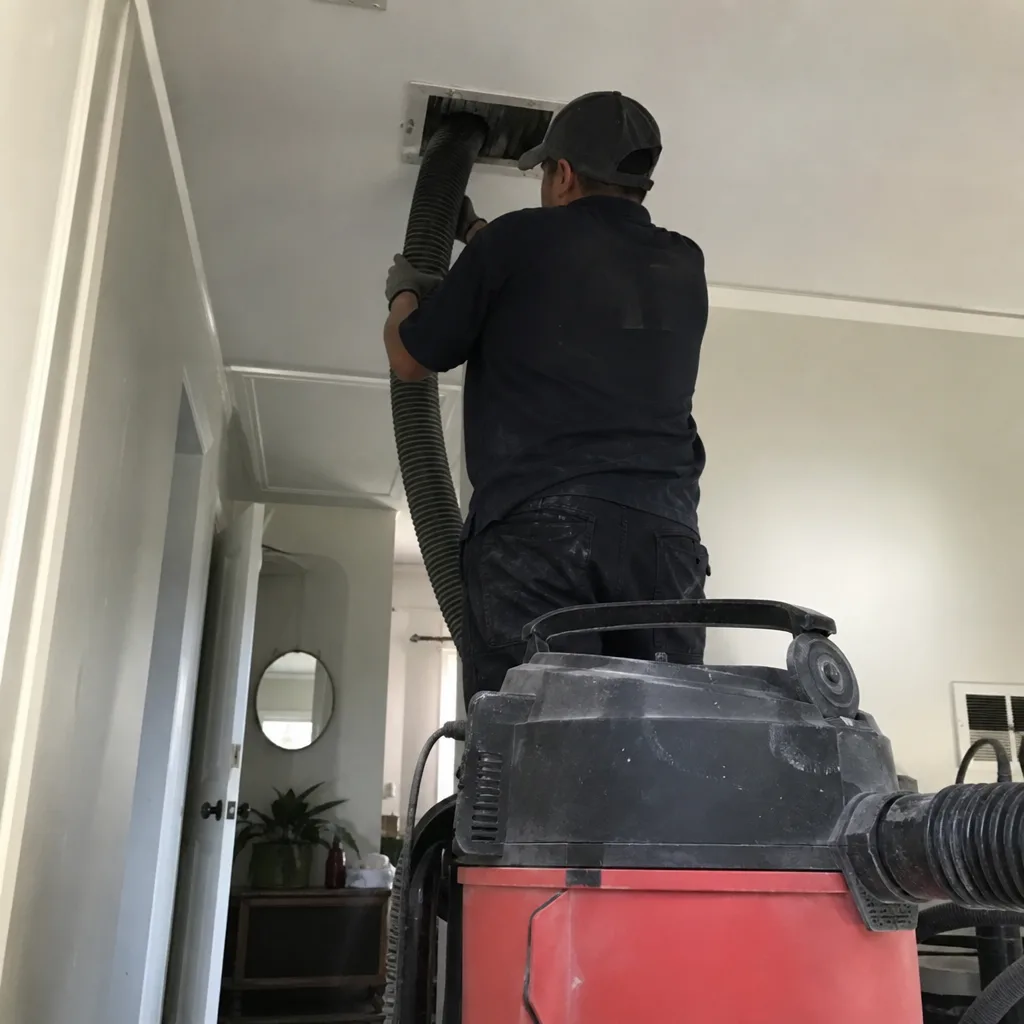 After
After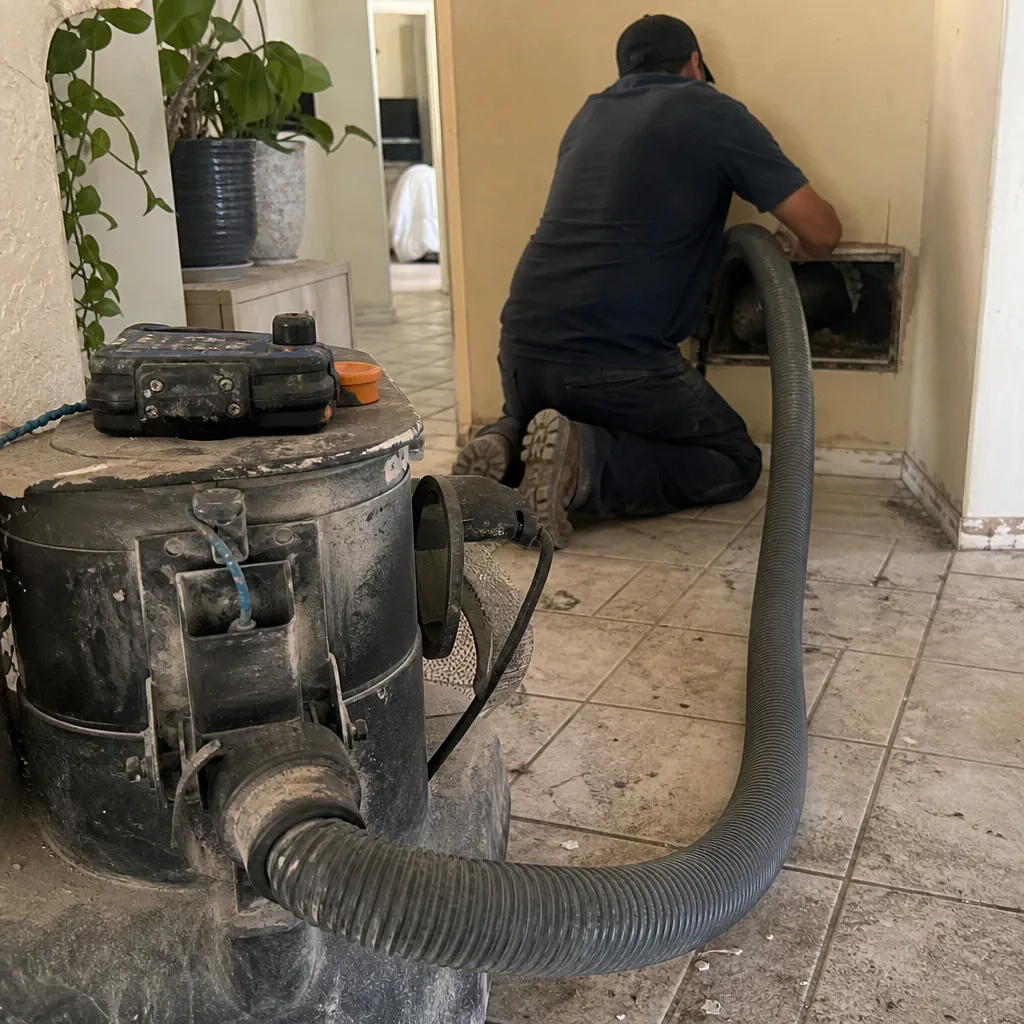 Before
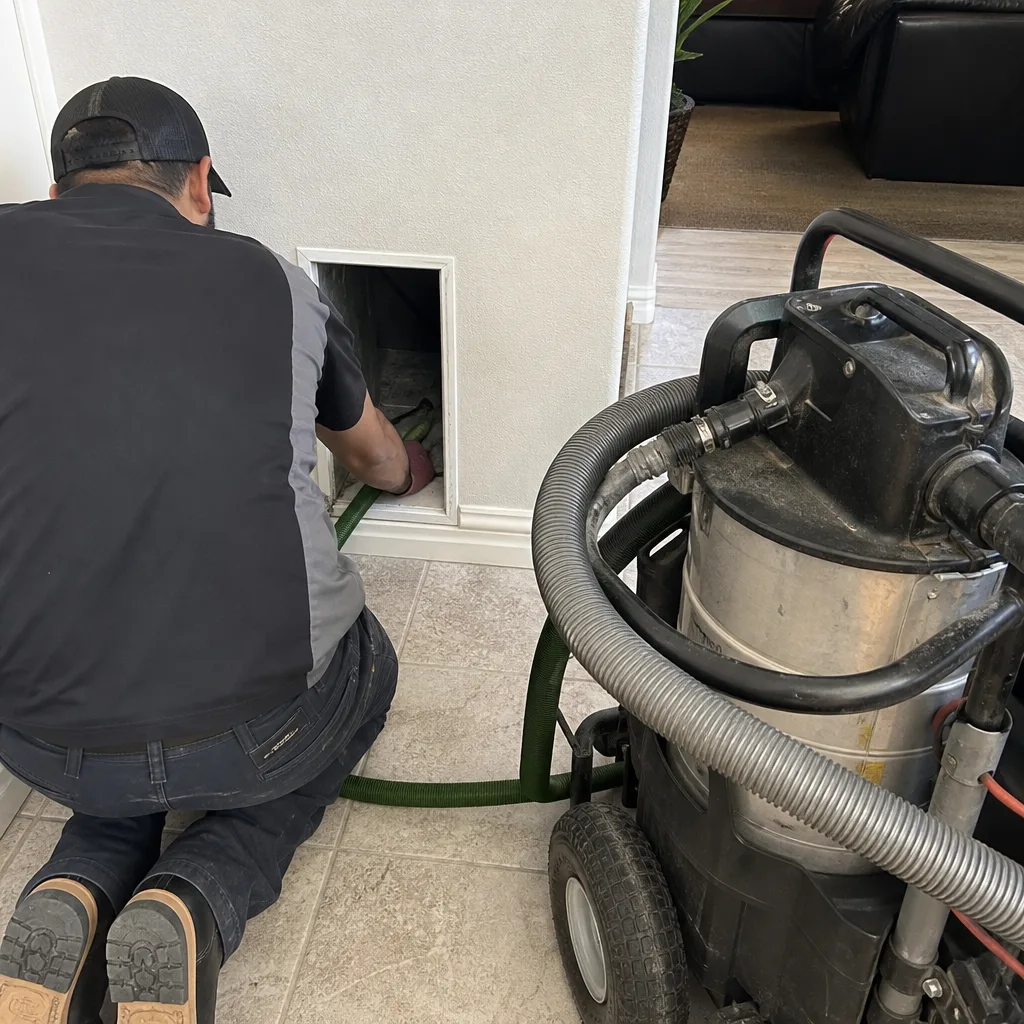 After
AfterHoneywell Coil Cleaning: The Phoenix Owner’s Guide
We stock and install Honeywell-compatible evaporator and condenser coil cleaning across Phoenix, with most residential jobs running $340-$620 for a complete cleaning and inspection. Same-day scheduling is usually available when you call before noon, and every job starts with a written price before we touch a single panel. Most Phoenix homeowners realize their Honeywell coil needs attention when the upstairs never cools below 78, the condensate drain backs up, or their energy bill jumps 20% against the same month last year - all signs the coil’s fins are packed with desert dust and biological growth that air can’t penetrate.
Which Honeywell Models This Applies To
Honeywell coils appear most often in systems paired with their electronic air cleaners and whole-home media filters - the F100, F200, and F300 series - but the coil itself is typically a matched component in Carrier, Lennox, or Trane air handlers where Honeywell controls or filtration was specified at install. The critical detail is the model number stamped on the coil cabinet, not the thermostat or filter model. Look for a metal label on the upstream side of the A-frame evaporator; it’ll read something like CNPVP or CSPHP if it’s a Carrier-built coil with Honeywell filtration, or you’ll find a Honeywell-branded coil in older Bryant systems from the 2005-2015 era.
Here’s where Phoenix owners get tripped up: Honeywell doesn’t manufacture residential HVAC coils directly. They source through OEM partners, which means the replacement or cleaning protocol depends on the actual coil manufacturer, not the Honeywell badge on your filter cabinet. We carry cleaning compounds and fin tools rated for the aluminum-copper alloys used in these OEM coils, and we stock compatible foaming cleaners that won’t degrade the factory coating - a real issue with big-box sprays that strip the hydrophilic layer and accelerate corrosion in Arizona’s hard water conditions. Aftermarket coil cleaners exist, but for Honeywell-matched systems we specify the manufacturer’s approved formula to preserve warranty coverage on any remaining factory protection.
Signs Your Honeywell Coil Cleaning Is Failing
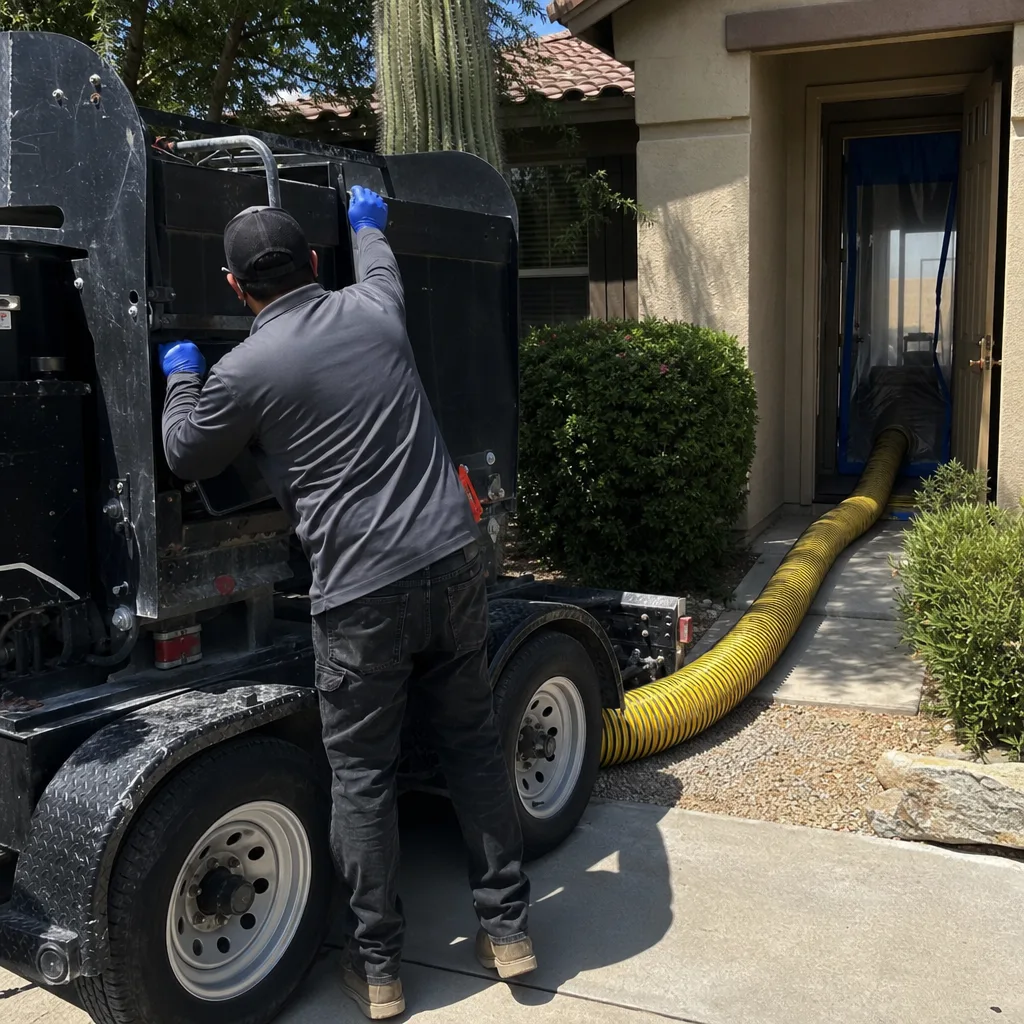
- Uneven cooling between floors. The upstairs runs constantly while the main level reaches setpoint. This happens when the evaporator coil’s lower fins are packed with debris, restricting airflow through the plenum - the main distribution box above your furnace - so less conditioned air makes it to the distant duct runs.
- Water around the indoor unit or stained ceiling tiles. A dirty coil can’t transfer heat efficiently, so the refrigerant stays colder longer and the coil ices over. When it defrosts, the condensate overwhelms the drain pan. In Phoenix, this often first appears in March when systems switch from heat to cool and the accumulated winter dust meets sudden humidity load.
- Hissing or gurgling at the indoor coil cabinet. Restricted airflow from dirty fins changes the refrigerant pressure profile, sometimes producing audible turbulence at the expansion valve. It’s not a refrigerant leak - it’s a flow problem caused by blockage.
- Musty odor when the blower cycles on. Biological growth on a coil produces a distinct wet-cardboard smell. Phoenix’s monsoon season, July through September, accelerates this when indoor humidity spikes above 55% and the coil never fully dries between cycles.
- Energy bill climbs without rate changes. A coil with 1/16 inch of debris buildup can reduce heat transfer efficiency by 20%. Your system runs longer to deliver the same cooling, and in Phoenix’s 110-degree afternoons, that extra runtime shows up directly in kWh.
BeforeAfterReplacement Cost & What’s Included
Complete Honeywell-compatible coil cleaning in Phoenix runs $340-$620 for residential systems up to 5 tons. The range reflects accessibility - a coil in a horizontal attic air handler with a tight plenum takes longer to reach and seal properly than one in a vertical closet unit.
| Component | Price Range |
|---|---|
| Evaporator coil cleaning (accessible) | $340-$460 |
| Evaporator coil cleaning (restricted access) | $460-$580 |
| Condenser coil cleaning (outdoor unit) | $180-$280 |
| Both coils, same visit | $480-$620 |
| Biocidal treatment (optional, post-cleaning) | $85-$120 |
Every price is written and agreed before work starts - Haven Standard Clause 1. The scope includes: full system shutdown and lockout, negative-pressure containment around the coil cabinet, foaming cleaner application with proper dwell time, low-pressure rinse that won’t fold the fins, fin straightening where needed, condensate pan and drain line flush, and a documented photo record of the coil condition before and after. We also verify refrigerant pressures post-cleaning to confirm the system is operating within manufacturer spec. The 365-Day Done Right Promise covers the workmanship; if airflow or odor issues return, we return.
DIY or Call Us?
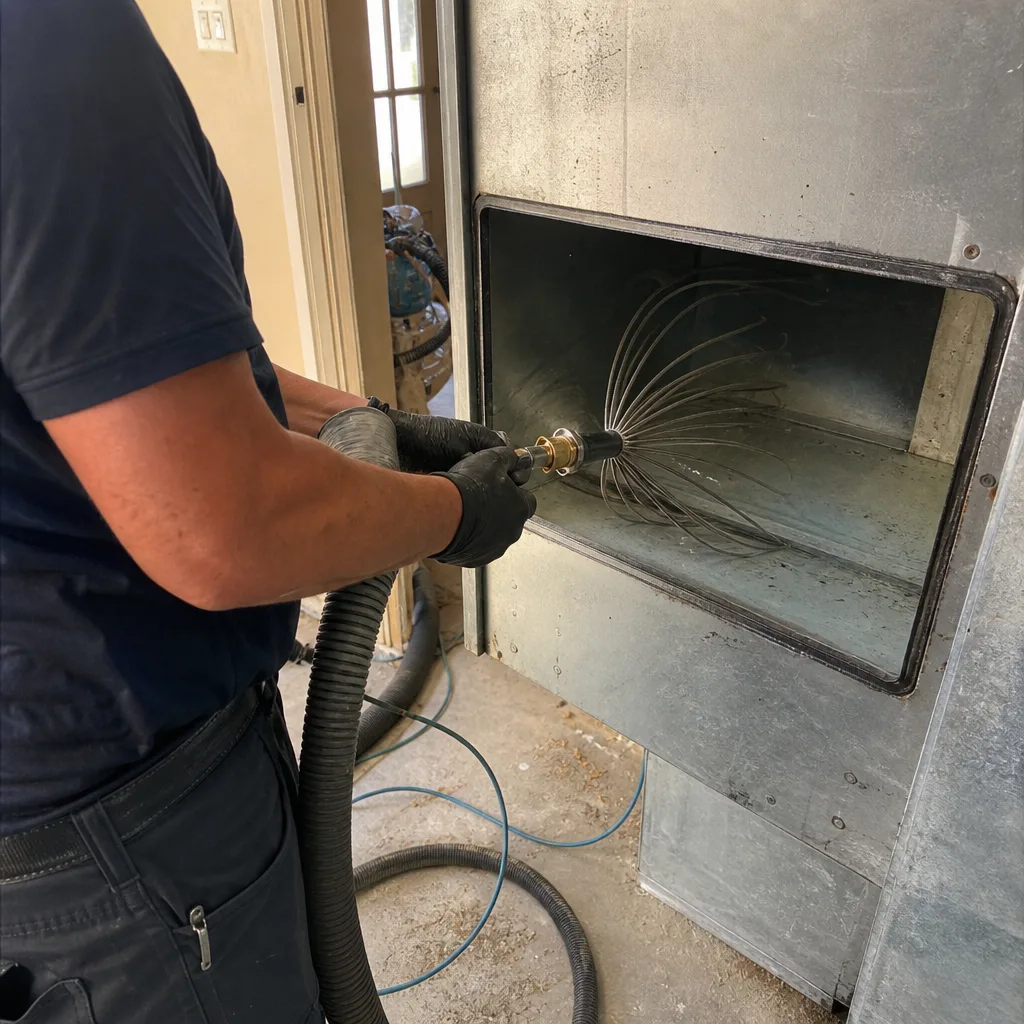
There’s a safe middle ground and a hard stop. What you can do: verify your filter is clean and correctly seated, check that the condensate drain line outside isn’t blocked by dirt or landscaping, and confirm your thermostat is calling for cool without short-cycling. These three checks eliminate the obvious and cost nothing.
What you shouldn’t attempt: opening the coil cabinet, applying foaming cleaner, or straightening fins with a hardware-store comb. The evaporator coil sits downstream of your furnace in a plenum that carries 120-degree air in heating mode; the sheet metal edges are sharp, the refrigerant lines are pressurized, and a bent fin tool can puncture the tubing - a $1,200 mistake that turns a cleaning into a coil replacement. The biocides and foaming agents also require proper PPE and ventilation; we’ve seen homeowners trigger asthma episodes with over-the-counter sprays in enclosed Phoenix attics where temperatures hit 140 degrees. If the coil is visible through a removable panel and you see heavy debris, that’s useful information to tell us when you call. The actual cleaning belongs to a technician with lockout equipment and a documented process.
Here is what the camera found. Everything else follows from that.
FAQs
Most residential jobs run 90 minutes to 2.5 hours, depending on access and how much debris we’re removing. A horizontal attic unit in a Phoenix home built in the 1990s with original flex duct usually takes longer than a vertical closet installation. We’ll tell you the expected duration when we deliver the written price.
No - “repair” isn’t the right frame. A coil with corroded fins or leaking tubing needs replacement, which is a separate scope and price. What we’re addressing is restorable restriction: debris, biological growth, and bent fins that are physically intact but airflow-blocked. The camera shows the difference, and we’ll point it out before you agree to anything.
Every 3 to 5 years for homes with standard 1-inch pleated filters changed quarterly. If you run a Honeywell F100 or F200 media air cleaner with 4-inch filters changed annually, stretch to 5 to 7 years - the better upstream filtration protects the coil. Homes in Ahwatukee, near the South Mountain preserve, or anywhere with active construction nearby tend toward the shorter interval because of dust load.
Yes - we carry foaming cleaner rated for aluminum-copper coils, low-pressure rinse equipment, fin combs in multiple fin-per-inch counts, and condensate pan treatment. We’re not pulling up to your home to see what we need; the truck is stocked for Honeywell-compatible systems specifically, along with Lennox, Trane, and Carrier coil configurations. Call (480) 500-6377 and we’ll confirm same-day or next-day availability.
CleanRun Duct Repair & Cleaning is an independent service provider and is not affiliated with Honeywell International Inc. We service Honeywell-compatible systems using manufacturer-approved methods and compounds.
Ready to see what your coil actually looks like? Call (480) 500-6377 for a free estimate with a written price delivered before any work starts. Our technicians are background-checked, uniformed, and identified by name before arrival - Haven Standard Clause 3: Verified Crews. Every job includes a Documented Photo Record of every duct run and coil condition, and your work is backed by our 365-Day Done Right Promise in writing.
Written by Tomas Reyes, Owner & Lead Technician, CleanRun Air Duct Cleaning Phoenix at CleanRun Air Duct Cleaning Phoenix, serving Phoenix and nearby areas.