
Whole-system duct and dryer vent check with before-and-after photos - you see exactly what came out of your vents
That "$99 whole-house special" is a bait ad - the real number appears once they are in your hallway, or the "clean" is a shop-vac at the register. We photograph the inside of your ducts before and after instead.
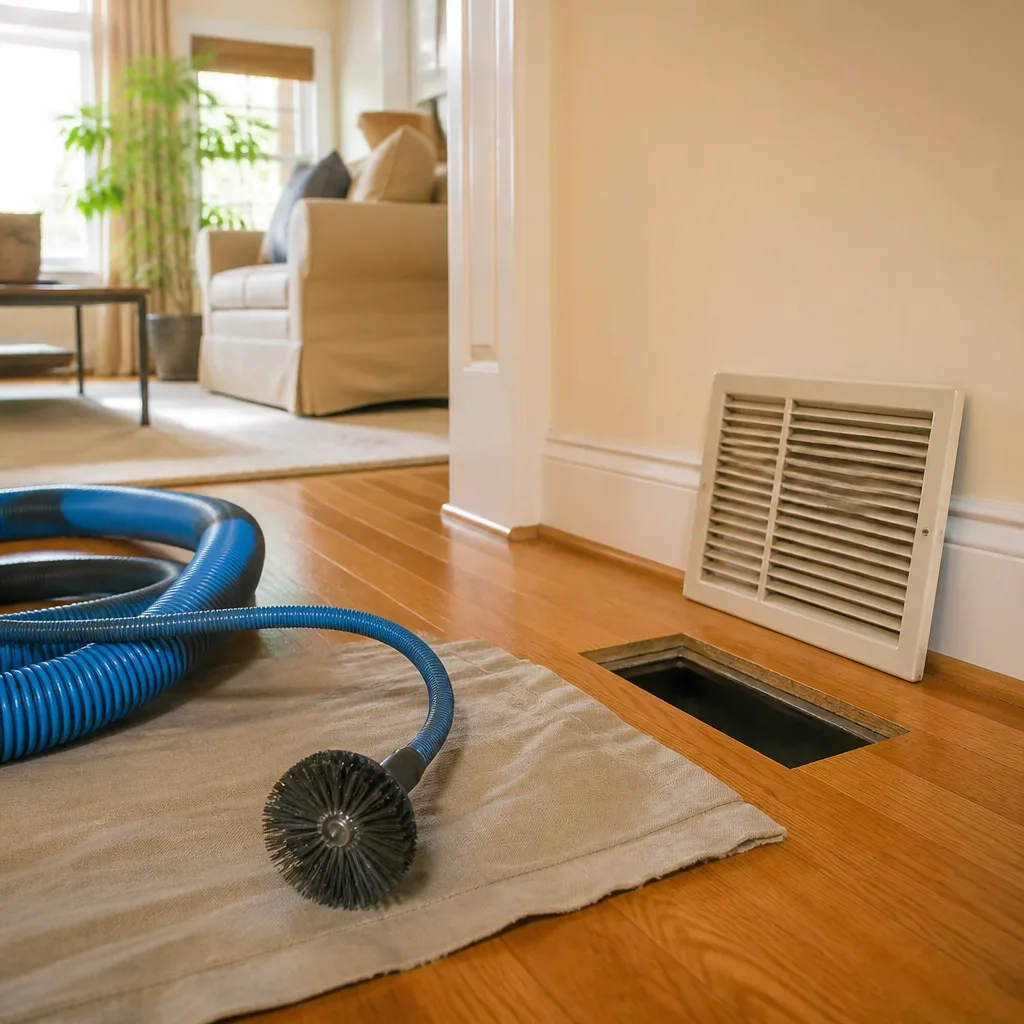
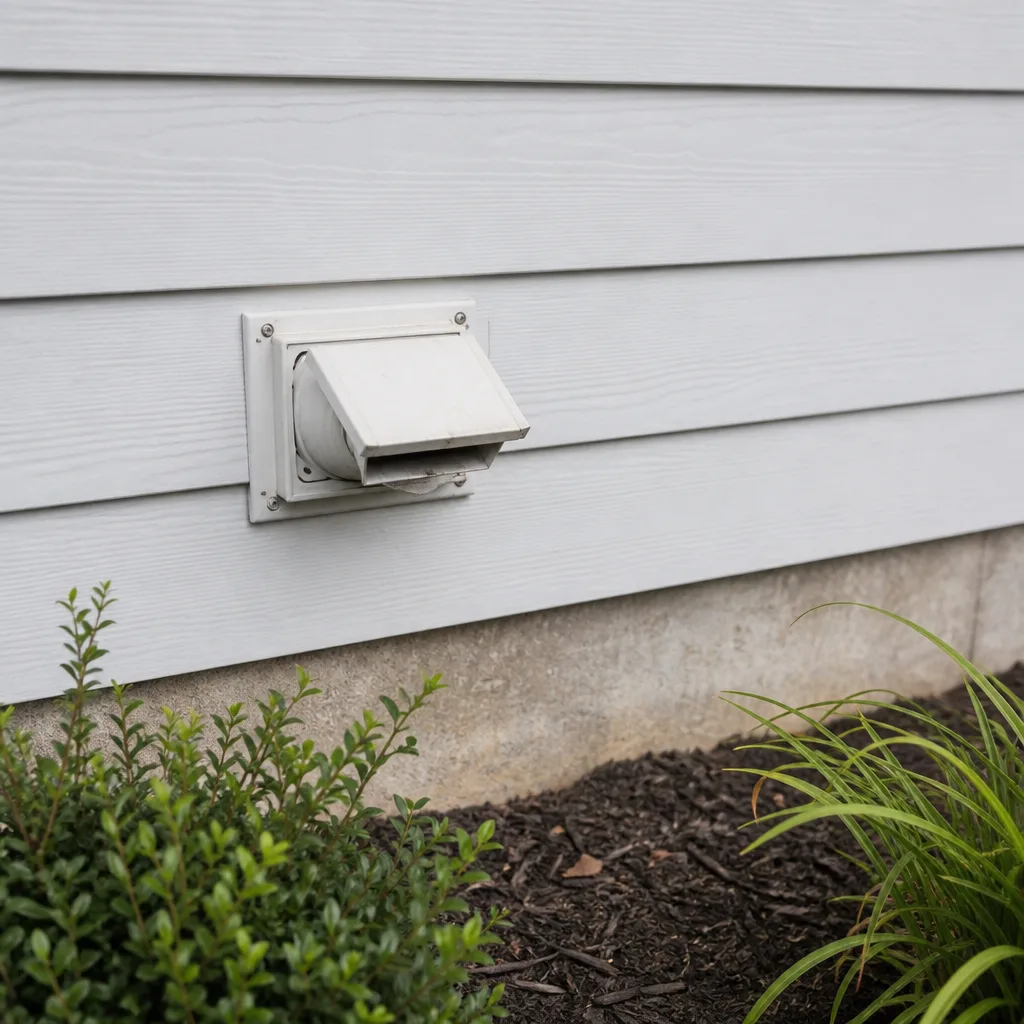
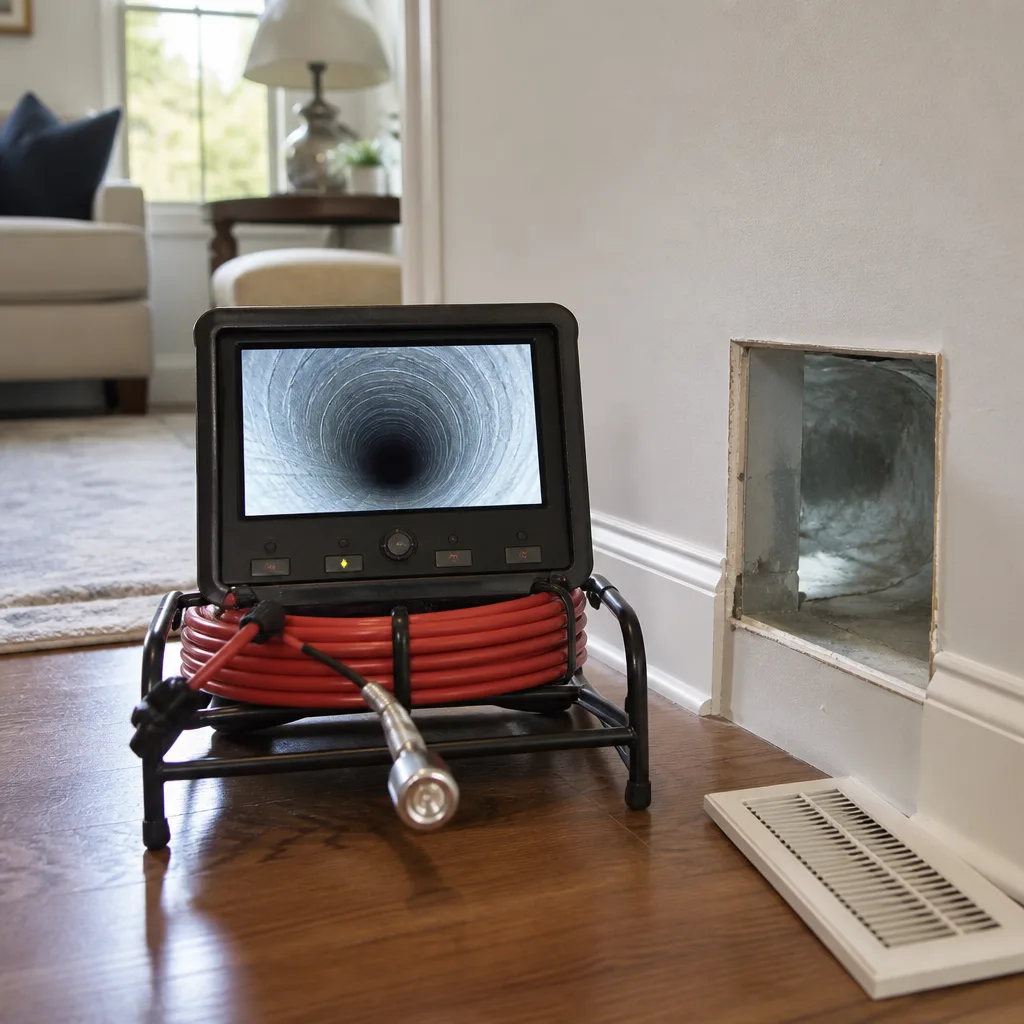
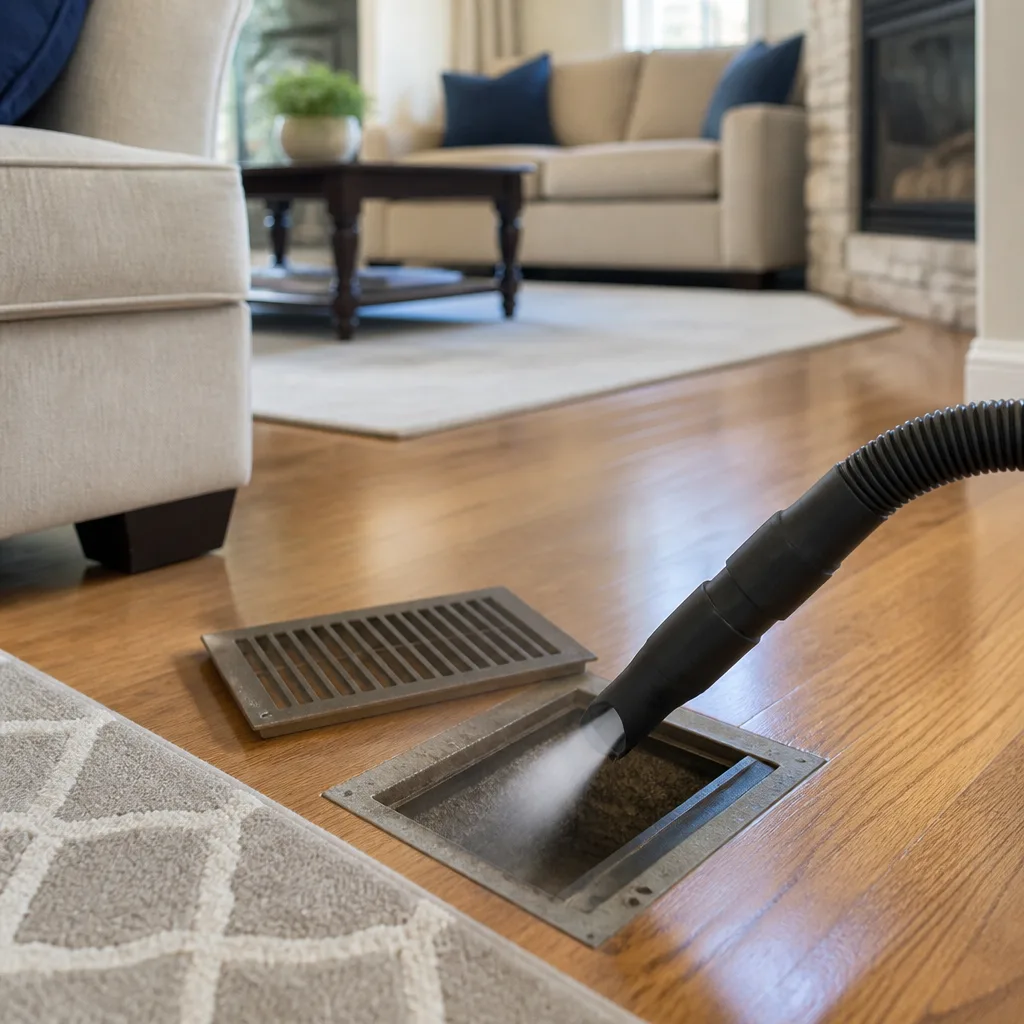
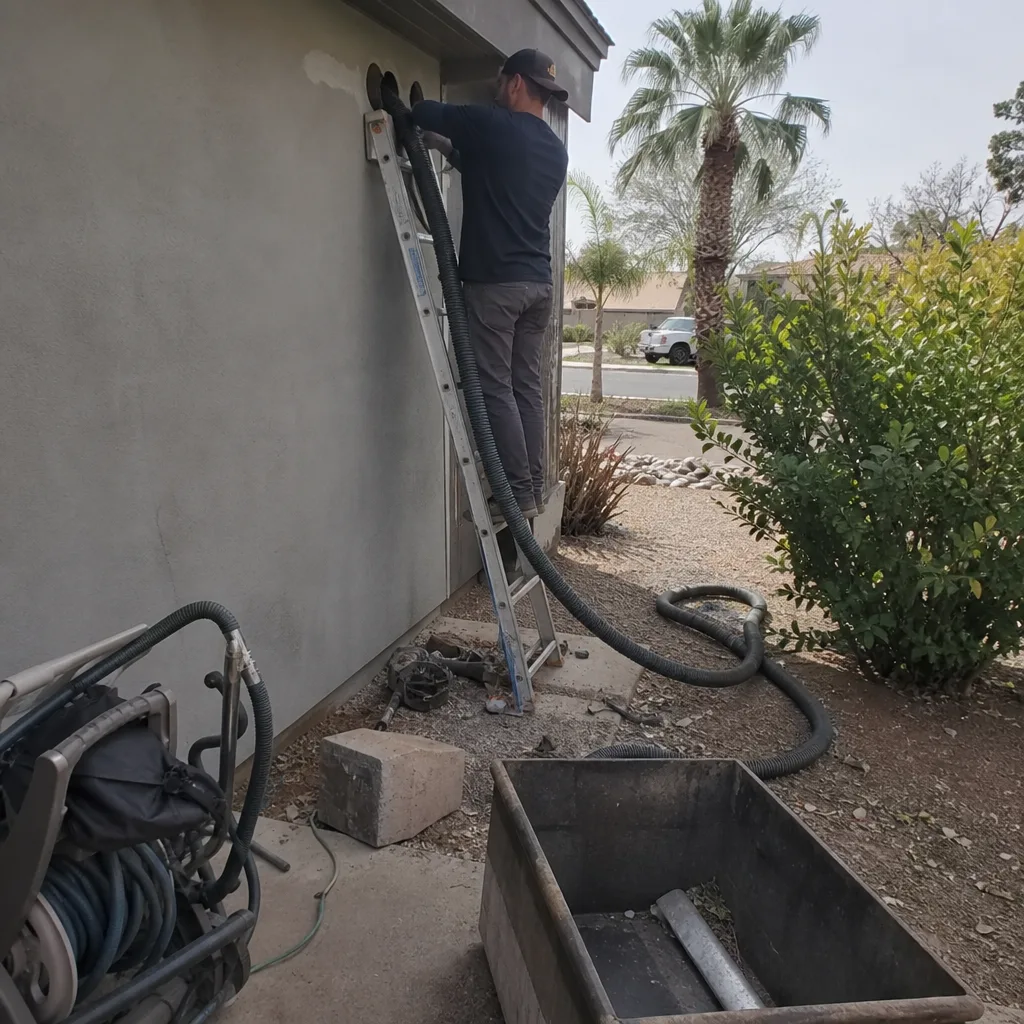 Before
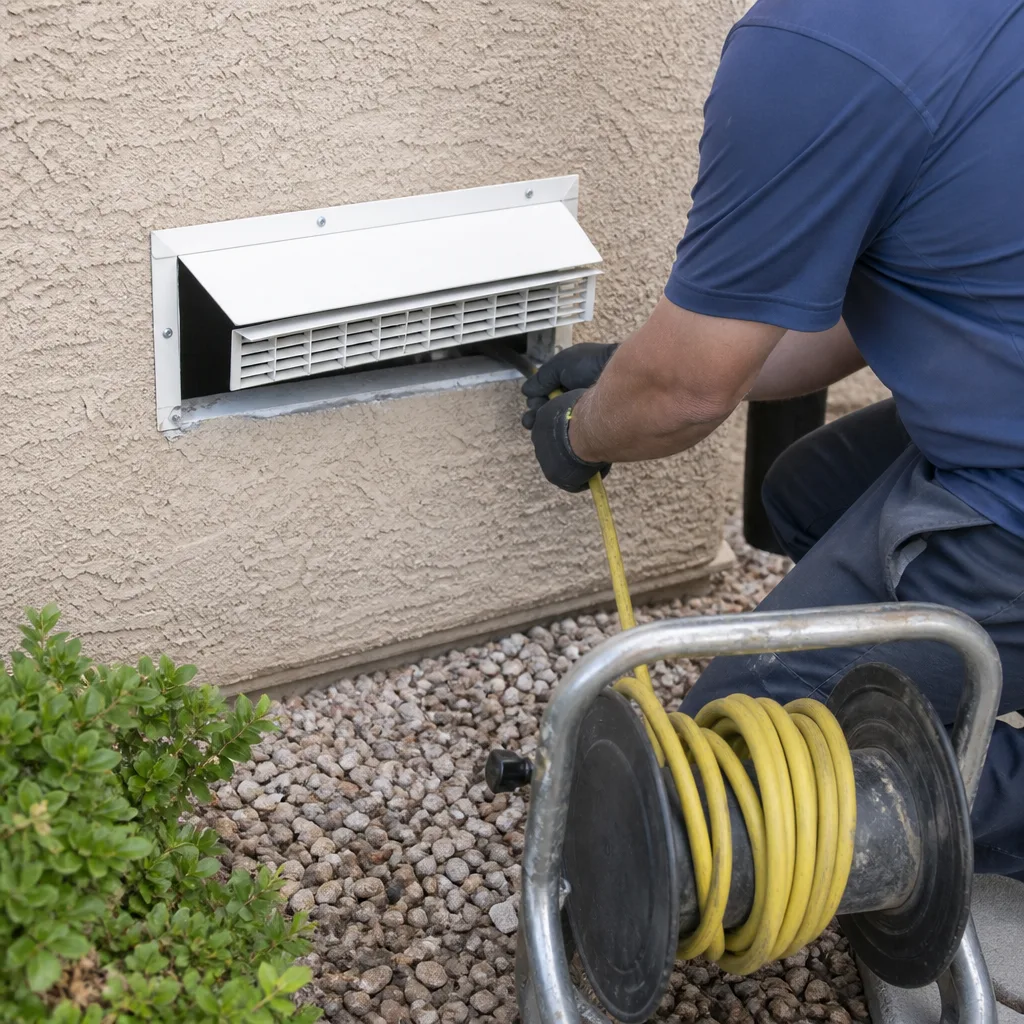 After
After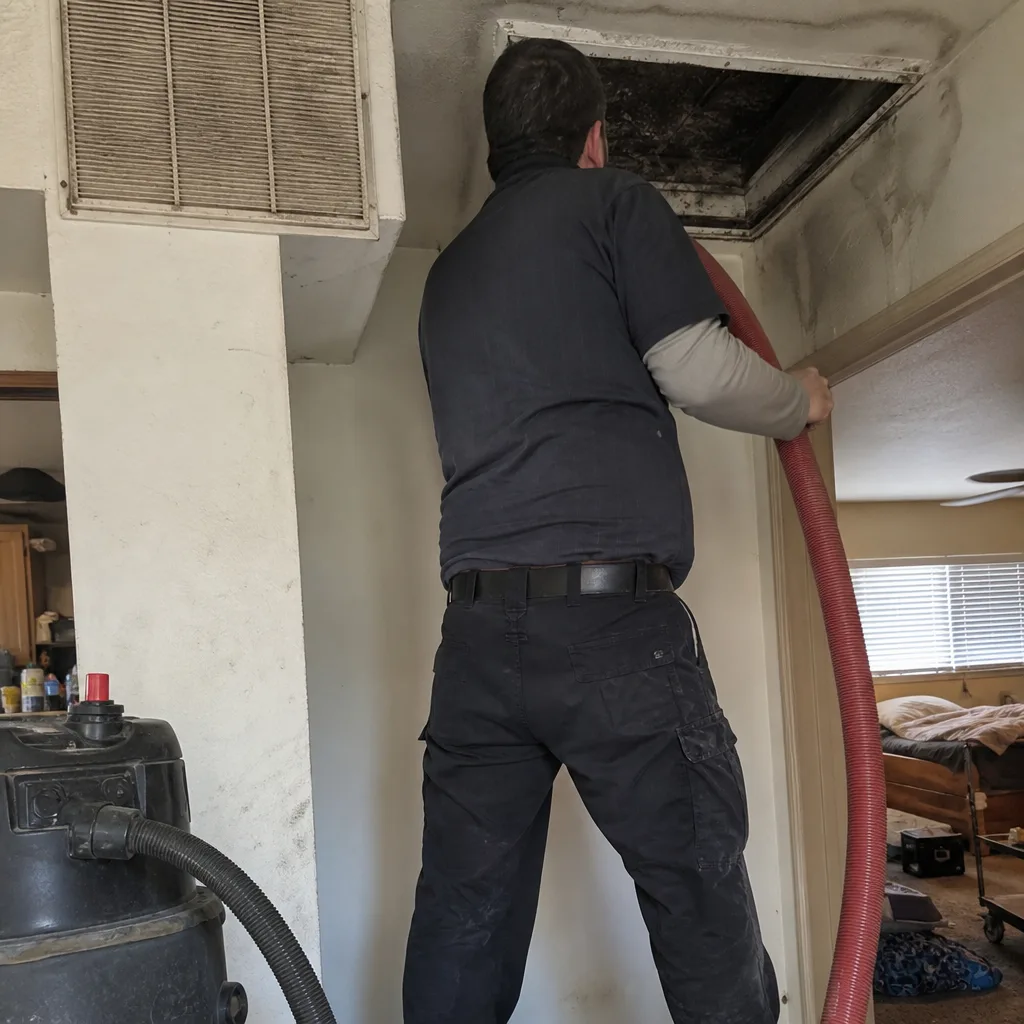 Before
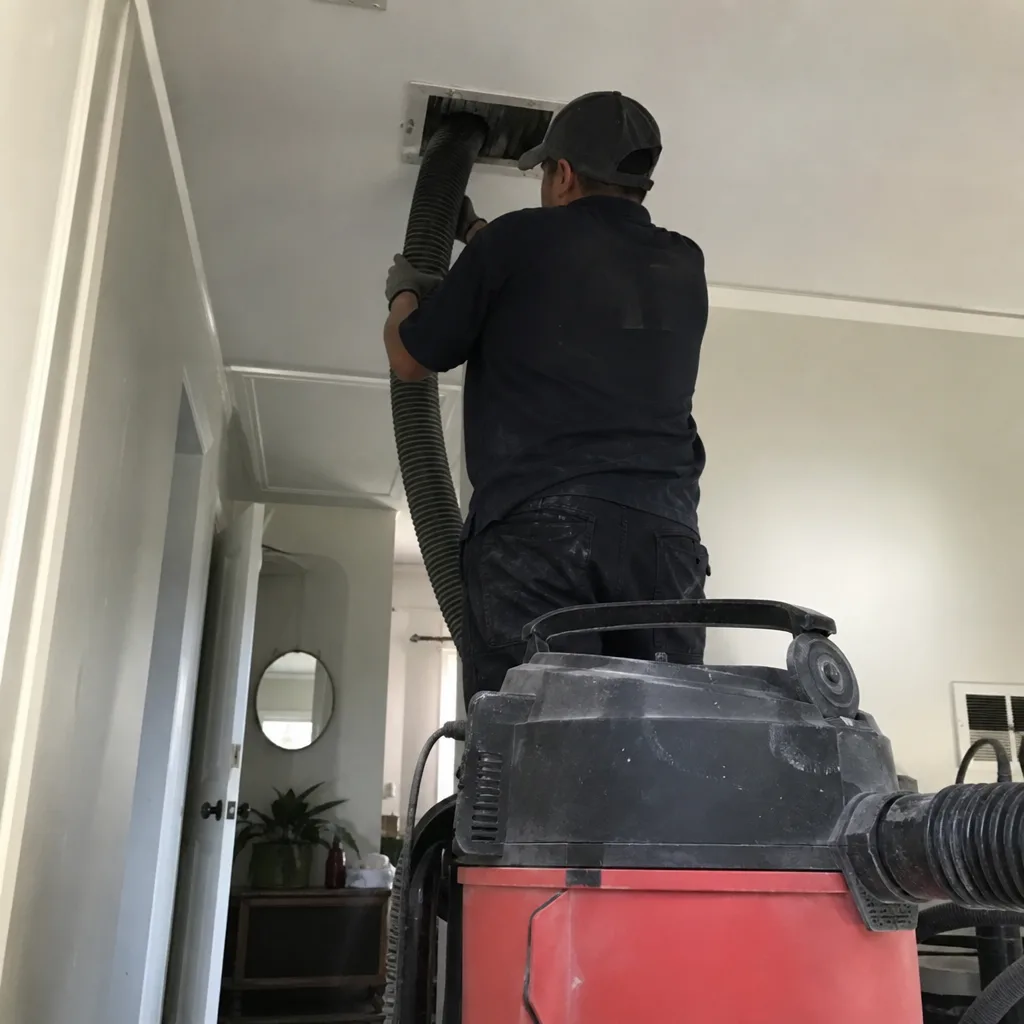 After
After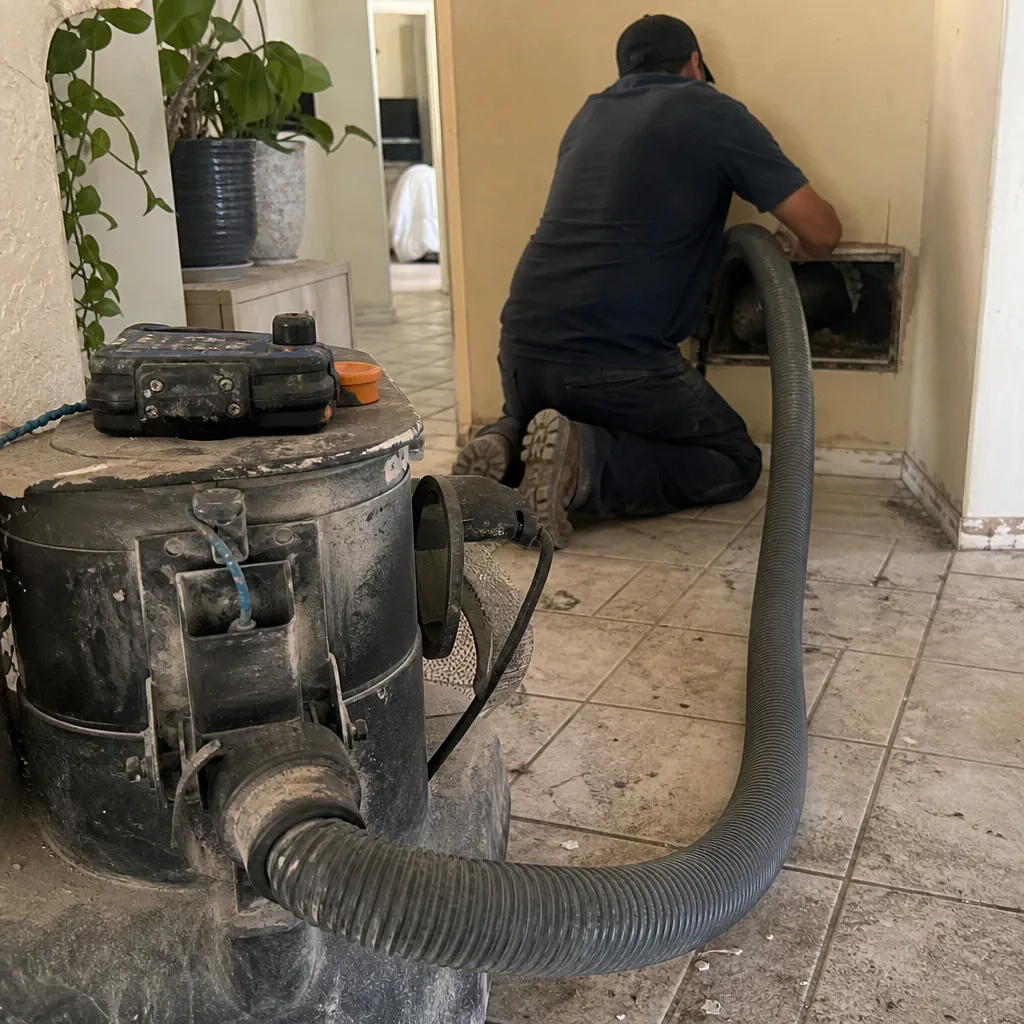 Before
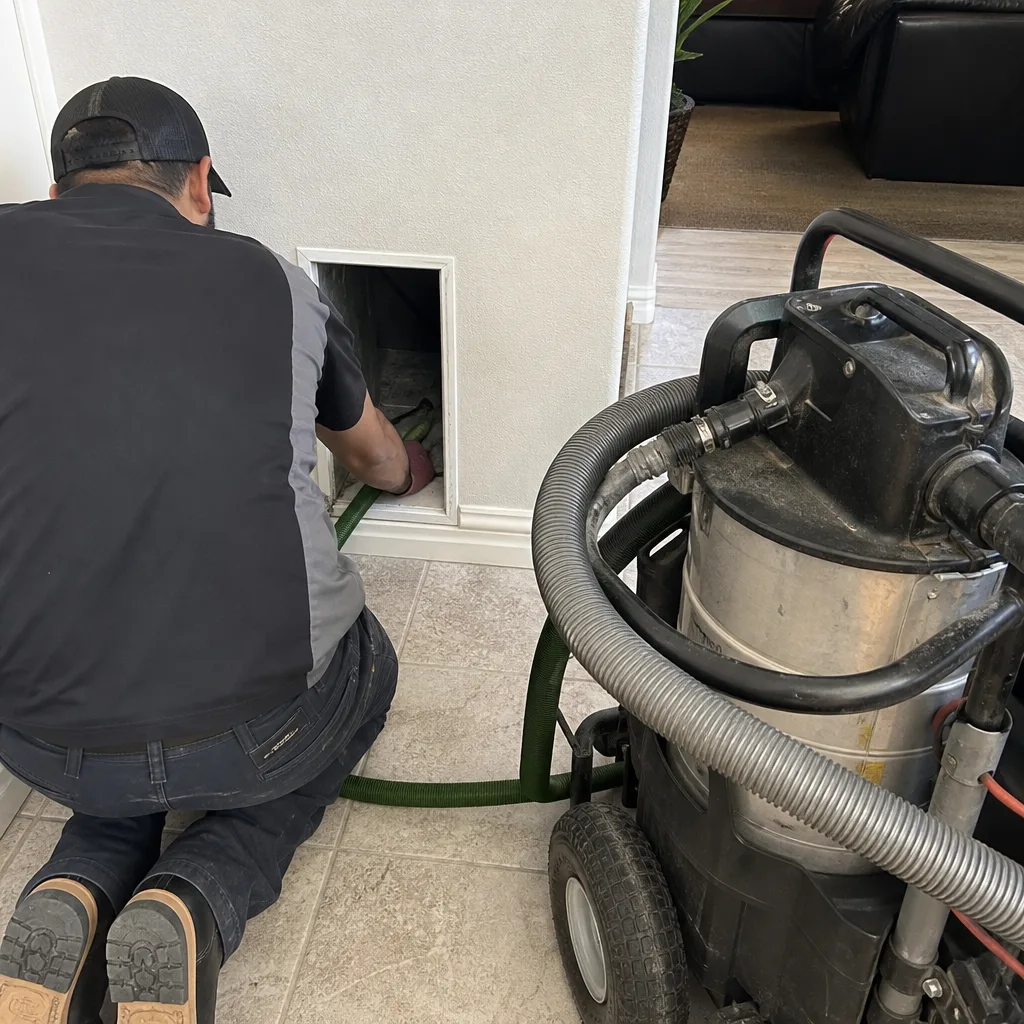 After
AfterAbatement Technologies Vent Sanitizing: The Phoenix Owner’s Guide
Abatement Technologies vent sanitizing system replacement in Phoenix typically runs $340-$620 installed, depending on whether we’re matching a single PREDATOR 750 or a multi-head CAP600-UV configuration. We stock the full Abatement Technologies UV-C lamp and quartz sleeve range on our trucks, and most residential swaps in Phoenix, Scottsdale, and Tempe are completed in under two hours with the written price set before any panel comes off. Here is what the camera found. Everything else follows from that. Most owners discover the sanitizing unit has failed when they notice the persistent musty smell returning right after a standard duct cleaning, or when their HVAC technician spots the telltale violet glow missing from the UV housing during a seasonal tune-up.
Which Abatement Technologies Models This Applies To
Abatement Technologies builds vent sanitizing around two distinct UV-C platforms, and matching the wrong lamp or sleeve to your housing wastes the part and the labor.
The PREDATOR series (750, 1500, 3000) uses a 4-pin single-ended lamp with a 15mm quartz sleeve diameter. These mount downstream of the coil in residential air handlers across Phoenix’s 2015-2022 build stock, particularly in the Ahwatukee and Arcadia neighborhoods where we’ve logged hundreds of installs. The CAP600-UV and CAP1200-UV are cabinet-style units with dual-lamp arrays; the CAP600 takes two 16-inch lamps, the CAP1200 takes four. The critical compatibility gotcha: Abatement Technologies changed lamp socket spacing in 2019. A pre-2019 CAP600 housing will not accept current-production lamps without the retrofit bracket (Abatement Technologies part 10-6000-RB), which we carry.
OEM lamps carry the Abatement Technologies label and a 9,000-hour rated life. Quality aftermarket equivalents from American Ultraviolet and Fresh-Aire UV match the 254nm wavelength and 185nm ozone-optional spec, though we default to OEM on any unit still under manufacturer warranty. The quartz sleeve is where most Phoenix failures actually happen: thermal cycling from 115°F attic summers to 55°F winter nights creates microfractures that let moisture reach the lamp base. We measure sleeve clarity with a UV meter on every swap. If transmission drops below 85%, we replace the sleeve even if the lamp still fires.
Signs Your Abatement Technologies Vent Sanitizing Is Failing
- The violet indicator glow is intermittent or absent. UV-C lamps degrade silently; the visible glow is actually a small fraction of total output. By the time you notice flickering, effective germicidal output has typically fallen below 40% of rating. We verify with a calibrated UVC radiometer, not eyeball judgment.
- Musty or sour odors return within two weeks of duct cleaning. In Phoenix’s dry climate, this usually means the coil and drain pan are colonizing mold between cycles because the UV-C dose is insufficient to suppress biofilm growth at the air handler.
- Visible corrosion or white crust on the lamp base or socket. This is calcium and magnesium deposition from condensate carryover, common in homes with hard water and undersized drain lines. The crust creates a resistive path that overheats the ceramic base and cracks the quartz sleeve.
- HVAC technician notes “UV present but not functional” on maintenance report. Many Phoenix techs check the box if the lamp lights, but a 3-year-old lamp at 30% output is functionally decorative. We see this misdiagnosis most often in Gilbert and Chandler, where builder-grade installs used the lowest-output PREDATOR 750 spec for 4-ton systems.
- Quartz sleeve shows clouding, etching, or brown banding. The brown bands are ozone byproduct residue from 185nm lamps; clouding is silica devitrification from sustained high heat. Either condition drops UV transmission and accelerates lamp degradation. In Phoenix attic installations, sleeve replacement at 24 months is typical, not exceptional.
BeforeAfterReplacement Cost & What’s Included
| Component / Service | Typical Range (Phoenix) |
|---|---|
| PREDATOR 750 lamp + sleeve, single install | $340-$420 |
| PREDATOR 1500/3000 lamp + sleeve, single install | $380-$480 |
| CAP600-UV dual lamp + sleeve replacement | $480-$580 |
| CAP1200-UV quad lamp + sleeve replacement | $560-$720 |
| 2019 retrofit bracket (if needed) | $45-$65 |
| UV output verification (radiometer reading) | Included |
| Documented Photo Record of housing condition | Included |
What drives the range: attic access difficulty, whether the existing sleeve is seized to the lamp (common after 3+ years), and if the ballast requires replacement. We quote the full installed price in writing before work starts, Haven Standard Clause 1, with no per-component add-ons once the truck is on site. Every lamp swap carries the 365-Day Done Right Promise and a 12-month part warranty. We also stock Lennox, Trane, and Carrier UV components for mixed-system homes.
DIY or Call Us?
What you can safely check: confirm the lamp is seated fully in the socket, verify the 120V supply at the junction box with a non-contact tester, and inspect the quartz sleeve for visible clouding or cracks with the power off and locked out. Do not handle a UV-C lamp with bare skin; oils create hot spots that halve lamp life.
Where DIY goes wrong: the lamp fires on install but at 20% output because the sleeve microcracks aren’t visible to the eye. The ballast tests at correct voltage but delivers unstable frequency that degrades the lamp in weeks. The housing isn’t grounded to current NEC, creating a shock hazard in metal air handlers. And the real risk: UV-C exposure causes photokeratitis (welder’s flash) within seconds of direct viewing. We wear calibrated UVC-blocking face shields and use lockout-tagout procedures on every job.
CleanRun Air Duct Cleaning Phoenix is an independent service provider, not affiliated with Abatement Technologies. For a written price on your specific unit, call (480) 500-6377. We’ll ask for the model number off the housing label and give you the installed range before we schedule.
FAQs
Rated life is 9,000 hours, but in Phoenix’s heat and with typical cycling, effective germicidal output drops below useful levels at 12-18 months of calendar time. We recommend annual radiometer verification and replacement at 24 months maximum. The 185nm ozone-generating lamps degrade faster; plan on 12-14 months in practice. Call (480) 500-6377 and we’ll check your install date against our service records.
No. UV-C lamps are sealed vacuum tubes with a finite mercury charge. Once output degrades, there is no refurbishment that restores the 254nm peak. The quartz sleeve can sometimes be cleaned if clouding is minor, but microfractures require replacement. We do not quote cleaning as a substitute; the camera shows whether the sleeve is salvageable, and we document that finding in your photo record.
Most residential PREDATOR swaps take 45-75 minutes; CAP600/1200 arrays run 90-120 minutes including radiometer verification and photo documentation. Attic access in older Phoenix homes with 14-inch blown insulation adds 20-30 minutes. We schedule two-hour windows and typically finish early.
Yes. We carry PREDATOR 750/1500/3000 lamps and sleeves, CAP600/1200 lamp sets, the 10-6000-RB retrofit bracket, and matching ballasts across our Phoenix fleet. If you have a legacy Abatement Technologies unit we haven’t seen before, we’ll pull the model number and confirm stock before we dispatch. No “we’ll order it and come back” - if we don’t have it, we don’t schedule the job.
Written by Tomas Reyes, Owner & Lead Technician, CleanRun Air Duct Cleaning Phoenix at CleanRun Air Duct Cleaning Phoenix, serving Phoenix and nearby areas.