
Whole-system duct and dryer vent check with before-and-after photos - you see exactly what came out of your vents
That "$99 whole-house special" is a bait ad - the real number appears once they are in your hallway, or the "clean" is a shop-vac at the register. We photograph the inside of your ducts before and after instead.
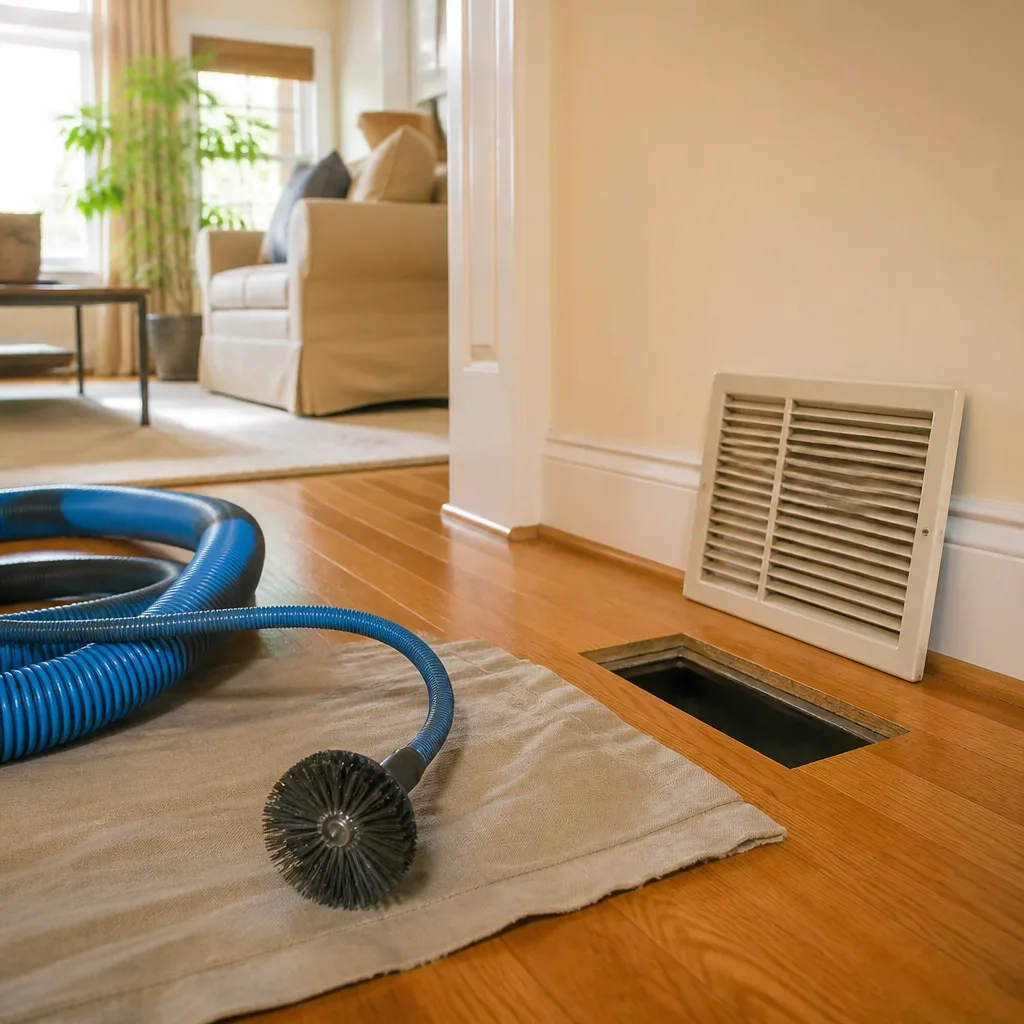
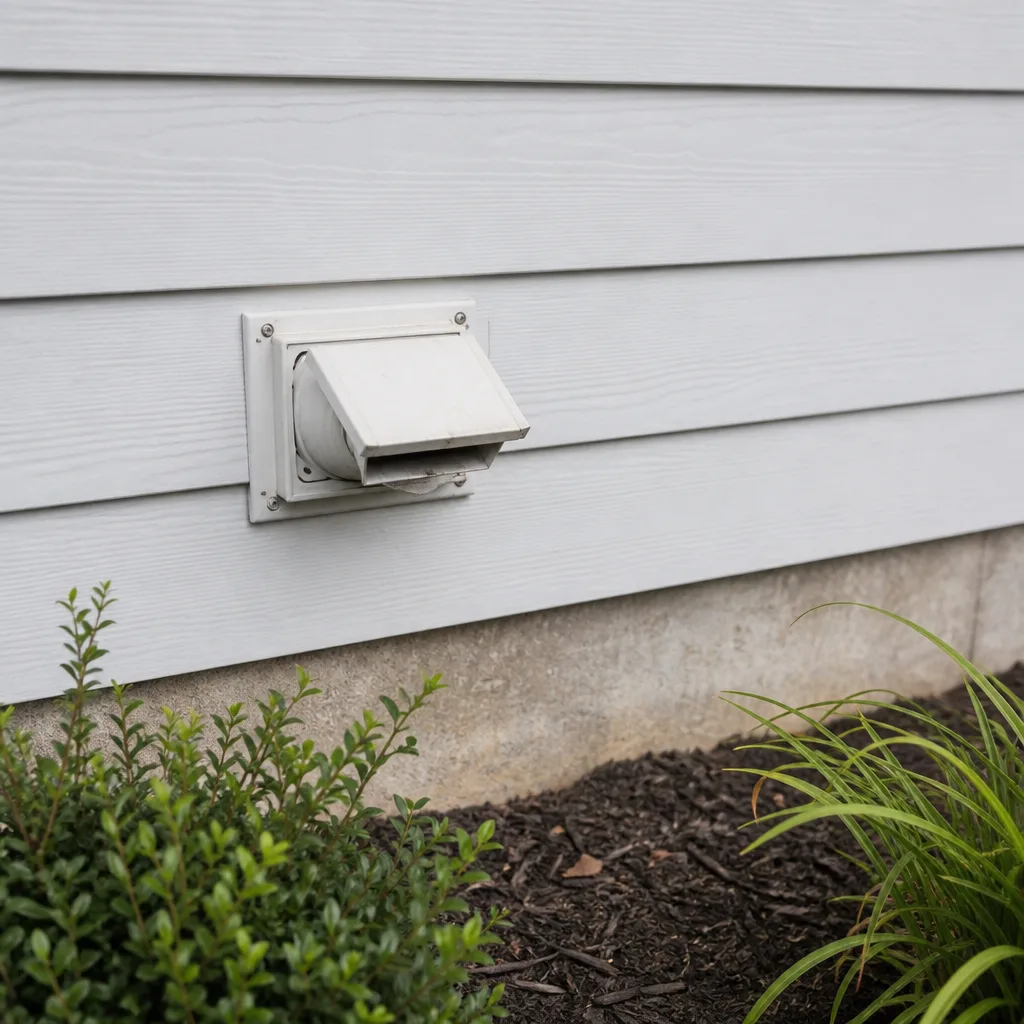
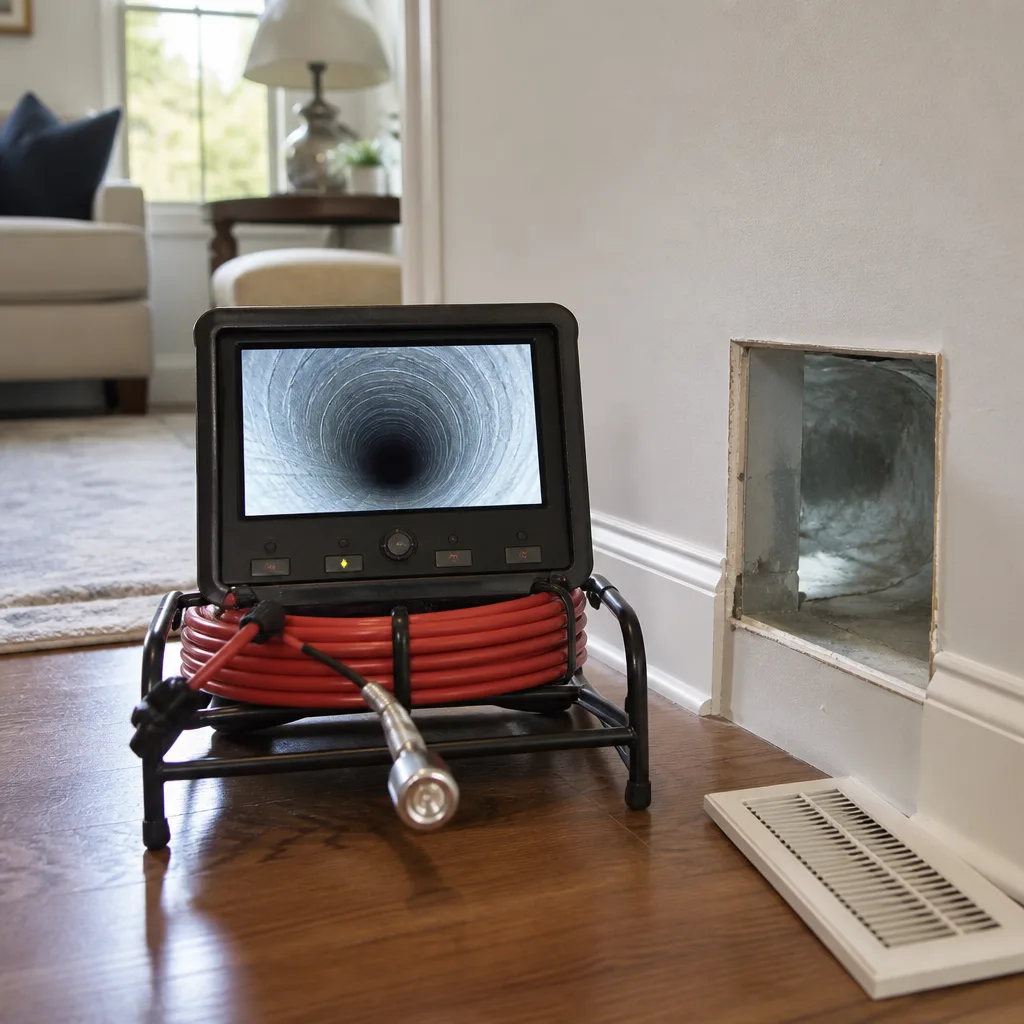
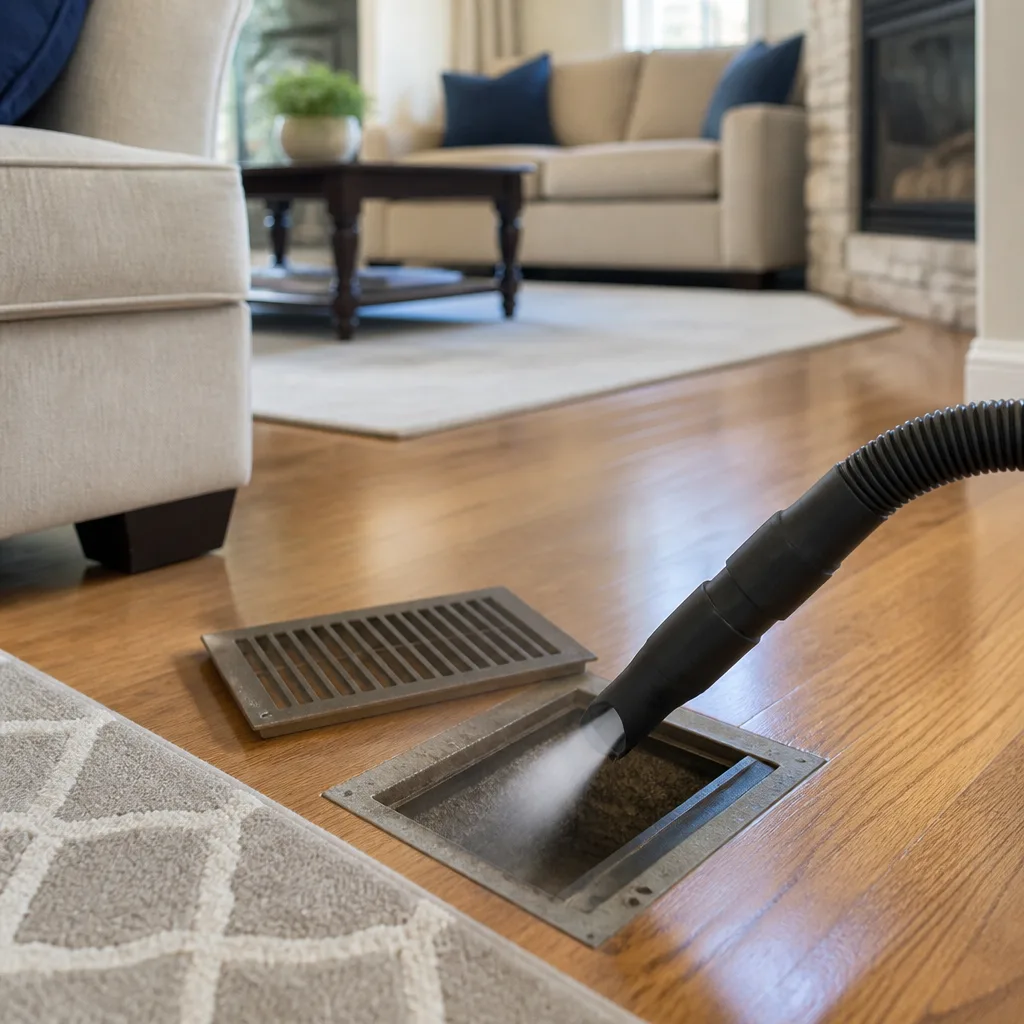
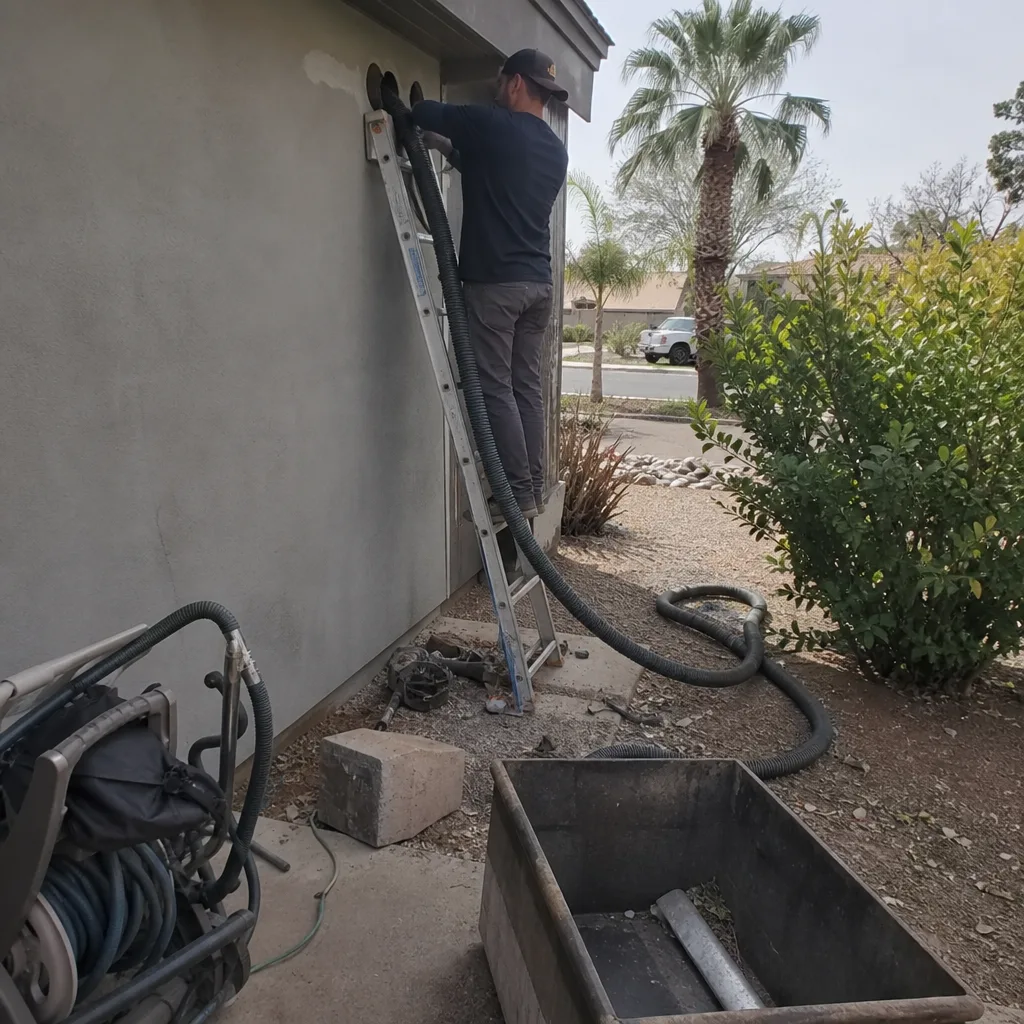 Before
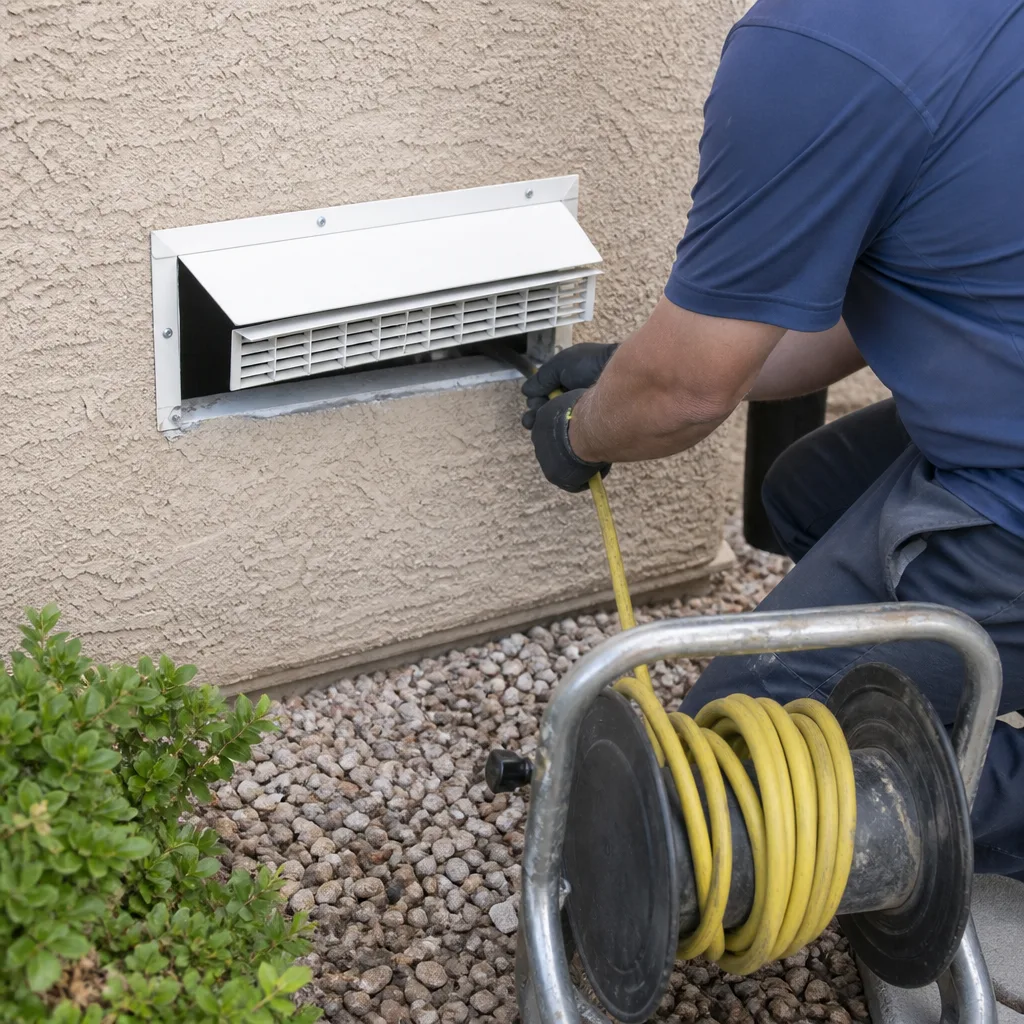 After
After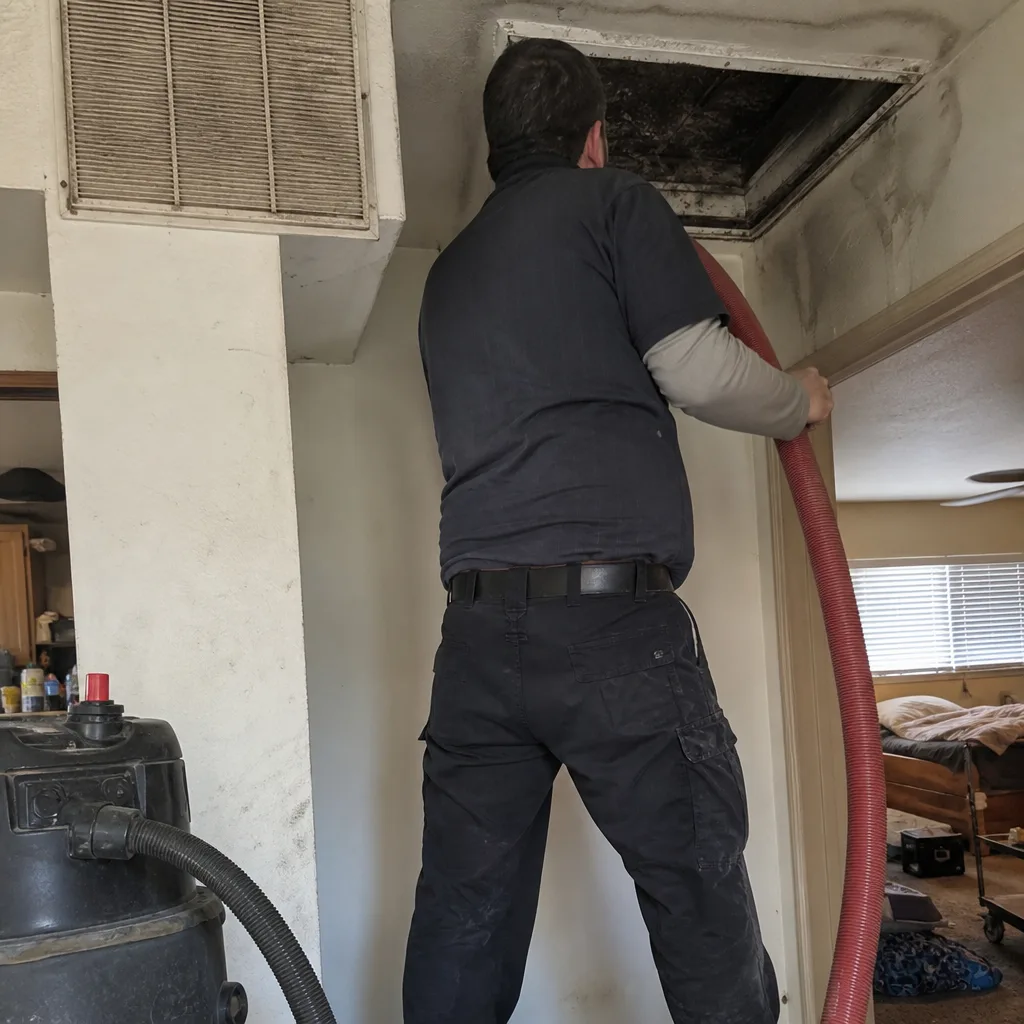 Before
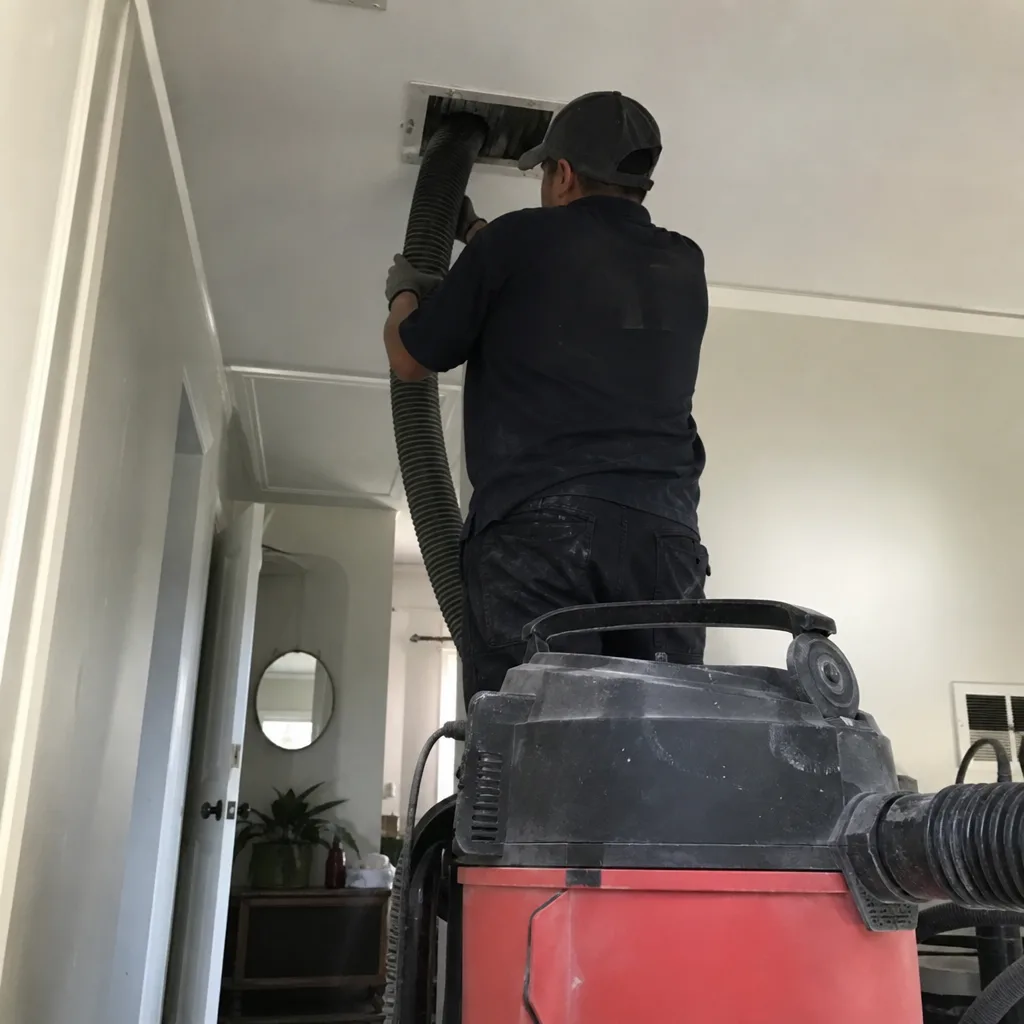 After
After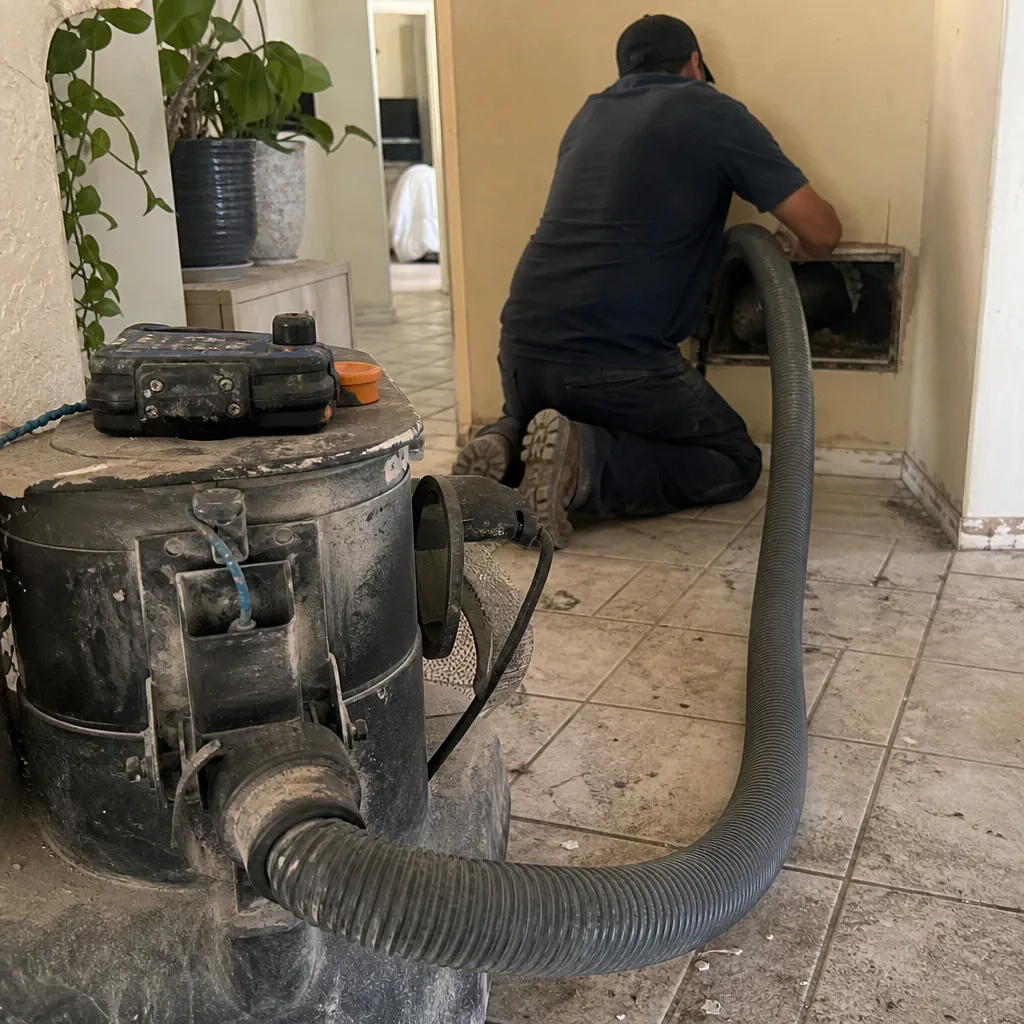 Before
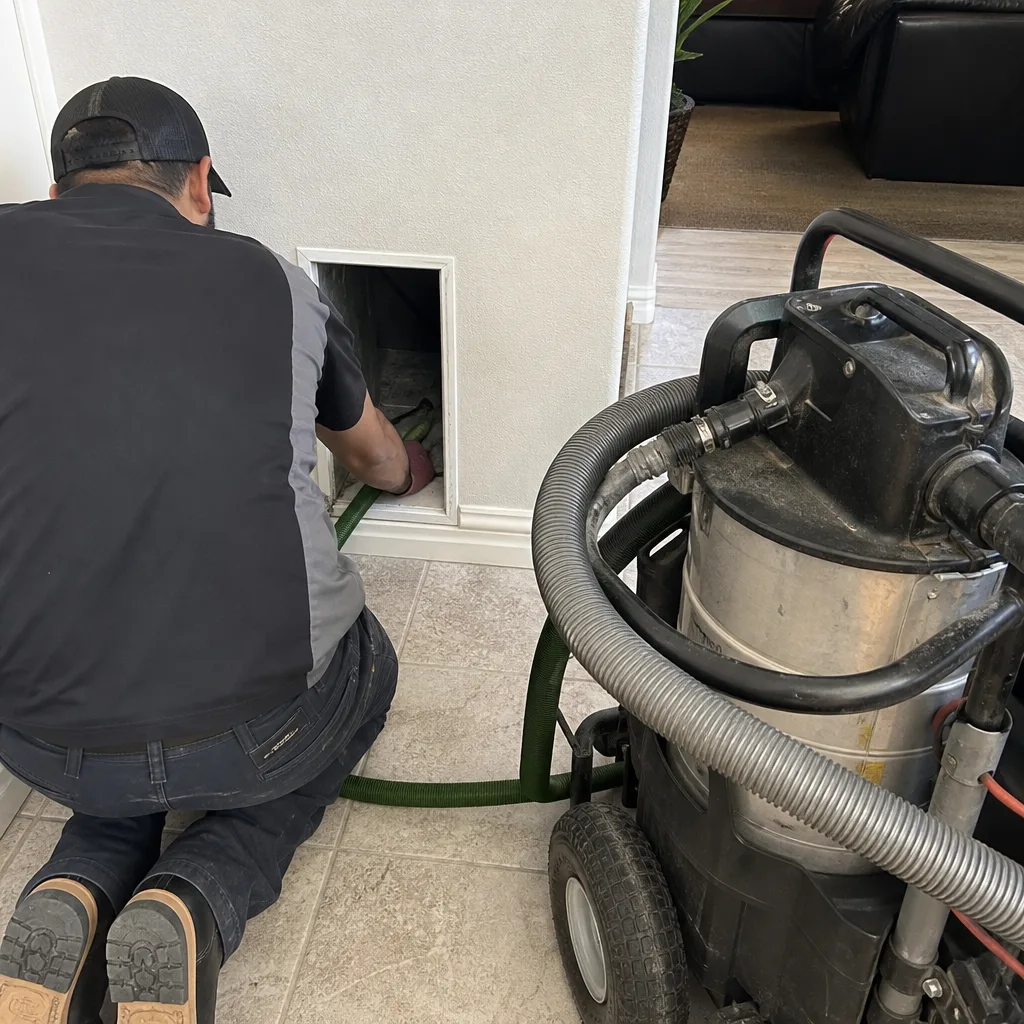 After
AfterHoneywell Register & Grille Cleaning: The Phoenix Owner’s Guide
CleanRun stocks and installs Honeywell-compatible register and grille cleaning across Phoenix, with typical whole-system service ranging from $380 to $620 for a standard single-family home. Most Honeywell register and grille cleaning jobs in the Valley are completed in a single scheduled visit, with before-and-after photos delivered as part of the standard job record. Homeowners usually discover an issue when airflow drops in one room, the grille rattles against the boot, or a visual inspection shows dust matting that vacuuming the surface won’t touch.
Which Honeywell Models This Applies To
Honeywell registers and grilles fall into several product families, and matching the right cleaning approach starts with reading the stamp. Look for model prefixes: HVR (horizontal vaned residential), SVR (supply vertical residential), or the commercial-grade HCG and HSG series. The HVR-200 series, common in Phoenix homes built 2015 to 2020, uses a snap-in damper with a 6-inch by 10-inch rough opening that differs from the 4-inch by 12-inch HVR-100 found in older builds. The grille face dimensions also vary: HVR-200 grilles measure roughly 8 by 12 inches on the visible face, while HCG commercial units run 10 by 14 inches or larger.
We clean both OEM Honeywell units and quality aftermarket equivalents from Guardsman and Aprilaire, which share the same mounting geometry but may use different vane angles. The aftermarket grilles often move air more quietly at the tradeoff of a slightly different aesthetic. For Phoenix homeowners in neighborhoods like Arcadia or North Central, where mid-century homes were retrofitted with Honeywell-compatible systems in the 2010s, the critical compatibility gotcha is boot depth: some retrofits used shallow 2-inch boots that limit how aggressively the vanes can be cleaned without disassembly. We check this with a borescope before quoting.
CleanRun Air Duct Cleaning Phoenix is an independent service provider, not affiliated with Honeywell.
Signs Your Honeywell Register & Grille Cleaning Is Failing
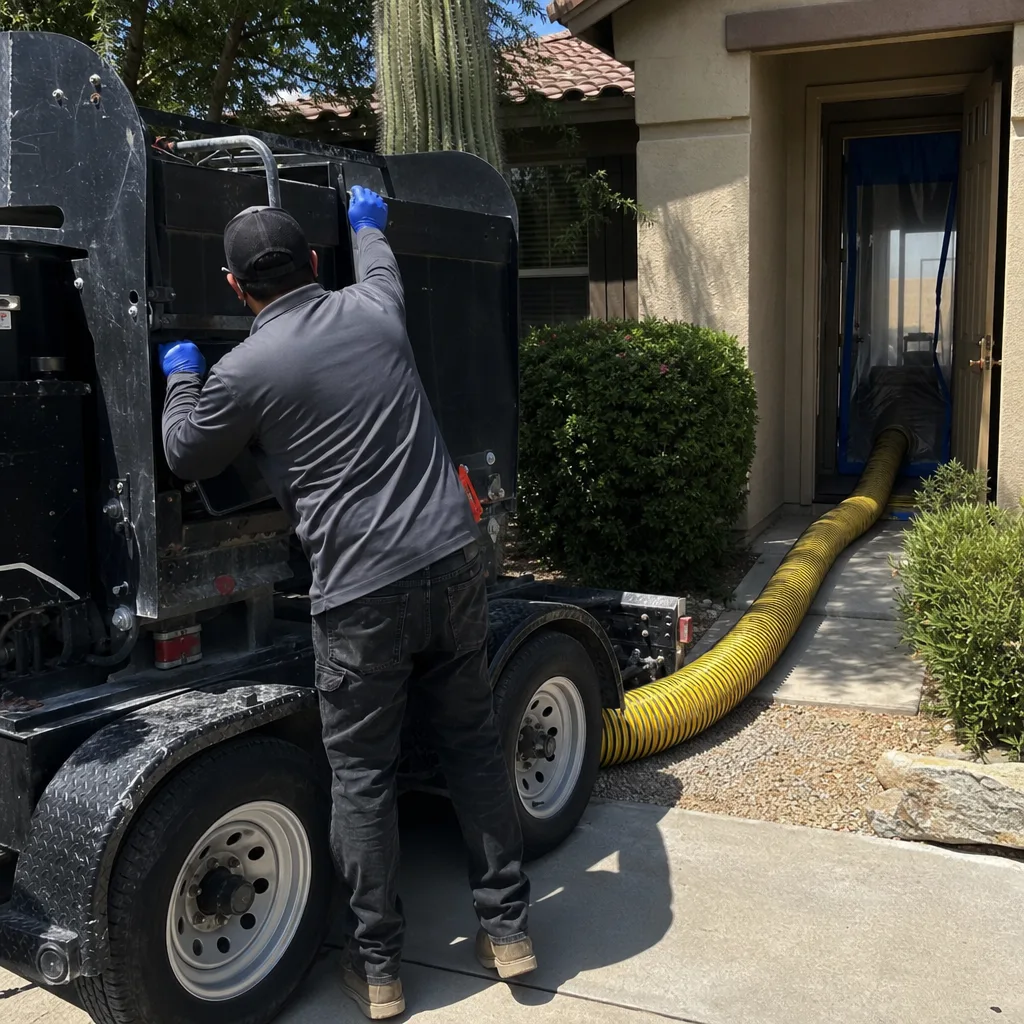
- Uneven airflow between rooms. The damper vane inside the Honeywell register may be stuck with dust and desert debris, or the grille vanes may be so clogged that air bypasses the intended directional path. We see this most often in Phoenix homes where the register sits near a window that gets direct afternoon sun, baking dust into a hardened layer.
- Visible dust matting that returns within days of surface cleaning. The grille face looks clean after vacuuming, but the buildup is actually behind the face plate, in the vane tracks and damper pivot. A homeowner in Ahwatukee called us last spring after three rounds of surface cleaning; the camera showed a half-inch debris ridge at the first vane joint.
- Rattling or whistling at the register. The grille has loosened in its mounting clips, or the damper blade is chattering against accumulated grit. In Phoenix’s hard water and high-dust environment, mineral scale can cement the damper hinge.
- Discoloration of the grille face or surrounding ceiling. This indicates long-term airflow restriction causing temperature differential, or in some cases, microbial growth where condensation collects behind a debris-blocked register. The Honeywell HVR-200’s polymer vane is particularly prone to staining once biofilm takes hold.
- Musty odor when the system cycles on. The grille and boot junction has become a debris trap, holding organic material that reactivates with each airflow pulse. Phoenix’s monsoon humidity, brief as it is, can push this past the threshold where surface cleaning helps.
BeforeAfterReplacement Cost & What’s Included
For Honeywell register and grille cleaning in Phoenix, our whole-system service runs $380 to $620 for a typical single-family home, depending on register count and whether the boots require disassembly for proper access. This is not per-vent pricing. Haven Standard Clause 1 requires that we deliver a written price before any work starts, and that price covers the full scope: negative-pressure extraction of each duct run, mechanical agitation of the register and grille assembly, borescope documentation of before-and-after condition, and reinstallation with verified damper operation.
What drives the range: homes with 8 to 12 registers fall at the lower end; homes with 15 or more, or with commercial-grade HCG grilles requiring specialized handling, land higher. If a register boot has collapsed or separated, duct repair is quoted separately with its own written price. Every Honeywell register and grille cleaning job carries our 365-Day Done Right Promise, backed in writing. The documented photo record, delivered as part of the standard job record, shows the interior of every run, including the register throat.
DIY or Call Us?
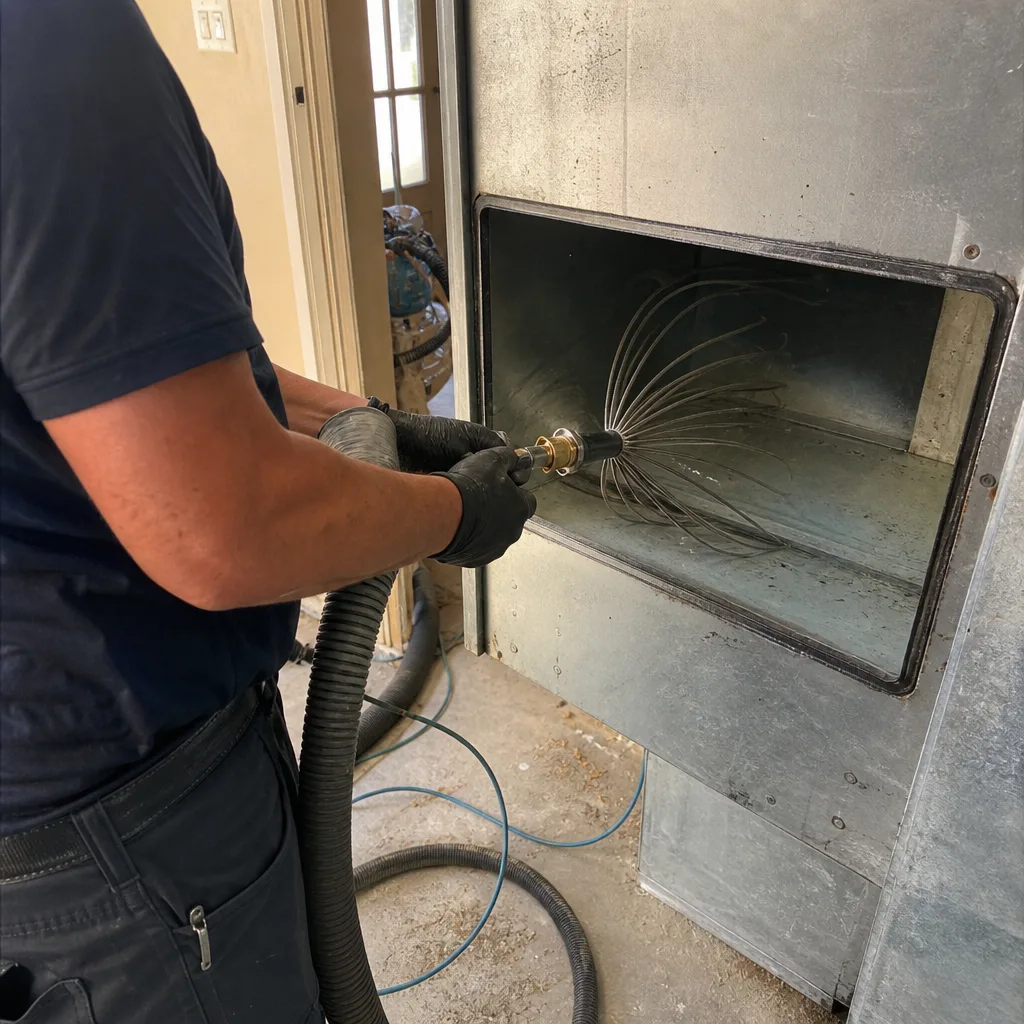
What a Phoenix homeowner can safely check: remove the grille face by releasing the spring clips or unscrewing the center screw, depending on Honeywell series, and inspect the visible boot throat with a flashlight. If you see loose dust, a vacuum with a soft brush attachment can clear the first few inches. Check that the damper blade moves freely by hand.
Where DIY goes wrong: the debris that matters is past the boot elbow, in the duct run itself, where homeowner tools cannot reach without disassembling the boot connection. Forced attempts with coat hangers or compressed air can damage the flex duct common in Phoenix homes, or worse, compact debris into a blockage. The Honeywell damper mechanism, particularly the polymer hinge in HVR-series units, cracks under aggressive handling. Here is what the camera found. Everything else follows from that. For full extraction and documentation, call (480) 500-6377.
FAQs
In Phoenix’s desert climate, a Honeywell residential register or grille typically lasts 12 to 18 years before the polymer components degrade from thermal cycling and UV exposure near windows. Grilles in rooms with south-facing exposure, where afternoon temperatures at the register face can exceed 140°F, tend toward the shorter end. Call (480) 500-6377 for an exact quote on inspection and cleaning.
Cleaning is the appropriate service for a structurally sound unit; replacement is needed only when vanes are cracked, damper hinges are broken, or the mounting frame has warped. We assess this during the initial borescope and quote replacement separately if needed, with its own written price. Call (480) 500-6377 for a free estimate.
A standard Honeywell register and grille cleaning for a Phoenix home with 8 to 12 registers takes 3 to 5 hours, including setup, negative-pressure extraction, mechanical agitation, and documentation. Larger homes or those with commercial-grade grilles may run longer; we quote the time estimate in writing alongside the price. Call (480) 500-6377 to schedule.
Our trucks carry cleaning equipment from Rotobrush, Nikro, Abatement Technologies, Honeywell, Aprilaire, and Guardsman, including replacement grilles and registers in common Phoenix sizes. If your specific Honeywell model requires ordering, we schedule a return visit at no additional trip charge, with the written price locked at the initial quote. Call (480) 500-6377 to confirm availability for your model.
Written by Tomas Reyes, Owner & Lead Technician, CleanRun Air Duct Cleaning Phoenix at CleanRun Air Duct Cleaning Phoenix, serving Phoenix and nearby areas.