
Whole-system duct and dryer vent check with before-and-after photos - you see exactly what came out of your vents
That "$99 whole-house special" is a bait ad - the real number appears once they are in your hallway, or the "clean" is a shop-vac at the register. We photograph the inside of your ducts before and after instead.
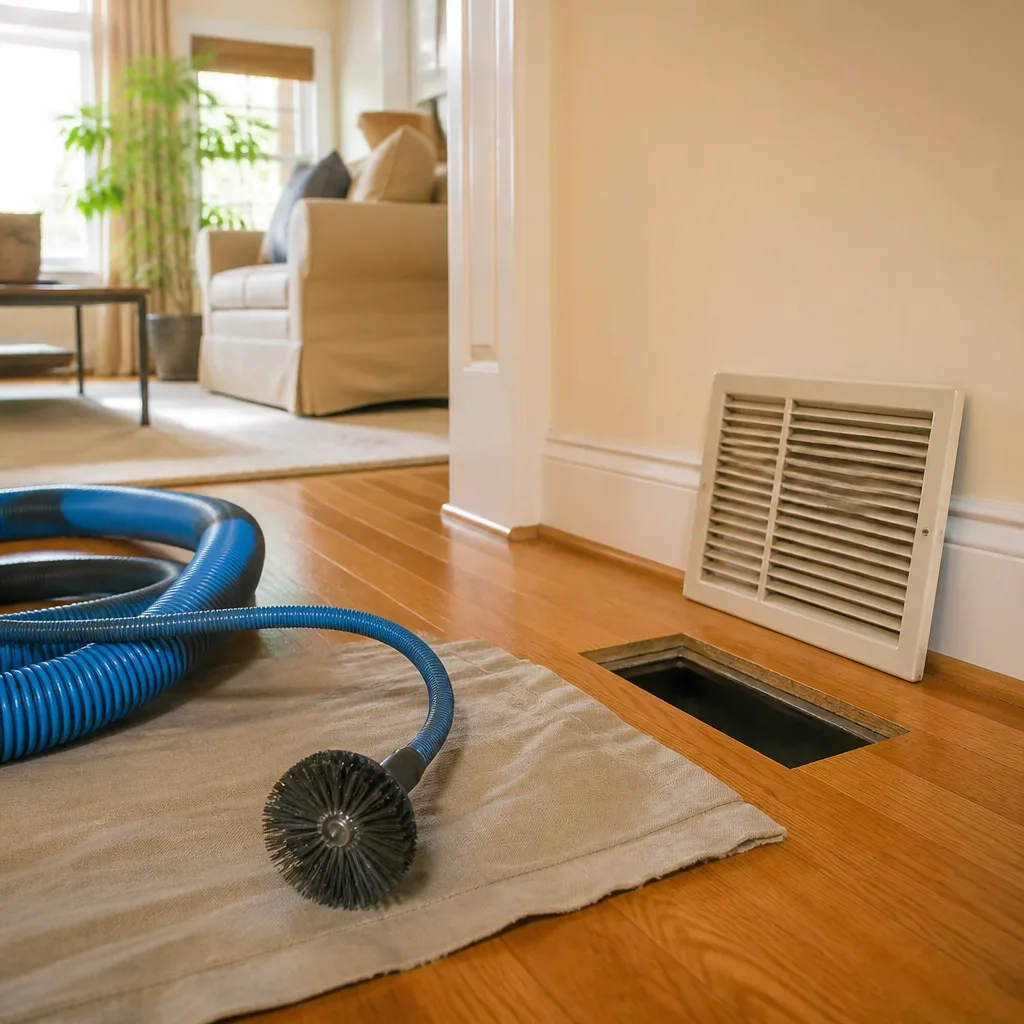
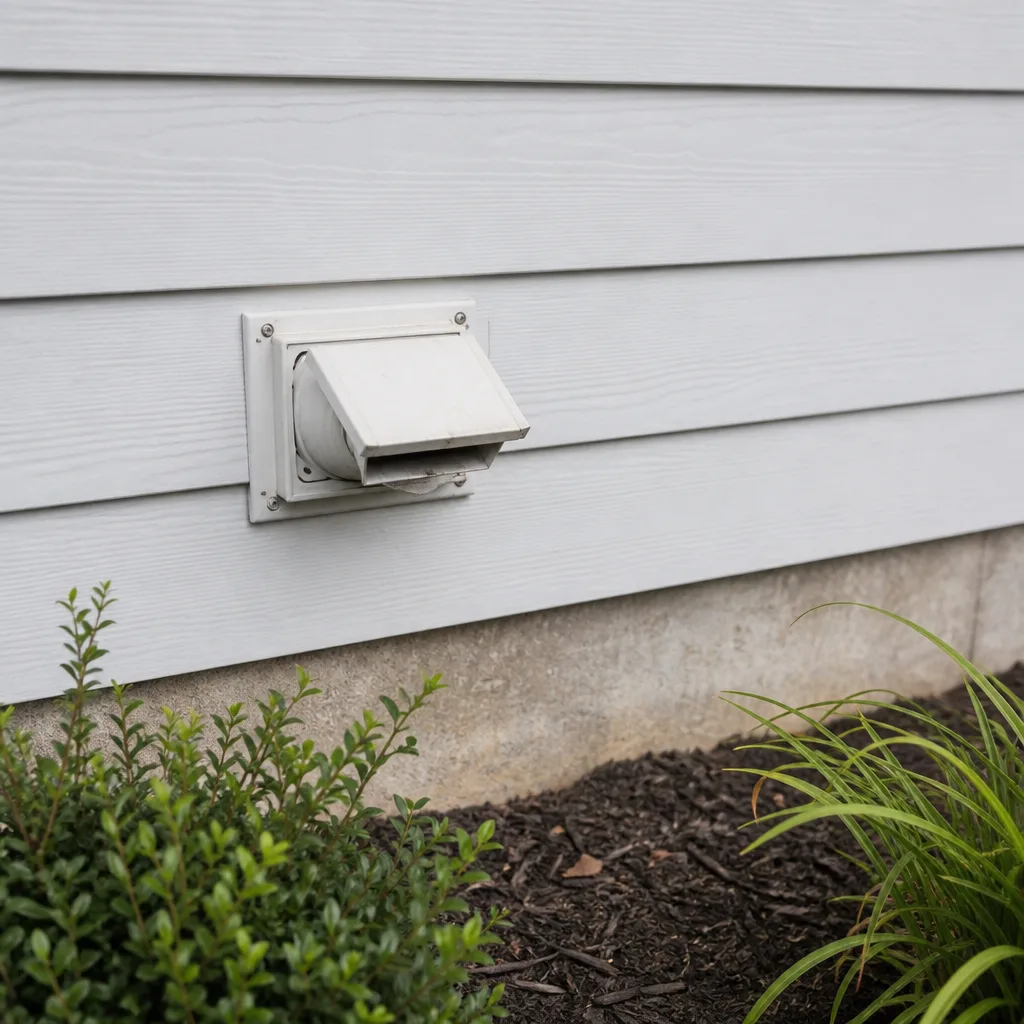
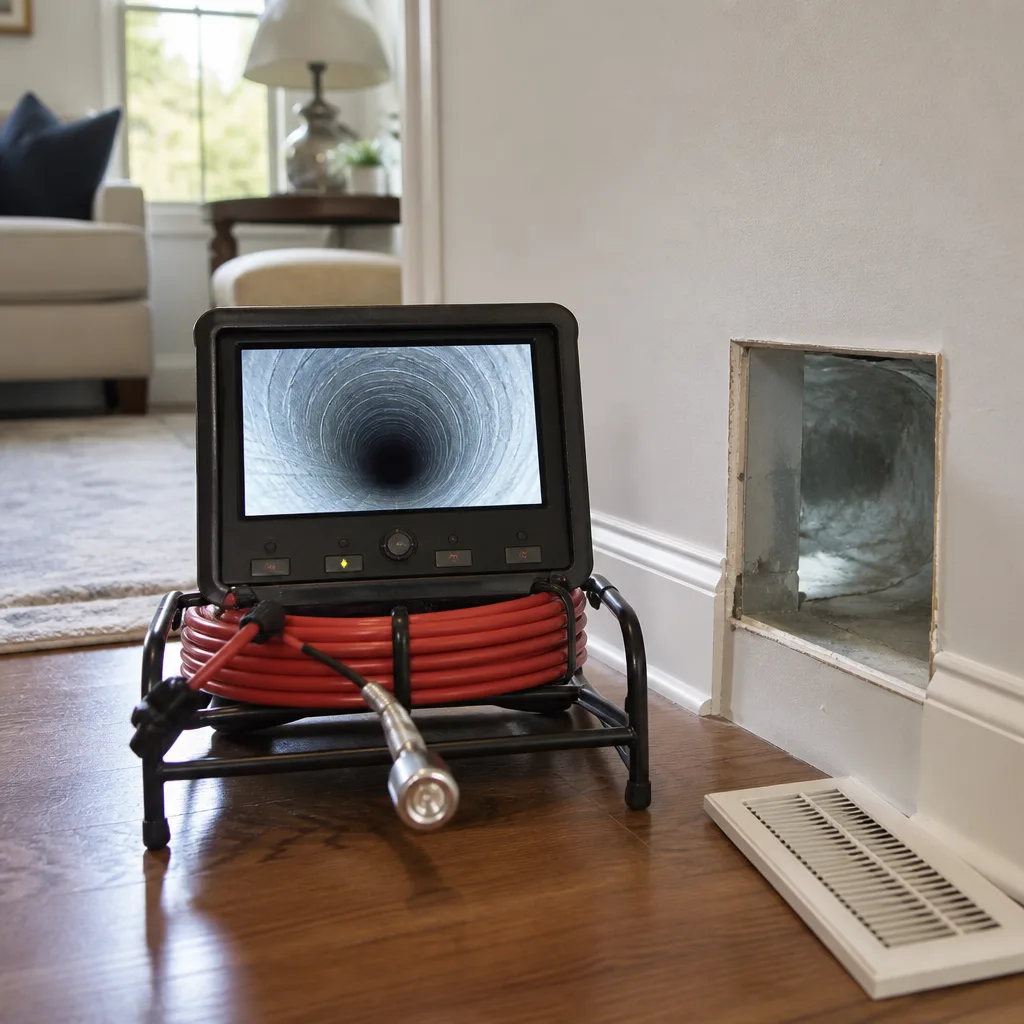
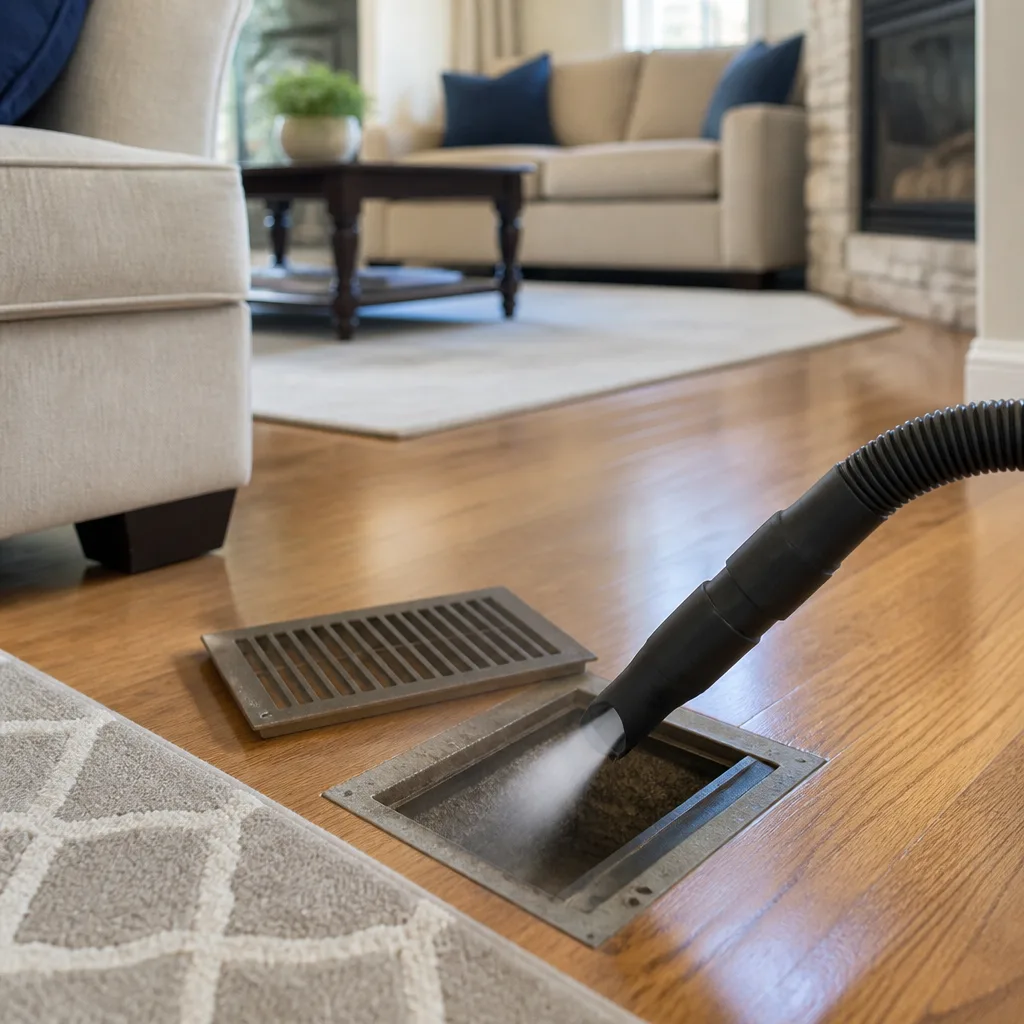
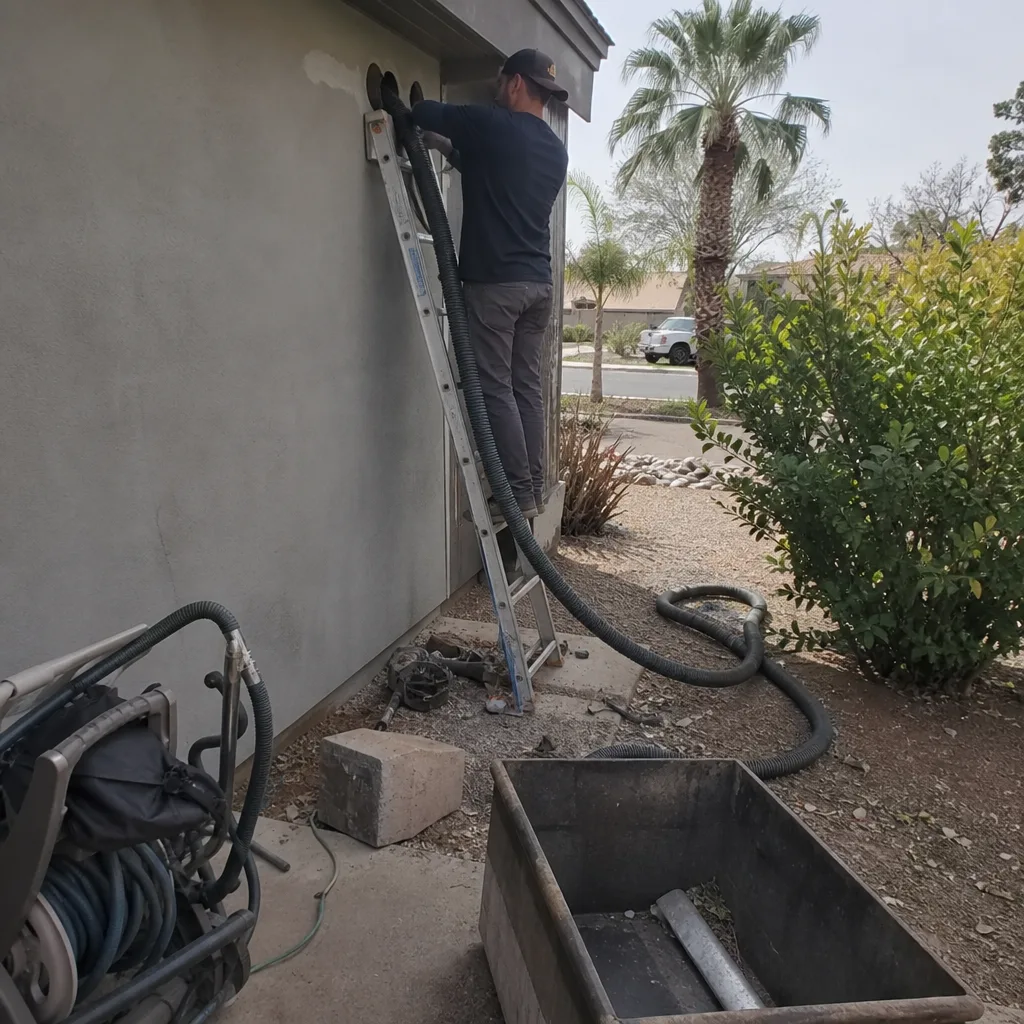 Before
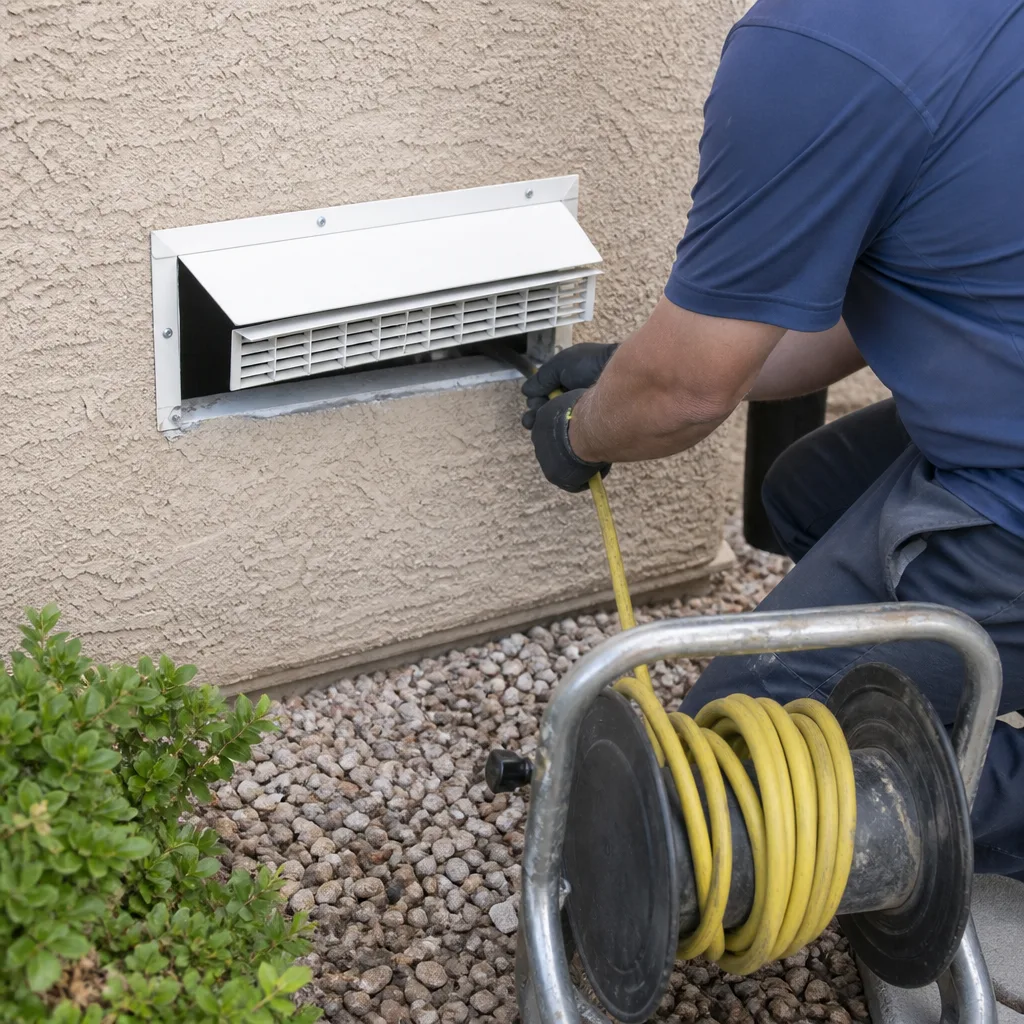 After
After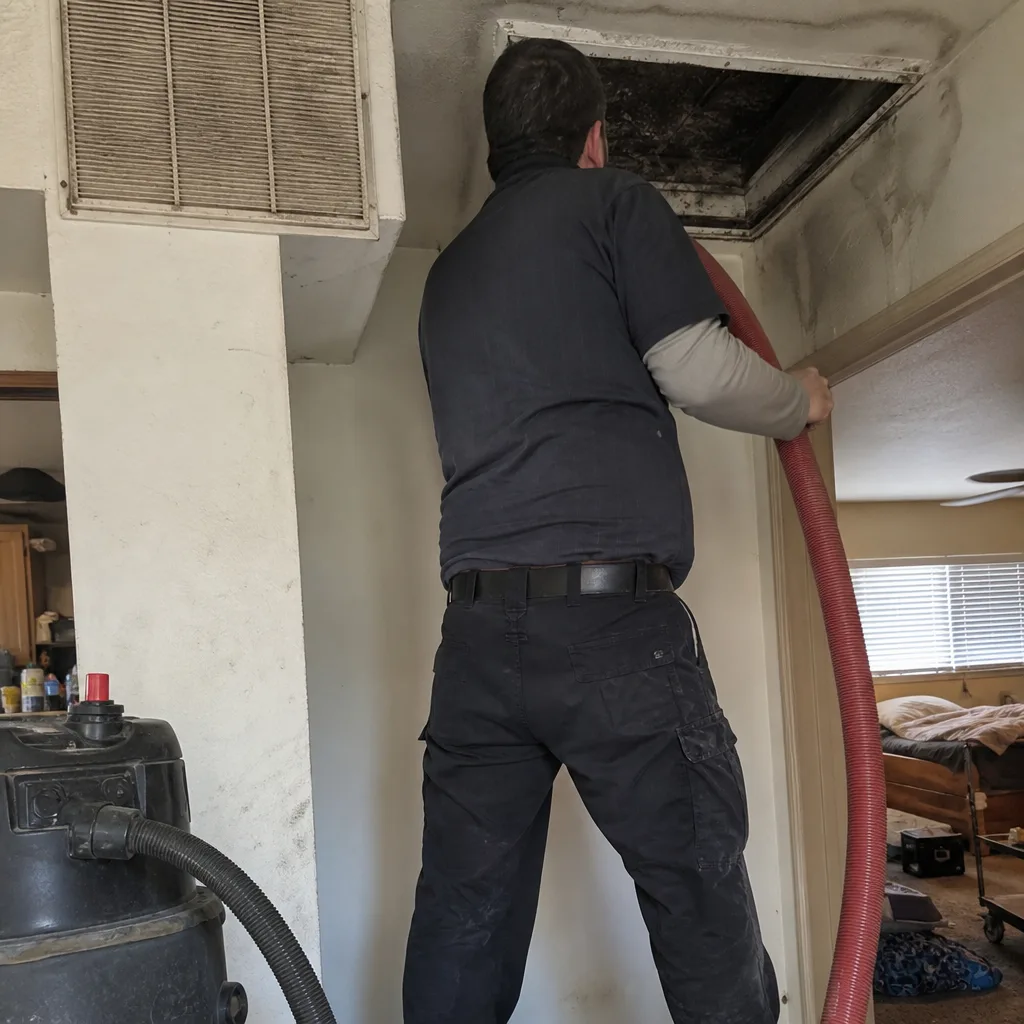 Before
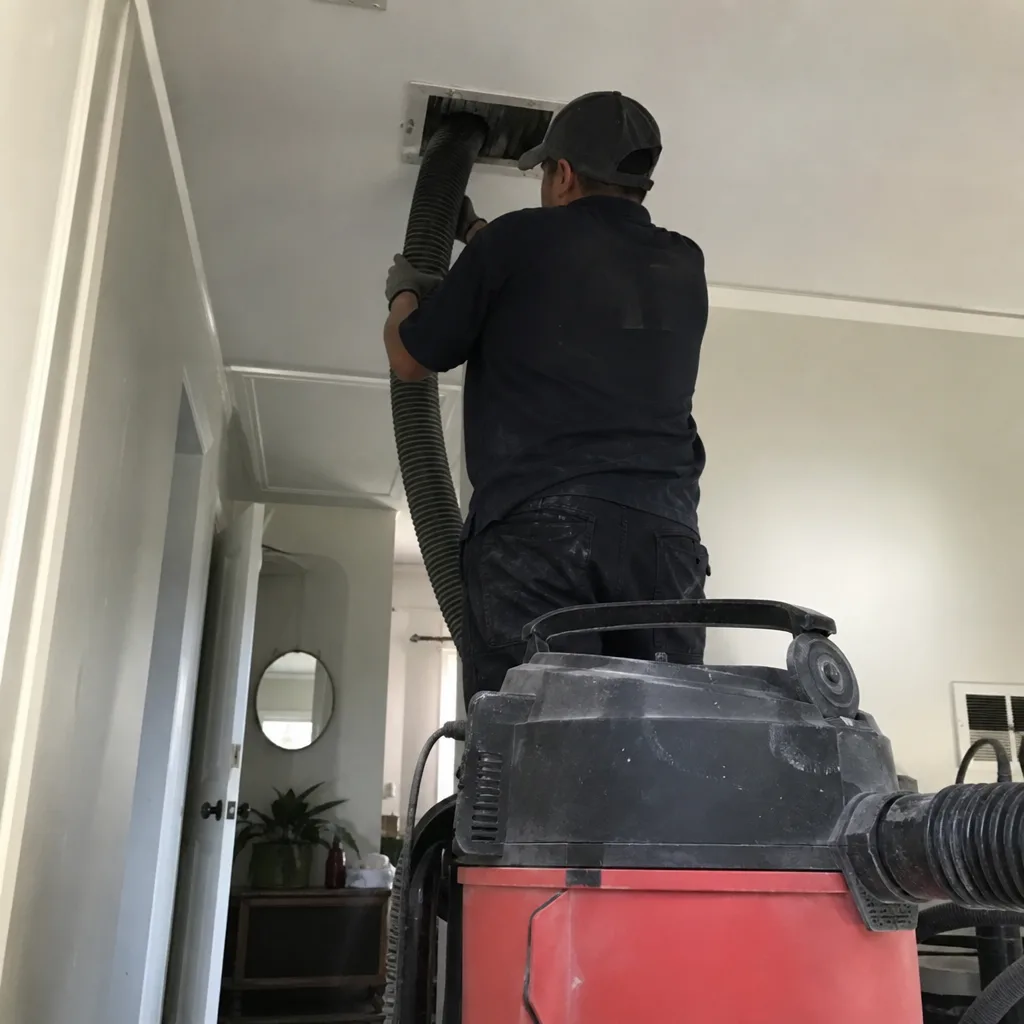 After
After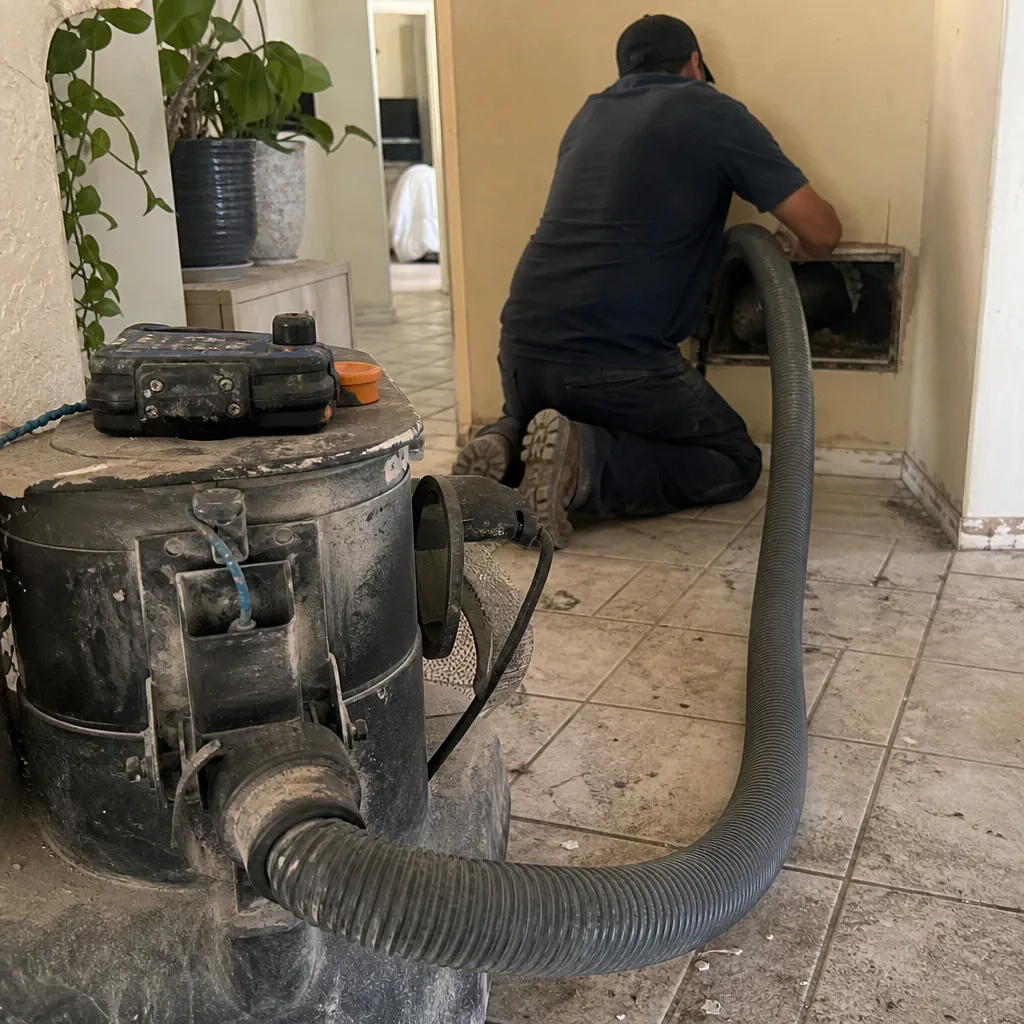 Before
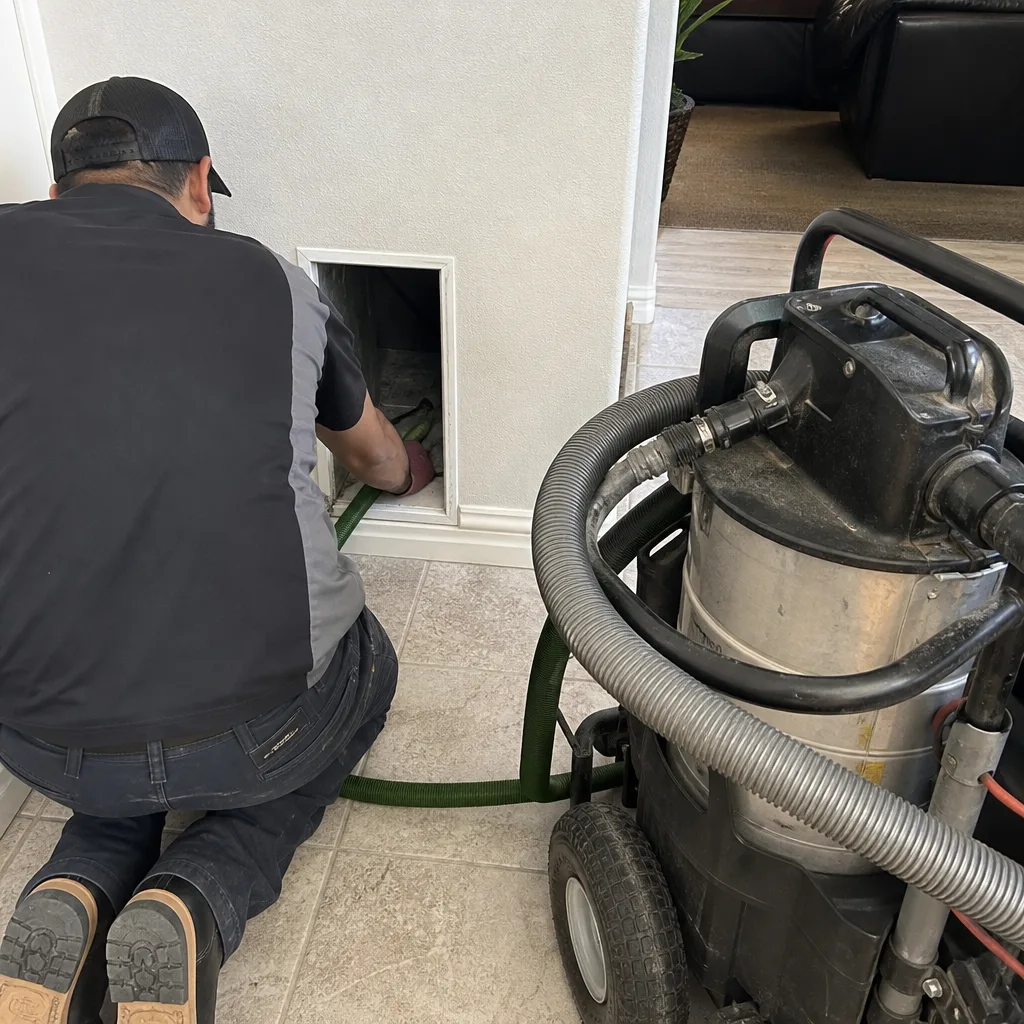 After
AfterHoneywell Duct Sealing & Repair: The Phoenix Owner’s Guide
Honeywell-compatible duct sealing and repair in Phoenix typically runs $340-$780 for a complete system, depending on how many duct runs need attention and whether we’re sealing accessible joints or replacing degraded flex sections. We stock Honeywell-compatible mastic, foil tape rated for 200°F plenum temperatures, and mechanical fasteners on every truck, and most residential jobs are completed in a single visit. Phoenix homeowners usually discover the problem when a room won’t hold temperature despite the AC running continuously, or when their summer power bill jumps 20-30% without explanation.
Which Honeywell Models This Applies To
Honeywell does not manufacture ductwork itself. What we service is the duct system connected to Honeywell air handlers, heat pumps, and zoning panels - most commonly the Honeywell T6 Pro, T10, and older Chronotherm-series thermostats paired with forced-air systems in Phoenix homes built 1995-2020. The critical compatibility point is plenum size: Honeywell air handlers in 3-ton and 4-ton configurations typically require 20×20 or 24×24 return plenum openings, and retrofit sealing must account for this dimension or airflow drops.
To identify what you need, check the air handler label inside the attic or closet unit - model numbers starting with MV, ME, or TZ indicate the series. The OEM approach is factory-spec mastic and foil tape; we also carry quality aftermarket equivalents from Hardcast and Ideal Tape that meet the same UL 181A-P and 181B-FX standards at lower material cost. One gotcha we see in Ahwatukee and Arcadia: homeowners with Honeywell zoning panels (HZ432, HZ311) often have smaller-diameter bypass ducts that fail first due to pressure cycling, and these require specialized collar seals not found at hardware stores.
Signs Your Honeywell Duct Sealing & Repair Is Failing
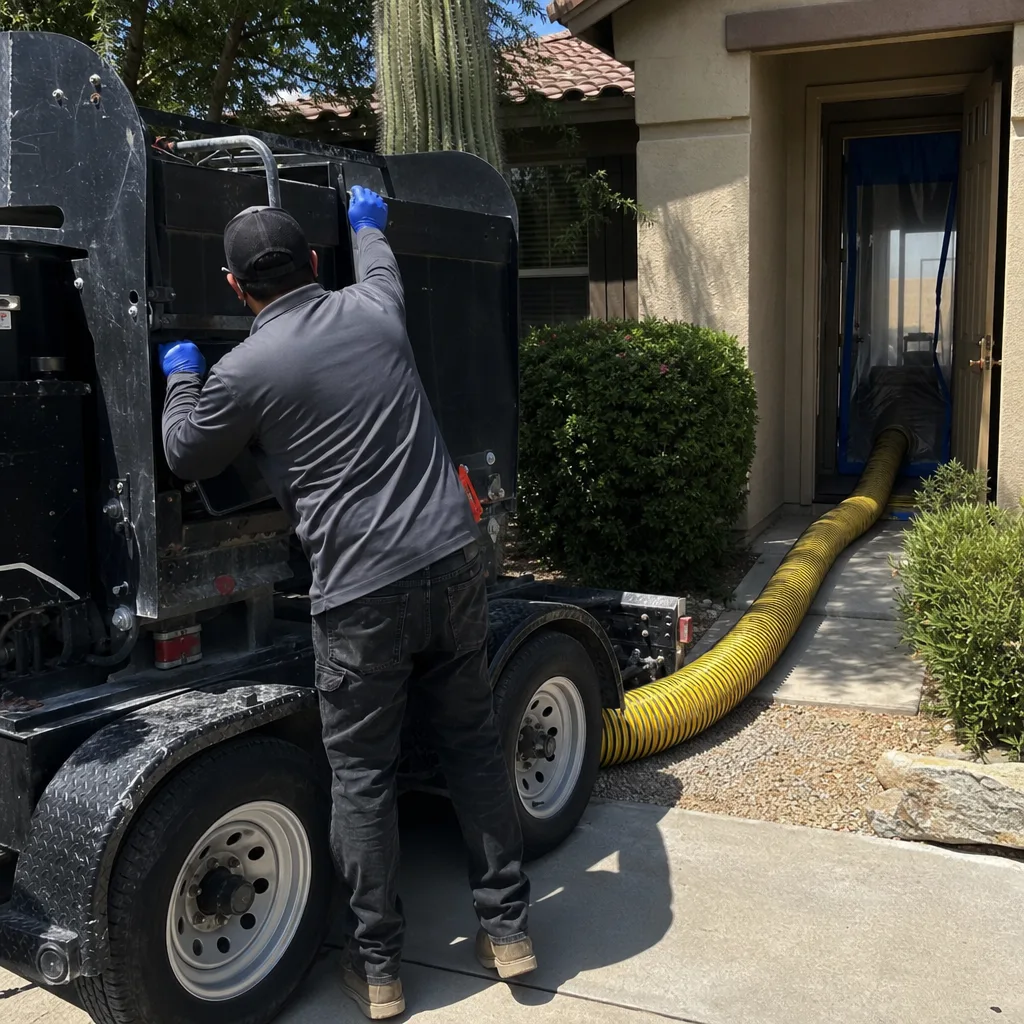
- Uneven temperatures room-to-room. When the bedroom reads 78°F and the living room holds 72°F with the same thermostat setting, the camera usually shows separated flex duct at a trunk connection or blown mastic at a plenum joint. Phoenix’s 150+ days above 100°F bake tape adhesive until it releases.
- Dust streaking from ceiling registers. Dark lines on the ceiling around supply vents mean the duct boot is no longer sealed to drywall; conditioned air escapes into the wall cavity while attic dust gets drawn in through the gap on return cycles.
- Whistling or rushing air sounds. Audible noise from walls or ceilings indicates a pressure leak large enough to hear - often a disconnected duct run behind insulation that the homeowner cannot see without crawling the attic.
- Spiking summer power bills. A duct system leaking 20% of conditioned air into the attic forces the compressor to run longer; we have documented $80-$140 monthly overages in Phoenix homes with degraded flex duct from 2005-2015 construction.
- Musty odors when the system cycles. Leaky return ducts in hot attics pull in attic air, including rodent activity, old insulation particles, and moisture that supports microbial growth on the evaporator coil.
BeforeAfterReplacement Cost & What’s Included
| Scope | Price Range |
|---|---|
| Single duct run seal (accessible) | $340-$480 |
| Partial system: 3-5 runs + plenum touch-up | $520-$680 |
| Full system seal + degraded flex replacement | $680-$780 |
The range depends on attic accessibility, whether we can reach connections without removing insulation, and if any flex duct has hardened or torn beyond sealing. Every quote is written before work starts under Haven Standard Clause 1. The price includes negative-pressure verification after sealing, a documented photo record of every connection point, and the 365-Day Done Right Promise in writing. We use Honeywell-compatible materials plus professional-grade Rotobrush and Nikro equipment - brands you can verify independently.
DIY or Call Us?
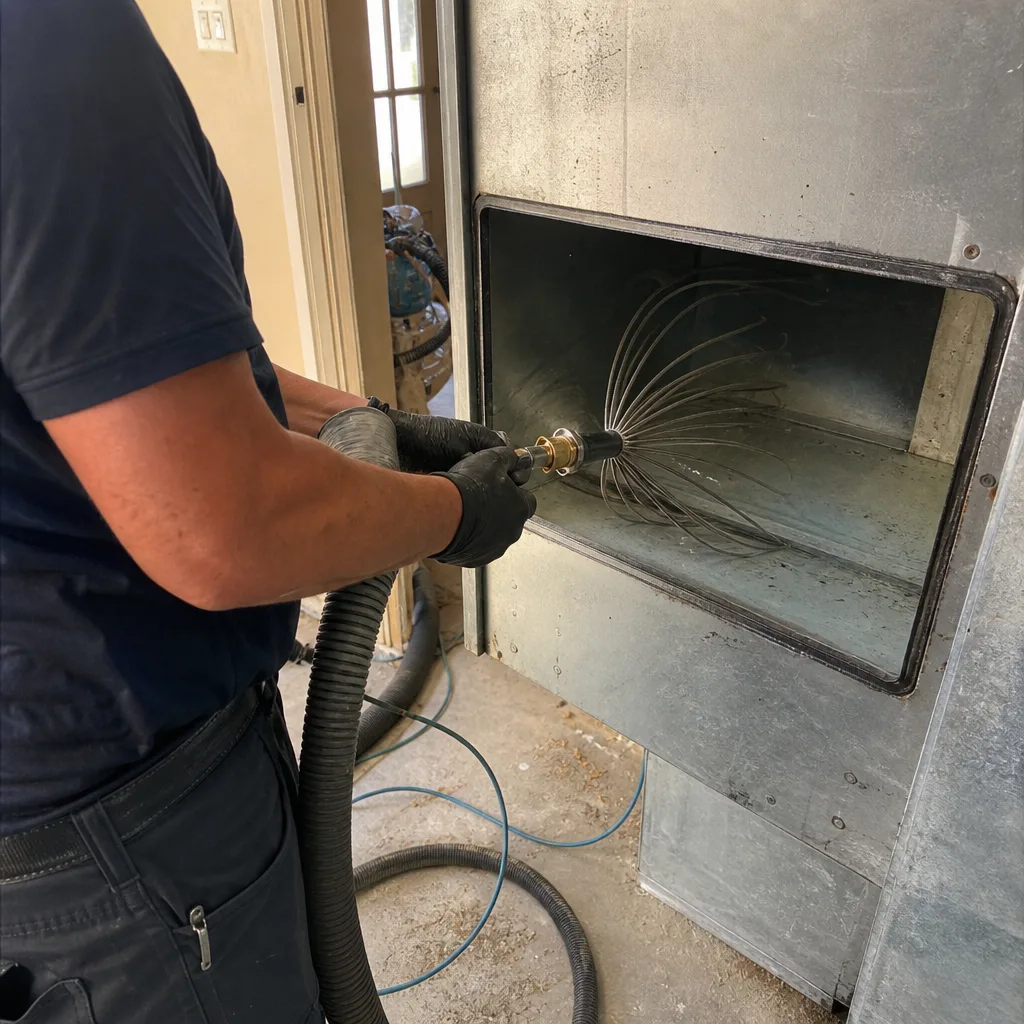
What you can safely check: verify that register grilles are tight to the ceiling, confirm your filter is seated properly, and look for obvious disconnected flex duct at attic entry points if you are comfortable in that space. What goes wrong with DIY duct sealing: mastic applied over dust or oil fails within one Phoenix summer; foil tape used on dirty metal peels; and homeowners often seal the wrong side of a pressure leak, making the system work harder. The real risk is not injury - it is spending Saturday in a 140°F attic to create a temporary fix that costs more to correct. Here is what the camera found. Everything else follows from that. Call (480) 500-6377 and we will show you exactly what is leaking before quoting a written price.
FAQs
Properly applied mastic and foil tape lasts 10-15 years in Phoenix attics, though flex duct itself degrades faster - typically 12-18 years before the inner liner cracks. The 150°F+ peak attic temperatures in July accelerate adhesive aging compared to milder climates. Call (480) 500-6377 for an inspection that shows your current condition.
Yes, if the flex duct inner liner is intact and only connections have failed. We seal with mastic and mechanical fasteners, then verify with negative-pressure testing. If the duct is torn, crushed, or the insulation is water-damaged, replacement is the only durable fix. We photograph the difference and show you before quoting.
Most residential jobs run 3-5 hours for partial sealing, 6-8 hours for full system work with flex replacement. We seal one section at a time under negative pressure, test, then move to the next - Tomas Reyes’s methodical approach, not a whole-system blast that redistributes debris.
We stock mastic, foil tape, mechanical fasteners, and flex duct in common diameters on every truck. For Honeywell-specific components like zoning panel dampers or control boards, we source OEM or verified equivalents same-day from Phoenix-area suppliers. We also carry Lennox, Trane, and Carrier parts for mixed-system homes.
CleanRun Air Duct Cleaning Phoenix is an independent service provider, not affiliated with Honeywell. All technicians are background-checked and uniformed under Haven Standard Clause 3: Verified Crews. License number published on every proposal.
Written by Tomas Reyes, Owner & Lead Technician, CleanRun Air Duct Cleaning Phoenix at CleanRun Air Duct Cleaning Phoenix, serving Phoenix and nearby areas.