
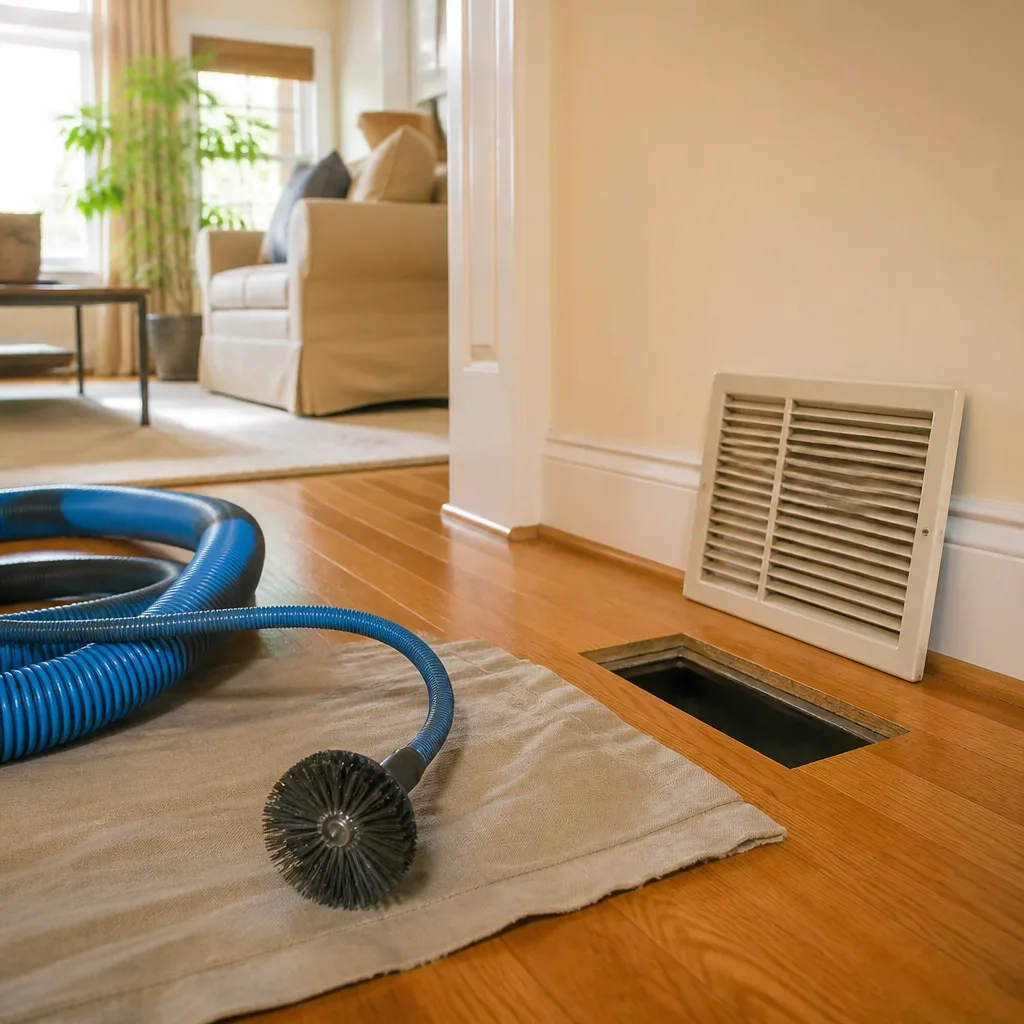
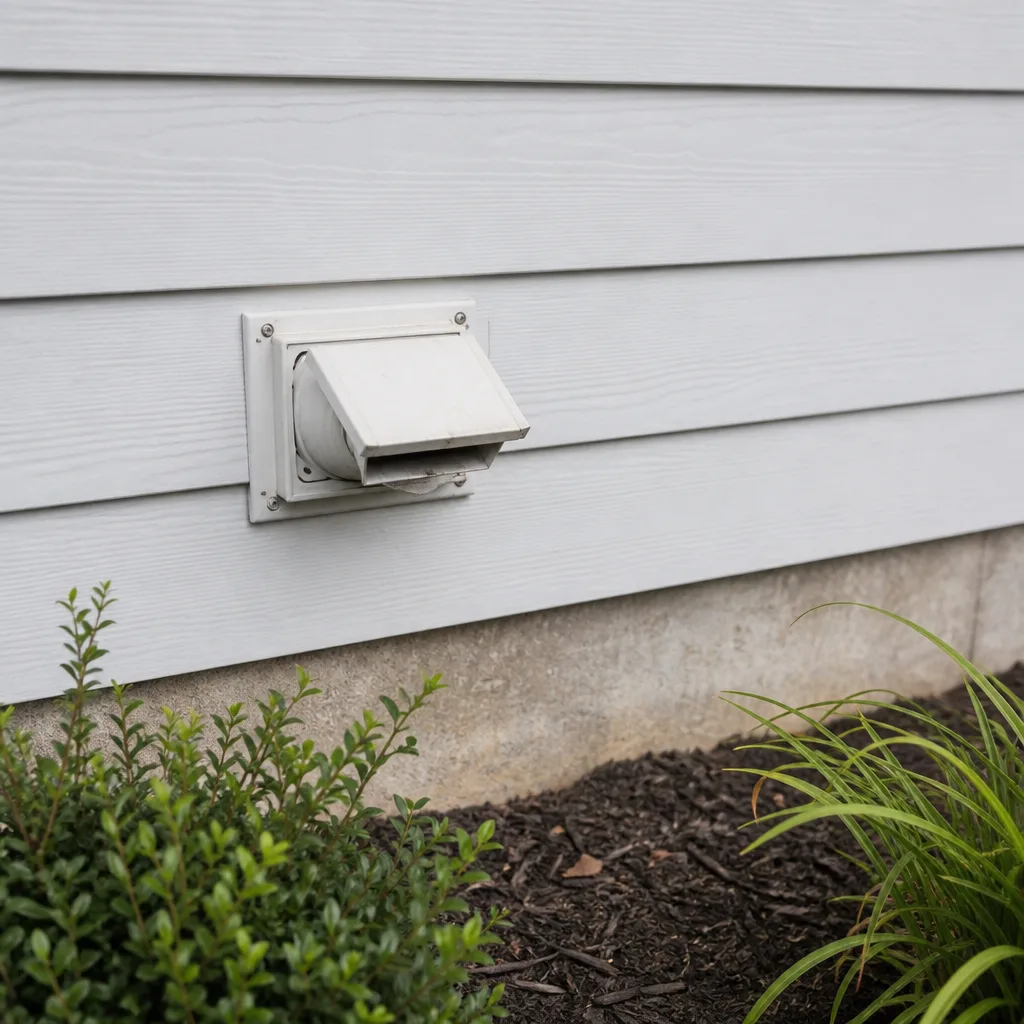
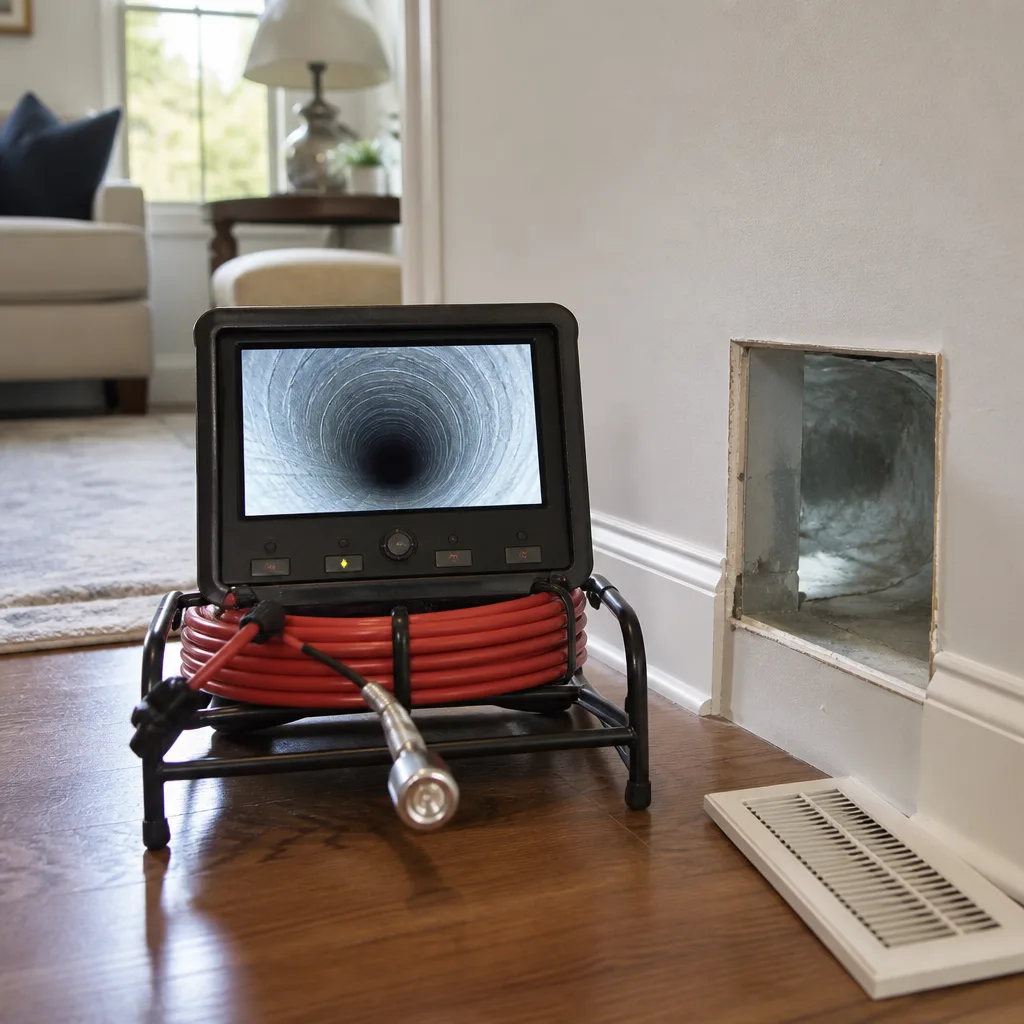
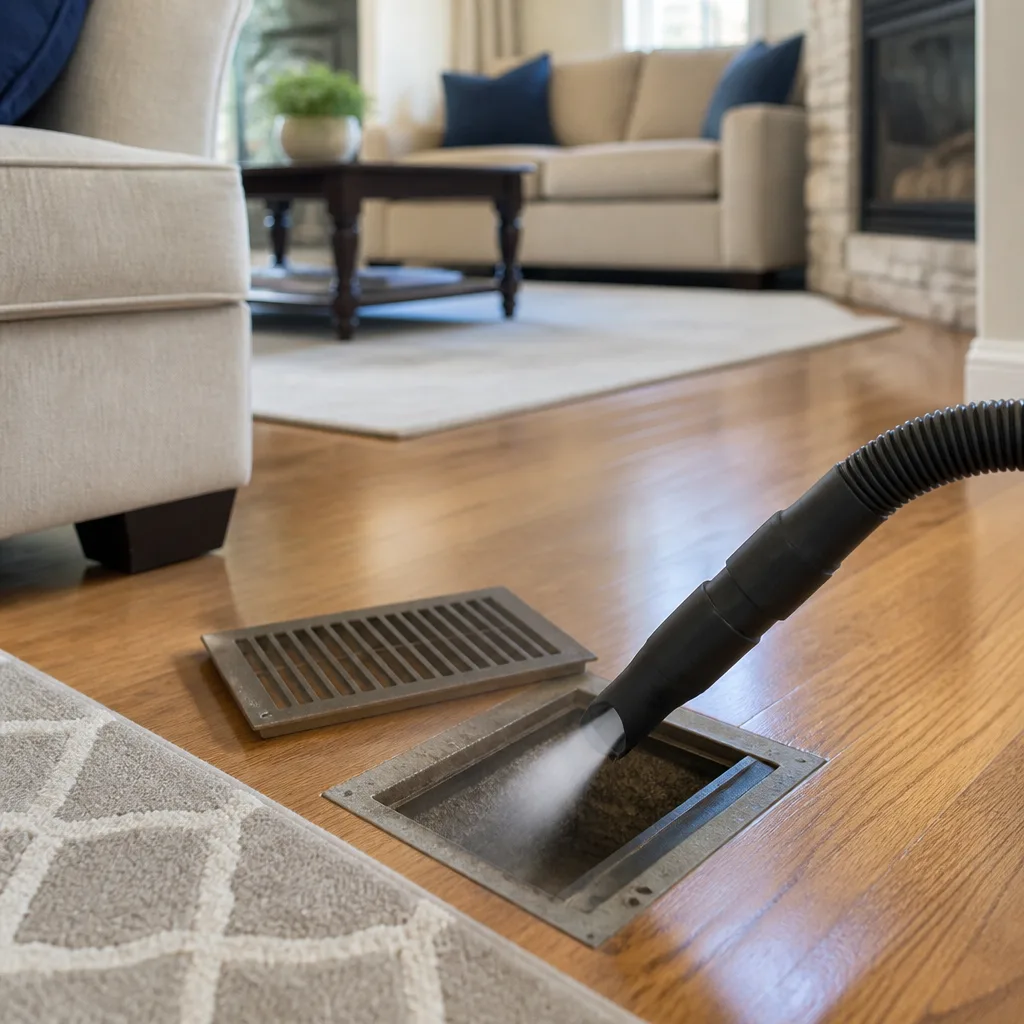
Whole-system duct and dryer vent check with before-and-after photos - you see exactly what came out of your vents
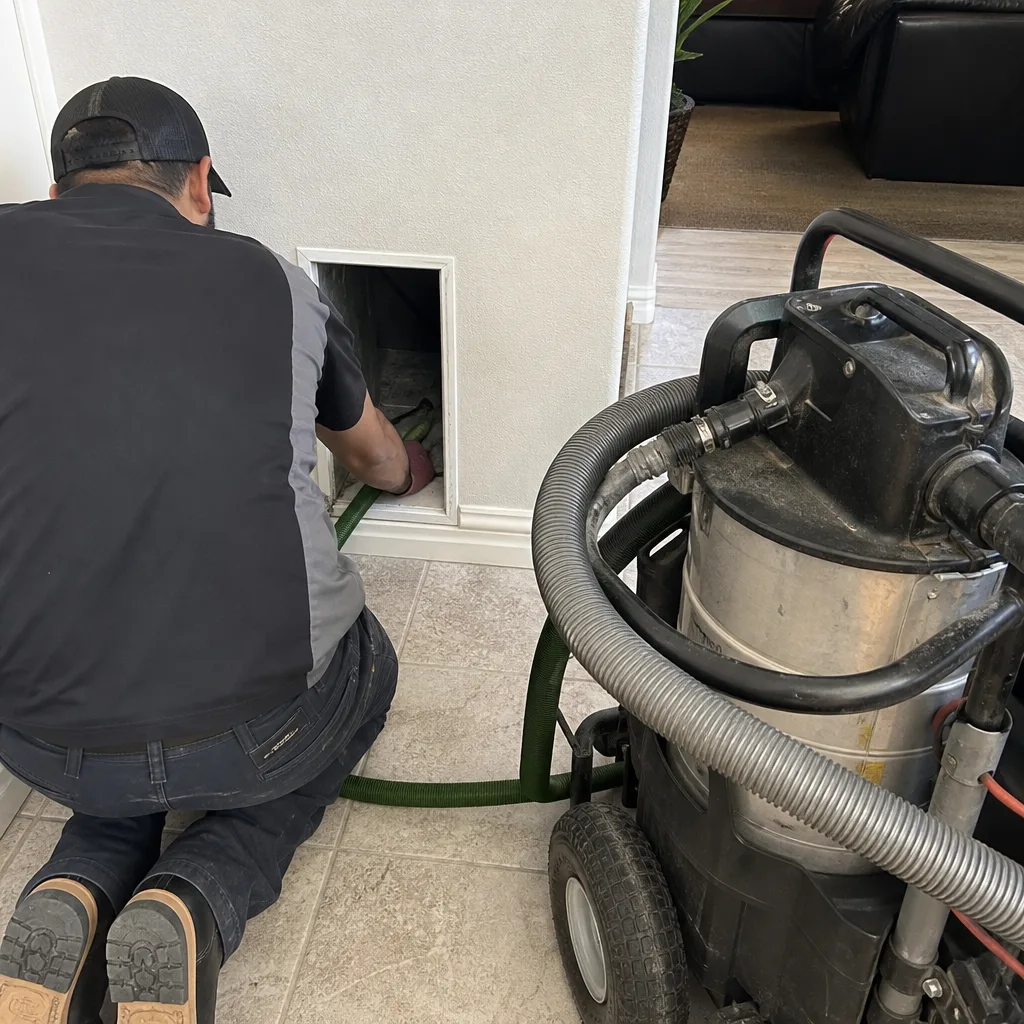
That "$99 whole-house special" is a bait ad - the real number appears once they are in your hallway, or the "clean" is a shop-vac at the register. We photograph the inside of your ducts before and after instead.
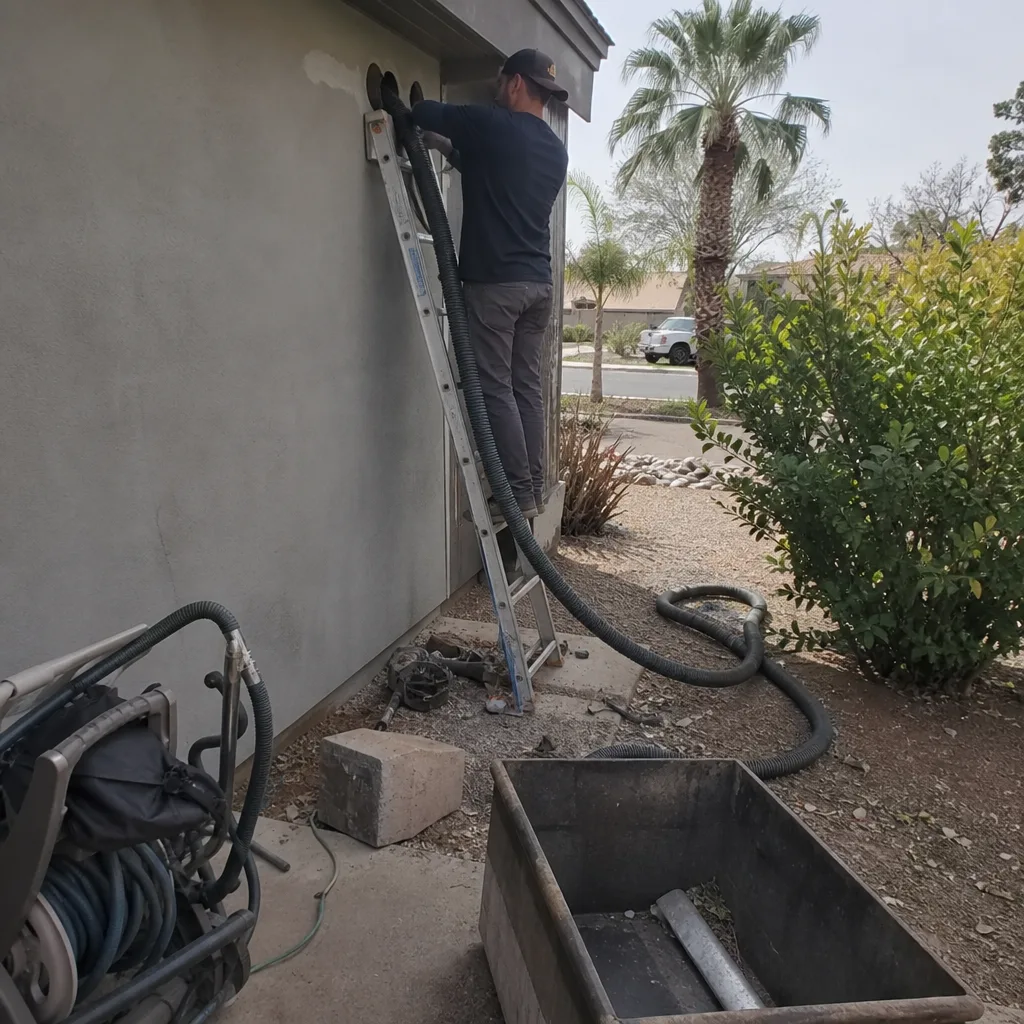 Before
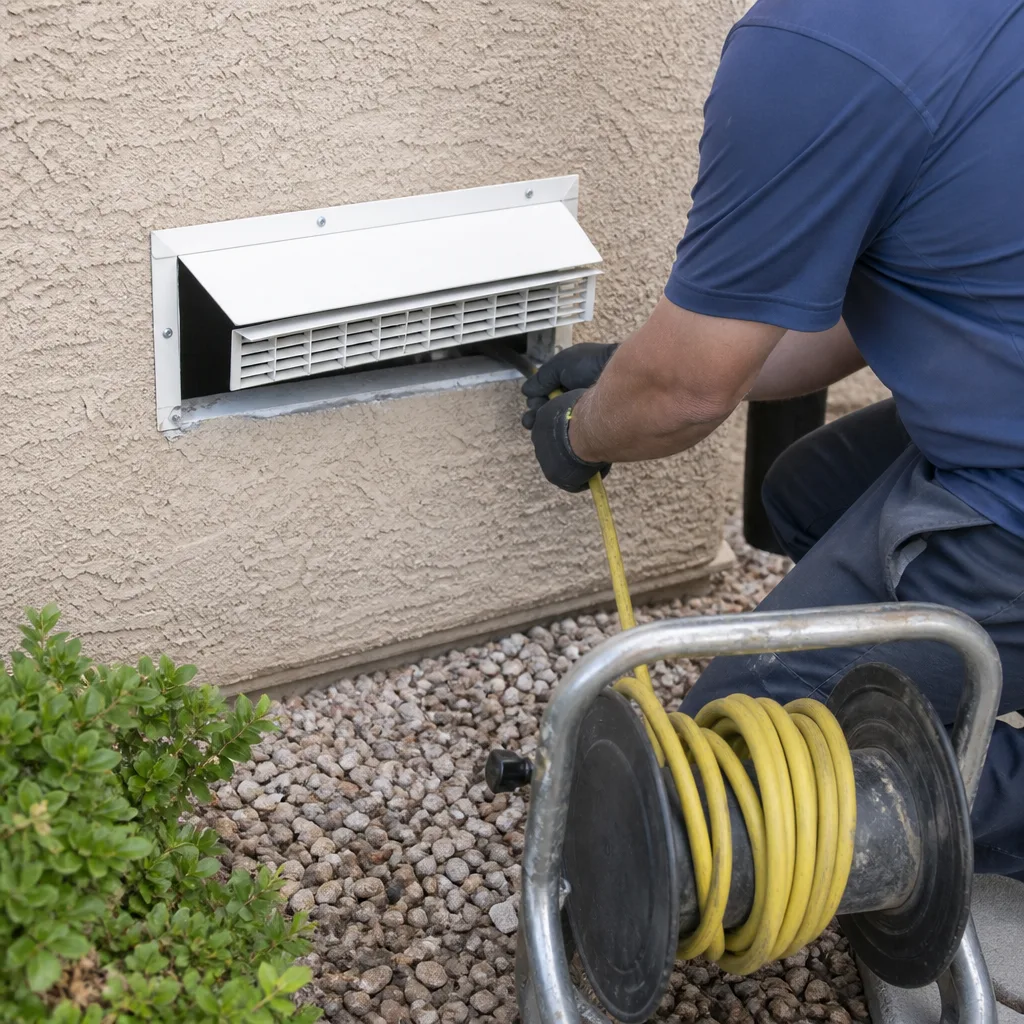 After
After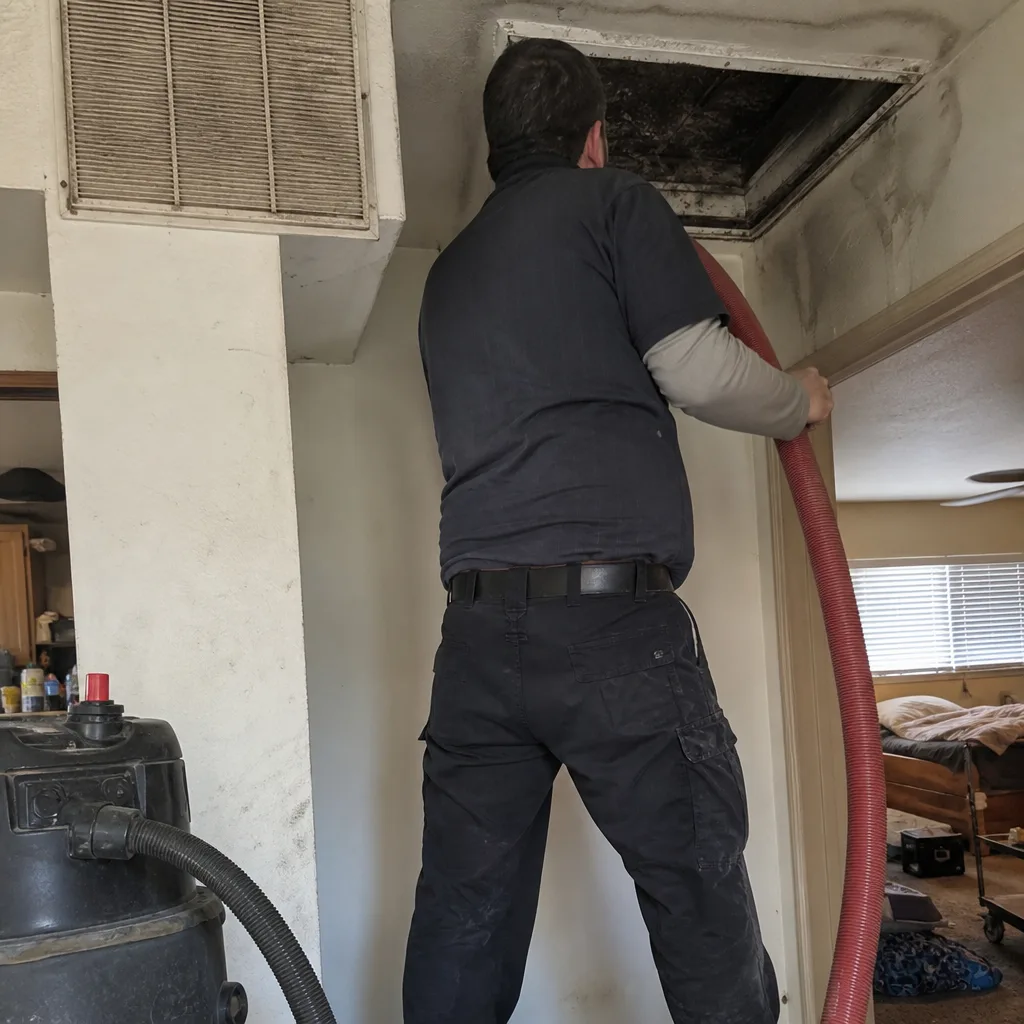 Before
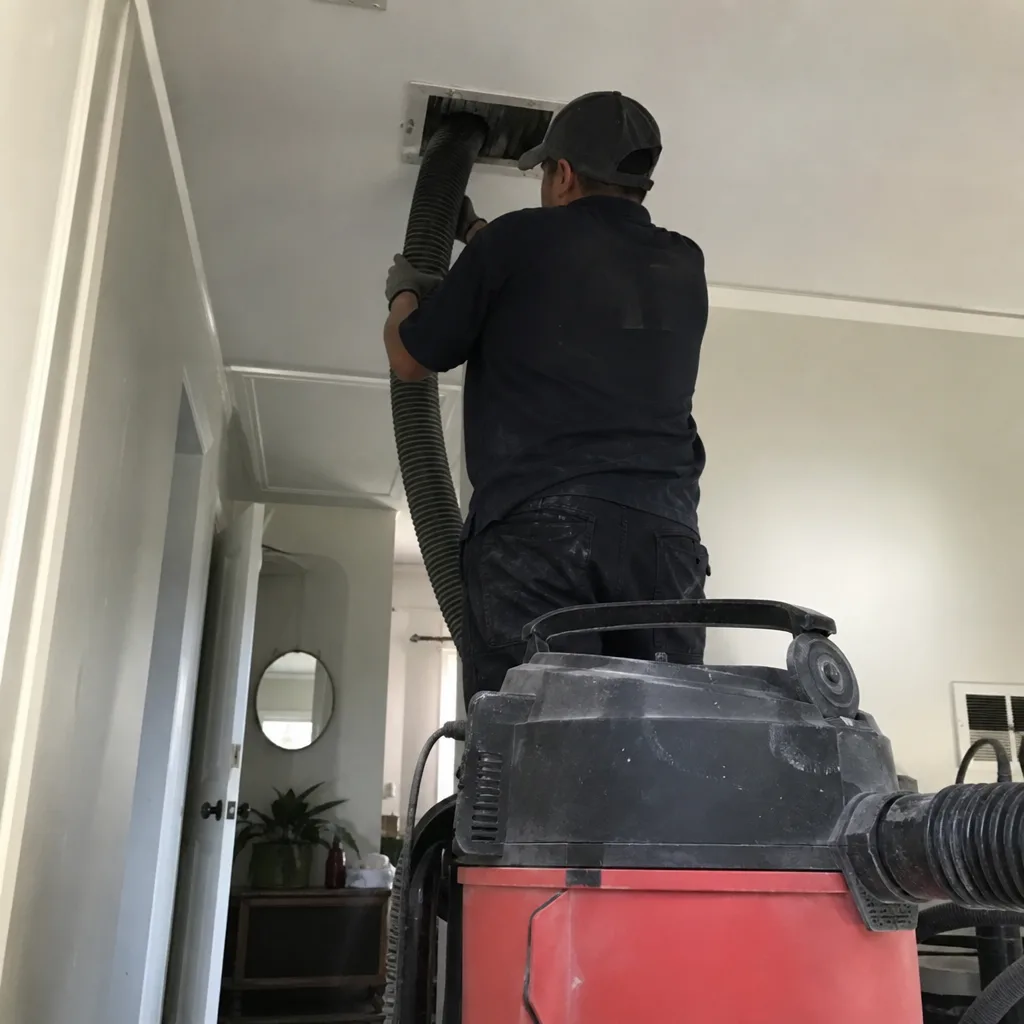 After
After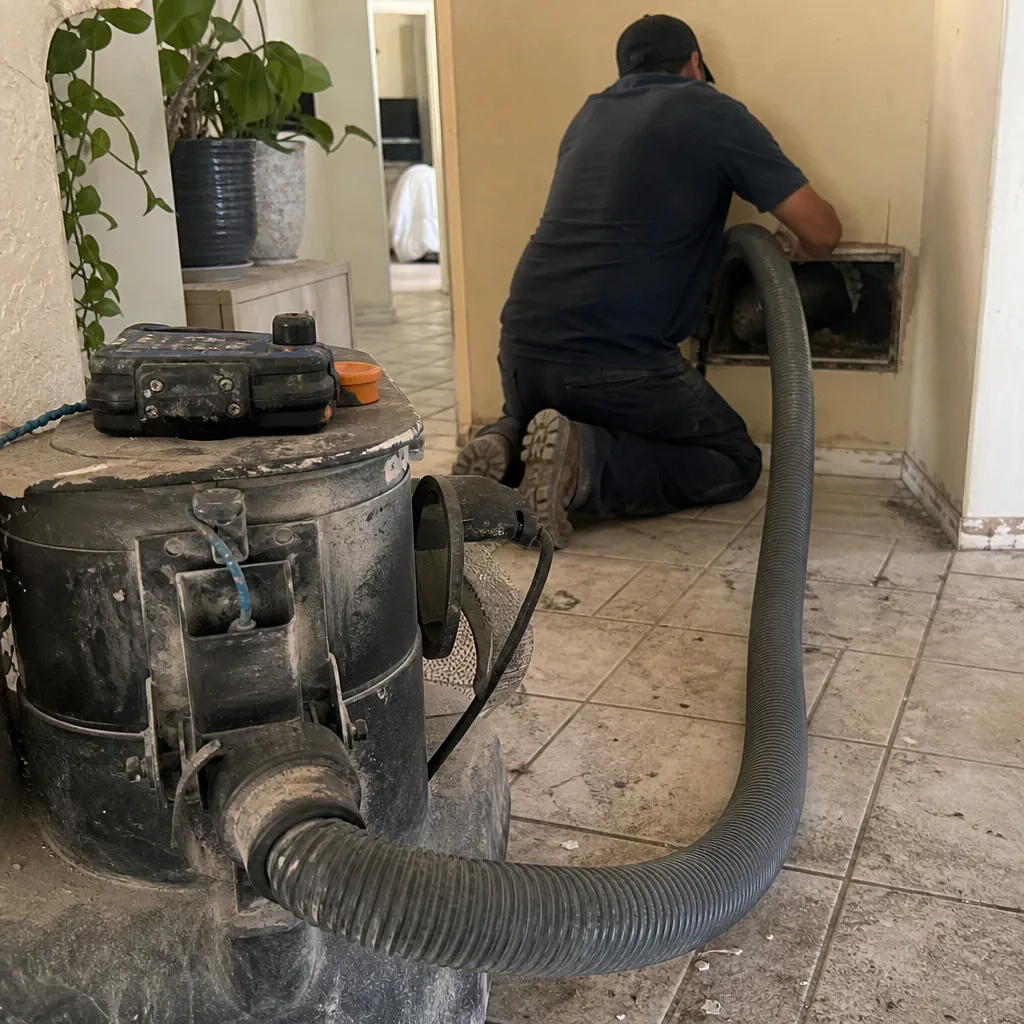 Before
 After
AfterHoneywell Air Quality & Sanitizing in Phoenix: What to Know First
CleanRun provides independent Honeywell air quality and sanitizing service across Phoenix, with most residential jobs completed in a single scheduled visit and written pricing delivered before any work begins. A typical Honeywell UV light installation or whole-home purifier sanitizing runs $340-$780 depending on system configuration, with mold and bacteria treatments for existing Honeywell media systems ranging $280-$560. This page is for Phoenix homeowners running Honeywell F100, F200, or F300 electronic air cleaners, whole-house humidifiers tied to Honeywell thermostats, or UV lamp systems that have stopped producing measurable output. Call (480) 500-6377 for a written estimate with no obligation.
How Honeywell Products Fail - and How We Fix Them
- F100 Media Air Cleaner - collapsed filter frames in summer heat. The F100’s pleated media housing is ABS plastic that softens in Phoenix attic installations where ambient temperatures exceed 140°F in July. We see the retaining clips warp and allow bypass air, which means unfiltered return air enters the plenum (the main distribution box) downstream of the filter. Our fix: we document the bypass with a camera, replace the frame with an OEM-grade housing or a Guardsman-reinforced equivalent rated for sustained high-heat exposure, and seal the gasket with mastic rather than the factory foam strip that degrades in dry desert conditions.
- F300 Electronic Air Cleaner - ionizing wire corrosion from alkaline dust. Phoenix’s caliche-rich soil produces fine alkaline particulate that accumulates on the F300’s tungsten wires. After 18-24 months, the wires pit and arc rather than ionize, producing ozone smell without actual particle capture. We clean the cell assemblies with a Nikro-specific electronic cell solution, replace pitted wires with Honeywell-spec .006″ tungsten, and test microamp draw at the power supply to confirm restoration of rated ionization voltage.
- F200 MERV 13 Media Cleaner - pressure drop causing blower strain. The F200’s dense media loads faster in Phoenix than in humid climates because dust here is dry and electrostatically charged, packing tighter into the pleats. Homeowners notice reduced airflow at registers (the room-level supply vents) before they notice dirty air. We measure static pressure across the media with a digital manometer, and if the F200 is choking a standard PSC blower, we spec a compatible Aprilaire 2200 frame with lower initial resistance as a retrofit, or upgrade to a variable-speed blower motor if the furnace supports it.
- UV1000/UV2000 Ultraviolet Systems - lamp output decay misdiagnosed as “still lit.” Honeywell UV lamps glow faintly for years after their 254nm germicidal output drops below effective levels. The blue visible light means nothing; we measure UV-C output with a calibrated radiometer. In Paradise Valley and Arcadia, we regularly find 5-year-old UV1000 lamps glowing dimly but producing zero measurable sanitizing dose. We replace with Honeywell OEM 36W T5 lamps or Abatement Technologies equivalents, and we clean the quartz sleeve with alcohol - hard water scale from Phoenix’s municipal supply blocks transmission even with a good lamp behind it.
- HE200/HE300 Steam Humidifier - scale buildup and drain line failure. Phoenix’s water hardness runs 12-20 grains per gallon, and the electrode-style HE200/HE300 generates mineral sludge that cakes the canister and blocks the drain. The float switch sticks, the unit overflows, and homeowners smell musty air from the wet plenum. We descale with food-grade citric acid flush, replace the canister if electrodes are eroded more than 1/8″, and reroute drain lines with P-trap protection against sewer gas - a code requirement in Maricopa County that original installers often skip.
Our Honeywell Air Quality & Sanitizing Process
- 1
System identification and written scope. We record the Honeywell model, serial, and installation date from the data plate, then photograph the current component condition before touching anything. The written price for the full scope is delivered and signed before work starts - Haven Standard Clause 1.
- 2
Diagnostic measurement, not visual guesswork. For electronic air cleaners: microamp draw and ionization voltage. For UV: radiometer reading at lamp surface and at duct wall. For media filters: static pressure differential across the housing. For humidifiers: conductivity and drain flow rate. Here is what the camera found. Everything else follows from that.
- 3
Parts decision with the homeowner present. OEM Honeywell parts carry full warranty compatibility but premium pricing. We stock quality aftermarket equivalents from Aprilaire and Guardsman where the specification matches, and we explain the trade-off in writing: OEM for warranty-sensitive newer systems, aftermarket for out-of-warranty units where the specification is identical.
- 4
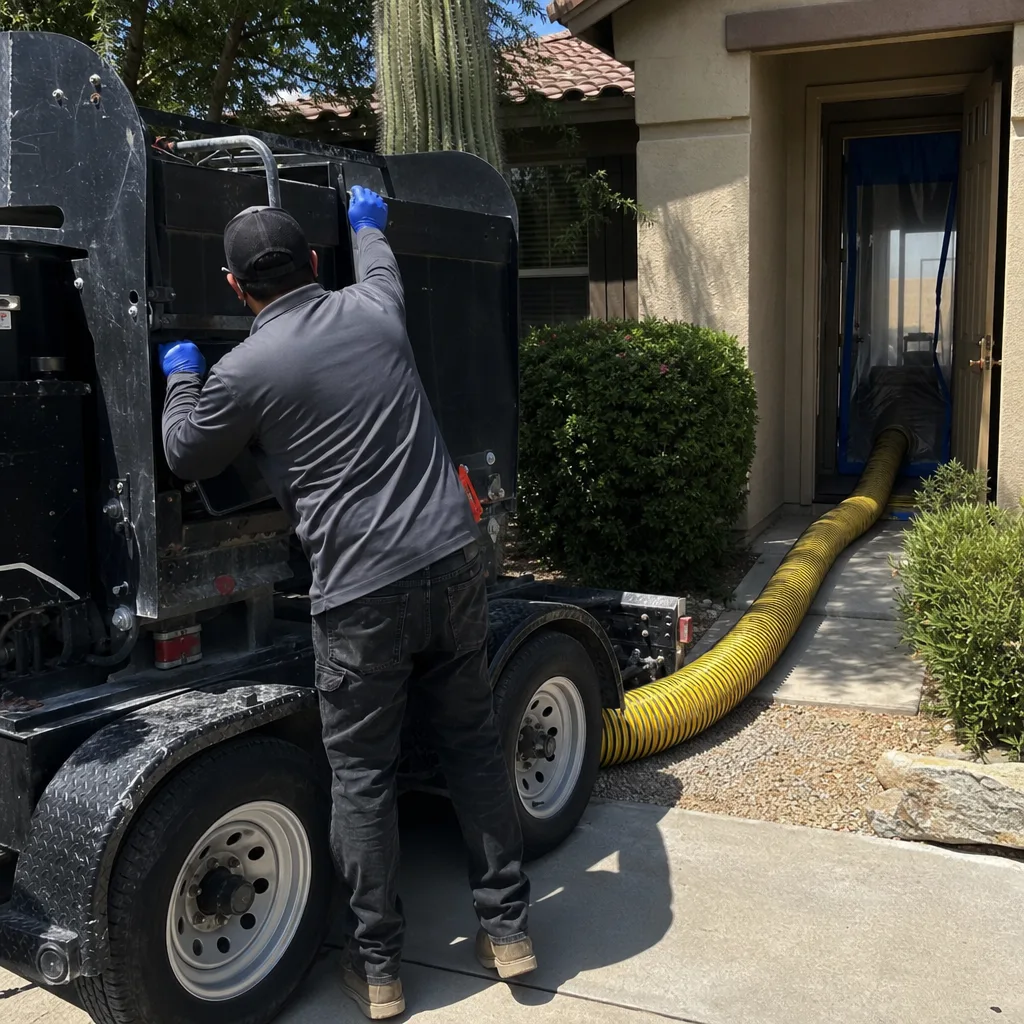
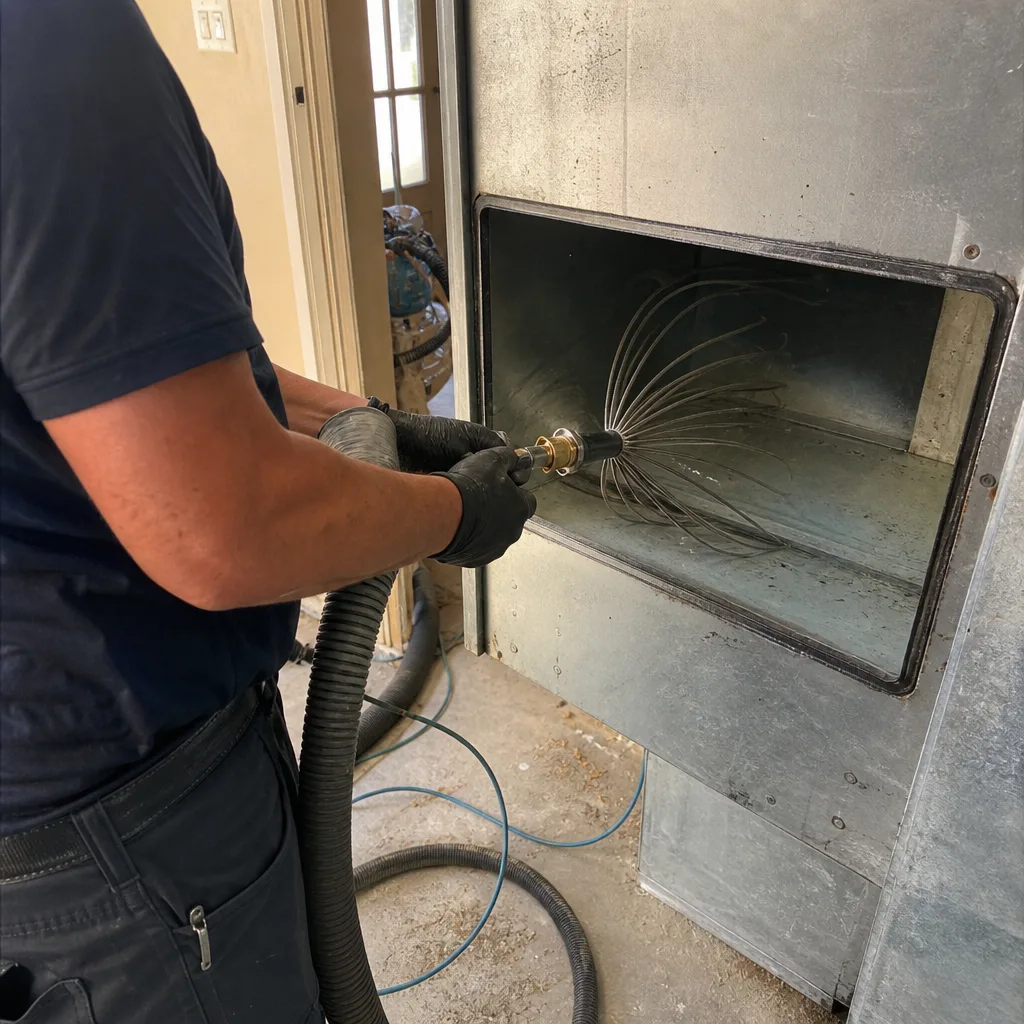
Execution with section isolation. For sanitizing work, we seal and negatively pressurize one duct run at a time using Rotobrush HEPA-contained equipment, rather than whole-system blasting that redistributes biological material. This is the method Tomas Reyes developed in commercial tri-state work and adapted for Phoenix residential systems.
- 5
Post-work verification and documentation. We retest the same parameters measured in step two, photograph every cleaned or replaced component, and deliver the photo record with the invoice. The 365-Day Done Right Promise is printed on the job record, not just the website.
BeforeAfterWhat Honeywell Air Quality & Sanitizing Costs in Phoenix
| Service | Typical Range | What Moves the Price |
|---|---|---|
| UV lamp replacement (single, with sleeve cleaning) | $340-$480 | Attic vs. closet access; sleeve condition |
| Electronic air cleaner cell restoration | $280-$420 | Wire count; power supply test results |
| Whole-system mold/bacteria sanitizing with Honeywell media in place | $420-$780 | Duct run count; contamination severity |
| Humidifier canister replacement and descale | $380-$560 | Canister accessibility; drain line reroute needed |
| Media filter housing replacement (F100/F200) | $480-$720 | Plenum modification; gasket material upgrade |
These are whole-system prices, not per-vent teaser rates. Every estimate is free, written, and valid for 30 days. Bring a competitor’s quote and we’ll put our number beside it - Haven Standard Clause 5, Free Second Opinion.
Why Phoenix Homeowners Call CleanRun Air Duct Cleaning Phoenix for Honeywell Work
We’ve served 52,000+ homes since 2013, every one with a written price before work started and a documented photo record when the crew left. The 365-Day Done Right Promise means if the UV output drops, the cell arcs again, or the humidifier overflows, we return and make it right - backed in writing on every job record, not subject to manager approval. Our technicians are background-checked and uniformed under Haven Standard Clause 3: Verified Crews, and we name the equipment we use - Rotobrush, Nikro, Abatement Technologies, Honeywell, Aprilaire, Guardsman - so you can verify specifications before agreeing to any scope. We also service Lennox, Trane, and Carrier air quality components, which matters in Phoenix homes where mixed-brand HVAC systems are common and a technician who knows only one manufacturer’s logic will miss interactions between components.
FAQs
No. As an independent Honeywell service provider, we use OEM-specification parts and practices that preserve warranty coverage on newer systems; warranty claims are denied for improper parts or installation errors, not for choosing an independent technician. We document every part number and torque specification for your records. Call (480) 500-6377 if you need a warranty review before scheduling.
A visible blue glow proves nothing about germicidal output. We measure UV-C intensity at the lamp surface with a calibrated radiometer; effective sanitizing requires minimum 75 microwatts per square centimeter at the duct wall, and most aging lamps show zero. We show you the reading before and after replacement. Call (480) 500-6377 to schedule a UV output test.
Repair makes sense if the power supply tests within 5% of rated output and the cell housing is intact; replacement is more cost-effective if the cell has cracked plates, corroded contact points, or if you’re already paying for repeated service calls. We explain both options with written pricing for each and let you decide - no default upsell. Call (480) 500-6377 for a comparison estimate.
The low quotes typically fog a deodorizer through the register without removing the source contamination, or they quote per-vent and add charges on arrival. We price per system, photograph every duct run before and after, and use negative-pressure extraction with sealed section isolation - the difference is visible in the photo record. Call (480) 500-6377 for an exact written quote with no per-vent surprises.
UV lamps need radiometer verification annually and replacement at 9,000 hours of operation (typically 12-14 months in Phoenix’s long cooling season). Electronic air cleaner cells need deep cleaning every 6 months and wire inspection annually. Media filters need replacement when pressure drop exceeds manufacturer spec, which in Phoenix dust conditions is usually every 3-4 months for MERV 13. Call (480) 500-6377 and we’ll put a service interval to your specific model in writing.
Ready to see what your Honeywell system is actually doing? Call (480) 500-6377. A live person answers, we’ll schedule a free written estimate, and you’ll receive a documented photo record of every component we touch - before we touch it and after the work is verified.
Written by Tomas Reyes, Owner & Lead Technician, CleanRun Air Duct Cleaning Phoenix at CleanRun Air Duct Cleaning Phoenix, serving Phoenix and nearby areas.