
Whole-system duct and dryer vent check with before-and-after photos - you see exactly what came out of your vents
That "$99 whole-house special" is a bait ad - the real number appears once they are in your hallway, or the "clean" is a shop-vac at the register. We photograph the inside of your ducts before and after instead.
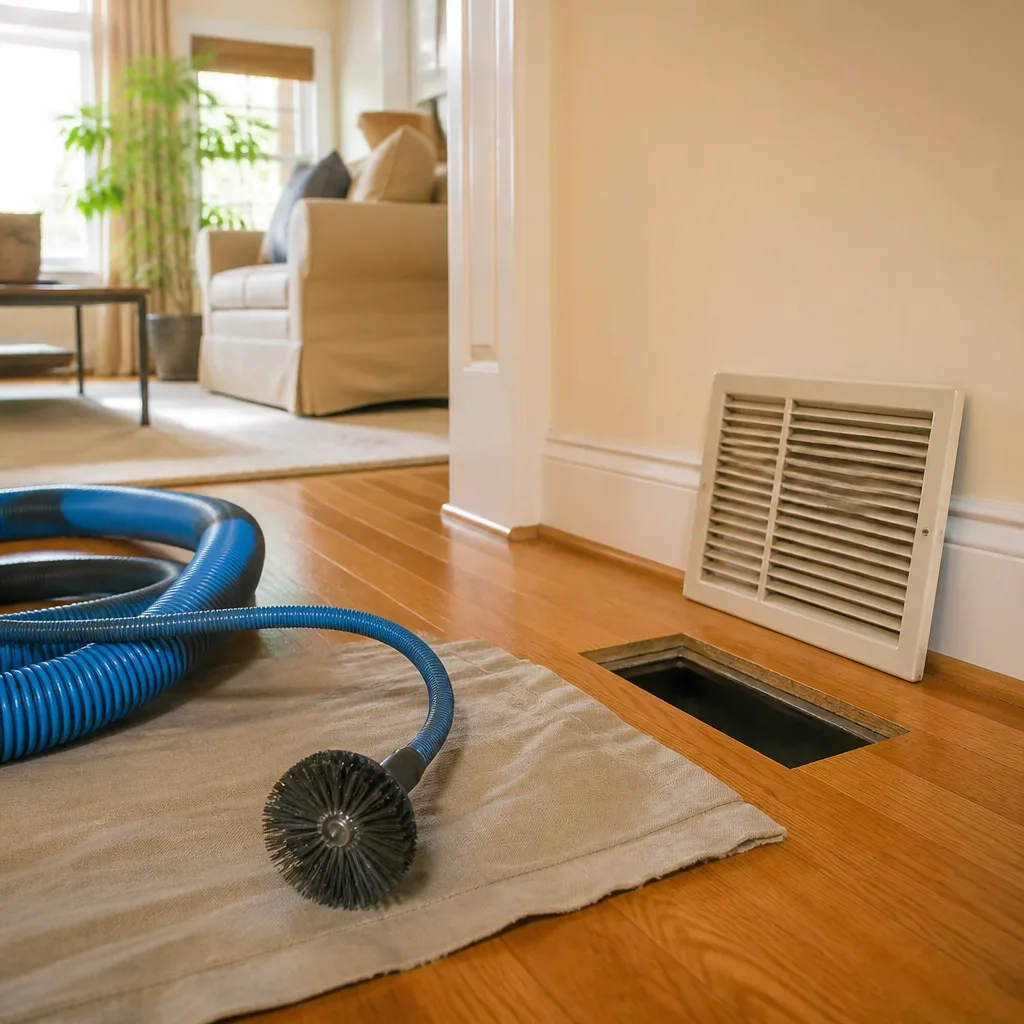
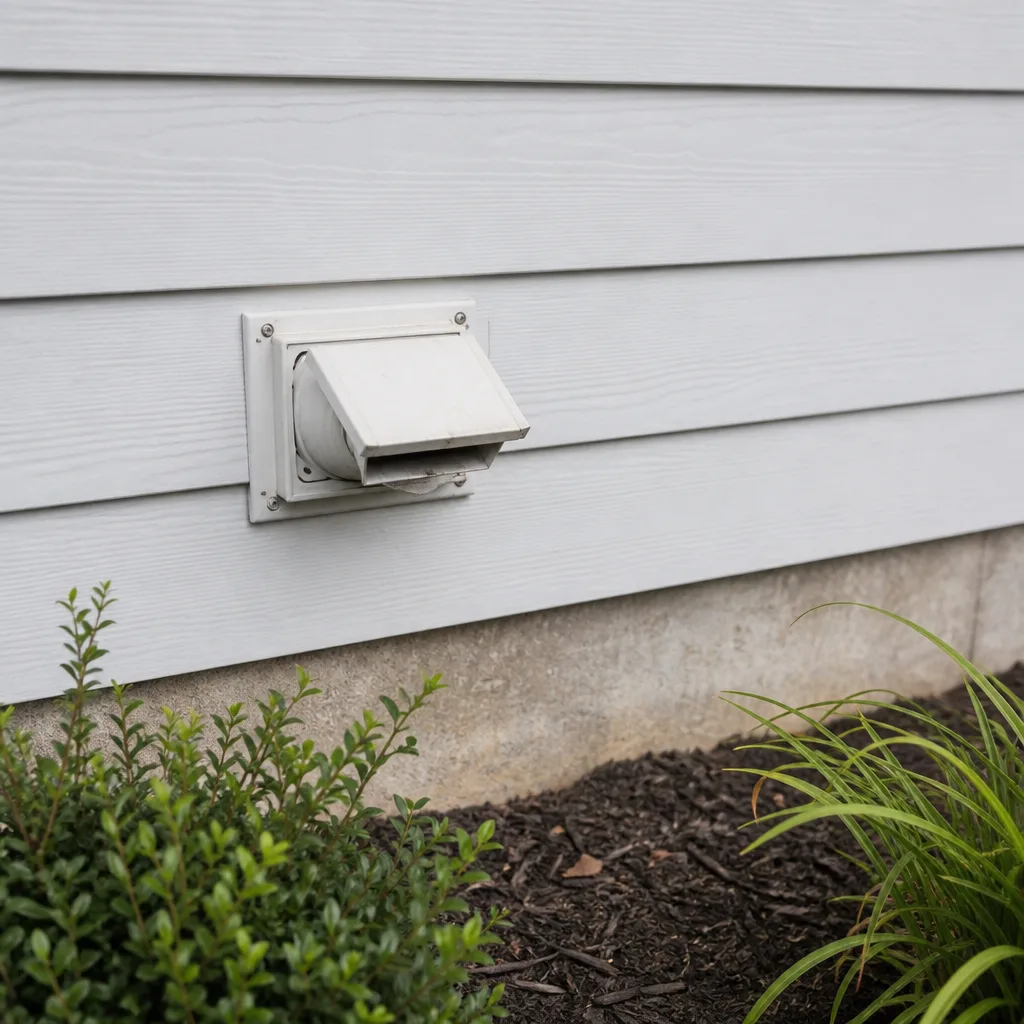
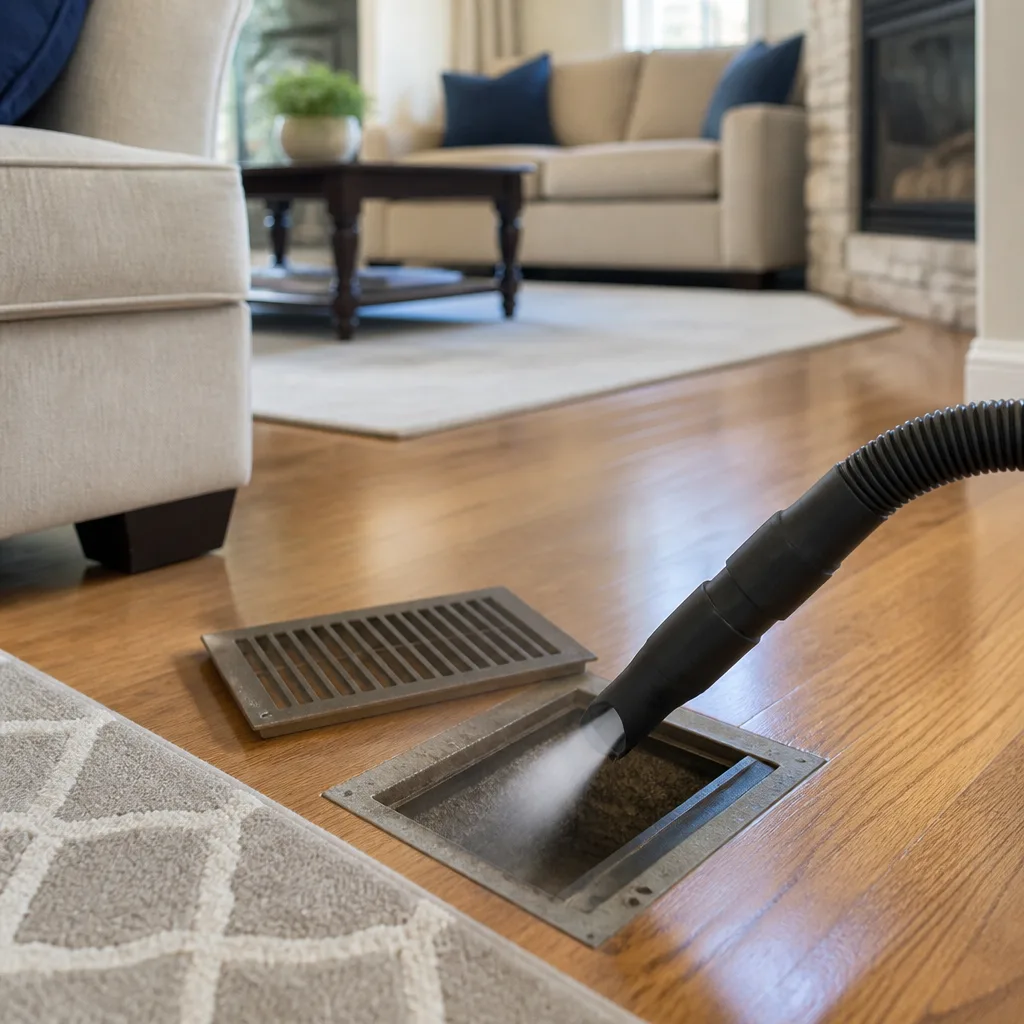
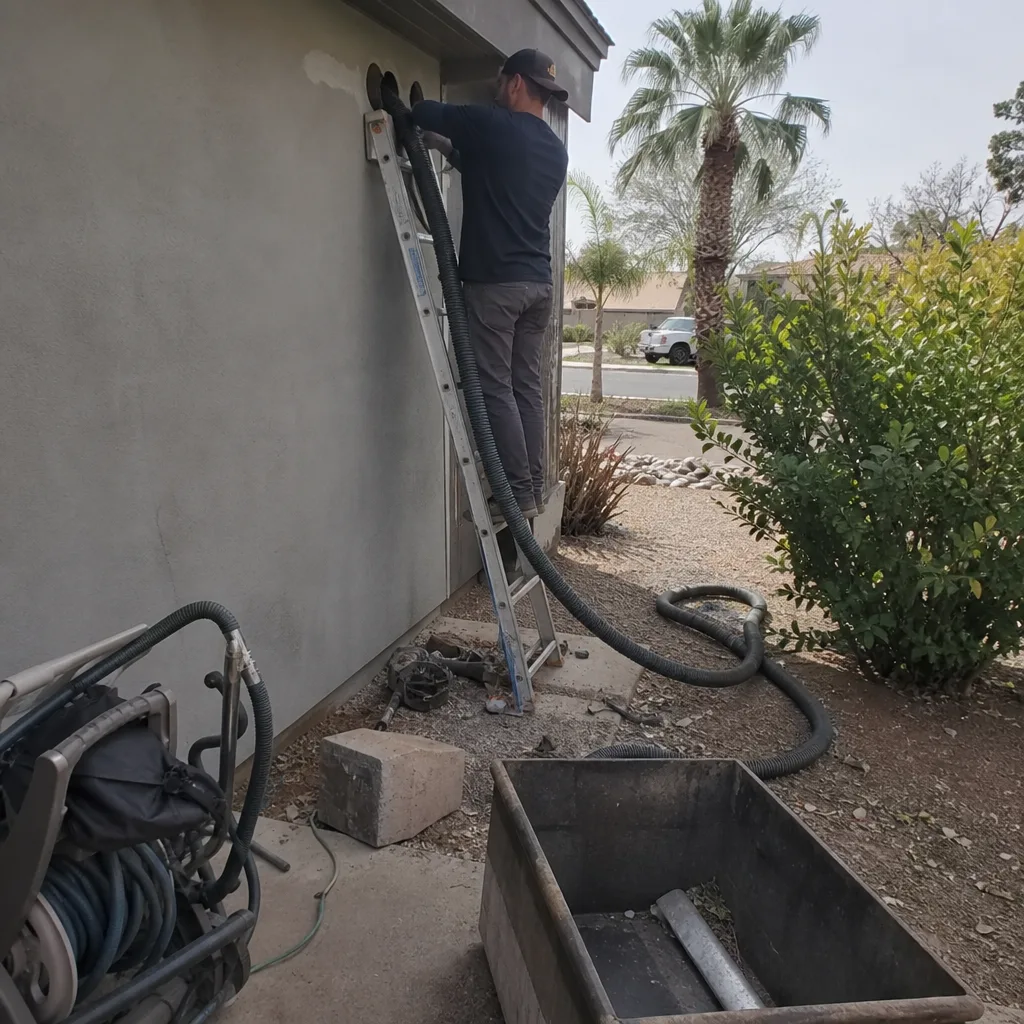 Before
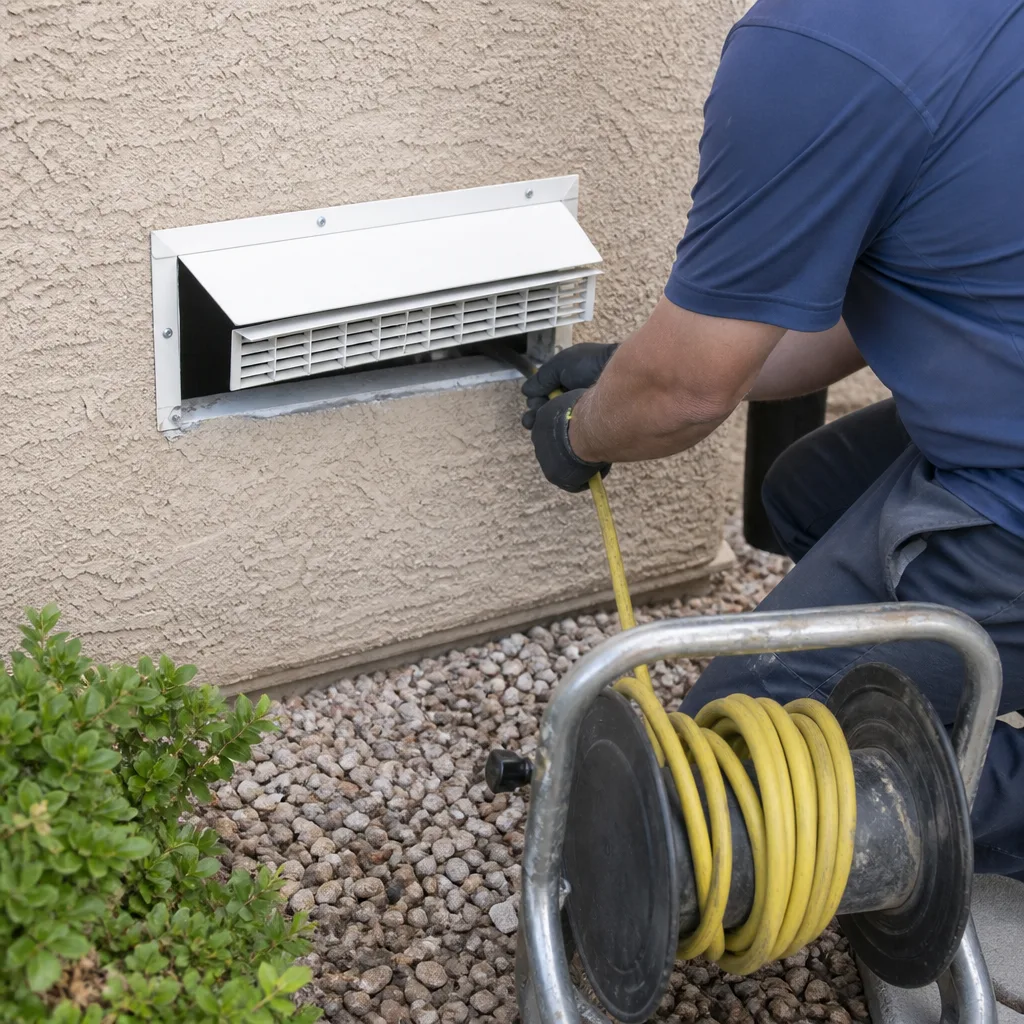 After
After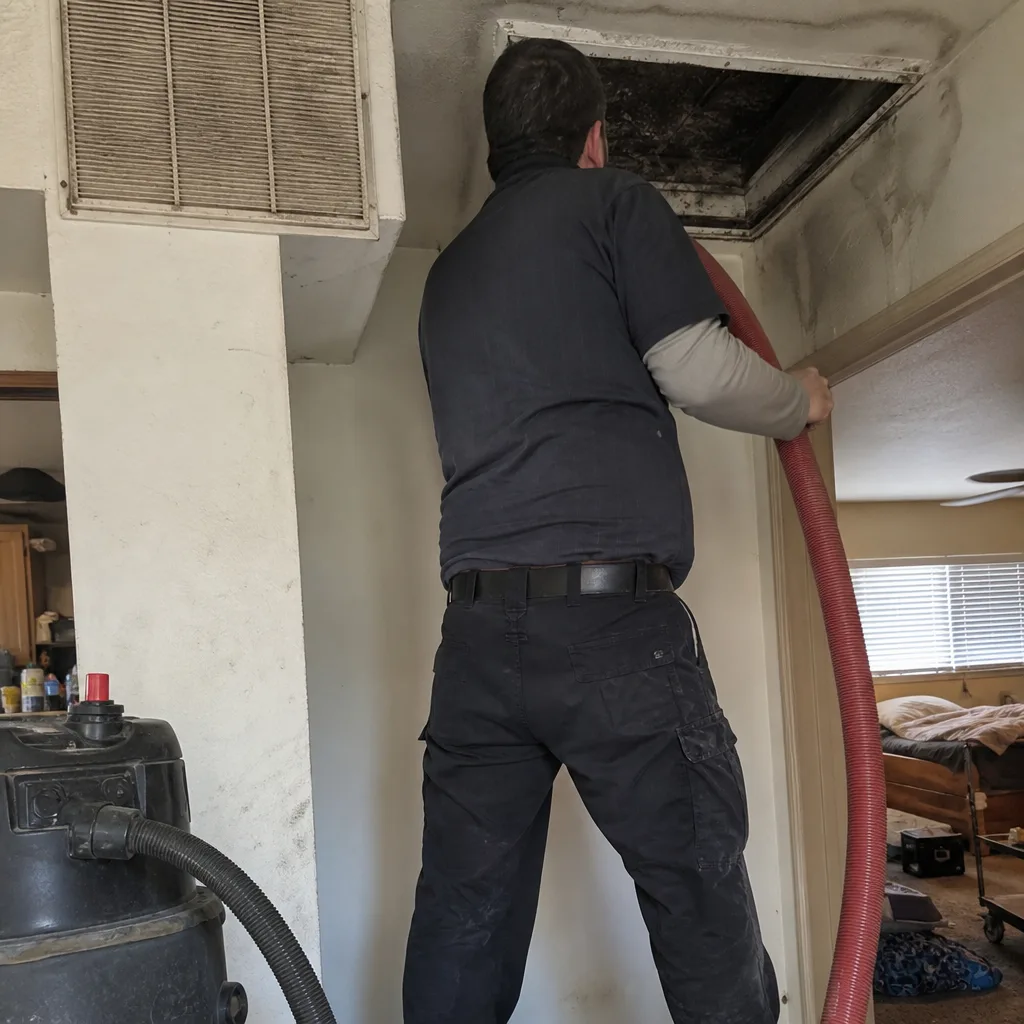 Before
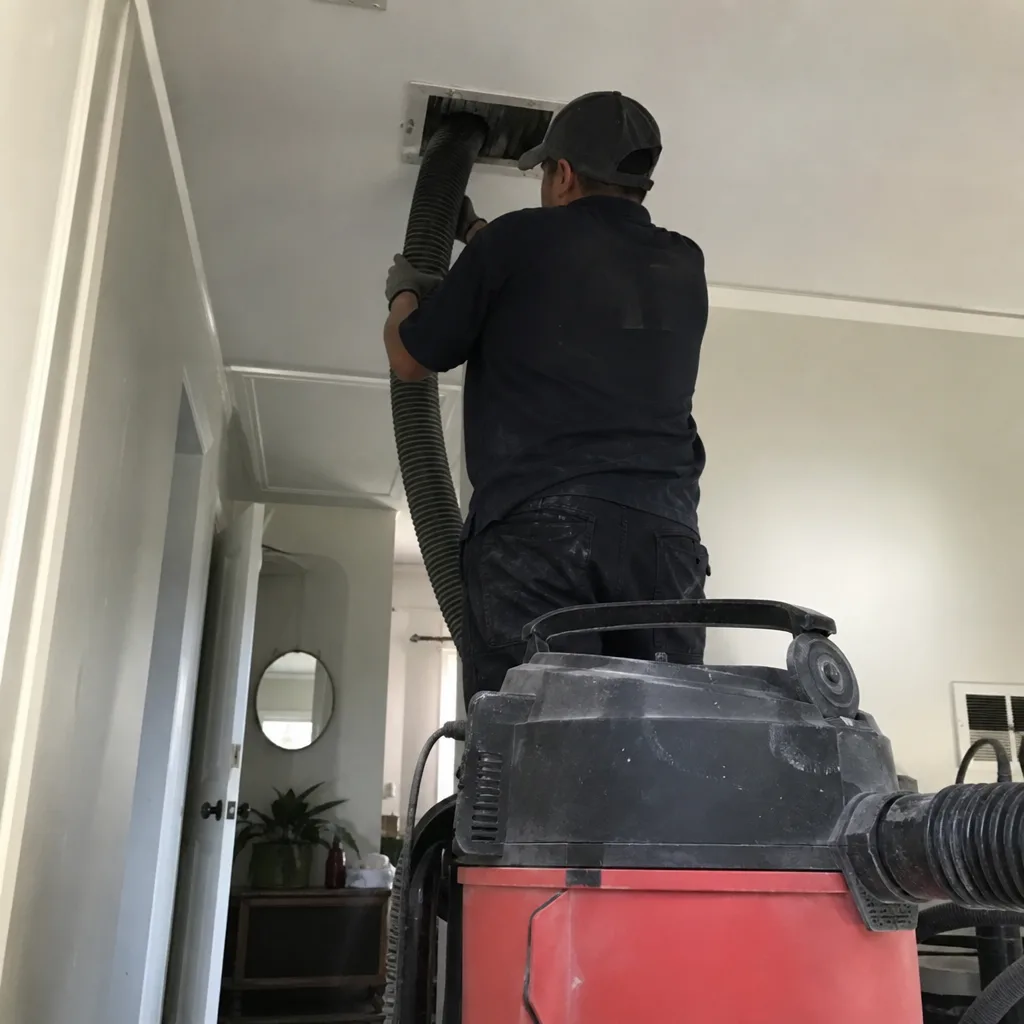 After
After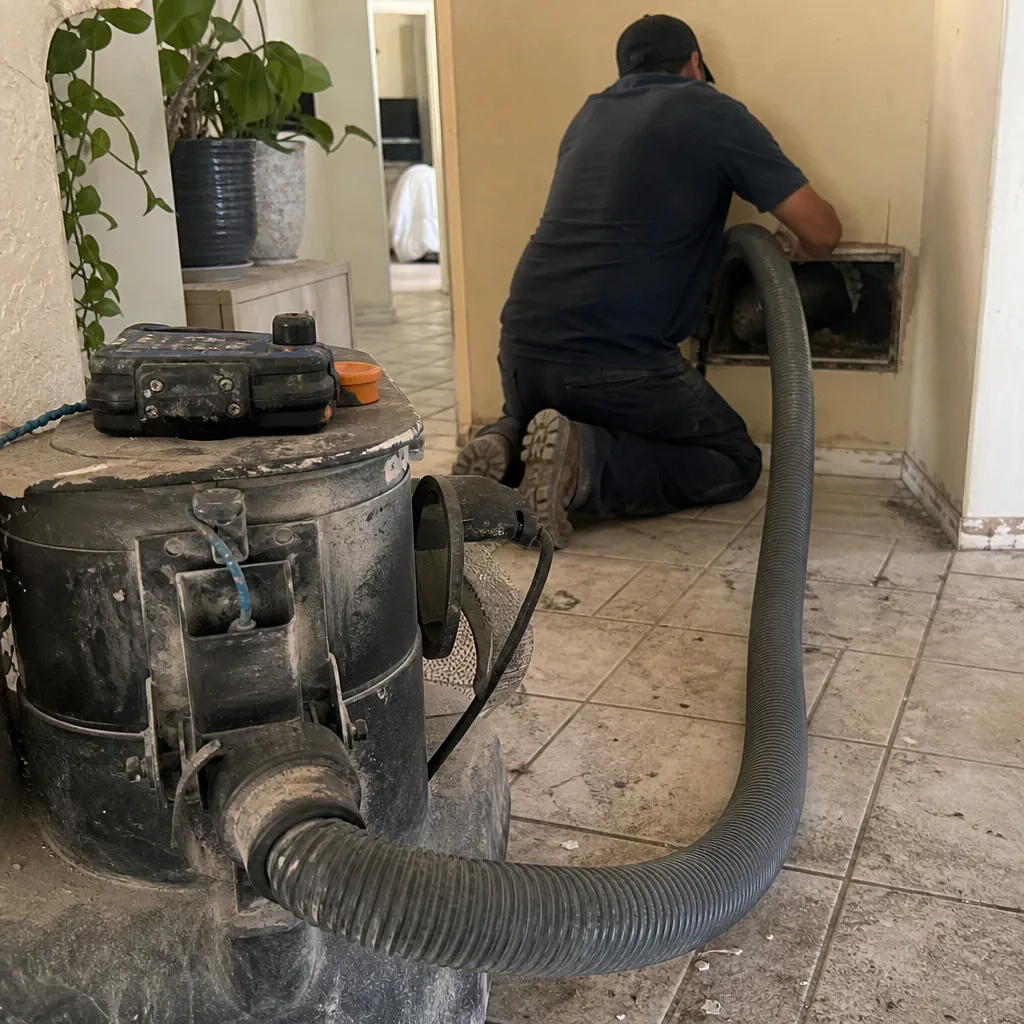 Before
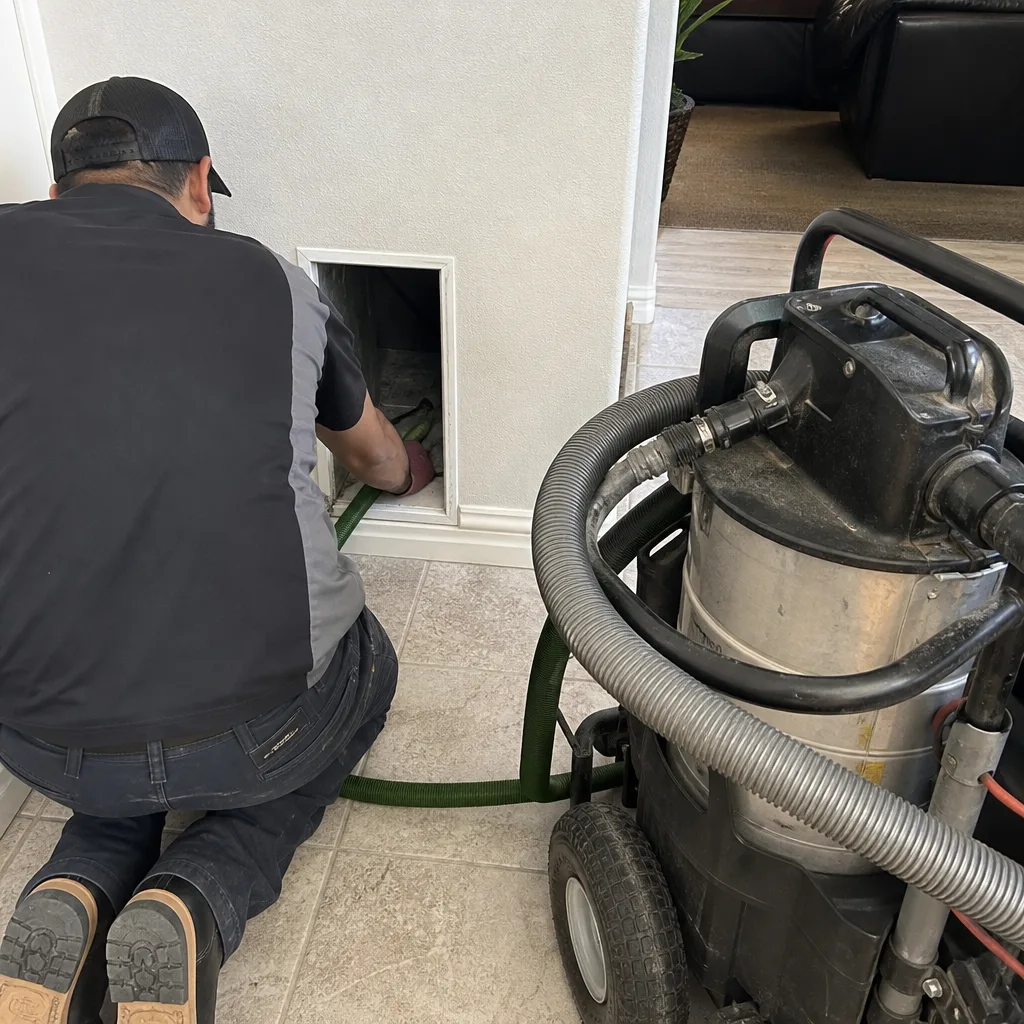 After
AfterHoneywell Duct Repair & Sealing in Phoenix: What to Know First
CleanRun Air Duct Cleaning Phoenix provides independent Honeywell duct repair and sealing services across the Valley, with most residential jobs completed in a single scheduled visit and a written price delivered before any panel comes off. Typical Honeywell duct sealing projects in Phoenix run $340-$780 for whole-system mastic sealing and leak repair, while flex duct replacement on individual runs ranges $180-$420 depending on accessibility and plenum configuration. This page is for homeowners running Honeywell whole-home ventilators, dehumidistat-controlled systems, or integrated air cleaners who have noticed uneven room temperatures, dust streaking near registers, or blower strain that their HVAC contractor traced to duct leakage rather than equipment failure. Call (480) 500-6377 for a free written estimate with no obligation to proceed.
How Honeywell Products Fail - and How We Fix Them
- TrueDRY DR90/DR120 flex duct degradation at the dehumidifier plenum connection. The DR series uses a proprietary 6-inch round collar that vibrates against standard flex duct core wire in Phoenix’s thermal expansion cycle, 110°F attic summers to 50°F winter nights. We replace with galvanized metal sleeve transitions secured by UV-rated Panduit straps, not zip ties, and seal with fiber-reinforced mastic rated for the DR90’s 200 CFM static pressure.
- Fresh Air Ventilation System (FAVS) intake duct collapse in Ahwatukee and Arcadia attic installations. The FAVS 8120’s barometric damper creates negative pressure spikes that flatten unsupported flex duct across 20-foot attic spans common in 2016-2022 builds. We install rigid metal backup frames and convert critical path sections to sheet metal, photographing each hanger point for the job record.
- Whole-House Dehumidifier (WHD) bypass duct gasket failure. Honeywell’s WHD-series foam gaskets harden at 140°F attic temperatures reached in Phoenix from May through September. The bypass damper then leaks conditioned air into the return plenum year-round. We remove OEM gaskets and install silicone-impregnated fabric seals with mechanical compression hardware, a fix that outlasts the factory spec in desert conditions.
- Electronic Air Cleaner (EAC) return duct leaks causing ionizer arc tracking. When the F300 or F50 EAC’s return plenum pulls attic air through seam gaps, conductive dust builds on cell plates and triggers false “wash cell” alerts. We pressure-test the return path, seal with water-base duct mastic (compatible with EAC electronics), and verify with a manometer reading below 0.5 inches WC before re-energizing the power head.
- ZonePerfect damper ductwork interference in multi-zone retrofits. ZonePerfect panels controlling Honeywell dampers often get installed with original ductwork never sized for zone-static management. The MARD damper motors then stall against excess pressure, burning out in 18-30 months. We calculate actual static pressure per zone, resize critical duct runs, and relocate dampers to straight sections per Honeywell’s published installation manual - a detail many original installers skipped.
Our Honeywell Duct Repair & Sealing Process
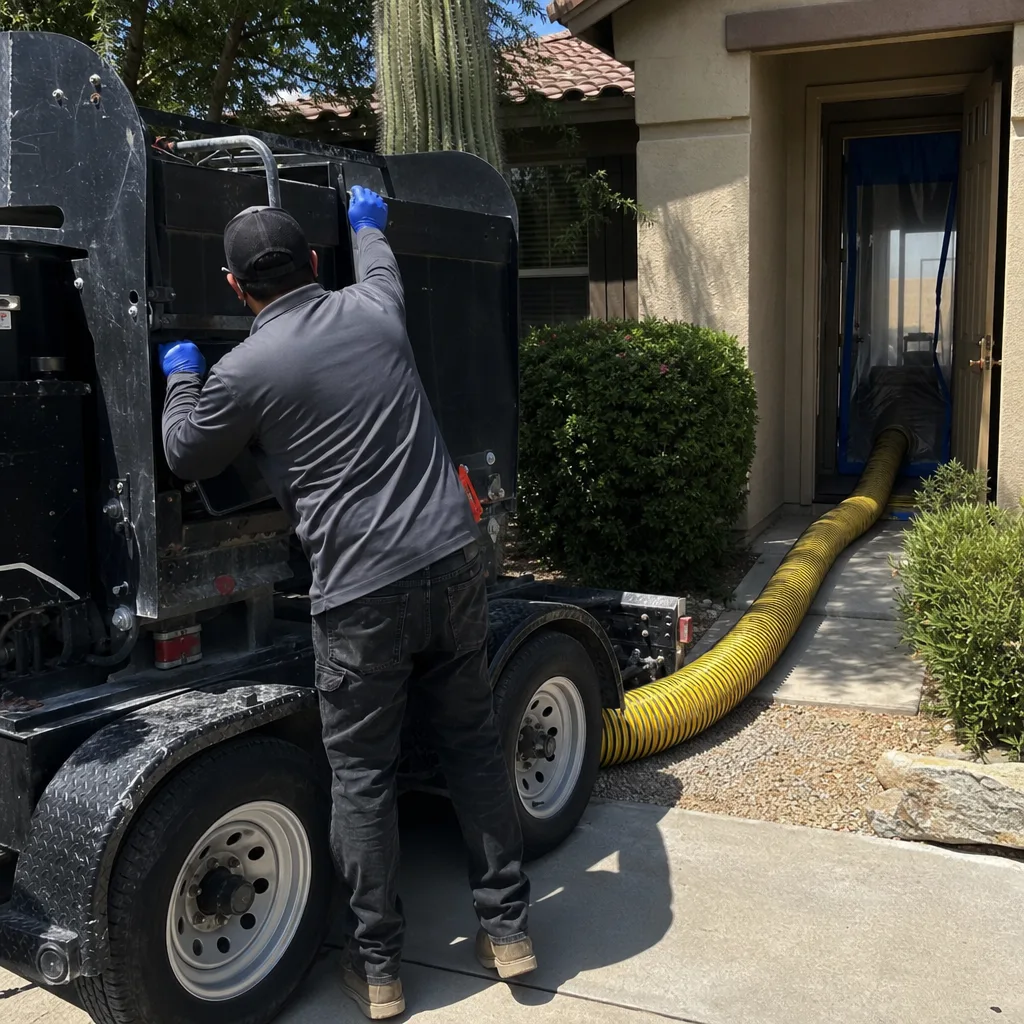
- 1
Written price delivered on arrival. Haven Standard Clause 1: the technician presents a scope and dollar figure before opening the duct. No exceptions. For Honeywell systems, this includes identifying whether the job involves OEM collars, standard sheet metal, or hybrid fabrication.
- 2
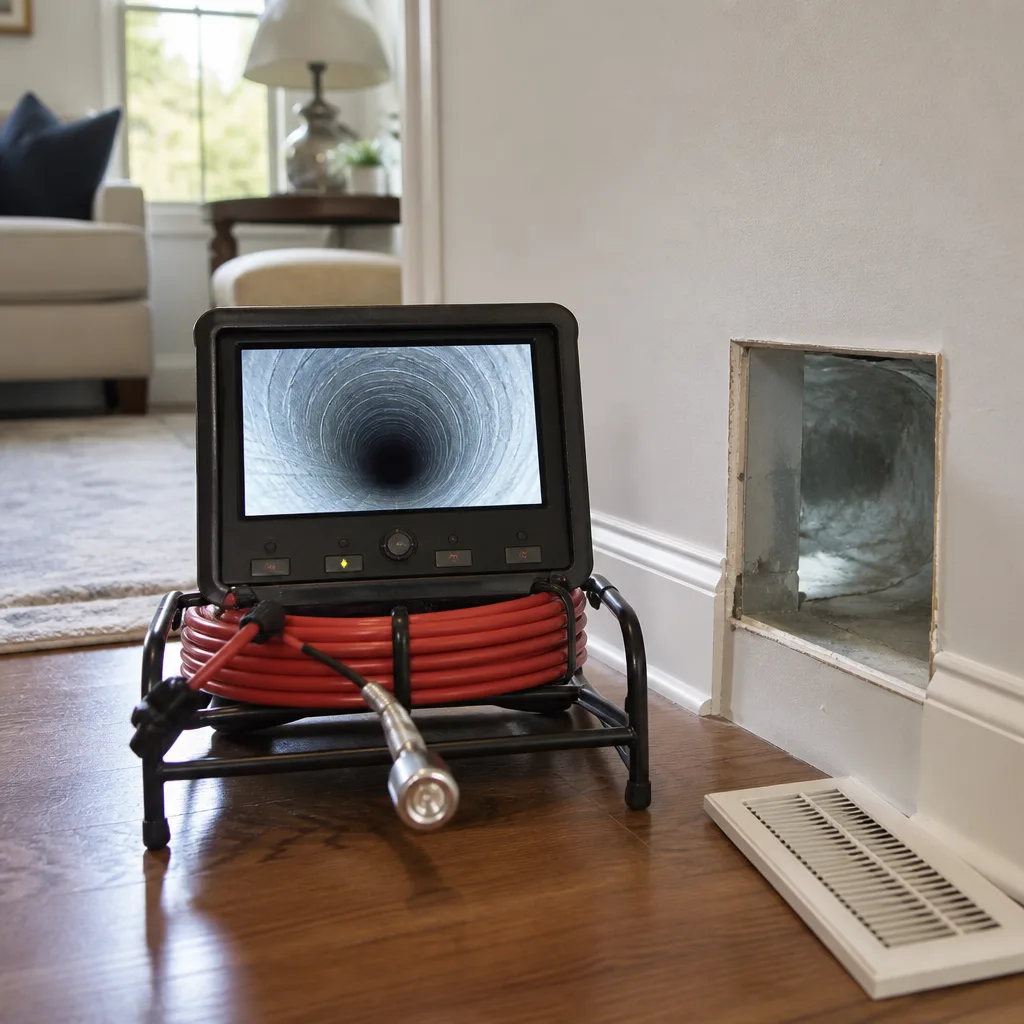
Photographic baseline of every duct run. We run a borescope camera through each accessible section and show the homeowner what we found. Here is what the camera found. Everything else follows from that.
- 3
Pressure diagnostic with digital manometer. We measure static pressure at the air handler and at each register to locate leaks the eye cannot see, a step that distinguishes duct leakage from the blower or coil issues that sometimes mimic it.
- 4
Parts decision: OEM Honeywell versus quality aftermarket. For proprietary components like DR-series collars or ZonePerfect damper hardware, we stock OEM or cross-reference to certified equivalents. For standard plenum and flex work, we fabricate from sheet metal or source Abatement Technologies and Guardsman materials with published pressure ratings.
- 5
Repair, seal, and verify. All seams receive fiber-reinforced mastic or foil tape meeting UL 181A-P standards. We re-test with the manometer to confirm pressure holds, then run the system through a complete cycle before cleanup begins.
- 6
Documented Photo Record delivered. Before-and-after images of every duct run, the written scope, and the 365-Day Done Right Promise are uploaded to the customer record before the technician leaves the driveway.
BeforeAfterWhat Honeywell Duct Repair & Sealing Costs in Phoenix
| Service | Typical Range | What Moves the Price |
|---|---|---|
| Whole-system mastic sealing (leak repair) | $340-$780 | Attic accessibility, number of plenum seams, whether flex-to-metal transitions need rebuild |
| Single flex duct run replacement | $180-$420 | Length, insulation R-value, whether the run serves a second-story register |
| TrueDRY/WHD plenum collar repair | $260-$490 | OEM collar availability, need for custom metal transition fabrication |
| ZonePerfect zone duct resizing | $380-$720 | Number of zones affected, static recalculation complexity, damper relocation distance |
| EAC return plenum reseal | $220-$450 | Plenum material (galvanized vs. duct board), electronics proximity requiring non-conductive sealant |
These are whole-system or whole-run prices, not per-vent teaser rates. Every figure is written and agreed before work starts. Call (480) 500-6377 for an exact quote on your Honeywell system - estimates are free, and we provide a Free Second Opinion on any competitor’s written estimate.
Why Phoenix Homeowners Call CleanRun Air Duct Cleaning Phoenix for Honeywell Work
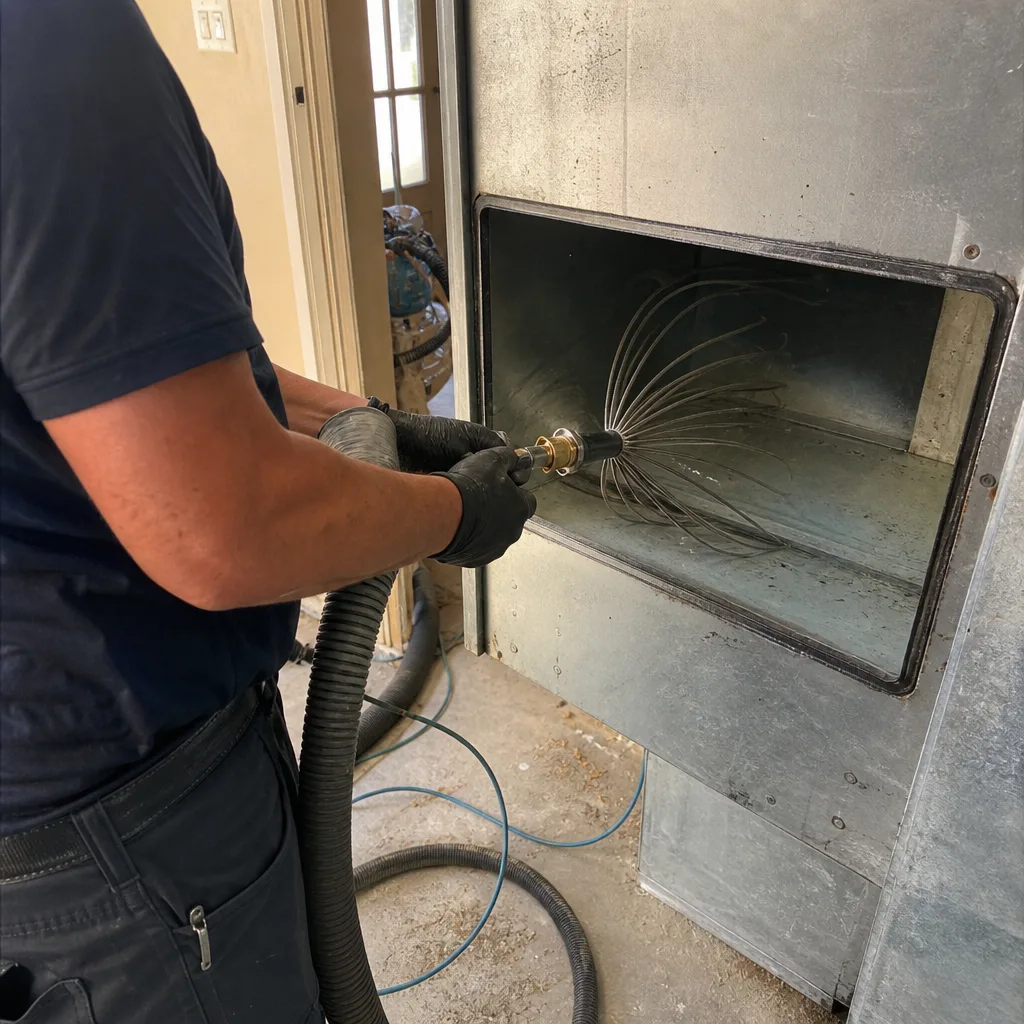
We’ve been running crews across the Valley since 2013, and the combination of desert dust and aging flex duct in neighborhoods like Ahwatukee means our inspection cameras see consistent patterns in Honeywell-integrated systems. The 365-Day Done Right Promise is backed in writing on every job, not stated in marketing copy and forgotten. Our technicians are background-checked, uniformed, and identified by name before arrival - Haven Standard Clause 3: Verified Crews. We also service Lennox, Trane, and Carrier duct configurations, so when a Phoenix home has mixed-brand equipment or a recent system replacement left mismatched ductwork, we don’t need to call in another contractor. The equipment roster includes Rotobrush, Nikro, Abatement Technologies, Honeywell, Aprilaire, and Guardsman - brands customers can verify independently. Every call is answered by a live person, 24/7.
FAQs
No. Ductwork is separate from Honeywell equipment warranties, which cover the electrical and mechanical components of units like the TrueDRY or EAC, not the attached duct. As an independent Honeywell service provider, we document our work so that if a future equipment warranty claim arises, the duct modifications are traceable and code-compliant. Call (480) 500-6377 if you need help interpreting your specific warranty terms.
We show you. Haven Standard Clause 2 requires part numbers to be recorded on the written scope, and for proprietary components like DR-series collars or ZonePerfect dampers, the OEM packaging is available for inspection. For standard sheet metal and flex, we use Abatement Technologies, Guardsman, or equivalent materials with published pressure and temperature ratings you can look up.
Replace when the duct board is crumbling, multiple runs have collapsed internally, or the original installation used uninsulated flex in an unconditioned attic - common in Phoenix builds from 2004-2010. Repair when the structure is sound but seams have opened, collars have separated, or a single zone is underperforming. We assess with a camera and manometer, then recommend based on what we can document, not a sales target.
Most residential jobs are completed in one scheduled visit of 3-5 hours. Whole-system sealing on a larger home with attic accessibility issues may extend to a second day, but that scope and timeline are written into the upfront price. We do not charge by the hour.
The $79 coupon model typically covers a brief vacuum at the register and a photoshopped “after” image, not pressure-tested sealing or documented repair of actual leaks. CleanRun’s price includes the borescope inspection, manometer verification, and the Documented Photo Record of every run - deliverables that take time and equipment. If a competitor’s written estimate shows comparable scope, bring it in for our Free Second Opinion.
Written by Tomas Reyes, Owner & Lead Technician, CleanRun Air Duct Cleaning Phoenix at CleanRun Air Duct Cleaning Phoenix, serving Phoenix and nearby areas.