
Whole-system duct and dryer vent check with before-and-after photos - you see exactly what came out of your vents
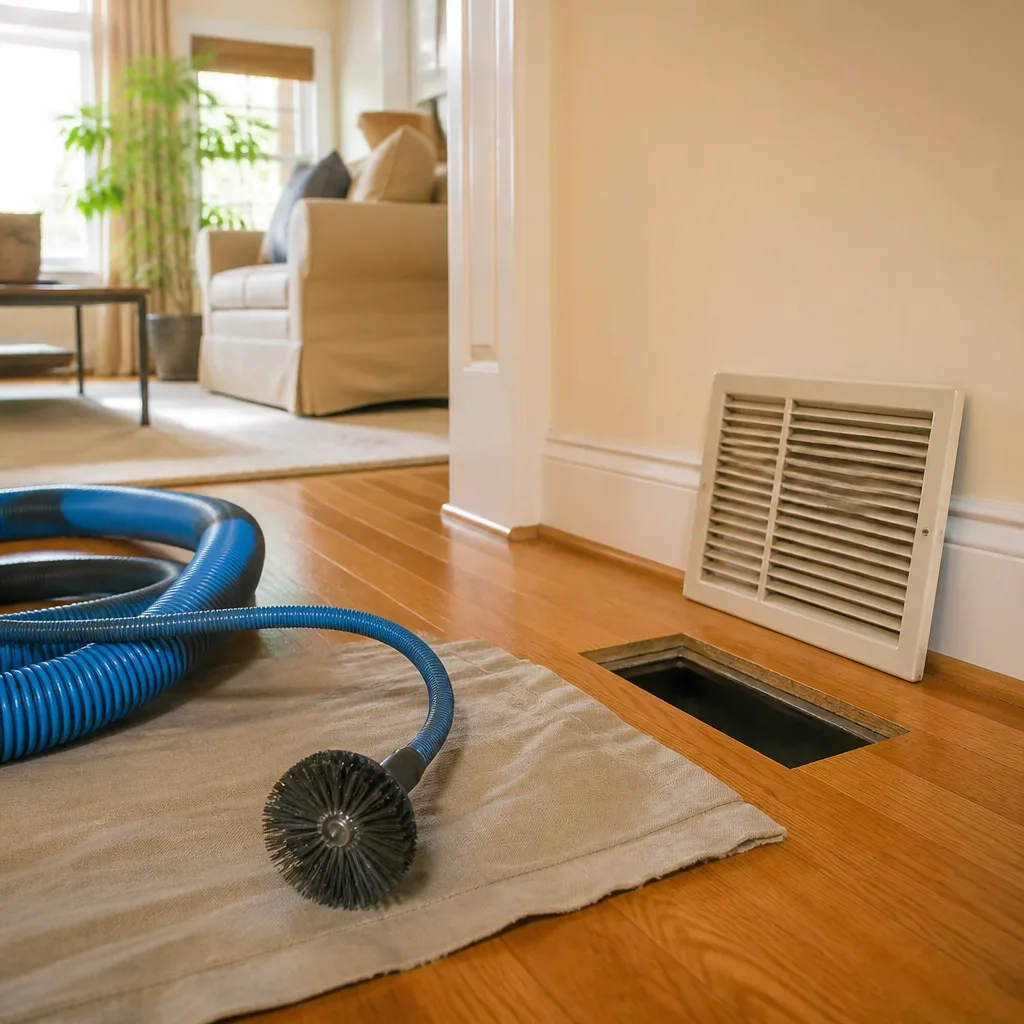
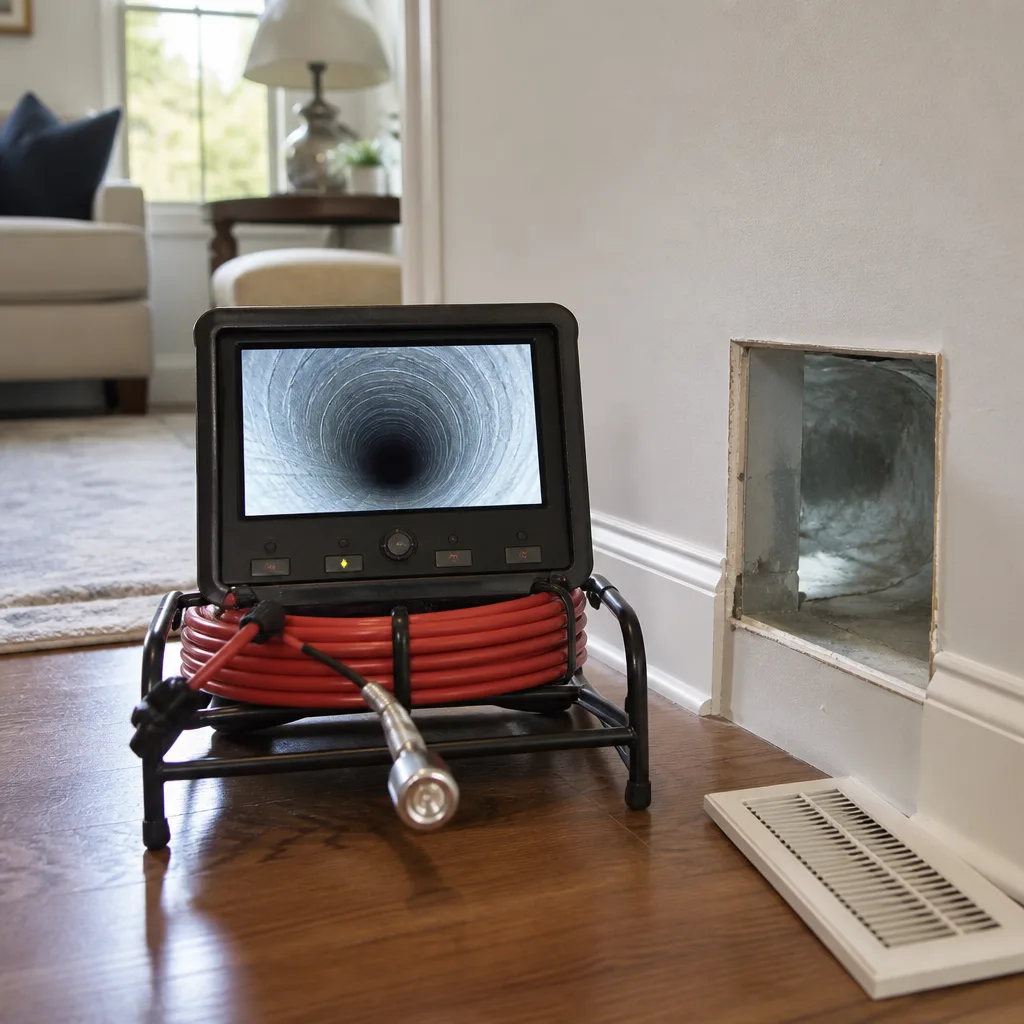
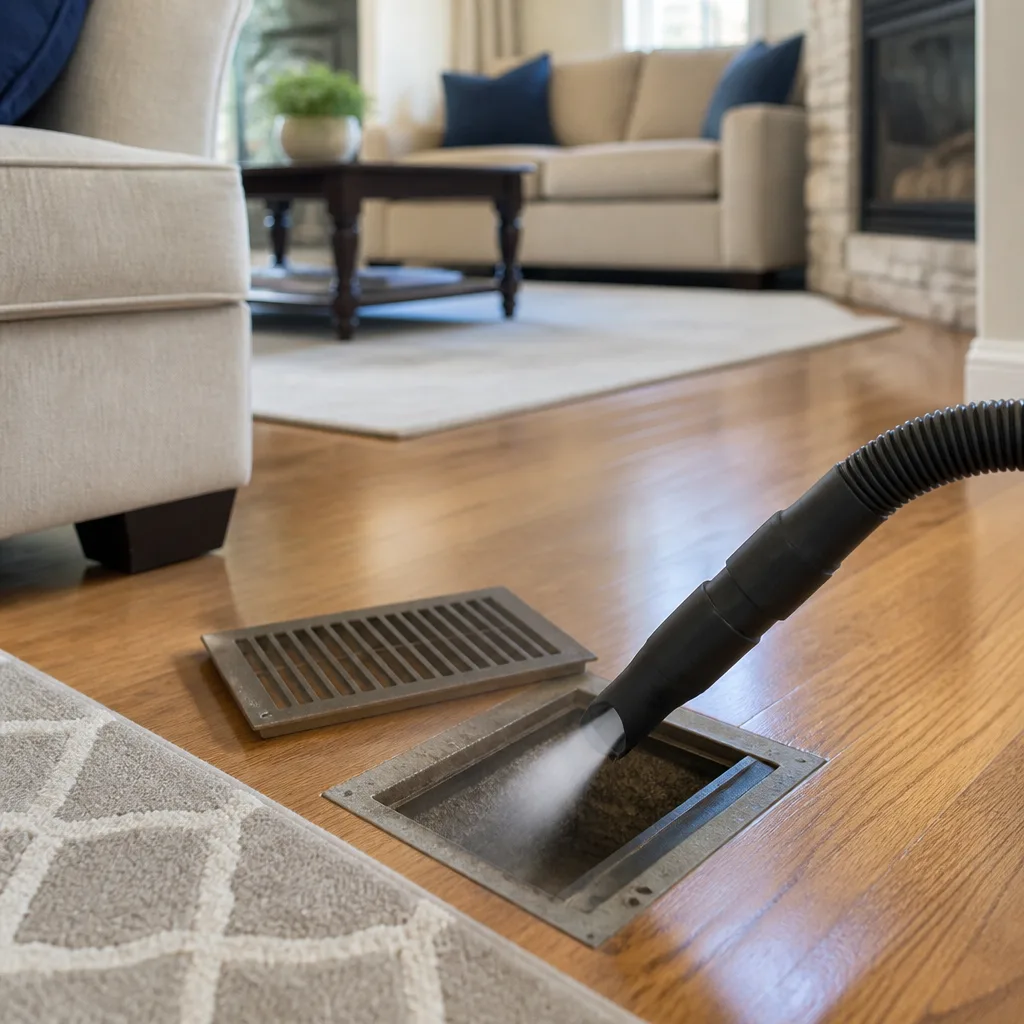
That "$99 whole-house special" is a bait ad - the real number appears once they are in your hallway, or the "clean" is a shop-vac at the register. We photograph the inside of your ducts before and after instead.
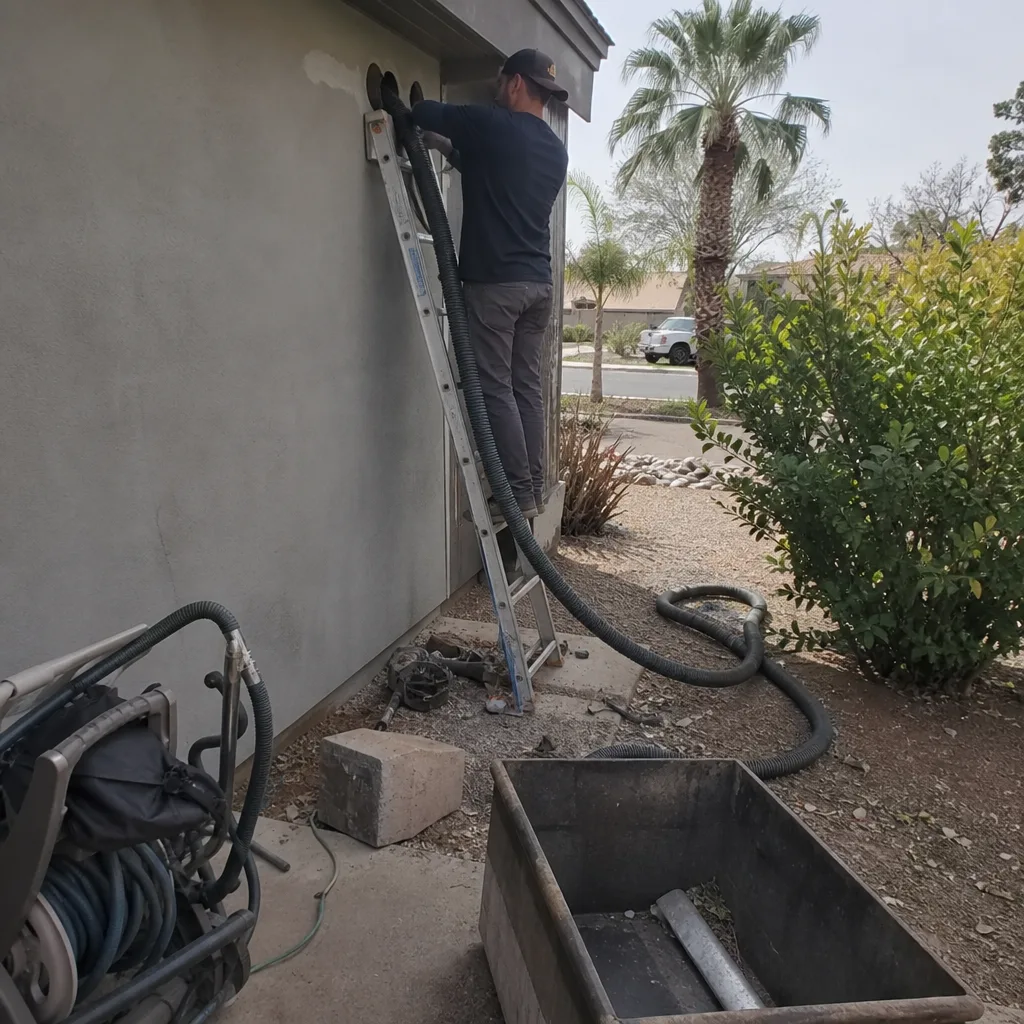 Before
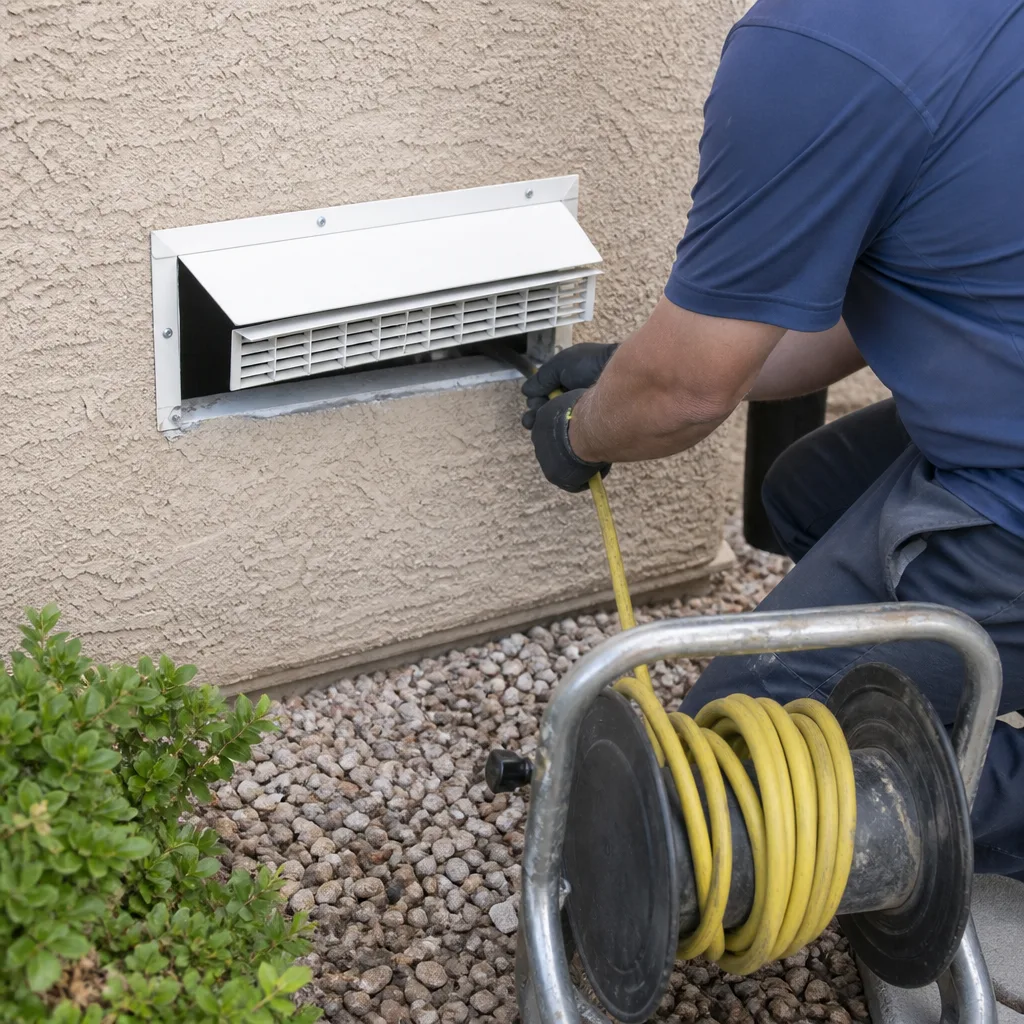 After
After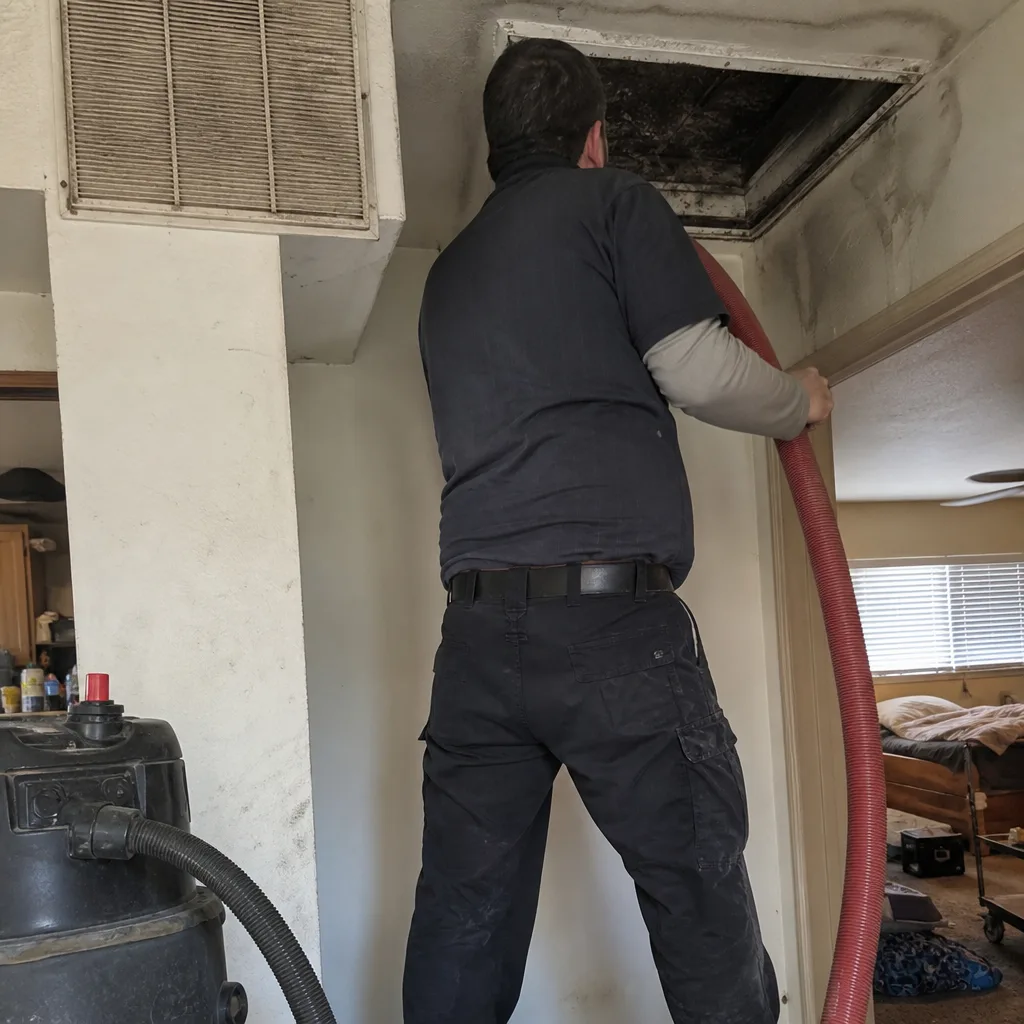 Before
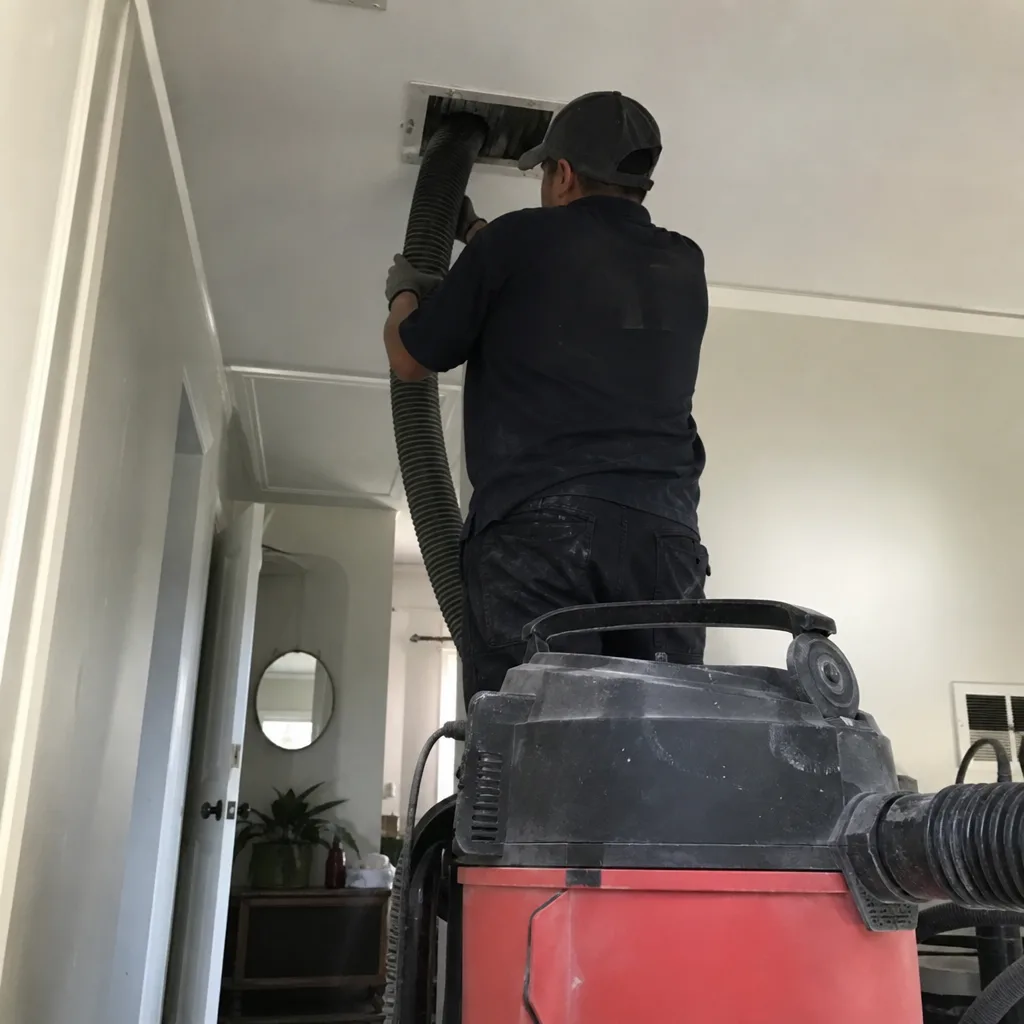 After
After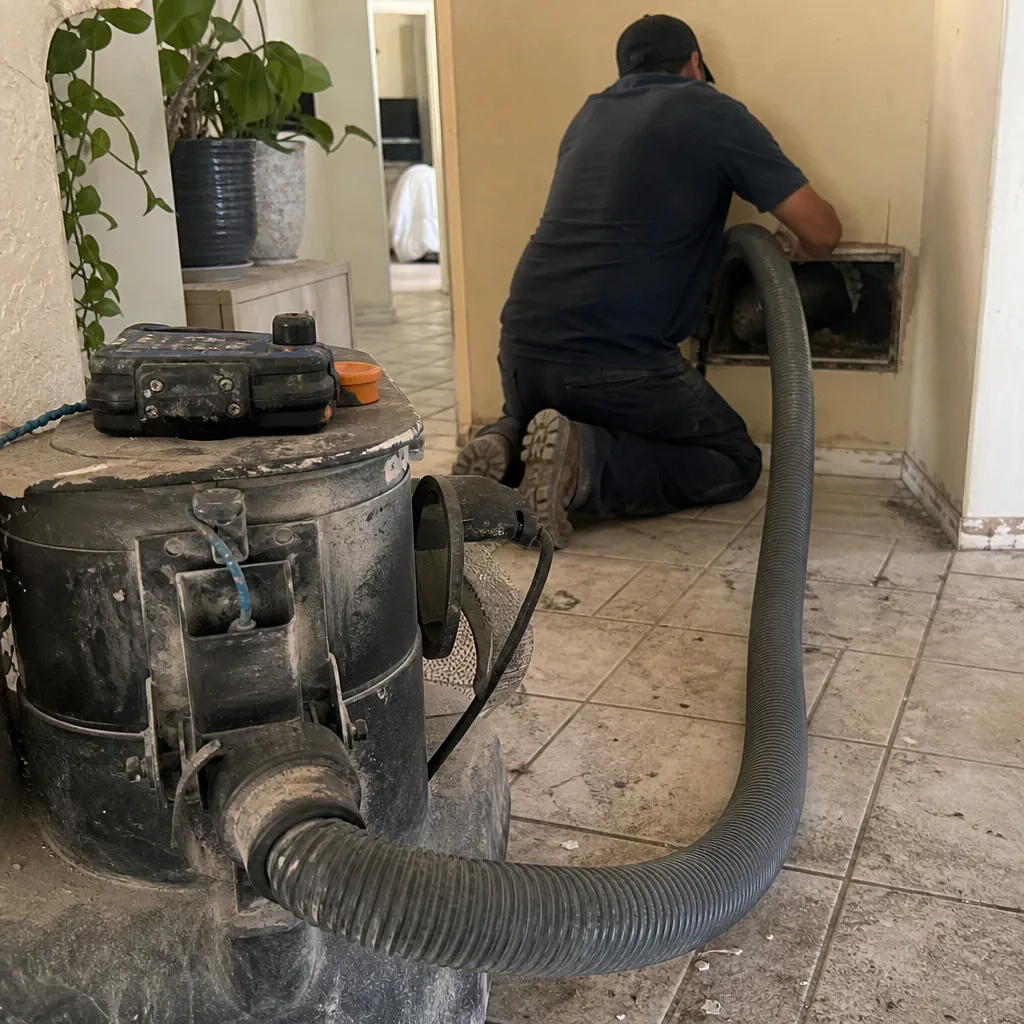 Before
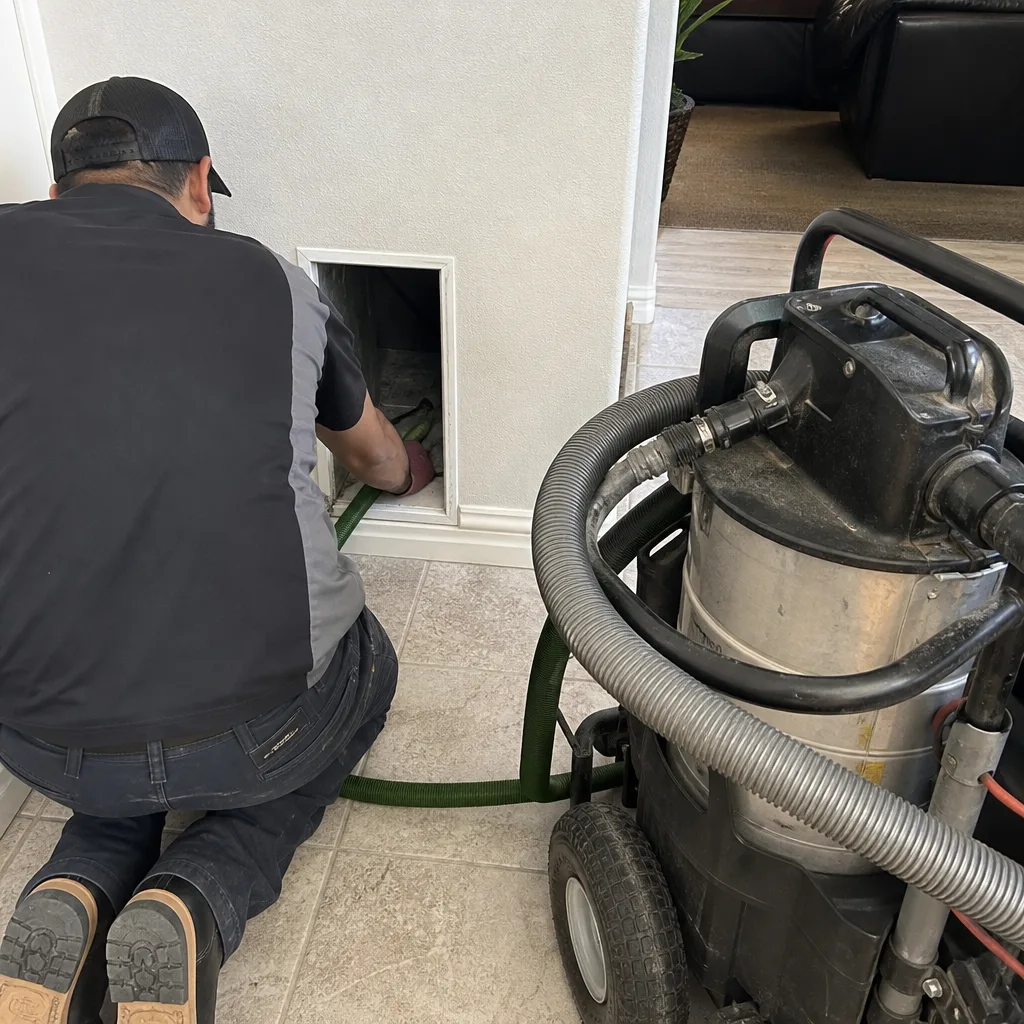 After
AfterRotobrush Duct Sealing & Repair: The Phoenix Owner’s Guide
Rotobrush-compatible duct sealing and repair in Phoenix typically runs $340-$780 for a complete residential system, depending on linear footage and whether we’re sealing accessible trunk lines or chasing leaks behind drywall. We stock Rotobrush-compatible mastic compounds, foil-backed tape rated for 200°F sustained, and mechanical sealants for flex-to-rigid transitions on every truck, and most residential jobs are completed in a single scheduled visit. Homeowners usually discover the failure when a room stops keeping temperature despite good airflow, or when their summer APS bill jumps 20-30% against the same thermostat setting.
Which Rotobrush Models This Applies To
Rotobrush builds three primary equipment lines that touch duct sealing and repair work: the BrushBeast series (standard and HD), the aiR+ XP, and the legacy Roto-Vision 4500 inspection systems still common in Phoenix homes built 2005-2015. The sealing components aren’t universal across lines. BrushBeast units use a 2.5-inch diameter hose cuff with a proprietary cam-lock; the aiR+ XP shifted to a 3-inch quick-connect in 2019. If you’re matching tape or sealant to a Rotobrush accessory kit, check the white spec label on the vacuum motor housing, not the brush head. The label shows series code BEAST, AIRXP, or RV45.
CleanRun Air Duct Cleaning Phoenix is an independent service provider, not affiliated with Rotobrush. We source OEM-grade mastic from Rotobrush distributors in Mesa and Tempe, but we also stock aftermarket equivalents from Nikro and Abatement Technologies that meet the same UL 181B-FX standard at lower per-job cost. The aftermarket tape we use is 3M 3320 or equivalent, not the unbranded bulk rolls that turn brittle after two Phoenix summers. OEM Rotobrush sealant runs 15-20% higher; we quote both options in writing before work starts under Haven Standard Clause 1.
Signs Your Rotobrush Duct Sealing & Repair Is Failing
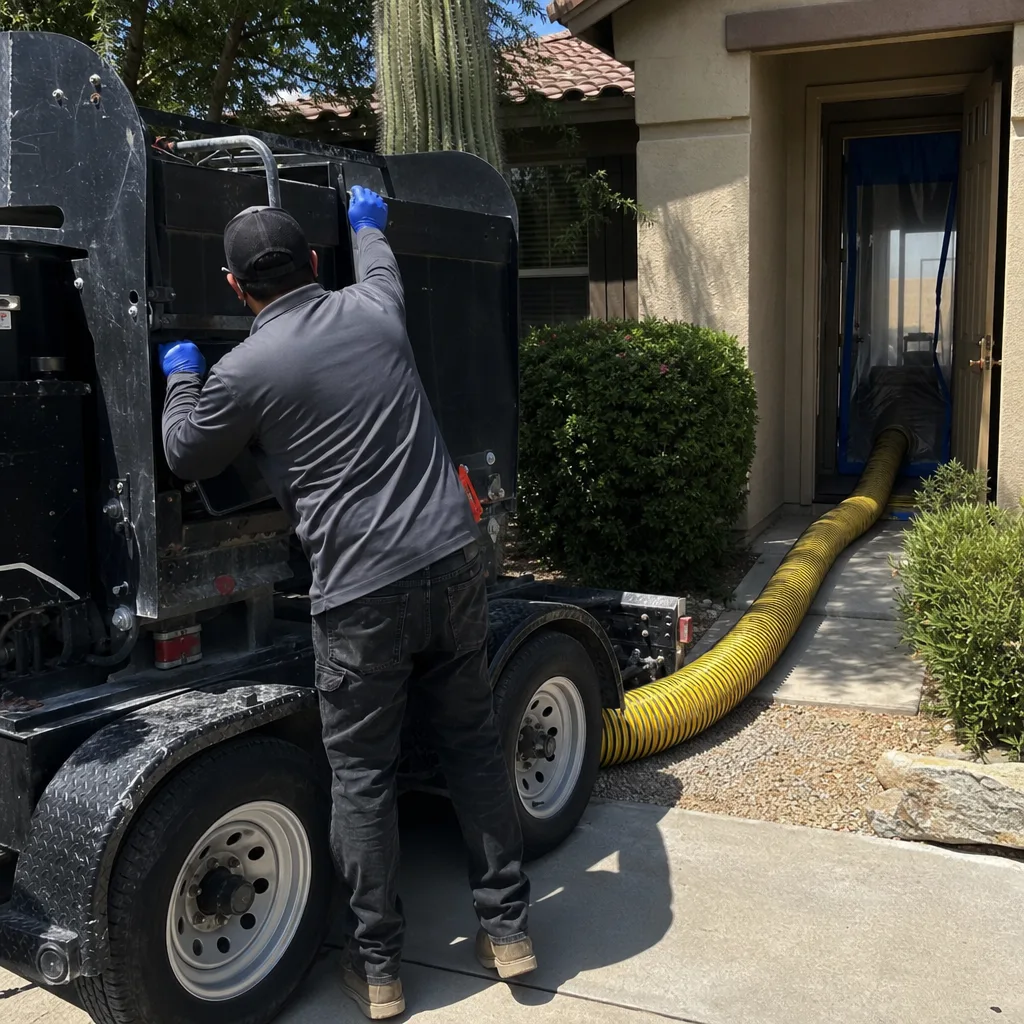
- Uneven room temperatures. When the master bedroom hits 78°F while the hallway holds 72°F, the camera often shows a separated flex duct at a plenum connection (the main distribution box where air splits to individual runs). The mastic has cracked from thermal cycling, and conditioned air is dumping into the attic.
- Dust streaking from ceiling registers. Dark lines on the grille fins mean air is pulling attic particulate through a gap upstream. In Phoenix, that’s desert dust, insulation fragments, and occasionally rodent debris. The seal between the register boot and drywall has failed, or the flex duct has pulled off the boot entirely.
- Whistling or rushing noise from walls. High-velocity air escaping through a split seam sounds like a slow leak in a tire. The noise usually worsens when the blower ramps to stage two. We find this most often in Ahwatukee homes with original 2008-2012 flex duct that was never properly supported.
- Summer electric bills climbing year-over-year. A 15% jump against comparable cooling degree days points to duct leakage above the thermal envelope. SRP and APS both offer duct-test rebates for a reason: 20-30% leakage is common in Phoenix homes that haven’t been sealed since construction.
- Musty or chemical odors when the system cycles. Leaky return ducts pull air from the garage, attic, or wall cavities. In Arcadia and older Paradise Valley homes, we’ve found return leaks pulling soil-gas through crawlspace gaps. The camera shows the break; the nose confirms what the break is pulling in.
BeforeAfterReplacement Cost & What’s Included
| Scope | Typical Range |
|---|---|
| Single register boot reseal (accessible attic) | $180-$260 |
| Flex duct replacement, one run (up to 25 ft) | $280-$420 |
| Partial trunk line sealing, mastic + tape | $340-$580 |
| Whole-system seal (single-story, 1,400-2,200 sq ft) | $580-$780 |
| Whole-system seal + register boot replacement (multi-story) | $720-$1,100 |
What drives the range: attic accessibility (blown insulation adds labor), whether we need to cut drywall for trunk access, and whether the existing duct is R-6 or R-8 flex (R-8 is standard for new Phoenix work but rare in pre-2015 homes). Every quote is a written price delivered before work starts. The scope specifies linear footage, material type, and whether register boots are included. We don’t quote per-vent or per-foot add-ons after arrival. The 365-Day Done Right Promise covers labor and materials; if a seal fails within 12 months, we return and repair at no charge.
DIY or Call Us?
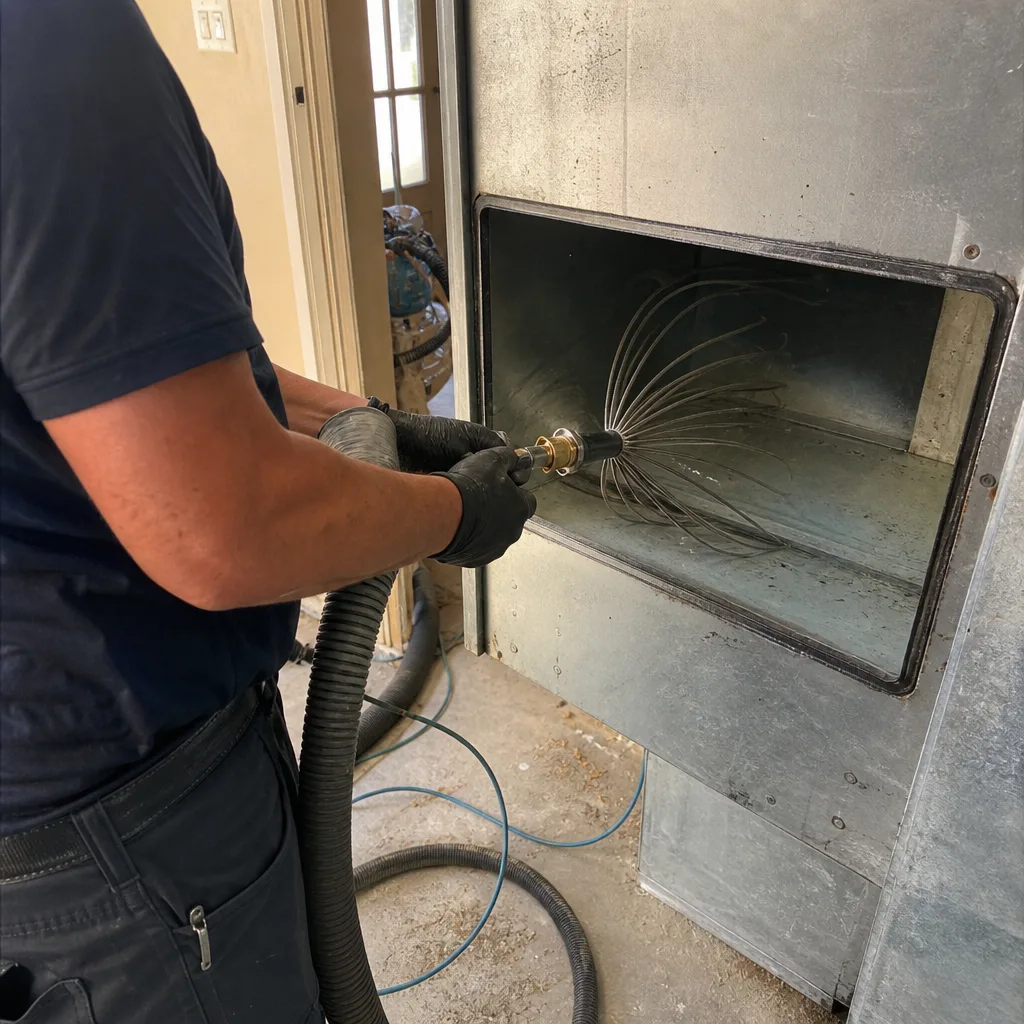
What a homeowner can safely check: remove a ceiling register and look for gaps between the boot and drywall with a flashlight. If you see daylight or feel airflow from the wrong direction, you’ve found a leak. You can also inspect flex duct in the attic for obvious sags, kinks, or disconnected ends.
Where DIY goes wrong: attic work in Phoenix summer is dangerous heat exposure, and flex duct that’s been baking at 140°F for years tears at the slightest handling. Mastic application looks simple but requires clean, dry surfaces and proper cure time; most hardware-store mastic is interior-grade and won’t survive attic conditions. More critically, sealing only the obvious leaks without a pressure test often increases leakage elsewhere by changing system static pressure. We test with a duct blaster or manometer before and after, documented in the photo record.
For a written price and documented scope, call (480) 500-6377.
FAQs
Properly applied mastic and foil tape lasts 15-20 years in a ventilated attic, but the extreme thermal cycling here shortens that to 10-15 years for boots and flex connections. We see the most failures at year 8-12 in homes with dark shingle roofs and minimal attic ventilation. Call (480) 500-6377 and we’ll inspect what you have.
Small gaps at metal joints can be sealed in place. Flex duct with torn insulation or collapsed inner liners needs replacement; patching the outer jacket leaves the R-value compromised and the inner liner still leaking. We photograph the damage and show you before committing to either approach.
A single-story home with attic access takes 4-6 hours including setup, pressure testing, and photo documentation. Two-story homes with trunk lines between floors run 6-8 hours. We schedule the full day and finish early rather than rush the cure time on mastic.
Yes. Every CleanRun truck carries Rotobrush-compatible sealants, Nikro negative-pressure extractors, and Abatement Technologies HEPA filtration. We don’t need to order materials for standard residential sealing jobs in Phoenix.
Written by Tomas Reyes, Owner & Lead Technician, CleanRun Air Duct Cleaning Phoenix at CleanRun Air Duct Cleaning Phoenix, serving Phoenix and nearby areas.